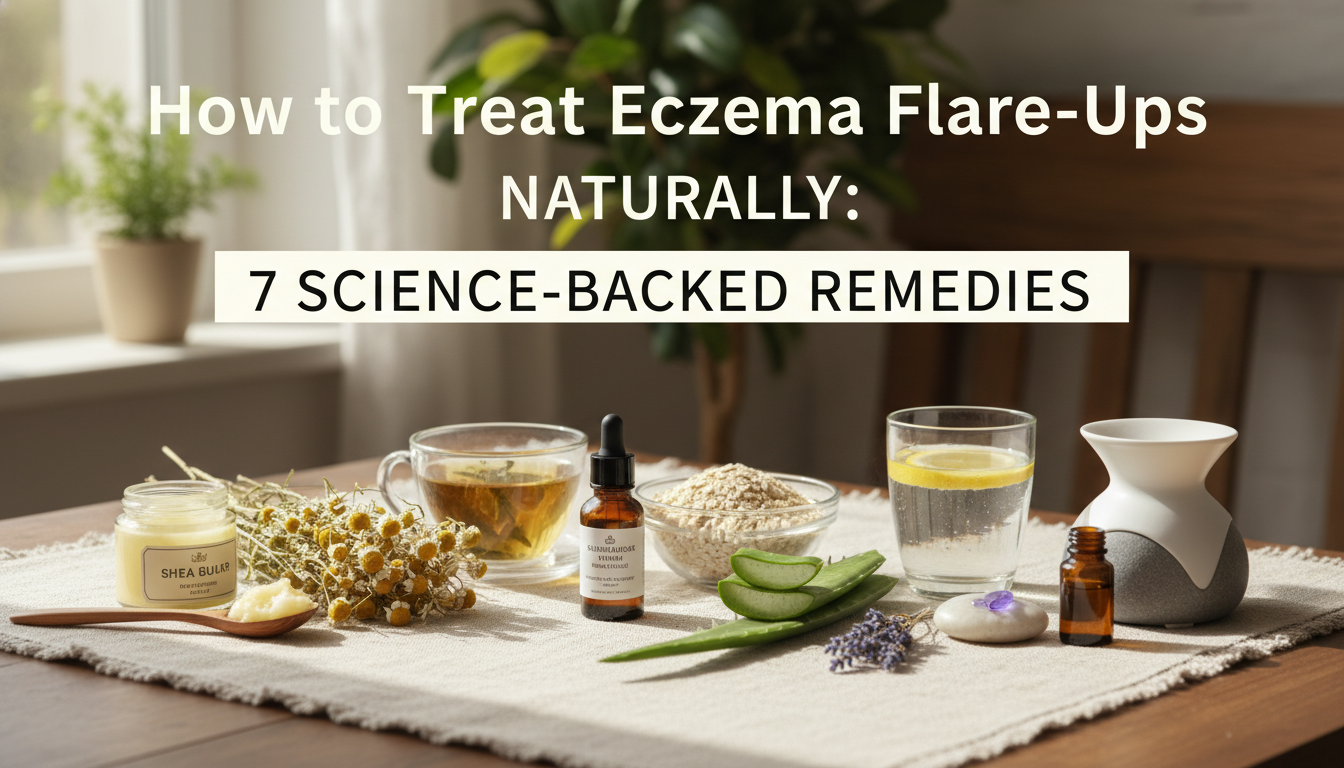
Living with eczema—specifically atopic dermatitis—often feels like a constant battle against your own skin. The sudden onset of red, itchy, and inflamed patches can disrupt sleep, affect confidence, and cause physical discomfort. While prescription corticosteroids are a standard medical response, many individuals seek complementary natural strategies to soothe their skin and reduce the frequency of flare-ups.
The key to managing eczema naturally lies in two areas: repairing the skin’s moisture barrier and reducing systemic inflammation. Because eczema-prone skin lacks the necessary proteins and lipids to retain moisture, it becomes susceptible to environmental triggers. The following seven remedies are backed by dermatological research and offer practical ways to find relief at home.
1. Colloidal Oatmeal Baths
Colloidal oatmeal isn’t the same as the oats in your pantry. It is oats that have been ground into an extremely fine powder so they can be dispersed in water. When added to a lukewarm bath, it forms a protective film on the skin surface.
Studies published in the Journal of Drugs in Dermatology indicate that colloidal oatmeal has antioxidant and anti-inflammatory properties. It helps buffer skin pH and significantly reduces the “itch-scratch cycle” by soothing the sensory nerves in the dermis.
How to use:
- Add about one cup of colloidal oatmeal to a lukewarm (not hot) bath.
- Soak for 10–15 minutes.
- Gently pat the skin dry with a soft towel—never rub.
2. Virgin Coconut Oil
Coconut oil is a powerhouse for eczema management because of its unique fatty acid profile. It contains lauric acid, which has been shown to reduce the presence of Staphylococcus aureus on the skin. This is critical because eczema patients often have a high colonization of this bacteria, which can lead to secondary infections.
Unlike many commercial lotions that contain alcohols or fragrances, virgin coconut oil is a pure emollient that penetrates the skin deeply to provide lasting hydration.
3. Sunflower Seed Oil
While many people reach for olive oil, research suggests that sunflower seed oil is actually superior for the skin barrier. Sunflower oil stimulates the skin’s natural production of ceramides, the “glue” that holds skin cells together.
In a clinical study comparing the two, olive oil was found to actually damage the skin barrier in some individuals, whereas sunflower oil improved hydration and maintained the integrity of the stratum corneum (the outermost layer of skin).
4. Dietary Anti-Inflammatories and Probiotics
Eczema is often an external manifestation of internal inflammation. A “natural” approach must include what you put into your body. Scientific evidence suggests that a diet rich in Omega-3 fatty acids (found in flaxseeds, chia seeds, and walnuts) can help dampen the inflammatory response.
Furthermore, the gut-skin axis plays a significant role in eczema. Probiotics—specifically strains like Lactobacillus—may help regulate the immune system. A balanced gut microbiome can lead to fewer systemic flares over time.
5. Diluted Apple Cider Vinegar (ACV)
The skin’s natural pH is slightly acidic. People with eczema often have a more alkaline skin pH, which weakens the barrier and allows bacteria to thrive. A highly diluted ACV soak can help restore the skin’s acidity.
Caution: Never apply undiluted ACV to the skin, as it can cause chemical burns. Always patch test a small area first.
The Mixing Ratio:
- Bath: Add 2 cups of ACV to a full tub of lukewarm water.
- Compress: Mix 1 tablespoon of ACV with 1 cup of water and apply with a soft cloth.
6. Wet Wrap Therapy
Wet wrap therapy is a technique often used for severe flare-ups. It involves applying a liberal amount of moisturizer (like coconut oil or a thick natural cream) and then wrapping the area in a layer of damp gauze or cotton clothing, followed by a dry layer.
This process rehydrates the skin, increases the absorption of topicals, and provides a physical barrier that prevents scratching during the night. Research shows this can significantly reduce symptoms within just a few days of application.
7. Stress Management and Acupressure
The nervous system and the skin are intrinsically linked. Stress triggers the release of cortisol, which can provoke an inflammatory response and worsen itching. Natural management includes “mind-body” interventions.
Specific acupressure points, such as the “Large Intestine 11” (located at the outer end of the elbow crease), have been studied for their ability to reduce the sensation of itching. Combined with deep breathing or meditation, these techniques can help lower the physiological stress that fuels eczema cycles.
Comparing Natural Remedies
The following table summarizes the primary benefits of the top topical treatments mentioned above.
| Remedy | Primary Benefit | Best For… |
|---|---|---|
| Colloidal Oatmeal | Anti-itch & Soothing | Acute itching and full-body irritation. |
| Virgin Coconut Oil | Antimicrobial | Preventing infection and deep hydration. |
| Sunflower Seed Oil | Barrier Repair | Strengthening thin or cracked skin. |
| Apple Cider Vinegar | pH Balancing | Restoring the skin’s natural acidity. |
Pros and Cons of Natural Eczema Advanced Treatments
While natural remedies offer significant relief, it is important to weigh their benefits against their limitations.
Pros
- Reduced Chemical Exposure: Natural remedies often lack the parabens, fragrances, and synthetic preservatives found in many over-the-counter creams.
- Cost-Effective: Many items, like oats or ACV, are kitchen staples and significantly cheaper than prescription biologics.
- Holistic Healing: These methods often address the root causes, such as barrier dysfunction and diet, rather than just masking symptoms.
Cons
- Allergy Risks: “Natural” does not mean “hypoallergenic.” Some people may have contact dermatitis reactions to coconut or essential oils.
- Slower Action: Natural remedies may take longer to show results compared to high-potency topical steroids.
- Not a Cure: Eczema is a chronic condition; while these remedies manage flares, they do not “cure” the underlying genetic predisposition.
Frequently Asked Questions
Is natural treatment safe for children with eczema?
Generally, yes. Colloidal oatmeal and sunflower oil are considered very safe for infants and children. However, always consult a pediatrician before introducing new products, especially if the child has food allergies, as skin exposure can sometimes trigger sensitivities.
Can I use essential oils to treat my eczema flare-up?
Use extreme caution with essential oils. While some, like lavender or chamomile, have anti-inflammatory properties, they are highly concentrated and can often act as irritants for sensitive eczema skin. If you use them, they must be heavily diluted in a carrier oil like jojoba or sunflower oil.
How long does it take for natural remedies to work?
For acute itching, a colloidal oatmeal bath can provide immediate relief. For barrier repair using oils or probiotics, it typically takes 2 to 4 weeks of consistent use to see a visible improvement in skin texture and a reduction in flare-up frequency.
When should I stop natural treatment and see a doctor?
If the skin shows signs of infection—such as yellow crusting, pus, extreme heat, or red streaks—you should seek medical attention immediately. Additionally, if a flare-up is preventing you from sleeping or is covering a large percentage of your body, a dermatologist may need to provide a more intensive treatment plan.
Does drinking more water help eczema?
While hydration is vital for overall health, “drinking away” eczema is a myth. Eczema is a problem of the skin barrier’s ability to hold moisture, not necessarily a lack of water intake. You must hydrate the skin topically (the “soak and seal” method) to see results.
—
Topic: How to treat eczema flare ups naturally
Tags: #Treat #Eczema #FlareUps #Naturally #Skincare ScienceBacked #Remedies