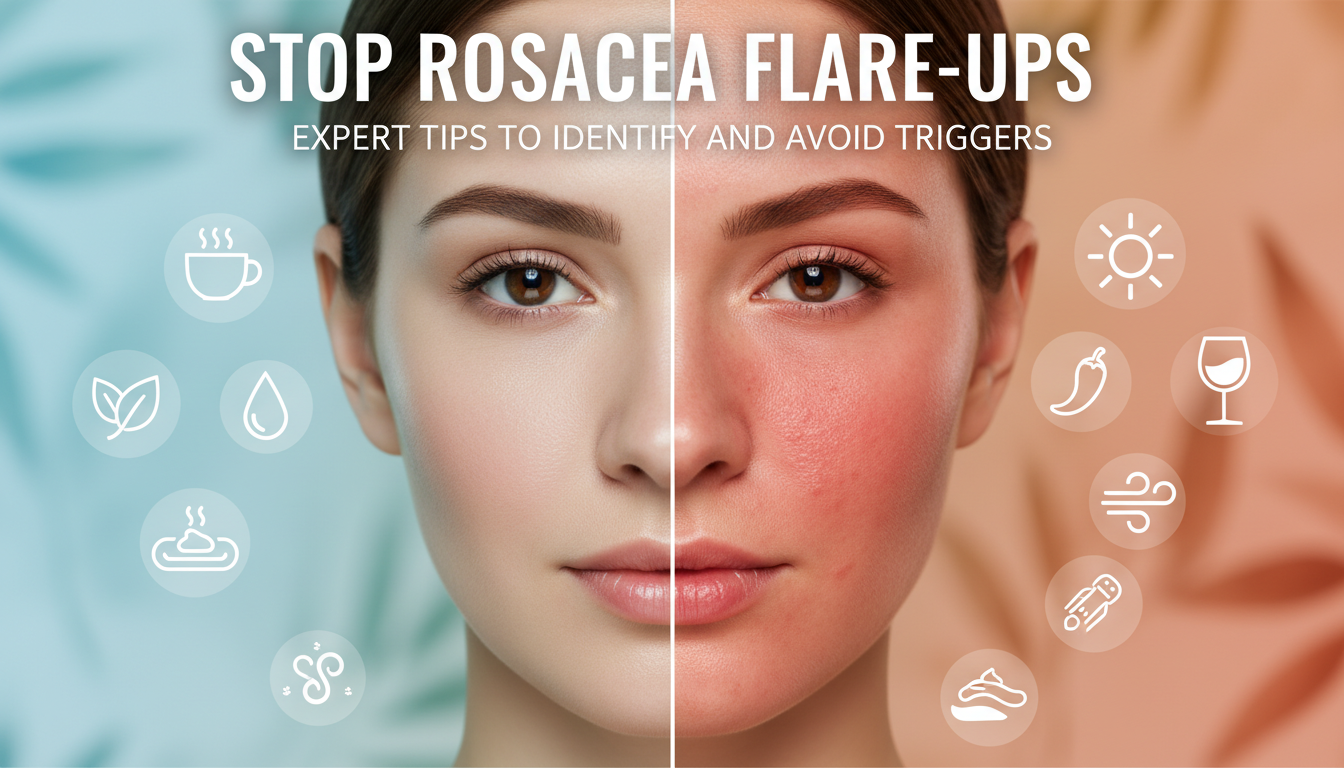
Living with rosacea often feels like a constant balancing act. One day your skin is calm, and the next, a sudden flush transforms into a persistent flare-up of redness, visible blood vessels, or small, pus-filled bumps. Because rosacea is a chronic inflammatory condition, there is no one-size-fits-all “cure,” but there is a powerful path to management: trigger identification.
The key to regaining control over your complexion lies in understanding that rosacea is highly reactive. By learning to pinpoint the specific environmental, dietary, and lifestyle factors that irritate your skin, you can significantly reduce the frequency and severity of episodes. This guide explores expert-backed strategies to help you navigate your triggers and maintain a clearer, more comfortable glow.
Understanding the Common Categories of Rosacea Triggers
While everyone’s skin is unique, most rosacea triggers fall into a few primary categories. Understanding these can help you narrow down what might be causing your specific flare-ups.
Environmental Exposures
The environment is perhaps the most common source of irritation for rosacea patients. The skin barrier in those with rosacea is often compromised, making it hypersensitive to external changes.
- Sun Exposure: UV radiation is the number one trigger for the vast majority of people. Even a few minutes of unprotected sun can cause a “flush” that lasts for days.
- Temperature Extremes: Both intense heat (saunas, hot baths) and biting cold (winter wind) can cause the blood vessels to dilate rapidly.
- Humidity and Wind: High humidity can lead to overheating, while strong winds can strip the skin of its protective oils, leading to inflammation.
Dietary Influences
What you consume can have a direct impact on the dilation of facial blood vessels. This is often referred to as “gustatory flushing.”
- Spicy Foods: Compounds like capsaicin can trigger heat receptors, causing immediate redness.
- Alcohol: Red wine, in particular, is a notorious trigger, though any alcohol can cause vasodilation.
- Hot Beverages: Sometimes it isn’t the caffeine in coffee or tea, but the literal temperature of the liquid that triggers a flare.
- Cinnamaldehyde-containing foods: This includes tomatoes, citrus fruits, and chocolate, which some studies suggest can cause a reaction in certain patients.
Lifestyle and Emotional Factors
Our internal state is just as important as our external environment. Stress and physical exertion are major contributors to the “rosacea cycle.”
- Emotional Stress: Anxiety or anger can trigger a neurovascular response, leading to a visible flush.
- Intense Exercise: While movement is healthy, high-intensity workouts that cause significant overheating often lead to flares.
- Skincare Ingredient Education: Harsh exfoliants, fragrances, and alcohols in cosmetic products can cause “contact dermatitis” flares in rosacea-prone skin.
How to Identify Your Personal Triggers
Because triggers are highly individual—what affects one person may not affect another—the most effective tool at your disposal is a Rosacea Diary. For two to four weeks, track your daily activities, meals, weather conditions, and skin status.
To make your diary effective, note the following each day:
- Foods and drinks consumed (especially spicy items or alcohol).
- Weather conditions (sunny, windy, cold).
- New skincare or laundry products.
- Stress levels on a scale of 1-10.
- The severity of your redness or bumps that evening.
Over time, patterns will emerge. You might notice that your skin only flares up two days after drinking red wine, or that your morning jog is only a problem when the temperature is above 70°F.
Expert Tips for Avoiding and Managing Flares
Once you have identified your triggers, the goal shifts to mitigation. You don’t necessarily have to give up everything you love; instead, you can learn to modify your behavior.
Master the Art of Gentle Skincare
A “less is more” approach is essential. Avoid scrubs, toners containing alcohol, and harsh “anti-aging” acids during a flare. Stick to a pH-balanced, fragrance-free cleanser and a moisturizer rich in ceramides to help repair the skin barrier. Always patch-test new products on your jawline for 48 hours before full-face application.
Use “Strategic” Sun Protection
Since the sun is a primary trigger, daily SPF is non-negotiable. However, chemical sunscreens can sometimes sting. Look for mineral (physical) sunscreens containing Zinc Oxide or Titanium Dioxide. These sit on top of the skin and reflect UV rays without generating heat on the skin’s surface.
Modify Your Workout Routine
Don’t stop exercising, but do it smarter. Try exercising in a climate-controlled room, keep a cold towel around your neck, and sip ice water throughout your workout to keep your internal temperature low. Shortening the intensity and increasing the duration can also help prevent overheating.
Table: Trigger Modification Strategies
| Trigger | The Modification | The Benefit |
|---|---|---|
| Hot Coffee | Iced Coffee or lukewarm temperature. | Reduces heat-induced vasodilation. |
| Spicy Food | Use herbs (cilantro, oregano) instead of peppers. | Avoids capsaicin-related flushing. |
| Winter Wind | Wear a silk scarf over the lower face. | Protects the skin barrier from moisture loss. |
| Stress | 5-minute daily meditation or deep breathing. | Calms the nervous system response. |
Pros and Cons of Different Rosacea Management Approaches
Managing rosacea usually involves a combination of lifestyle changes and medical intervention. Here is a look at the trade-offs of the most common approaches.
Trigger Avoidance (Lifestyle)
- Pros: No side effects, cost-effective, empowers the patient, and improves overall health.
- Cons: Can be restrictive or socially difficult (e.g., avoiding certain foods at dinner parties), requires high discipline.
Topical Prescriptions (Metronidazole, Azelaic Acid, Ivermectin)
- Pros: Directly targets inflammation and kills Demodex mites (a potential cause), well-studied for safety.
- Cons: Can take 4–12 weeks to show results, may cause initial dryness or stinging.
Laser and Light Therapy (IPL/Vbeam)
- Pros: Highly effective at removing visible blood vessels (telangiectasia) and reducing permanent redness.
- Cons: Expensive, not typically covered by insurance, requires multiple sessions, and does not prevent new vessels from forming if triggers aren’t managed.
Frequently Asked Questions
Can rosacea go away permanently?
Currently, there is no permanent cure for rosacea, but it can be managed into long-term remission. By strictly avoiding triggers and following a dermatologist-approved skincare regimen, many people go months or even years without a significant flare-up.
Is coffee a universal trigger for rosacea?
Not necessarily. While coffee was once thought to be a major trigger, recent research suggests that the heat of the beverage is more likely the culprit than the caffeine itself. In fact, some studies have shown that caffeine may actually have a slight protective effect due to its vasoconstrictive properties, provided it is consumed cold.
Why does my rosacea get worse as I age?
Rosacea is often progressive. If left untreated, the redness can become permanent as blood vessels lose their ability to constrict. Additionally, the skin naturally thins as we age, making the underlying inflammation and vessels more visible. This is why early intervention and trigger management are so critical.
Can stress really cause a physical flare-up?
Yes. The skin and the nervous system are closely linked. Stress triggers the release of certain chemicals in the body, such as neuropeptides and cytokines, which can cause blood vessels to dilate and increase skin inflammation. Practicing stress-reduction techniques is a legitimate part of a rosacea treatment plan.
What is the best moisturizer for rosacea?
The “best” moisturizer is one that is “non-comedogenic” (won’t clog pores) and “hypoallergenic.” Look for ingredients like ceramides, hyaluronic acid, and niacinamide, which help strengthen the skin barrier and soothe irritation. Avoid anything with added perfumes, menthol, or eucalyptus.
—
Topic: Rosacea triggers and how to avoid them
Tags: #Stop #Rosacea #FlareUps #Expert #Tips #Identify #Avoid #Triggers