
Seeing enlarged pores on the nose is one of the most common skincare concerns. Whether you are looking in a magnifying mirror or noticing them in photos, those tiny “pinpricks” can feel like a major focal point. While biological pores are a necessary part of your skin’s function—allowing sebum and sweat to reach the surface—their appearance can be significantly minimized with the right approach.
To effectively address large nose pores, you must understand that you cannot “close” them like a window. However, you can prevent them from stretching, clear out the debris that makes them look larger, and improve the skin’s elasticity to make them appear virtually invisible. Here is the dermatologist-approved guide to refining your skin texture.


Why Do Pores Look Larger on the Nose?
The nose is part of the “T-zone,” an area characterized by a higher concentration of sebaceous glands. These glands produce sebum (oil) to protect the skin. When these glands are overactive, the excess oil mixes with dead skin cells, creating a plug. This plug oxidizes and hardens, forming a blackhead or a sebaceous filament, which physically stretches the pore opening.
Other factors that contribute to visible pores include:
- Genetics: Your DNA largely determines your skin type and pore size.
- Aging: As we lose collagen and elastin, the walls of the pores lose their structural support and “gape” open.
- Sun Damage: UV rays break down the collagen that keeps pores tight.
- Congestion: Heavy makeup or improper cleansing leads to buildup.
The Gold Standard Ingredient Education for Pore Refinement
Dermatologists consistently recommend a specific set of active ingredients to target the root causes of enlarged pores. Incorporating these into your routine can yield visible results within 4 to 8 weeks.
Salicylic Acid (BHA)
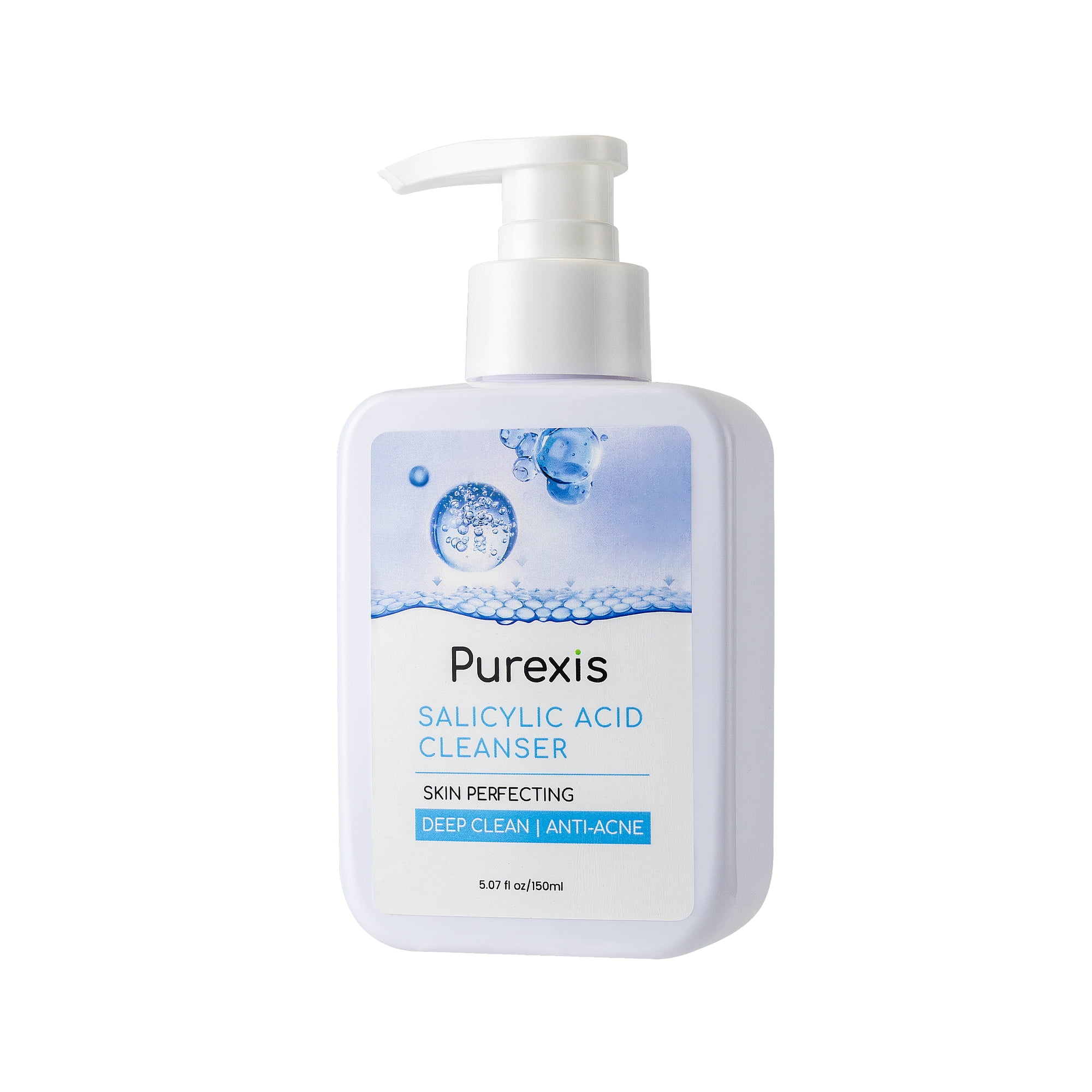
Unlike Alpha Hydroxy Acids (AHAs) which work on the surface, Salicylic Acid is oil-soluble. This allows it to penetrate deep inside the pore lining to dissolve the “glue” holding oil and dead skin together. Using a 2% BHA liquid exfoliant 2–3 times a week is often the most effective way to keep nose pores clear.
Retinoids and Retinol
Retinoids are the heavy hitters of dermatology. They increase cell turnover and stimulate collagen production. By strengthening the skin’s foundation, retinoids prevent pores from sagging and becoming more visible. If you are new to retinoids, start with a low-percentage over-the-counter retinol before moving to prescription-strength options like Tretinoin.
Niacinamide (Vitamin B3)
Niacinamide is a versatile ingredient that helps regulate oil production. When the skin produces less oil, the pores are less likely to become congested and stretched. It also improves the skin barrier, leading to a smoother overall complexion.
A Step-by-Step Skincare Routine to Minimize Pores
Consistency is more important than potency when it comes to pore care. Follow this framework to maintain a clear T-zone:
- The Double Cleanse: Start your evening routine with an oil-based cleanser or balm. Oil dissolves oil; this step helps lift stubborn sunscreen and sebum from the nose. Follow with a gentle, water-based cleanser.
- Targeted Exfoliation: Apply a BHA treatment specifically to the nose and surrounding areas. This prevents the formation of blackheads.
- Hydration (Not Heavy Moisture): Many people with large pores skip moisturizer, fearing it will clog them. This backfires, as dehydrated skin produces more oil to compensate. Use a lightweight, “non-comedogenic” gel-based moisturizer.
- Daily SPF: Sun protection is non-negotiable. Protecting your collagen is the only way to prevent pores from enlarging permanently due to structural loss.
Comparison of Popular Pore Advanced Treatments
Not all treatments are created equal. The following table summarizes how common interventions stack up against each other.
| Treatment | How It Works | Best For |
|---|---|---|
| BHA Exfoliants | Dissolves deep-seated oil. | Blackheads and active congestion. |
| Clay Masks | Absorbs surface oil temporarily. | Weekly maintenance for oily skin. |
| Retinol | Builds collagen and speeds turnover. | Long-term pore tightening and anti-aging. |
| Professional Peels | High-strength chemical resurfacing. | Significant texture issues and stubborn debris. |
Professional Dermatological Procedures
If topical treatments aren’t providing the level of refinement you desire, professional clinical treatments can offer more dramatic results. These should always be performed by a licensed professional.
Chemical Peels
Professional-grade peels (using trichloroacetic acid or high-strength salicylic acid) remove the top layers of skin, allowing fresh, tighter skin to surface. This significantly reduces the “pitted” appearance of nose pores.
Microneedling
Microneedling creates controlled micro-injuries in the skin, triggering a massive healing response. The resulting boost in collagen fills in the areas around the pores, making them appear much smaller and more refined.
Laser Resurfacing
Fractional lasers or Clear + Brilliant treatments target the deeper layers of the dermis. These are highly effective for “permanent” pore refinement by rebuilding the skin’s internal architecture.
Pros & Cons of Pore-Minimizing Strategies
Managing expectations is key to a successful skincare journey. Here are the advantages and drawbacks of standard pore-minimizing approaches.
Pros
- Improved Texture: Most treatments also address acne, fine lines, and dullness.
- Preventative Care: Keeping pores clear now prevents permanent “pitting” later in life.
- Confidence Boost: Smoother skin leads to better makeup application and a more radiant natural look.
Cons
- Time Commitment: You won’t see results overnight; most ingredients take 4–12 weeks to show progress.
- Potential Irritation: Over-exfoliating or using too much retinol can lead to redness and peeling.
- Temporary Nature: Pores will always produce oil; if you stop your routine, they will likely become visible again.
Frequently Asked Questions
Can I actually shrink my pores permanently?
Technically, no. You cannot change the biological size of your pores permanently through topical creams alone. However, you can make them appear much smaller by keeping them clear and boosting the surrounding collagen. Only certain laser treatments can offer a more “permanent” structural change.
Do pore strips actually work?
Pore strips provide instant gratification by pulling out sebaceous filaments, but they are a temporary fix. They can also be quite abrasive and may cause broken capillaries on the nose if used too frequently. Chemical exfoliants like BHA are a safer and more effective long-term solution.
Does cold water “close” pores?
This is a common myth. Pores do not have muscles, so they cannot open or close like doors. Cold water may slightly reduce inflammation or puffiness, which can make pores look marginally smaller for a few minutes, but it does not change their size.
Is it okay to squeeze my nose pores?
Dermatologists strongly advise against “skin picking” or squeezing. This can damage the pore wall, leading to permanent scarring or “ice pick” scars that are much harder to treat than a simple enlarged pore. It can also introduce bacteria, leading to infections.
How often should I use a clay mask?
For most skin types, once a week is sufficient. Clay masks are excellent for soaking up excess oil, but using them too often can strip the skin, leading to irritation and a paradoxical increase in oil production.
—
Topic: How to minimize large pores on nose
Tags: #Minimize #Large #Nose #Pores #DermatologistApproved #Skincare #Tips