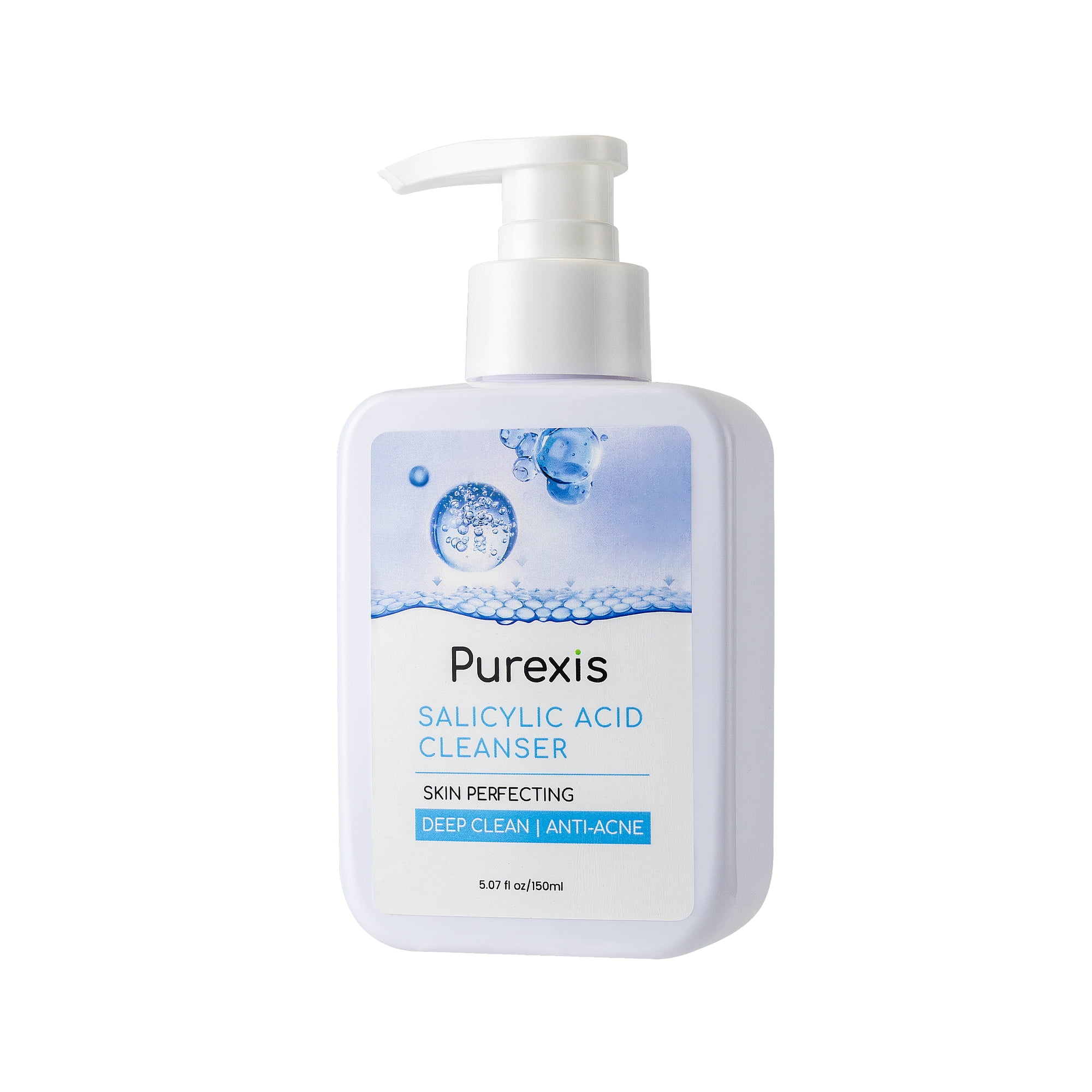
Navigating the skincare aisle can feel like deciphering a complex scientific journal, especially when you are staring down the two heavyweights of acne treatment: Salicylic Acid and Benzoyl Peroxide. Both are FDA-approved, readily available over-the-counter, and clinically proven to clear skin. However, they work in fundamentally different ways.
Choosing the wrong one won’t just leave your breakouts untouched; it can lead to compromised skin barriers, excessive peeling, or increased sensitivity. To find your “dermatologist’s choice,” you must first understand the specific biology of your breakouts and how these two ingredients interact with your skin’s unique chemistry.
Understanding Salicylic Acid: The Pore Specialist
Salicylic acid is a Beta Hydroxy Acid (BHA) derived from willow bark. In the world of dermatology, it is classified as a keratolytic, meaning it softens and dissolves keratin—the “glue” that holds dead skin cells together.
What sets Salicylic Acid apart is its lipophilic (oil-loving) nature. Unlike Alpha Hydroxy Acids (AHAs) which are water-soluble, Salicylic Acid can penetrate through the skin’s sebum to reach deep inside the pore. This makes it the gold standard for treating non-inflammatory acne, such as blackheads and whiteheads.
How It Works:
- Exfoliation: It sheds the lining of the pore to prevent clogs.
- Oil Control: It helps slow down excess sebum production.
- Anti-inflammatory: It shares a chemical lineage with aspirin, providing a calming effect on mild redness.
Understanding Benzoyl Peroxide: The Bacteria Fighter
If Salicylic Acid is a vacuum for your pores, Benzoyl Peroxide is an antibacterial shield. It is an organic compound that works by introducing oxygen into the pores. Since the bacteria responsible for acne (Cutibacterium acnes) cannot survive in an oxygen-rich environment, Benzoyl Peroxide effectively neutralizes them on contact.
Dermatologists often recommend Benzoyl Peroxide for inflammatory acne—the painful, red, pus-filled bumps known as papules and pustules. Unlike antibiotics, bacteria do not develop a resistance to Benzoyl Peroxide, making it a reliable long-term option for many patients.
How It Works:
- Bactericidal Action: It kills 99% of acne-causing bacteria within 48 hours.
- Comedolytic Properties: It helps peel away dead skin cells to clear existing blockages.
- Deep Cleansing: It works quickly to reduce the size and redness of active “angry” pimples.
Salicylic Acid vs. Benzoyl Peroxide: At a Glance
To help you decide which ingredient fits your current skin concerns, refer to the comparison table below:
| Feature | Salicylic Acid (BHA) | Benzoyl Peroxide |
|---|---|---|
| Primary Target | Clogged pores, blackheads, texture | Infected bumps, pustules, cysts |
| Skin Type | Oily, combination, sensitive | Oily, resilient, acne-prone |
| Mechanism | Deep pore exfoliation | Kills bacteria via oxygenation |
| Common Strengths | 0.5% to 2.0% | 2.5% to 10% |
| Main Side Effect | Mild dryness/stinging | Peeling, redness, bleaching fabrics |
The Dermatologist’s Choice: Which One Should You Use?
Dermatologists rarely pick a “universal winner.” Instead, the choice is dictated by the type of acne you are experiencing. Using the wrong tool for the job is a common reason why many people feel their skincare routine is failing.
Choose Salicylic Acid If:
You struggle with “congested” skin. If your primary concerns are small, flesh-colored bumps (closed comedones), blackheads on the nose, or enlarged pores, Salicylic Acid is your best bet. It is also generally more tolerated by those with sensitive skin or conditions like rosacea, as it doesn’t cause the intense oxidative stress that Benzoyl Peroxide can.
Choose Benzoyl Peroxide If:
You have “angry” acne. If you wake up with red, swollen, or painful pimples, you need the antibacterial power of Benzoyl Peroxide. It is also the preferred choice for “body acne” (back or chest) because the skin on the body is thicker and more resilient to its drying effects.
Pros and Cons
Salicylic Acid
Pros
- Excellent for refining skin texture and reducing pore size.
- Safe for most skin types, including sensitive skin.
- Does not bleach hair or clothing.
- Can be used in leave-on toners or daily cleansers.
Cons
- Not very effective at killing the bacteria that cause deep cystic acne.
- Can cause “purging” (initial breakouts) as it clears out deep-seated clogs.
Benzoyl Peroxide
Pros
- Works significantly faster on inflammatory pimples (often overnight).
- No bacterial resistance—remains effective over years of use.
- Available in various forms, including spot treatments and creamy washes.
Cons
- Can bleach towels, pillowcases, and even eyebrows or hair.
- Often causes significant dryness, flaking, and redness during the first two weeks.
- Increases sun sensitivity (photosensitivity).
Can You Use Both Together?
The short answer is yes, but with extreme caution. Using both simultaneously in the same step of your routine is a recipe for a chemical burn and a damaged moisture barrier. However, a “Dermatologist’s Choice” approach often involves strategic alternating.
For example, you might use a Salicylic Acid cleanser in the morning to keep pores clear and a Benzoyl Peroxide spot treatment in the evening to target active infections. Alternatively, use them on different days. This “skin cycling” approach allows you to reap the benefits of both ingredients while giving your skin time to recover and hydrate.
Frequently Asked Questions
Which is better for hormonal acne?
Hormonal acne often manifests as deep, painful cysts along the jawline. Benzoyl Peroxide is generally more effective here because it targets the bacteria that thrive in the deep, oily environment of a hormonal breakout. However, severe hormonal acne often requires prescription-strength retinoids or oral medications alongside these ingredients.
Does Benzoyl Peroxide age the skin?
Because Benzoyl Peroxide works through oxidation, there has been some debate about it causing premature aging. However, when used correctly and paired with a high-quality antioxidant (like Vitamin C or E) and daily sunscreen, there is no clinical evidence to suggest it causes significant premature aging compared to the inflammation of untreated acne.
How long does it take to see results?
Benzoyl Peroxide can show results on a single pimple within 24–48 hours. Salicylic Acid requires more patience; you typically need 4 to 6 weeks of consistent use to see a significant reduction in blackheads and overall pore clarity.
What strength of Benzoyl Peroxide is best?
Studies show that a 2.5% concentration of Benzoyl Peroxide is just as effective as 10% for most people, but with significantly less irritation. Dermatologists usually recommend starting at the lowest percentage and only moving up if your skin doesn’t respond after a month.
Can I use Salicylic Acid while pregnant?
Most dermatologists suggest limiting the use of Salicylic Acid during pregnancy. While small amounts in a wash are generally considered low-risk, many experts recommend switching to Benzoyl Peroxide (in limited amounts) or Azelaic Acid during this time. Always consult your OB-GYN before starting a new active ingredient.
—
Topic: Salicylic acid vs Benzoyl peroxide for acne
Tags: #Salicylic #Acid #Benzoyl #Peroxide #Dermatologists #Choice #Acne