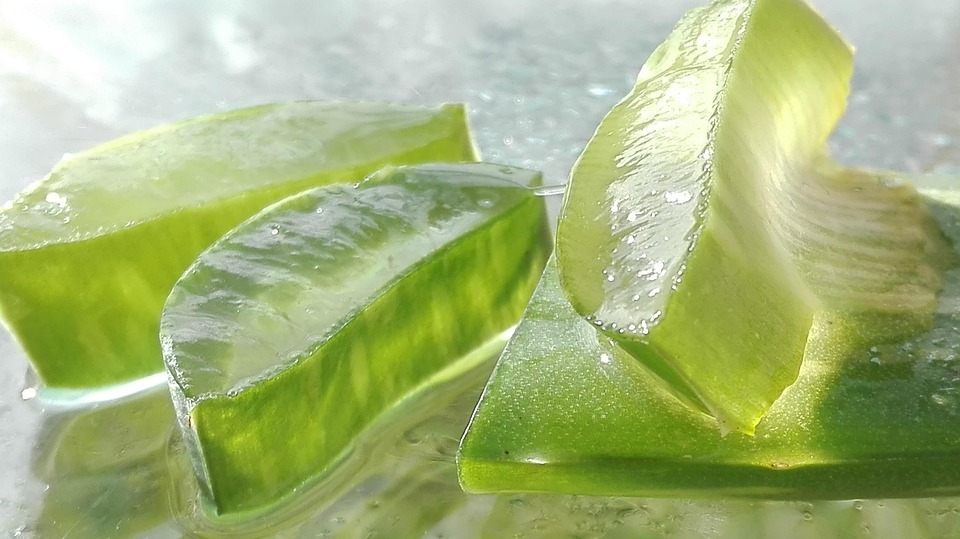
We have all been there: a day at the beach or a long hike that leaves your skin feeling tight, hot, and painfully inflamed. Sunburn is more than just a temporary discomfort; it is a physical manifestation of DNA damage in your skin cells caused by excessive UV radiation. While there are countless after-sun lotions on the market, few substances are as scientifically revered as Aloe barbadensis miller—commonly known as Aloe Vera.
Used for centuries as a “burn plant,” modern dermatology now confirms what ancient healers knew instinctively. Aloe vera gel contains over 75 potentially active constituents, including vitamins, enzymes, minerals, and amino acids that work synergistically to repair the skin barrier. Here are five science-backed benefits of using aloe vera gel for instant sunburn relief and how they help your skin recover at a cellular level.


1. Rapid Reduction of Inflammation
The hallmark of a sunburn is the angry red color and swelling. This is caused by your body’s inflammatory response to UV damage. Aloe vera contains a specific compound called C-glucosyl chromone, along with salicylic acid, which act as natural anti-inflammatory agents.
When applied to a burn, these compounds inhibit the cyclooxygenase pathway, which produces the prostaglandins responsible for pain and swelling. Essentially, aloe works similarly to topical ibuprofen, calming the “fire” in your skin and reducing the visible redness significantly faster than air-drying alone.
2. Deep Hydration through Mucopolysaccharides
UV rays strip the skin of its natural moisture, leading to the characteristic “tight” feeling of a fresh burn. Aloe vera gel is roughly 99% water, but its hydrating power goes beyond mere H2O. It is rich in mucopolysaccharides, which are molecules that help bind moisture into the skin.
These molecules create a protective film on the skin’s surface, preventing further transepidermal water loss (TEWL). By locking in moisture, aloe vera helps the skin maintain its elasticity, which can prevent the severe cracking and discomfort associated with deep burns.
3. Immediate Cooling and Local Anesthetic Effects
One of the most sought-after benefits of aloe vera is the “instant” relief it provides. This cooling sensation isn’t just a placebo. The high water content, combined with its unique gel structure, allows for heat to be drawn away from the skin through evaporation.
Furthermore, aloe contains magnesium lactate, a substance that helps inhibit the histamines produced by the immune system in response to the burn. This reduces the itching and “stinging” sensation, providing a mild anesthetic effect that makes the recovery process much more bearable.
4. Accelerated Collagen Synthesis and Tissue Repair
Beyond soothing the surface, aloe vera actually speeds up the healing process of the dermis. It contains a growth hormone called glucomannan and a plant hormone called gibberellin. These compounds interact with growth factor receptors on the fibroblast (the cells that produce collagen).
Research suggests that when these receptors are stimulated, they increase collagen production and accelerate the contraction of the wound. This means your skin can transition from the “inflamed” stage to the “repair” stage much more efficiently, potentially reducing the duration of the burn.
5. Antibacterial Protection for Compromised Skin
A severe sunburn compromises the skin’s primary function as a protective barrier. When skin peels or blisters, it becomes a gateway for bacteria. Aloe vera contains six antiseptic agents: Lupeol, salicylic acid, urea nitrogen, cinnamonic acid, phenols, and sulfur.
These compounds have inhibitory actions on fungi, bacteria, and viruses. By applying pure aloe vera gel, you are creating a breathable, antiseptic layer that protects your damaged skin from secondary infections while it works to rebuild itself.
Comparing Aloe Vera Sources: Raw Plant vs. Store-Bought Gel
Not all aloe is created equal. When choosing a source for relief, consider the following differences:
| Feature | Raw Plant Gel | Commercial Aloe Gel |
|---|---|---|
| Purity | 100% pure, no additives. | Often contains thickeners or preservatives. |
| Enzyme Activity | Highest; enzymes are “alive” and active. | Lower; heat processing can degrade enzymes. |
| Convenience | Requires harvesting and peeling. | Easy to apply and travel-friendly. |
| Shelf Life | Must be used immediately. | Lasts months due to preservatives. |
Pros and Cons of Using Aloe Vera for Sunburns
Pros
- Natural and Non-Toxic: Pure aloe is safe for most skin types and lacks the harsh chemicals found in synthetic lotions.
- Multi-Functional: It hydrates, heals, and protects all at once.
- Inexpensive: Whether you grow the plant or buy a bottle, it is one of the most cost-effective skin treatments available.
- Non-Greasy: Unlike petroleum-based products, aloe absorbs fully and allows the skin to “breathe” and release heat.
Cons
- Potential for Sensitivity: Some individuals may have a “contact dermatitis” reaction to aloe, particularly the latex found just under the skin of the leaf.
- Alcohol Content in Commercial Gels: Many store-bought “green” gels contain denatured alcohol, which can actually dry out the burn further.
- Not for Deep Wounds: While great for first and mild second-degree burns, it should not be used on severe, open, or third-degree burns without medical supervision.
How to Maximize Sunburn Relief
To get the most out of your aloe vera, follow these professional tips:
- Chill the Gel: Keep your aloe vera gel in the refrigerator. The cold temperature constricts blood vessels and enhances the soothing effect on contact.
- Cleanse First: Gently pat the sunburned area with a cool, damp cloth to remove salt, chlorine, or sand before applying the gel.
- Apply Generously: Do not rub the gel in aggressively. Instead, apply a thick layer and let the skin absorb it naturally.
- Avoid Fragrances: If buying a commercial product, ensure it is “fragrance-free.” Added perfumes can irritate already damaged skin.
Frequently Asked Questions
Does aloe vera stop sunburn from peeling?
While aloe vera cannot always prevent peeling if the DNA damage is severe, it can minimize it. By keeping the skin deeply hydrated and promoting faster cell turnover, it helps the skin heal more “gracefully” and may prevent the premature shedding of skin layers.
How often should I apply aloe vera to a burn?
For the first 24 to 48 hours, you should apply aloe vera as often as needed. Generally, every 2 to 3 hours or whenever the skin begins to feel hot or tight again is recommended.
Can I use aloe vera on my face?
Yes, aloe vera is non-comedogenic, meaning it won’t clog pores. It is excellent for facial sunburns. However, be careful to avoid the eyes, as the enzymes can cause a stinging sensation.
Is the yellow liquid in the aloe plant safe?
No. When cutting a fresh leaf, you may see a yellow sap called aloin (aloe latex). This can be very irritating to the skin. It is best to let the leaf drain vertically for 10 minutes and rinse the clear gel before applying it to a burn.
Should I use aloe vera if my burn is blistering?
You can apply aloe vera around the blisters to soothe the surrounding skin. However, if a blister pops, treat it as an open wound. While aloe has antibacterial properties, you should consult a healthcare provider for severe blistering to prevent infection.
—
Topic: Aloe vera gel benefits for sunburn relief
Tags: #Skincare ScienceBacked #Aloe #Vera #Gel #Benefits #Instant #Sunburn #Relief