
Waking up to a cluster of deep, painful cysts along your jawline or chin is a frustrating experience shared by millions. Often referred to as “the hormonal beard,” chin acne is rarely just a matter of poor hygiene or a missed face wash. Instead, it is a complex physiological response to internal fluctuations.
For many adults, especially women, chin acne acts as a biological barometer for hormonal shifts. Because these breakouts are rooted deep within the dermis, topical “spot treatments” often fall short. To achieve lasting clarity, you need a strategy that addresses both the external symptoms and the internal drivers. This guide breaks down dermatologist-recommended protocols to reclaim your skin.


Why Does Acne Target the Chin?
The lower third of the face—the chin and jawline—is densely populated with sebaceous (oil) glands. These glands are particularly sensitive to androgens, often called “male” hormones, which both men and women produce. When androgen levels spike or the skin becomes hypersensitive to them, the oil glands overproduce sebum.
This excess oil, combined with dead skin cells, clogs pores and creates an anaerobic environment where C. acnes bacteria thrive. Because this process is driven by internal triggers like the menstrual cycle, stress, or endocrine changes, chin acne often manifests as deep, “blind” pimples that don’t come to a head and feel tender to the touch.
Topical Advanced Treatments: The First Line of Defense
While hormonal acne is internal, your topical routine is essential for managing inflammation and preventing new blockages. Consistency is more important than potency here; it usually takes 8 to 12 weeks to see a significant change in the skin’s texture.
Retinoids: The Gold Standard
Retinoids (like Adapalene, Tretinoin, or Tazarotene) are vitamin A derivatives that speed up cell turnover. They prevent dead skin cells from clogging pores in the first place. For hormonal acne, prescription-strength tretinoin is often the preferred choice for its efficacy in reducing both inflammatory and non-inflammatory lesions.
Benzoyl Peroxide and Salicylic Acid
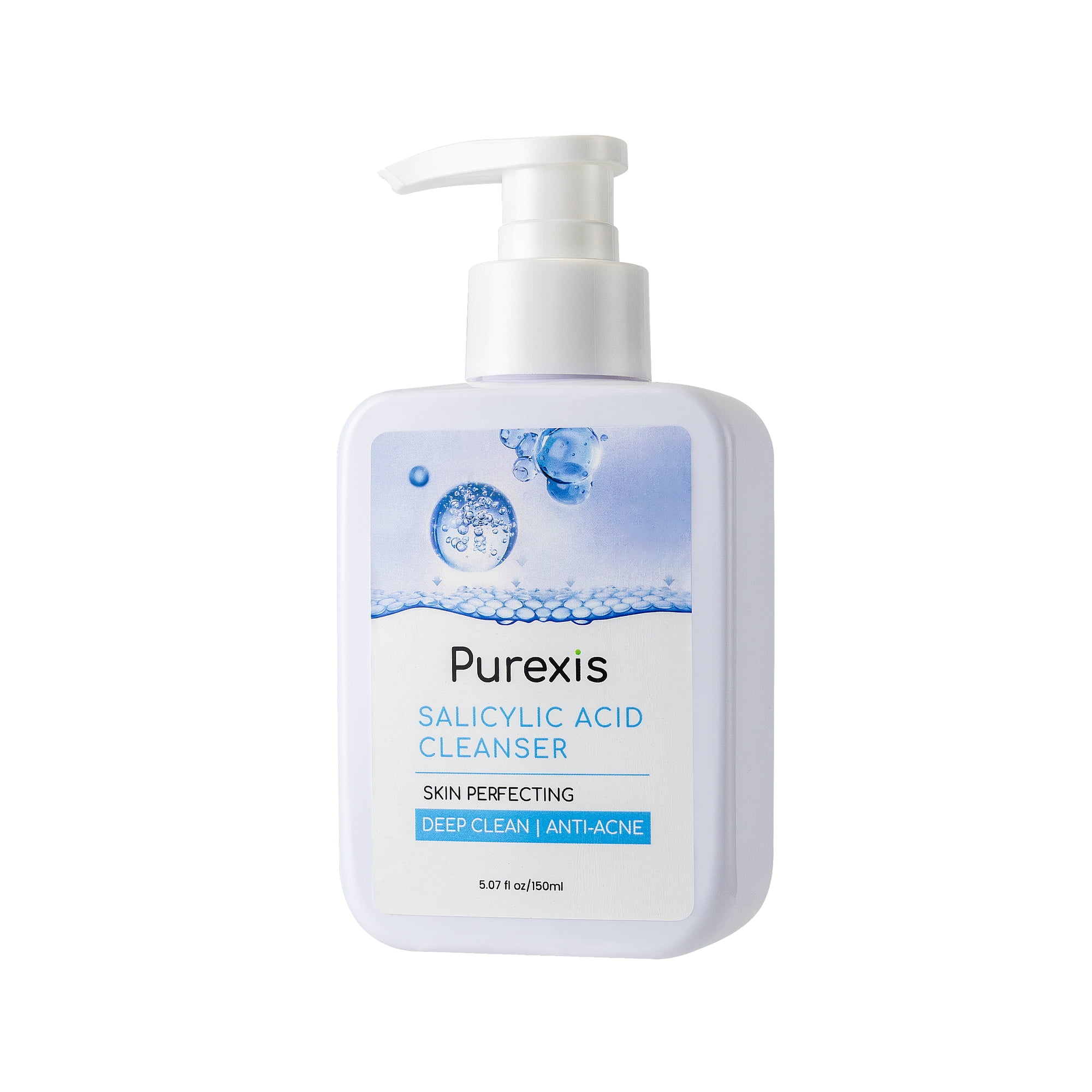
Benzoyl peroxide kills acne-causing bacteria and is highly effective when used as a short-contact wash (leaving it on for 2 minutes before rinsing). Salicylic acid, a beta-hydroxy acid (BHA), is oil-soluble, meaning it can dive deep into the pores to dissolve the “glue” holding clogs together.
Azelaic Acid
Often overlooked, azelaic acid is a powerhouse for hormonal acne. It is antimicrobial, anti-inflammatory, and helps fade the “dark spots” (post-inflammatory hyperpigmentation) that deep chin cysts often leave behind. It is also safe for use during pregnancy, making it a versatile option.
Prescription Interventions for Stubborn Breakouts
When topical creams aren’t enough, dermatologists often look “under the hood” to address the hormonal surges causing the breakouts. Several medical interventions have become the benchmark for adult female acne.
- Spironolactone: Originally a blood pressure medication, low doses of spironolactone act as an androgen blocker. It prevents the oil glands from receiving the “produce more oil” signal.
- Combined Oral Contraceptives: Certain birth control pills are FDA-approved to treat acne. They work by stabilizing hormone fluctuations throughout the month, leading to a significant reduction in cyclical breakouts.
- Winlevi (Clascoterone): This is a newer, FDA-approved topical androgen receptor inhibitor. It provides the hormonal-blocking benefits of spironolactone but in a cream form, making it suitable for both men and women.
Lifestyle and Dietary Adjustments
While diet doesn’t “cause” acne in the traditional sense, certain foods can exacerbate the underlying inflammation or insulin spikes that trigger androgens.
The Insulin-Acne Connection
High-glycemic foods (white bread, sugary snacks, sodas) cause a rapid spike in insulin. High insulin levels can increase IGF-1 (insulin-like growth factor), which stimulates sebum production. Moving toward a diet rich in complex carbohydrates, fiber, and healthy fats can help stabilize these levels.
Dairy and Inflammation
Clinical studies have suggested a link between cow’s milk (especially skim milk) and increased acne severity. This is thought to be due to the natural hormones and bioactive molecules present in dairy. If your chin acne is persistent, consider a 30-day trial of reducing dairy intake to see if your skin responds.
Comparing Treatment Approaches
Choosing the right path depends on the severity of your acne and your medical history. The table below compares common treatment categories.
| Treatment Type | Primary Benefit | Best For… |
|---|---|---|
| Topical Retinoids | Unclogs pores & smooths texture | Mild to moderate congestion |
| Oral Androgen Blockers | Stops oil at the source | Deep, cystic, cyclical acne |
| In-Office Peels | Rapid exfoliation & healing | Fading scars and active clogs |
| Blue Light Therapy | Kills surface bacteria | Reducing active inflammation |
Pros & Cons of Different Treatment Methods
Oral Medications (Spironolactone/Birth Control)
- Pros: Highly effective for “stubborn” cases; treats the root cause; results are often long-lasting.
- Cons: Potential side effects (dizziness, breast tenderness); requires a prescription and monitoring; results can take 3 months to manifest.
Topical Over-the-Counter Solutions
- Pros: Affordable; easy to access; lower risk of systemic side effects.
- Cons: Often insufficient for deep cysts; can cause dryness and irritation if overused.
Professional Procedures (Lasers & Peels)
- Pros: Immediate results for skin texture; excellent for pigmentation.
- Cons: Expensive; requires multiple sessions; can be “too harsh” for sensitive, inflamed skin.
The Role of Stress and Sleep
Stress triggers the adrenal glands to produce cortisol. Along with cortisol, the body releases small amounts of androgens. In someone prone to hormonal acne, this slight increase is enough to send oil glands into overdrive. Prioritizing sleep is equally vital, as this is when the skin undergoes its most intensive repair processes and regulates its inflammatory markers.
Frequently Asked Questions
Why does my chin acne always flare up right before my period?
In the days leading up to your period, estrogen and progesterone levels drop. This makes your testosterone (androgens) relatively higher. This “relative” androgen dominance triggers excess oil production and pore clogging exactly when your period is about to start.
Is it okay to pop a cystic pimple on my chin?
No. Hormonal cysts are deep and often don’t have a “head.” Squeezing them forces the bacteria and debris deeper into the dermis, which increases the risk of scarring and can lead to a secondary infection that lasts much longer than the original bump.
Can men get hormonal chin acne?
Yes. While more common in women due to monthly cycles, men can experience hormonal flares due to fluctuations in testosterone, high stress levels, or even use of certain supplements. Men often respond well to topical retinoids and benzoyl peroxide washes.
How long does it take for hormonal acne to clear up?
Skin cells take about 28 to 40 days to turn over. Therefore, you must give any new treatment at least two to three full cycles (roughly 8 to 12 weeks) before deciding if it is working. Patience is the most underrated part of any clear-skin regimen.
Do “face maps” really prove my chin acne is hormonal?
While traditional face mapping is often debated, modern dermatology generally agrees that the “U-zone” (chin and jawline) is the most common area for adult acne driven by endocrine factors. If your breakouts are localized there, it is highly likely hormones are the primary culprit.
—
Topic: How to treat hormonal chin acne
Tags: #Treat #Hormonal #Chin #Acne #DermatologistBacked #Clear #Skin #Tips