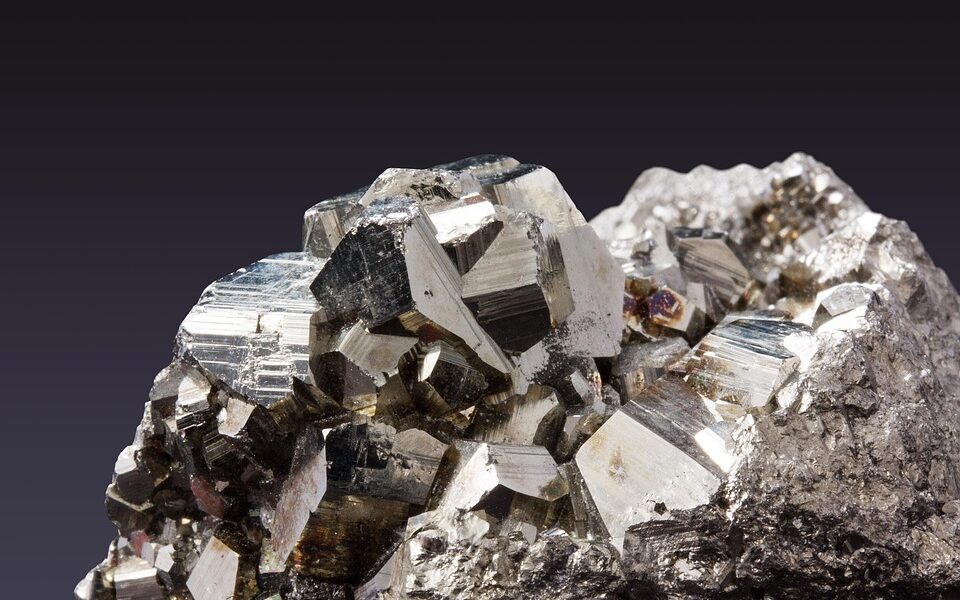
When an active breakout surfaces, the instinct is often to reach for the strongest chemicals available. However, many traditional acne treatments like benzoyl peroxide or high-percentage retinoids can be overly irritating for sensitive or inflamed skin. This is where sulfur—a time-tested, mineral-based ingredient—steps in as a powerhouse alternative.
Sulfur has been used in skincare for centuries, prized for its ability to absorb excess oil, dry out surface-level blemishes, and provide mild antibacterial benefits without the harsh “sting” associated with other acids. Modern formulations have evolved significantly, moving past the pungent odors of the past to provide elegant, effective solutions for cystic acne, whiteheads, and congested pores.


Why Dermatologists Recommend Sulfur for Acne
Sulfur is unique because it is a keratolytic. This means it works by softening and thinning the epidermis, making it easier for dead skin cells to shed rather than clogging the pores. Unlike salicylic acid, which is oil-soluble and dives deep into the pore, sulfur works primarily on the surface to “mop up” sebum and calm redness.
Dermatologists often recommend sulfur masks for patients with:
- Sensitive Skin: It is generally better tolerated than benzoyl peroxide.
- Inflammatory Acne: It helps reduce the redness and swelling of “angry” pimples.
- Seborrheic Dermatitis: Sulfur has antifungal properties that help with flaky, oily skin.
- Rosacea: Its anti-inflammatory nature makes it one of the few acne treatments safe for rosacea-prone individuals.
8 Best Sulfur Masks for Active Breakouts
Based on ingredient efficacy, texture, and dermatological standards, here are the top eight sulfur masks currently available for managing active breakouts.
1. Peter Thomas Roth Therapeutic Sulfur Mask
Widely considered the gold standard of sulfur treatments, this mask contains a maximum OTC strength of 10% sulfur. It is specifically formulated to reach deep into the pores to clear out debris and absorb the oils that lead to future breakouts. It also includes aloe vera to soothe the skin while the sulfur does the heavy lifting.
2. Sunday Riley Saturn Sulfur Spot Treatment Mask
This mask is a favorite for those dealing with hormonal acne. With 10% sulfur, it also incorporates 4% niacinamide to brighten the skin and reduce the look of post-acne marks. It features a unique, “smell-masked” formula that makes the application process much more pleasant than traditional sulfur products.
3. De La Cruz 10% Sulfur Ointment
For those looking for a budget-friendly, no-frills option, this is a cult classic. It contains only two ingredients: sulfur and polyethylene glycol. Because it is oil-free and water-washable, it is highly effective for “fungal acne” (malassezia folliculitis) as well as standard whiteheads.
4. Kate Somerville EradiKate Foaming Mask
If you find traditional clay-based sulfur masks too drying, this foaming version is an excellent alternative. It uses a patented delivery system to provide a flash-action treatment that helps dissolve impurities and prevent future congestion without stripping the skin’s moisture barrier.
5. Dr. Dennis Gross DRx Blemish Solutions Clarifying Mask
This mask utilizes colloidal sulfur to neutralize acne-causing bacteria. What sets it apart is its ability to be used as both a full-face mask and an overnight spot treatment. It is particularly effective at shrinking the size of painful, under-the-skin bumps overnight.
6. Mario Badescu Drying Mask
Ideal for very oily skin types, this formula combines sulfur with calamine and cucumber extract. The calamine provides a cooling, soothing effect that counteracts the heat of an active breakout, while the sulfur works to dry out the blemish itself.
7. Origins Out of Trouble 10-Minute Mask
This is a “rescue” mask designed for skin emergencies. Along with sulfur, it utilizes camphor to provide a tingling, refreshing sensation that wakes up dull skin and zinc oxide to help absorb oils. It is perfect for those days when your skin feels congested and on the verge of a flare-up.
8. Tula Skincare Go Away Acne Spot Treatment
While technically a spot treatment, its creamy consistency allows it to be used as a targeted mask for problem areas like the chin or nose. It blends 5% sulfur with probiotic extracts to help balance the skin’s microbiome, making it a “smarter” way to treat acne without disrupting the skin’s natural defenses.
Product Comparison Table
| Product Name | Sulfur Concentration | Key Benefit | Best For |
|---|---|---|---|
| Peter Thomas Roth | 10% | Maximum strength clearing | Oily/Congested Skin |
| Sunday Riley Saturn | 10% | Anti-inflammatory + Niacinamide | Hormonal Acne |
| De La Cruz Ointment | 10% | Simple, affordable, oil-free | Fungal Acne / Budget |
| Kate Somerville EradiKate | 5% | Foaming, non-stripping | Sensitive Skin |
| Dr. Dennis Gross DRx | Colloidal Sulfur | Overnight spot treatment | Cystic Bumps |
Pros and Cons of Using Sulfur Masks
Pros
- Gentleness: Unlike many acids, sulfur has a lower risk of chemical burns or severe peeling.
- Multitasking: It addresses bacteria, oil, and dead skin cells simultaneously.
- Visible Results: Sulfur is known for its ability to “flatten” a pimple overnight.
- Accessible: Many high-quality sulfur treatments are available over the counter.
Cons
- The Scent: Even with modern masking agents, sulfur naturally has a “rotten egg” smell that can linger.
- Drying Potential: If overused, it can lead to dehydration and flaking.
- Tarnish Jewelry: Sulfur can react with silver, so it is important to remove jewelry before application.
- Staining: Some formulas may discolor light-colored towels or pillowcases.
- Patch Test: Before applying to your entire face, test a small amount on your jawline to ensure no allergic reaction.
- Cleanse First: Always apply the mask to clean, dry skin to ensure the active ingredients can penetrate effectively.
- Timing Matters: Most sulfur masks should only be left on for 10–15 minutes. Leaving them on longer does not increase efficacy but does increase the risk of irritation.
- Hydrate Afterward: Follow up with a lightweight, non-comedogenic moisturizer to replenish any hydration lost during the treatment.
- Frequency: Start with once or twice a week. If your skin tolerates it well, you can increase frequency for spot treating specific areas.
How to Use a Sulfur Mask Safely
To get the most out of your sulfur mask without compromising your skin barrier, follow these best practices:
Frequently Asked Questions (FAQ)
Can I use sulfur and salicylic acid together?
While both are effective, using them at the exact same time can lead to excessive dryness. It is better to alternate days or use a salicylic acid cleanser in the morning and a sulfur mask in the evening.
Why does sulfur smell so bad?
The scent is a natural byproduct of the element itself. While many brands use fragrances or neutralizing agents to hide it, the core chemical structure of sulfur remains the same. If the smell is a dealbreaker, look for “colloidal sulfur” formulas, which tend to be less pungent.
Is sulfur safe for pregnancy?
Sulfur is generally considered one of the safer acne treatments during pregnancy, especially compared to retinoids. However, you should always consult with your OB-GYN or dermatologist before adding new actives to your routine while pregnant.
How long does it take for a sulfur mask to work?
For active whiteheads, you may see a significant reduction in size and redness after just one use. For deeper cystic acne, it may take several applications over the course of a week to see the blemish flatten.
Can sulfur help with acne scars?
Sulfur is excellent for treating active acne and preventing new spots, which indirectly helps prevent scarring. However, it does not have the exfoliating power of AHAs or the cell-turnover benefits of retinoids needed to fade deep, pitted scars or significant hyperpigmentation.
—
Topic: Best sulfur mask for active breakouts
Tags: #Sulfur #Masks #Active #Breakouts #DermRecommended #Picks