
Dealing with a heat rash on your face can be both physically uncomfortable and socially frustrating. Known medically as miliaria, heat rash occurs when your sweat ducts become blocked, trapping perspiration beneath the skin. While often associated with infants or tropical climates, it is a common condition for adults, especially during intense workouts or heatwaves.
When it appears on the face—where the skin is thinner and more sensitive—treatment requires a delicate balance. You need to soothe the inflammation without clogging pores further. This guide provides dermatologist-approved strategies to clear facial heat rash quickly and safely.


Identifying Heat Rash on the Face
Before treating the skin, it is essential to confirm that you are dealing with heat rash rather than acne, rosacea, or an allergic reaction. Facial heat rash typically manifests in three forms:
- Miliaria Crystallina: The mildest form, appearing as small, clear, fluid-filled bumps that look like beads of sweat. They usually don’t itch or hurt.
- Miliaria Rubra: Often called “prickly heat,” this involves red bumps, itching, or a “prickly” sensation. This occurs deeper in the epidermis.
- Miliaria Profunda: A rarer, more chronic form that results in larger, flesh-colored bumps.
Heat Rash vs. Other Facial Conditions
| Feature | Heat Rash (Miliaria) | Acne | Rosacea |
|---|---|---|---|
| Primary Cause | Blocked sweat ducts | Clogged pores (sebum/bacteria) | Vascular/Inflammatory response |
| Sensation | Prickly or stinging | Tenderness or no pain | Burning or flushing |
| Triggers | Heat, humidity, occlusion | Hormones, diet, bacteria | Spicy food, alcohol, sun |
Immediate Steps for Dermatologist-Approved Relief
The primary goal of treating facial heat rash is to cool the skin and allow the sweat glands to “breathe.” Follow these steps as soon as you notice symptoms.
1. Move to a Controlled Environment
The first and most important step is to stop the sweating process. Seek an air-conditioned room or find a spot with a strong breeze. Lowering your core temperature signals to your body to stop producing sweat, which prevents the rash from worsening.
2. Apply Cold Compresses
Dampen a clean, soft washcloth with cool water and apply it to the affected areas for 10–15 minutes at a time. Do not use ice directly on facial skin, as this can cause cold-induced tissue damage or “rebound” flushing.
3. Use a Gentle, Non-Soap Cleanser
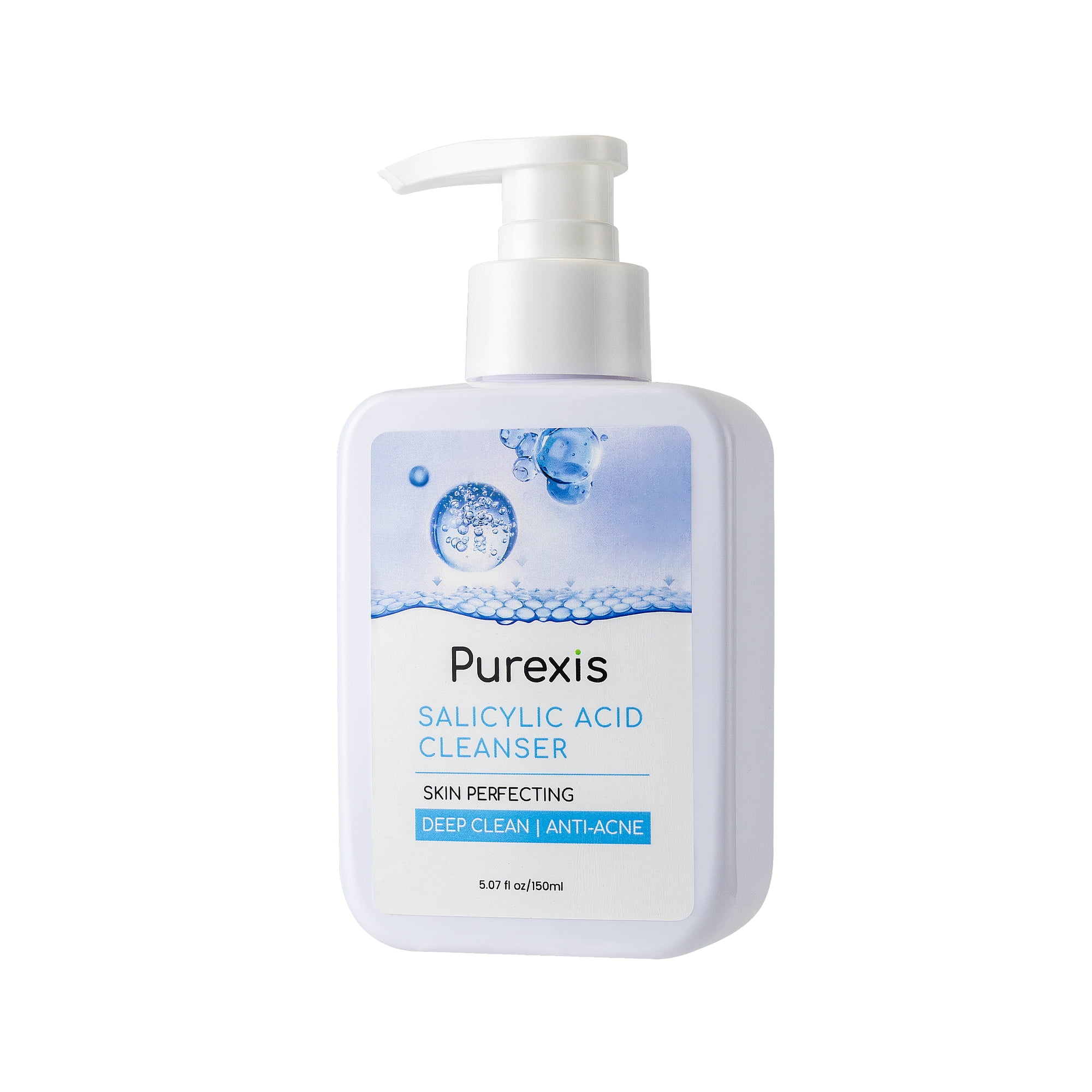
Sweat, salt, and bacteria can irritate the rash. Wash your face with cool water and a fragrance-free, non-comedogenic cleanser. Avoid scrubbing; instead, use your fingertips to gently glide the cleanser over your skin and pat dry with a clean towel.
Effective Topical Advanced Treatments
When home remedies aren’t enough, certain over-the-counter (OTC) and natural topicals can accelerate healing. However, the face requires caution.
Calamine Lotion
Calamine is a classic treatment for prickly heat. It helps soothe itching and has a mild drying effect. Use a cotton swab to spot-treat specific red bumps. Note that calamine can leave a pink residue, so it is often best used in the evening.
Hydrocortisone Cream (Short-Term Use)
For significant inflammation or intense itching, a low-potency (1%) hydrocortisone cream can be used. Expert Caution: Do not use steroid creams on your face for more than 3–5 days without consulting a dermatologist, as they can thin the skin or cause “steroid acne.”
Colloidal Oatmeal
Colloidal oatmeal has anti-inflammatory properties that help repair the skin barrier. You can find facial masks containing oatmeal or make a paste with lukewarm water to soothe the “prickly” sensation.
Aloe Vera Gel
Pure aloe vera gel (free from alcohol and fragrance) provides a cooling effect and reduces redness. Look for 100% pure gel, as many commercial brands contain additives that can sting irritated skin.
What to Avoid When Treating Facial Heat Rash
Treating heat rash is as much about what you *don’t* do as what you do. The face is particularly prone to “occlusion,” where products trap heat and moisture.
- Avoid Heavy Moisturizers: Skip oil-based creams, petroleum jelly (Vaseline), or thick ointments. These will further block your sweat ducts.
- No Physical Exfoliants: Avoid face scrubs, loofahs, or rotating brushes. Friction will aggravate the inflammation and could lead to a secondary infection.
- Skip the Makeup: Foundation and concealer are designed to stay on the skin, which means they can trap sweat underneath. Go “barefaced” until the rash clears.
- Avoid Harsh Actives: Pause your use of Retinoids, Vitamin C serums, and AHAs/BHAs (Salicylic or Glycolic acid) until the skin is no longer red.
Pros and Cons of Common Treatment Methods
Pros and Cons of Heat Rash Advanced Treatments
Home Cooling (Fans/Cold Water)
- Pros: Zero cost; immediate relief; no risk of allergic reaction.
- Cons: Provides temporary relief only; does not treat underlying inflammation.
Over-the-Counter Steroids (Hydrocortisone)
- Pros: Rapidly reduces redness and itching; very effective for “prickly” sensations.
- Cons: Can cause skin thinning or acne if overused; not suitable for long-term facial application.
Natural Soothers (Aloe/Oatmeal)
- Pros: Gentle on sensitive skin; hydrating without being occlusive.
- Cons: Slower results than medicated options; some users may have plant-based sensitivities.
Prevention: How to Stop Facial Heat Rash Before It Starts
If you are prone to miliaria, lifestyle adjustments can prevent future outbreaks during the summer months or intense exercise.
Wear Breathable Fabrics
When exercising or outdoors, wear moisture-wicking fabrics. If you use a headband, ensure it is made of breathable material, as headbands are a frequent cause of heat rash along the hairline and forehead.
Maintain Airflow
Keep a portable fan in your bag if you spend time outdoors. Airflow is the most effective way to ensure sweat evaporates before it can clog your ducts.
Rinse Immediately After Sweating
After a workout or a day in the sun, rinse your face with cool water immediately. This removes the salt and minerals left behind by sweat that can contribute to duct blockage.
When to See a Doctor
Most cases of facial heat rash resolve within 2 to 3 days of cooling the skin. However, you should consult a healthcare professional if:
- The rash is oozing pus or looks “honey-crusted” (signs of infection).
- You develop a fever or chills.
- The bumps feel warm to the touch or show red streaks.
- The rash does not improve after a week of home care.
Frequently Asked Questions
Can I put ice on my face to treat heat rash?
It is better to use a cool compress rather than direct ice. Ice can cause vasoconstriction followed by a “rebound” of blood flow that increases redness, and it may damage the sensitive skin on the face.
How long does heat rash on the face last?
With proper treatment—meaning staying cool and avoiding heavy products—most facial heat rashes will disappear within 48 to 72 hours.
Is it okay to use moisturizer on a heat rash?
Generally, no. You should avoid most moisturizers. If your skin feels excessively dry, use a very lightweight, water-based, oil-free “gel-cream” specifically labeled as non-comedogenic.
Should I pop the little clear bumps?
No. While it may be tempting to “pop” miliaria crystallina, doing so can damage the skin barrier and lead to a bacterial infection. Let them resolve naturally as the skin cools.
Can I wear sunscreen over a heat rash?
Sun protection is vital, but many sunscreens are thick and oily. If you have an active heat rash, stay in the shade or use a “fluid” or “mineral milk” sunscreen that is lightweight and non-clogging. Avoid “sport” sunscreens which are often designed to be water-resistant and can trap sweat.
—
Topic: How to treat heat rash on face
Tags: #Treat #Heat #Rash #Face #DermatologistApproved #Relief