
Finding the best cleanser for combination skin often feels like a constant tug-of-war. On one hand, you have an oily T-zone (forehead, nose, and chin) that attracts breakouts and excess sebum; on the other, you have cheeks and a jawline that feel tight, flaky, or sensitive. Using a harsh foaming cleanser to tackle the oil often leaves the dry areas stripped, while a creamy cleanser designed for dry skin can leave the T-zone feeling greasy and congested.
Why Combination Skin Needs a Specialist Cleanser
Combination skin is not a single skin type, but rather a coexistence of multiple skin behaviors on one face. This happens because the sebaceous glands in your T-zone are more active than those on your periphery. In 2026, skincare science has shifted toward “zonal care” and “barrier-first” formulations. A specialist cleanser for combination skin aims to achieve homeostasis—a state of balance where neither area is over-stripped nor under-cleansed.
When you use a product that isn’t balanced, you risk triggering “reactive seborrhea.” This occurs when you over-dry the skin with harsh sulfates, causing the skin to panic and produce more oil to compensate, which paradoxically leads to more breakouts in your oily zones while the dry zones remain irritated.


Key Ingredients to Look For (and Avoid)
To find the best cleanser for combination skin, you must look past the marketing claims and analyze the ingredient deck. You need a formula that is “intelligent” enough to handle different needs.
The “Balance” Ingredients (The Yes List)
- Hyaluronic Acid & Glycerin: These humectants draw moisture into the dry areas of your skin without adding heavy oils that would clog the T-zone.
- Niacinamide (Vitamin B3): A gold-standard ingredient for combination skin. It helps regulate sebum production in the oily areas while strengthening the skin barrier in dry areas.
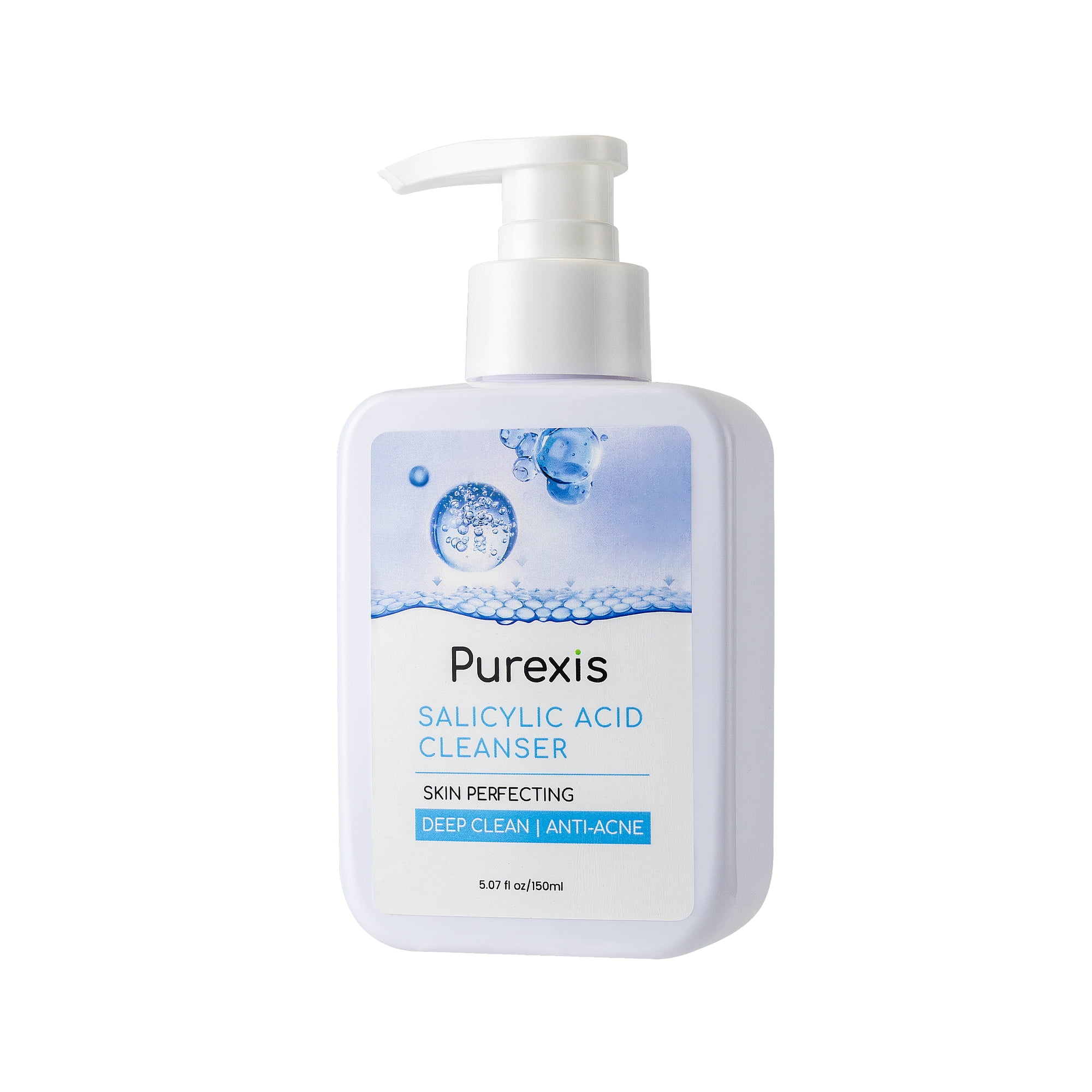
- Salicylic Acid (BHA) in Low Percentages: A gentle BHA (0.5% to 1%) can penetrate oil to clear pores in the T-zone without irritating the cheeks if formulated in a pH-balanced base.
- Ceramides: Essential for maintaining the lipid barrier, ensuring that the dry areas of your face don’t lose moisture during the cleansing process.
- Centella Asiatica (Cica): Great for soothing the redness often found on the cheeks of those with combination skin.
The “Trigger” Ingredients (The Caution List)
- Sodium Lauryl Sulfate (SLS): These harsh surfactants create big bubbles but strip the skin’s natural oils too aggressively.
- High-Concentration Alcohol: Denatured alcohol can provide a “matte” feel initially but leads to long-term dehydration and barrier damage.
- Heavy Mineral Oils: While great for extremely dry skin, these can be too occlusive for an oily T-zone, leading to milia or acne.
Choosing the Right Texture for Your Needs
The delivery system of your cleanser determines how it interacts with your skin’s surface. Depending on your specific balance of oil and dryness, one of these three formats will be your best bet:
1. Gel-to-Milk Cleansers
These are the holy grail for combination skin. They start as a refreshing gel (which effectively cuts through oil) and emulsify into a milky texture upon contact with water (which protects the skin barrier). They provide the deep clean of a gel without the “squeaky clean” feeling that signals dehydration.
2. Low-pH Foaming Cleansers
If your T-zone is significantly oilier than your cheeks, a low-pH (around 5.5) foaming cleanser is ideal. Unlike traditional soaps, these use mild surfactants like Cocamidopropyl Betaine to lift impurities without disrupting the acid mantle.
3. Cream-Gel Hybrids
For those who lean more “dry-combination,” a hybrid texture is best. These feel like a lightweight lotion but rinse clean. They are particularly effective for morning cleanses when you don’t need to remove heavy makeup but want to hydrate the skin for the day ahead.
Step-by-Step: How to Cleanse Combination Skin
How you apply your cleanser is just as important as what is in the bottle. Follow this professional protocol to maximize results:
- The Double Cleanse (PM Only): Start with an oil-based cleanser or micellar water to dissolve SPF and makeup. This prevents you from having to scrub your dry cheeks too hard with your second cleanser.
- The “Zonal” Application: Apply your water-based cleanser to your T-zone first. Massage the forehead, nose, and chin for 30 seconds. Then, lightly spread the remaining product to your cheeks for only 10-15 seconds. This ensures the oily areas get the most attention while the dry areas aren’t over-exposed to surfactants.
- Temperature Control: Use lukewarm water. Hot water strips the natural oils from your cheeks, while ice-cold water can prevent the cleanser from effectively breaking down sebum in the T-zone.
- The Gentle Pat: Never rub your face with a towel. Pat your skin gently, leaving it slightly damp to better absorb your subsequent serums.
Advanced Tips for Balancing Your Complexion
To complement the perfect skincare routine, consider these professional tweaks:
- Multi-Cleansing: If your skin is extremely polarized, don’t be afraid to use two different cleansers. Use a salicylic acid cleanser on your T-zone and a creamy, hydrating cleanser on your cheeks.
- Seasonal Adjustments: Combination skin changes with the weather. In humid summers, you may need a more potent gel cleanser. In dry winters, switch to a hydrating cream-gel to prevent the cheeks from cracking.
- The 60-Second Rule: Ensure you massage your cleanser for a full minute (distributed across the face). This gives the active ingredients, like niacinamide or BHAs, time to actually work on the skin rather than being rinsed away instantly.
Comparing Top 2026 Cleanser Categories
| Cleanser Type | Best For… | Key Benefit | Potential Downside |
|---|---|---|---|
| Gentle Gel | Balanced Combination | Non-stripping clean | May not remove heavy makeup |
| Foaming Low-pH | Oily-leaning Combination | Deep pore purification | Can be drying if overused |
| Hydrating Cream | Dry-leaning Combination | Intense barrier support | Can leave a film on T-zone |
Frequently Asked Questions
1. Can I use the same cleanser in the morning and at night?
While possible, it’s often better to vary. In the morning, a gentle hydrating cleanser is usually sufficient to remove overnight sweat and oils. At night, you need a more thorough cleanse (and likely a double cleanse) to remove pollutants, SPF, and makeup.
2. Should I use a scrub for my oily T-zone?
Physical scrubs can be too abrasive for the dry areas of combination skin. Instead, opt for a chemical exfoliant like a BHA cleanser. This provides the “deep clean” feeling without creating micro-tears in your skin barrier.
3. How do I know if my cleanser is too harsh?
The most obvious sign is the “tight” feeling. If your skin feels like it’s shrinking or itching immediately after you pat it dry, your cleanser is stripping too many lipids. You should feel soft and refreshed, not tight.
4. Is oil cleansing safe for the oily parts of combination skin?
Yes! In fact, oil dissolves oil. Using a lightweight cleansing oil first helps break down hardened sebum in the pores of your T-zone more effectively than water-based cleansers alone, provided you follow up with a water-based cleanser to remove the residue.
5. How often should I change my cleanser?
Your skin’s needs change based on hormones, age, and environment. We recommend reviewing your cleanser every 3-4 months or during seasonal transitions (Spring to Summer, Autumn to Winter) to ensure it still aligns with your skin’s current oil-to-moisture ratio.
For more expert advice on selecting the right products for your specific skin profile, check out the latest research at The American Academy of Dermatology to understand the science of the skin barrier.
Leave a Reply