Managing oily skin feels like a constant battle, but with a clear, science‑backed routine you can tame shine, unclog pores, and maintain a balanced complexion. Below, we break down the most effective steps—each backed by dermatological research—to help you reduce excess oil on face and enjoy a matte, radiant glow.
1. Understand Your Skin Type and Triggers
Before you pick products, identify whether you have normal, combination, or truly oily skin. Oily skin typically shows excess sebum on the T‑zone (forehead, nose, chin) but may be dry elsewhere. Knowing this helps you target the right areas without over‑drying.
- Patch Test: Apply a small amount of any new product on your jawline. Wait 24 hours for irritation before using it on your face.
- Track Triggers: Keep a diary of meals, stress levels, and environmental factors that spike oiliness. Common culprits include sugary foods, hormonal changes, and high humidity.
2. Choose the Right Cleanser
A gentle yet effective cleanser removes sweat, makeup, and excess sebum without stripping the barrier. Look for ingredients like salicylic acid (BHA), niacinamide, or zinc to target oil while maintaining hydration.


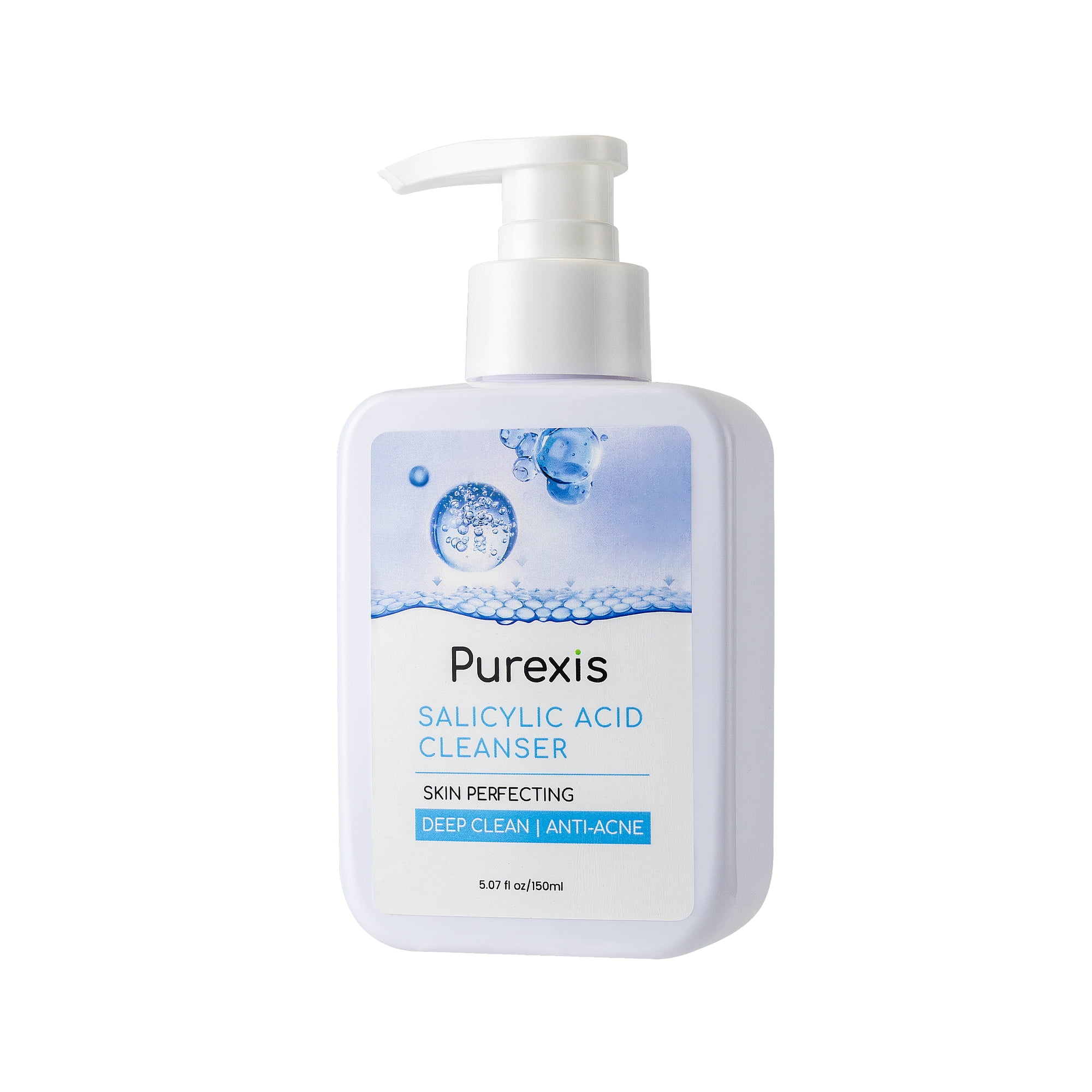
- Morning & Evening: Use lukewarm water; hot water can trigger more oil production.
- Foaming vs. Gel: Gel formulas are ideal for oily skin; avoid creamy or micellar cleansers that can feel heavy.
- Product Example: CeraVe Foaming Facial Cleanser or La Roche‑Posay Effaclar Purifying Gel.
3. Tone and Exfoliate Wisely
Toners help restore pH and prep the skin for subsequent steps. Exfoliation removes dead cells that clog pores, but over‑exfoliation can cause rebound oiliness.
3.1. Choosing a Toner
- Alcohol‑Free: Look for witch hazel or niacinamide‑rich toners that soothe without drying.
- Application: Use a cotton pad or gentle fingertips; avoid rubbing around the eye area.
3.2. Exfoliation Frequency
- Chemical Exfoliants: BHA (salicylic acid) or AHA (glycolic acid) once or twice a week.
- Physical Scrubs: Use sparingly; choose fine, gentle grains to avoid micro‑abrasions.
- Signs of Over‑Exfoliation: Persistent redness, peeling, or increased oil production—cut back to once a month.
4. Moisturize with the Correct Formula
Many think oily skin doesn’t need moisturizer, but dehydration triggers more sebum. Opt for lightweight, water‑based gels or lotions that hydrate without clogging pores.
- Key Ingredients: Hyaluronic acid, glycerin, niacinamide, and ceramides.
- Application Tip: Apply while skin is damp to lock in moisture.
- Night Serum: A niacinamide serum before moisturizer can further regulate oil.
5. Targeted Treatments and Ingredients
Beyond basic skincare, specific ingredients can calm excess oil and improve skin texture.
- Zinc PCA: Reduces sebum production and has antibacterial properties.
- Tea Tree Oil: Natural antiseptic—use in a diluted form (1:10) to avoid irritation.
- Bakuchiol: A plant‑based retinol alternative that can tighten pores and control oil.
- Green Tea Extract: Antioxidant that reduces inflammation and oiliness.
6. Makeup Strategies for Oily Skin
Makeup can either amplify shine or help control it if chosen correctly.
- Primer: Use a mattifying primer with silica or kaolin clay to absorb oil.
- Foundation: Opt for a silicone‑based, oil‑free formula. Powder foundations can be used on top of liquid for extra control.
- Setting Powder: Light dusting of translucent powder after foundation; avoid heavy layers that feel cakey.
- Blotting Papers: Keep a pack in your bag for mid‑day touch‑ups—press gently, do not rub.
7. Lifestyle Factors That Influence Oil Production
What you eat, how you sleep, and how you manage stress all affect sebum production.
- Hydration: 8–10 cups of water daily keeps skin balanced.
- Diet: Low glycemic foods, omega‑3 rich fish, and plenty of fruits/veggies reduce inflammation.
- Sleep: 7–9 hours per night stabilizes hormones that control oil.
- Stress: Practice yoga, meditation, or light exercise to keep cortisol low.
- Hygiene: Change pillowcases weekly; avoid touching your face with dirty hands.
8. When to Seek Professional Advice
Persistent breakouts, severe oiliness, or skin irritation may indicate underlying conditions such as acne vulgaris or seborrheic dermatitis. A dermatologist can prescribe topical retinoids, oral medications, or perform chemical peels for deeper results.
9. DIY Natural Remedies That Work
Home treatments can complement your routine, but always patch test.
- Apple Cider Vinegar Toner: Dilute 1 part ACV with 4 parts water; apply with a cotton pad to balance pH.
- Honey Mask: 1 tbsp raw honey + 1 tsp lemon juice; leave 10 minutes before rinsing—antibacterial and hydrating.
- Clay Mask: Bentonite or kaolin applied 2–3 times weekly to absorb excess oil.
- Green Tea Compress: Steep tea bag, cool, and press on T‑zone for 5 minutes to reduce redness and oil.
10. Sample Daily Routine (Morning & Evening)
Morning: Cleanse → Tone → Light serum (niacinamide) → Moisturizer → Mattifying primer → Foundation (if needed) → Blotting paper.
Evening: Cleanse → Exfoliate (1–2×/week) → Tone → Treatment (e.g., retinoid or BHA) → Moisturizer.
Weekly: Sheet mask with a mattifying effect or a clay mask for deep pore cleansing.
11. Nighttime Rituals for Overnight Oil Control
At night, the skin repairs itself. Use products that calm oil without over‑drying.
- Night Serum: A lightweight niacinamide or bakuchiol serum.
- Oil‑Free Moisturizer: Gel or lotion with ceramides.
- Optional: A 2% salicylic acid serum for acne‑prone zones.
- Sleep Position: Keep pillowcases clean and consider silk pillowcases to reduce friction.
Frequently Asked Questions
- How to reduce excess oil on face: can a heavy moisturizer help? A heavy, occlusive moisturizer can worsen shine. Stick to lightweight, hydrating formulas.
- Does washing face more often reduce oil? Washing twice a day is usually sufficient; over‑washing can irritate the skin and increase oil.
- Can diet really affect oily skin? Yes, a balanced diet low in refined sugars and high in omega‑3s can support healthier skin.
- What’s the difference between mattifying primer and oil‑absorbing powder? Primer provides a base for makeup and a longer‑lasting matte effect, while powder offers a quick, light touch‑up.
- Is it safe to use tea tree oil on the face? Dilute properly and patch test. It can be irritating for some skin types.
Consistency is the secret weapon. By integrating these steps into your daily routine, you’ll find that excess oil on face becomes a manageable, not a permanent, part of your skin’s story. Good luck on your journey to a shine‑free complexion!
For more holistic skincare insights, visit Healthy Skin World.
Leave a Reply