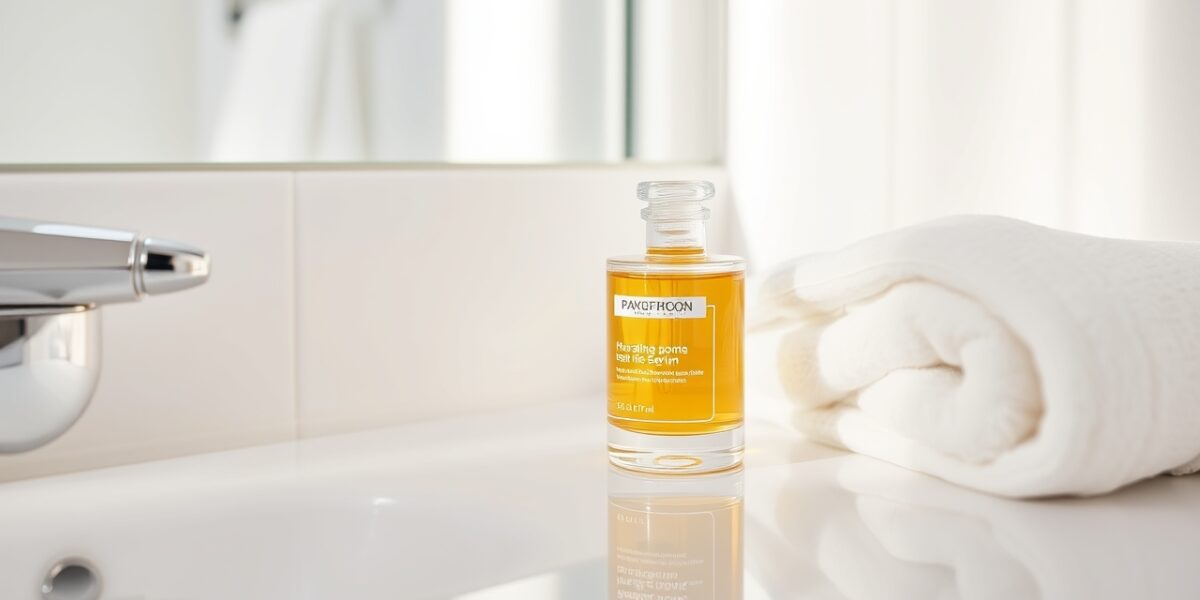
Hyaluronic acid for dry skin has become a staple in many moisturization routines, offering a lightweight yet powerful way to restore moisture balance. Unlike heavy occlusives that simply sit on top of the skin, this powerhouse molecule works from within to transform a dull, flaky complexion into one that looks luminous and feels supple.
Hyaluronic Acid for Dry Skin: Why It Works
When you think of hydration, you might imagine thick creams or oils. Hyaluronic acid (HA), however, operates on a molecular level, drawing water into the skin and holding it there. Because it is a humectant, it can bind to water molecules and create a moisture reservoir that helps the skin feel supple without feeling greasy.
What Is Hyaluronic Acid?
Hyaluronic acid is a naturally occurring glycosaminoglycan found in our connective tissues, eyes, and skin. Its primary role is to maintain structural integrity and lubrication. The most remarkable feature of HA is its capacity to hold up to 1,000 times its weight in water. For more details on its chemical structure, see the hyaluronic acid page.


The Science of Humectants vs. Occlusives
To understand why hyaluronic acid for dry skin is so effective, it is important to distinguish between the types of moisturizers. Humectants, like HA, act as “water magnets,” pulling moisture from the air or deeper layers of the skin into the epidermis. Occlusives, such as petrolatum or shea butter, act as a “seal,” preventing that water from evaporating. For those with chronically dry skin, using a humectant alone isn’t enough; you need the combination of both to truly lock in hydration.
Key Benefits for Dry and Dehydrated Skin
- Rapid Surface Hydration: It provides an immediate plumping effect, making the skin look fresher and more awake.
- Reduction of Transepidermal Water Loss (TEWL): By saturating the skin cells, it creates a more resilient barrier that resists drying out.
- Smoothing Fine Lines: Dehydration lines are often mistaken for permanent wrinkles. HA fills these gaps by adding volume to the dermis.
- Soothing Irritation: Dry skin is often itchy or inflamed. HA helps soothe the skin barrier, reducing redness and sensitivity.
- Synergistic Effects: It works exceptionally well with other humectants like glycerin and panthenol to amplify moisture retention.
Understanding Molecular Weights: Not All HA is Equal
When shopping for hyaluronic acid for dry skin, you will often see terms like “multi-molecular weight” or “low molecular weight.” This is crucial for effectiveness:
High Molecular Weight HA
These larger molecules stay on the surface of the skin. They are excellent for providing an immediate smoothing effect and creating a protective film that prevents moisture from escaping.
Low Molecular Weight HA
Smaller molecules can penetrate deeper into the epidermis. These provide long-term hydration and support the skin’s internal moisture levels, addressing the root cause of dryness rather than just the surface symptoms.
Expert Tip: Look for serums that list multiple forms of HA (e.g., Sodium Hyaluronate, Hydrolyzed Hyaluronic Acid) to ensure you are hydrating every layer of your skin.
How to Incorporate Hyaluronic Acid into Your Routine
Choosing the Right Formulation
Depending on your skin’s needs, you can choose between several delivery systems:
- Serums: Typically contain the highest concentration (0.5% to 2%). These are best for targeted treatment and layering.
- Creams/Lotions: These combine HA with emollients. They are ideal for those who prefer a one-step process or have extremely sensitive skin.
- Sheet Masks: These force the HA into the skin through occlusion, providing an intensive “hydration hit” for special occasions.
Step-by-Step Layering Technique for Maximum Moisture
To avoid the common mistake of HA actually drying out your skin, follow this precise sequence:
- Cleanse: Use a gentle, sulfate-free, non-foaming cleanser. Harsh cleansers strip the natural oils that HA needs to work with.
- Dampen: This is the most critical step. Do not towel-dry your face completely. Leave your skin damp, or mist it with a thermal water spray.
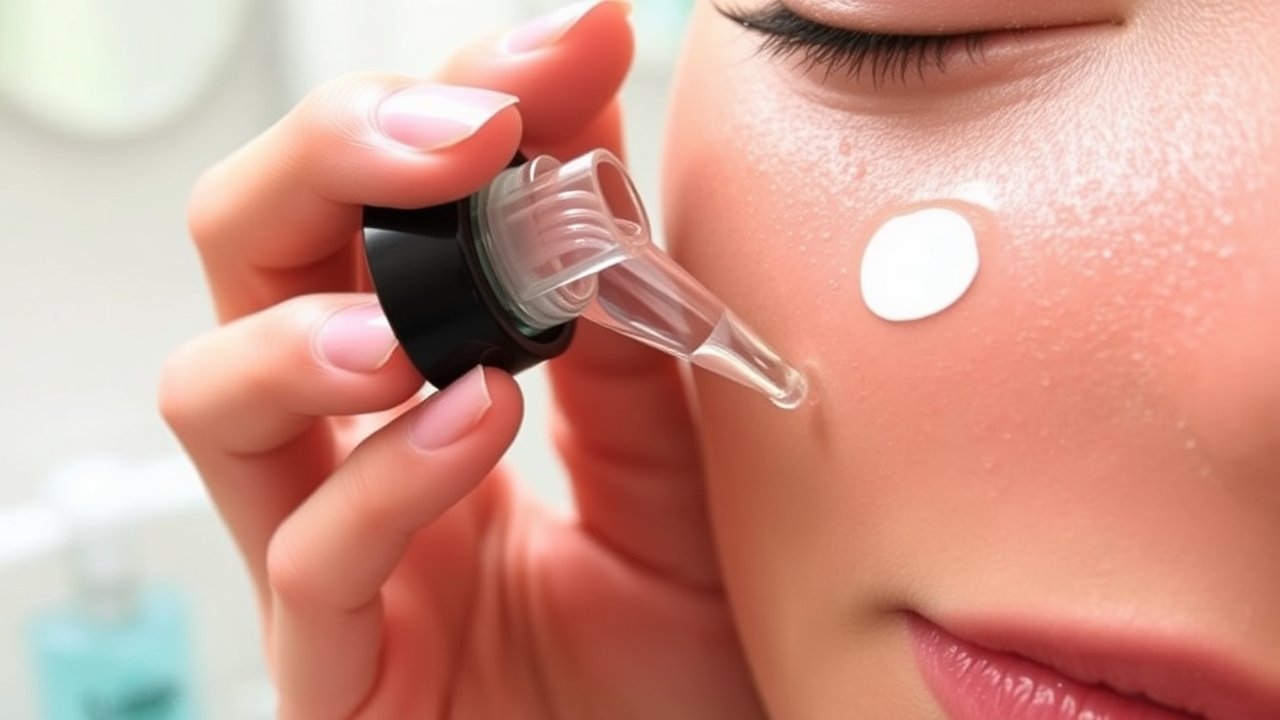
- Apply HA Serum: Apply 2-3 drops of the hydrating serum to your fingertips and press it gently into your skin. Do not rub aggressively; pressing helps the product absorb.
- Seal with Moisturizer: Within 60 seconds of applying the serum, apply a moisturizer containing ceramides, squalane, or fatty acids. This “locks” the water in place.
- Protect: During the day, finish with a broad-spectrum SPF 30+ to prevent UV rays from damaging the skin barrier.
Common Mistakes and How to Avoid Them
Many users complain that hyaluronic acid for dry skin makes their face feel tighter. This is usually due to improper application.
- Applying to Bone-Dry Skin: If there is no moisture on the surface or in the air, HA may pull water out of the deeper layers of your skin, leading to increased dryness. Always apply to damp skin.
- Skipping the Occlusive Layer: HA is a humectant, not a moisturizer. Without a cream on top, the water it attracts will simply evaporate into the air.
- Using Too Much Product: More is not better. Using too much serum can create a sticky film that prevents your moisturizer from absorbing, leading to “pilling” (small balls of product rolling off the skin).
- Ignoring Environmental Humidity: In very dry climates (like desert air or heated winter rooms), HA needs extra help. Use a humidifier in your bedroom to give the HA a source of moisture to draw from.
Complementary Ingredients for Enhanced Hydration
To maximize the results of hyaluronic acid for dry skin, pair it with these powerhouse ingredients:
Ceramides and Fatty Acids
Think of HA as the water in a bucket and ceramides as the bucket itself. Ceramides repair the lipid barrier, ensuring that the hydration provided by HA doesn’t leak out.
Glycerin
Glycerin is a smaller humectant that works in tandem with HA. While HA handles the heavy lifting of water retention, glycerin ensures a smooth, soft texture across the skin’s surface.
Vitamin B5 (Panthenol)
Panthenol is a humectant that also possesses anti-inflammatory properties. When combined with HA, it helps heal cracked or peeling skin while providing deep hydration.
Real-World Scenarios: Morning vs Night
Your skin’s needs change throughout a 24-hour cycle. Here is how to adjust your use of hyaluronic acid for dry skin:
The Morning Glow Routine
Focus on protection and luminosity. Use a lightweight HA serum followed by a gel-cream and a hydrating sunscreen. This prevents the “heavy” feeling under makeup while keeping the skin plump throughout the workday.
The Overnight Recovery Routine
Focus on repair. After a double cleanse, apply a generous layer of HA serum. Follow this with a rich, lipid-heavy night cream or a “sleeping mask.” Since the skin’s permeability increases at night, this is the best time for deep-penetrating low-molecular-weight HA to work its magic.
FAQ
What is hyaluronic acid for dry skin exactly?
It is a powerful humectant—a substance that attracts water. In skincare, it is used to draw moisture from the environment or the deeper layers of the skin into the epidermis, effectively hydrating the skin, reducing flakiness, and improving elasticity.
Can hyaluronic acid for dry skin cause breakouts?
Generally, no. Hyaluronic acid is non-comedogenic, meaning it does not clog pores. However, if you are using a cream-based HA product, the other ingredients (like heavy oils or fragrances) might cause breakouts. Stick to a pure HA serum if you are acne-prone.
How often should I use hyaluronic acid for dry skin?
It is safe and effective for use twice daily. For those with severe dryness, applying it every morning and evening is recommended. If your skin feels tight mid-day, a hydrating mist containing HA can provide a quick refresh.
Is hyaluronic acid for dry skin suitable for sensitive skin?
Yes, HA is naturally found in the body, making it one of the safest ingredients for sensitive skin. However, always check the ingredient list for added alcohols or synthetic fragrances, which are the most common causes of irritation in HA serums.
What concentration of hyaluronic acid is best for dry skin?
Most dermatologists recommend concentrations between 0.5% and 2%. While 2% is the gold standard for many, concentrations higher than that can actually feel sticky and may be less effective because they can begin to draw moisture out of the skin if the environment is dry.
By understanding the science of humectants and mastering the art of layering, hyaluronic acid for dry skin can be the most transformative addition to your beauty regimen, ensuring a glowing, plump, and healthy complexion year-round.
For more professional tips on skin hydration and barrier repair, visit our comprehensive guide on Healthy Skin World.
Leave a Reply