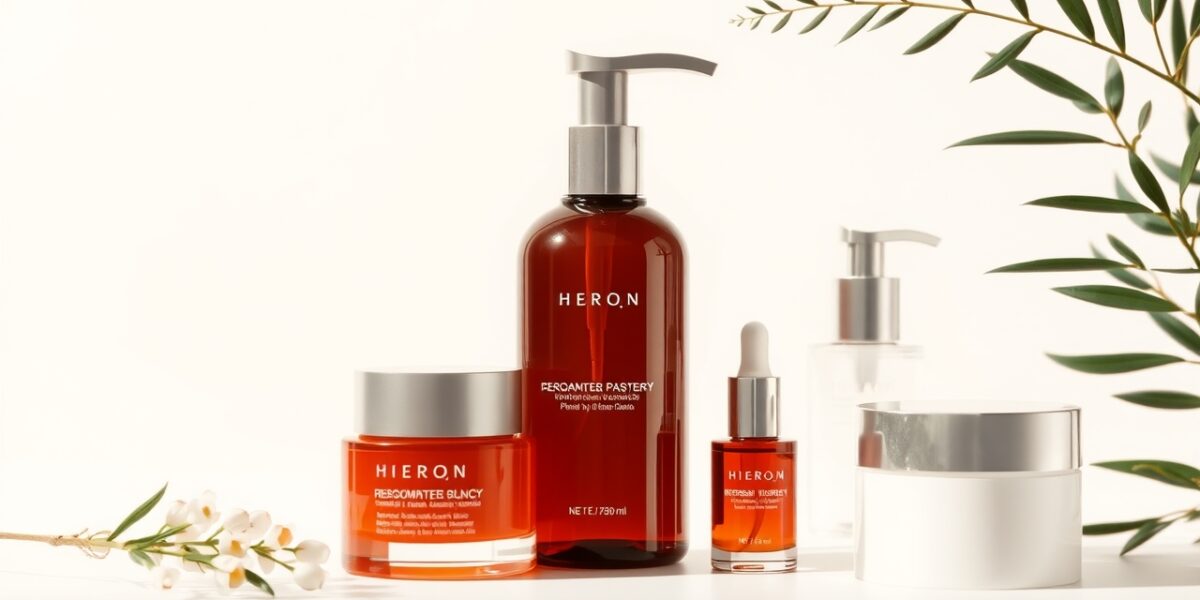
how to repair your skin barrier starts with understanding why it matters. When the outer layer of your skin loses its protective integrity, everyday irritants, allergens, and even the drynessbands of winter can slip through, leaving you with redness, flakiness, or a tight, uncomfortable feeling. The good news? Most barrier issues are reversible with a few mindful changes.
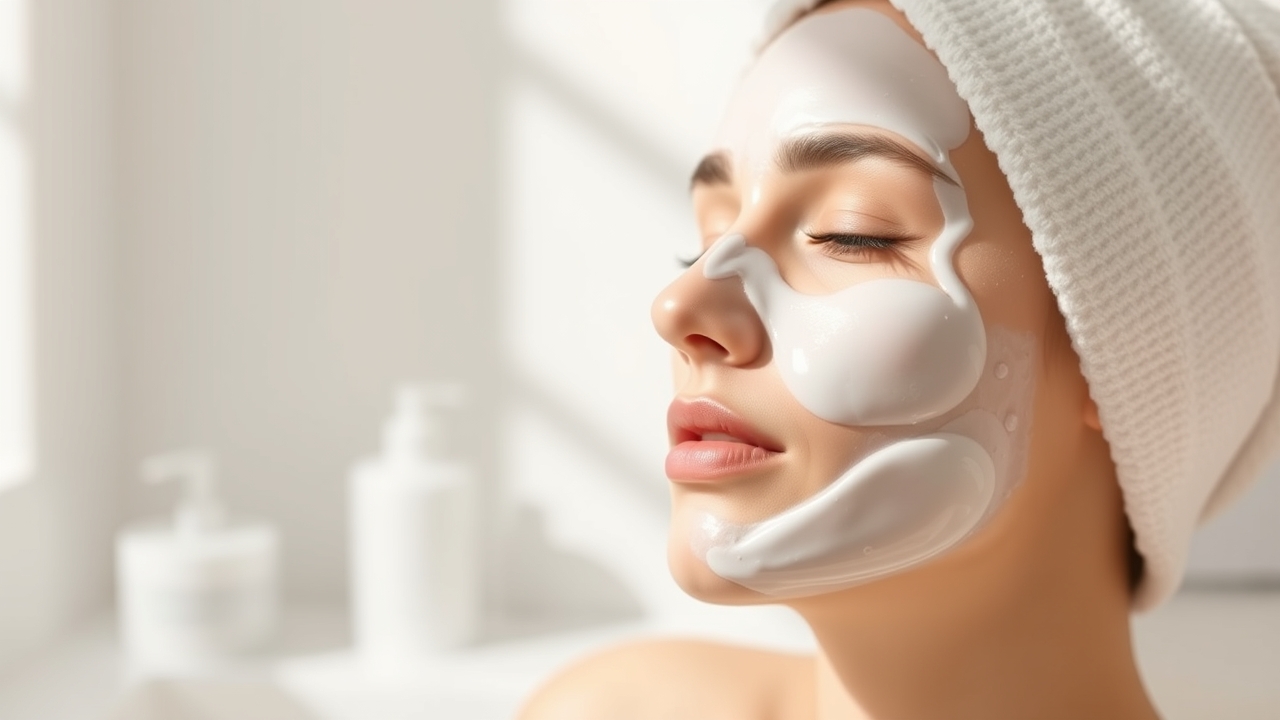
what exactly is the skin barrier?
The skin barrier, or stratum corneum, is a living armor that shields your body from the outside world. Imagine it as a multi‑layered fortress: the dead skin cells are the bricks, the lipids are the mortar, and natural proteins seal the cracks. When the mortar weakens, the fortress becomes porous, allowing moisture to escape and irritants to invade.
common triggers that break it down
Knowing what forces your barrier can help you avoid them:


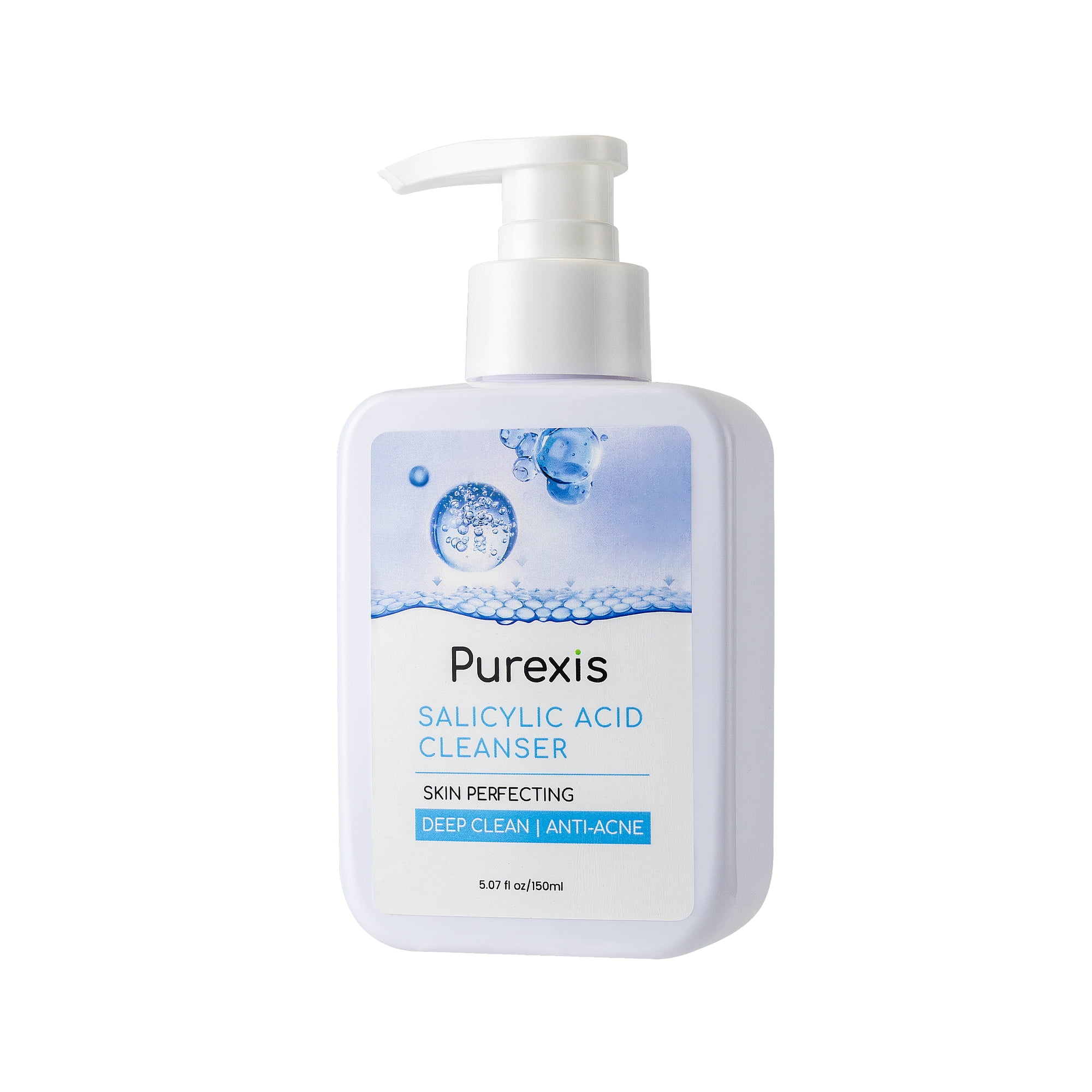
- Harsh Cleansers – sulfates and high pH soaps strip natural oils.
- Over‑exfoliation – physical scrubs or chemical peels done too frequently.
- Environmental Stressors – wind, cold, heat, and pollution.
- Heat & Sweat – can cause micro‑tears in the barrier.
- Improper Diet – low omega‑3 intake or high sugar can affect lipid production.
- Stress & Hormones – elevated cortisol disrupts barrier repair.
how to identify a compromised barrier
Below are expanded signs and what they mean for your skin health:
- Persistent dryness or flaking that doesn’t improve with standard moisturizers indicates a loss of lipids.
- Redness, stinging, or burning after applying products signals irritation and a weakened barrier.
- Increased sensitivity to fragrances, dyes, or environmental pollutants shows the skin is more permeable.
- Breakouts triggered by weather rather than hormonal changes suggest barrier stress.
- Visible pores that look enlarged are often a sign of barrier compromise.
- Transepidermal water loss (TEWL) – if you notice your skin feels clammy or it’s hard to keep moisturizer in, TEWL is high.
core ingredients: the building blocks
When you’re looking to repair skin barrier, focus on ingredients that replenish lipids and support the natural repair cycle. Here’s what to look for, with product examples and why they work:
- Fatty acids – ceramides, linoleic acid, and oleic acid rebuild the lipid matrix. Example: Cerave PM Facial Moisturizing Lotion
- Cholesterol – seals the surface and works with ceramides. Example: La Roche‑Posay Lipikar Balm AP+
- Humectants – glycerin and hyaluronic acid draw water into the skin. Example: The Ordinary Hyaluronic Acid 2% + B5
- Antioxidants – vitamin C, vitamin E, and niacinamide protect against oxidative stress. Example: Paula’s Choice 10% Niacinamide Booster
- Oils – jojoba, squalane, and avocado oil provide occlusion and help restore the lipid barrier. Example: The Ordinary 100% Organic Cold‑Pressed Rose Hip Seed Oil
step‑by‑step routine to repair your skin barrier
Below is a detailed 6‑step routine you can adapt to your skin type. Consistency and gentleness are key.
step 1: gentle cleansing
Choose a mild, sulfate‑free cleanser. Avoid hot water; lukewarm is best. Over‑cleansing strips natural oils and can further damage the barrier. Use a soft washcloth or your fingertips to apply in circular motions, then rinse gently. Aim to cleanse no more than twice a day.
step 2: targeted treatment
After cleansing, apply a serum or treatment that contains barrier‑supporting ingredients. Look for a lightweight formula with ceramides, niacinamide, or antioxidants. Apply a pea‑size amount and let it absorb fully before moving to the next step.
step 3: moisturizing – the occlusive layer
Lock in moisture with a rich, occlusive cream. The cream should contain a balance of humectants and lipids. Pat the product into the skin, focusing on dry patches. If you have oily skin, a lighter lotion with ceramides works well. For nighttime, consider adding a small amount of a butters like shea or cacao for extra barrier support.
step 4: sun protection (morning only)
Barrier repair is a marathon, not a sprint. UV rays can accelerate barrier breakdown. Finish your routine with a broad‑spectrum SPF 30 or higher. If you’re outdoors for long periods, reapply every 2 hours.
step 5: optional barrier‑boosting mask
Once or twice a week, use a hydrating or occlusive mask. Look for ingredients like ceramides, panthenol, or honey. Apply for 10–15 minutes, then rinse with cool water. This gives your skin a “boost” and helps seal the barrier.
step 6: nighttime repair
At night, replace the SPF with a richer moisturizer or a barrier‑repair serum. If you’re using prescription retinoids, apply them after the moisturizer to reduce irritation. Finish with a light oil or balm to lock everything in.
lifestyle & environmental factors that support barrier health
- Hydration – drink at least 8 glasses of water daily. Dehydrated skin is more prone to barrier loss.
- Humidity control – use a humidifier in dry winter months to keep air moisture around your skin.
- Diet – incorporate omega‑3 rich foods (salmon, chia seeds) and reduce sugar intake to support lipid synthesis.
- Sleep – aim for 7–9 hours; the skin repairs itself during deep sleep.
- Stress management – practice mindfulness, yoga, or breathing exercises to lower cortisol.
- Clothing – wear breathable fabrics like cotton; avoid rough wool that can irritate sensitive skin.
- Environmental protection – use a windbreak or scarf in harsh weather; consider a lightweight, fragrance‑free moisturizer under your makeup.
professional interventions that can accelerate repair
- Prescription barrier creams – products containing high concentrations of ceramides or filaggrin enhancers can be prescribed for severe cases.
- Low‑dose retinoids – when used sparingly, they can increase cell turnover without compromising the barrier.
- Chemical peels – mild peels (10% glycolic or 5% salicylic) can remove damaged cells and promote new barrier formation.
- Microdermabrasion – gentle exfoliation can help remove flaky cells, but follow with a barrier‑repair routine.
- Phototherapy – narrow‑band UVB treatments can reduce inflammation and support barrier healing in conditions like eczema.
DIY home remedies for quick relief
- Oatmeal mask – blend 1/4 cup colloidal oatmeal with 2 tbsp honey and 3 tbsp plain yogurt. Apply for 10 minutes to calm irritation.
- Honey & avocado mask – mash 1/2 avocado, mix with 1 tbsp raw honey, and apply for 15 minutes for deep nourishment.
- Cold chamomile compress – steep chamomile tea bags, cool them in the fridge, and place on the face for 10 minutes to reduce redness.
- Rose water mist – use as a gentle toner to hydrate and soothe the skin before moisturizing.
myths vs facts about skin barrier repair
- Myth: Thick creams are always better. Fact: Over‑occlusive products can trap sweat and bacteria, leading to breakouts. Choose a balanced formula that matches your skin type.
- Myth: You can “fix” a barrier in a day. Fact: Barrier repair takes weeks of consistent care; rapid fixes rarely work long‑term.
- Myth: All natural ingredients are safe for sensitive skin. Fact: Natural can still be irritating; always patch‑test new products.
- Myth: Sunscreen damages the barrier. Fact: Sunscreen protects the barrier from UV damage; choose a mineral formula if you’re prone to irritation.
- Myth: You meaningless need to avoid all water. Fact: Lukewarm water is fine; hot showers can strip the barrier.
frequently asked questions
- how to repair your skin barrier in the morning? Start with a gentle cleanse, add a ceramide‑rich serum, moisturize, then apply SPF. Avoid heavy makeup that can trap sweat.
- what are the best ingredients to repair skin barrier? Ceramides, linoleic acid, cholesterol, glycerin, hyaluronic acid, and niacinamide are top picks. Pair them with a gentle cleanser and a barrier‑supporting moisturizer.
- can I use a toner after repairing my skin barrier? Yes—use a hydrating, alcohol‑free toner to add moisture without irritation. Look for soothing ingredients like aloe or centella asiatica.
- how long does it take to repair a damaged skin barrier? Most people notice improvement within 2–4 weeks of consistent care, but full restoration can take up to 6–8 weeks depending on severity.
- is it safe to use sunscreen after repairing my skin barrier? Absolutely—sunscreen is essential; choose a non‑comedogenic, mineral formula if you’re sensitive. Apply as the last step of your morning routine.
- can I use retinoids if my barrier is compromised? Start with a low concentration retinoid and apply it after a barrier moisturizer. If irritation occurs, reduce frequency or use a barrier cream underneath.
- what should I avoid to protect my barrier? Harsh cleansers, over‑exfoliation, hot showers, and excessive alcohol‑based products. Also avoid fragrances and dyes that can irritate sensitive skin.
- will a humidifier help my skin barrier? Yes—maintaining 40–50% humidity keeps the skin from drying out and reduces TEWL.
- can diet affect my skin barrier? Absolutely—omega‑3 fatty acids, vitamin D, and adequate protein support lipid production and barrier repair.
- is there a quick fix for a broken barrier? A barrier‑boosting mask or a high‑ceramide moisturizer can provide temporary relief, but long‑term results come from a consistent routine individualized to your skin.
Research shows that restoring lipid balance can reduce transepidermal water loss (TEWL) by up to 30%, which is a strong indicator of improved barrier function. While individual results vary, the consensus is that a robust barrier is key to healthy, resilient skin.
For a deeper dive into how the skin barrier works, you can read more on the Wikipedia page for skin barrier: Skin barrier – Wikipedia.
Leave a Reply