Learning how to get rid of blackheads often feels like a constant battle against your own biology. I remember spending hours in front of a magnifying mirror, convinced that if I just squeezed a little harder, my skin would finally be smooth. All I ended up with were red marks, broken capillaries, and blackheads that seemed to return within forty-eight hours. The truth is that aggressive scrubbing and popping are the fastest ways to damage your skin barrier, which actually makes your pores more prone to clogging.
What Exactly Are Blackheads?
Before we dive into the solutions, we need to understand the enemy. A blackhead is technically an open comedone. This happens when a pore becomes clogged with a mixture of oxidized sebum (your skin’s natural oil) and dead skin cells. Unlike a whitehead, where the pore is closed, a blackhead is open to the air. When that plug of oil hits the oxygen in the atmosphere, it undergoes a chemical reaction called oxidation, which turns the oil dark. It isn’t dirt, despite how it looks.
Many people confuse blackheads with sebaceous filaments. Sebaceous filaments are small, flat, grayish-tan dots usually found on the nose. These are a normal part of human skin and help move oil to the surface. If you try to extract them, they will always come back because they serve a purpose. Blackheads, however, are actual blockages that can lead to inflammation if left untreated.


The Danger of Physical Extraction
It is incredibly tempting to use a pore strip or a metal extractor tool. However, these methods provide a temporary illusion of cleanliness while causing long-term harm. Pore strips use a strong adhesive that can rip off the top layer of your epidermis. This triggers a healing response that may actually cause the pore to produce more oil to protect itself.
Squeezing with your fingernails is even riskier. Your nails harbor bacteria that can push the clog deeper into the dermis, turning a simple blackhead into a painful, cystic pimple. Furthermore, repeated trauma to the skin can lead to permanent scarring or enlarged pores that never fully shrink back. The goal is to dissolve the clog, not force it out.
The Role of Salicylic Acid for Blackheads
If you want a sustainable way to clear your skin, you need oil-soluble ingredients. This is where salicylic acid comes into play. Most acids are water-soluble, meaning they sit on the surface of the skin. Salicylic acid is a beta-hydroxy acid (BHA), which allows it to penetrate through the oil and dive deep into the pore lining.
Once inside the pore, the BHA works by breaking the bonds between dead skin cells and dissolving the sebum plug. Instead of a violent extraction, you are essentially “melting” the blackhead from the inside out. I found that using a BHA liquid two to three times a week provided much better results than using a harsh scrub every day. The key is consistency over intensity.
How to Incorporate BHA for Pores into Your Routine
- Start Slow: Begin with a low concentration (around 2%) and apply it only twice a week to avoid irritation.
- Patch Test: Always test a new acid on your jawline for 24 hours before applying it to your whole face.
- Wait Time: Give the BHA a few minutes to sink in before applying your moisturizer.
- Sun Protection: Chemical exfoliants can make your skin more sensitive to UV rays, so a daily SPF is non-negotiable.
Choosing the Right Blackhead Face Wash
Your cleanser is the first line of defense. Many people make the mistake of using a “squeaky clean” face wash that leaves the skin feeling tight. This tightness is actually a sign that you’ve stripped your moisture barrier. When your skin is too dry, it overcompensates by producing more sebum, which leads to more blackheads.
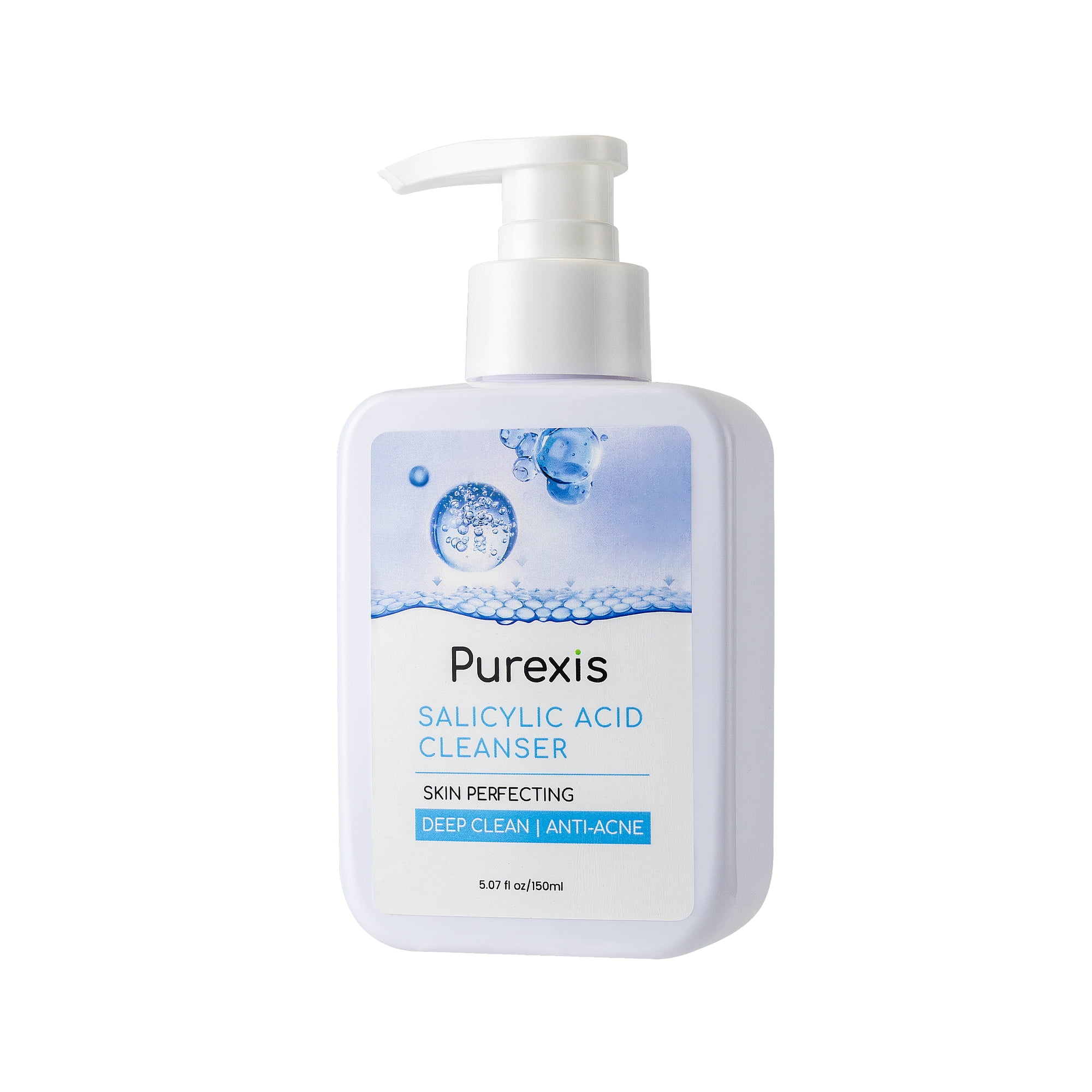
A high-quality blackhead face wash should balance cleansing with hydration. Look for formulas that contain mild surfactants and a small percentage of salicylic acid. This allows the active ingredient to start working on the pores without staying on the skin long enough to cause excessive dryness. If you have very sensitive skin, consider a double-cleansing method: use an oil-based cleanser first to dissolve surface oils, followed by a gentle water-based cleanser.
Targeting Stubborn Nose Blackheads
The nose is the most common area for congestion because it has the highest concentration of sebaceous glands. Because the skin on the nose is slightly different from the cheeks, it often requires a more targeted approach. I’ve found that “zonal treatment” works best—treating the nose more frequently with BHAs while keeping the drier areas of the face hydrated.
To manage nose blackheads effectively, avoid the urge to scrub the area with a washcloth. Instead, use a gentle chemical exfoliant and follow up with a lightweight, non-comedogenic moisturizer. Many people skip moisturizing their nose because it feels oily, but dehydration can actually make the oil thicker and harder to clear from the pore.
Building a Non-Stripping Routine
To truly master healthy skin habits, you must balance exfoliation with recovery. If you only focus on removing the oil, you will end up with irritated, flaky skin that still has blackheads. Here is a sample framework for a balanced routine:
Morning Routine
- Gentle Cleanse: Use a mild cleanser to remove overnight oils.
- Hydrating Toner: Use a product with glycerin or hyaluronic acid to plump the skin.
- Lightweight Moisturizer: Choose a gel-based formula that won’t clog pores.
- Broad Spectrum SPF: Protect your skin from sun damage and post-inflammatory hyperpigmentation.
Evening Routine
- Double Cleanse: Use a cleansing oil followed by your blackhead face wash.
- Targeted Treatment: Apply your BHA liquid to the T-zone (nose, forehead, chin).
- Recovery Cream: Use a moisturizer containing ceramides to repair the skin barrier while you sleep.
Advanced Tips for Long-Term Prevention
Once you have cleared the existing congestion, the goal shifts to prevention. Blackheads are often a result of lifestyle factors and environmental triggers. One of the most overlooked factors is the cleanliness of your environment. Your pillowcase collects oil, sweat, and hair products every night, all of which are pressed back into your pores.
Changing your pillowcase every two to three days can significantly reduce the number of new breakouts. Similarly, cleaning your phone screen with an alcohol wipe prevents bacteria from transferring to your cheeks and jawline. These small adjustments, combined with a consistent skincare routine, create an environment where blackheads struggle to form.
Diet and Hydration
While topical treatments are primary, what you put inside your body matters. High-glycemic foods can spike insulin levels, which may trigger an increase in sebum production. Increasing your intake of omega-3 fatty acids (found in walnuts and flaxseeds) can help regulate the quality of your skin’s oil, making it less likely to harden into a plug. Drinking plenty of water ensures that your skin remains hydrated, which helps the natural shedding process of dead skin cells.
Common Mistakes to Avoid
I have seen many people sabotage their progress by over-treating their skin. Here are the most common pitfalls:
- Over-exfoliating: Using a BHA every single day and night. This leads to a compromised barrier, redness, and increased sensitivity.
- Using Heavy Oils: Applying coconut oil or thick creams to oily areas. Some oils are highly comedogenic and will create more blackheads.
- Ignoring the Neck: Forgetting to cleanse and moisturize the neck and chest, where congestion can also occur.
- Switching Products Too Fast: Expecting results in three days. Skin cells take about 28 to 40 days to turn over. Give any new routine at least a month to show real results.
Summary of the Gentle Approach
The secret to clearing your pores isn’t strength; it’s chemistry. By replacing physical scrubbing with oil-soluble acids and prioritizing the health of your skin barrier, you can achieve a clear complexion without the redness and irritation. Remember that skin is a living organ, not a piece of sandpaper that needs to be polished. Treat it with patience and the right active ingredients, and the results will follow.
Frequently Asked Questions
How to get rid of blackheads quickly and safely?
The safest way to remove blackheads quickly is to use a BHA (salicylic acid) treatment to dissolve the plug. Avoid squeezing or using pore strips, as these can cause permanent damage. For an immediate but gentle improvement, a warm compress can soften the sebum, making it easier for chemical exfoliants to work.
Can I use a blackhead face wash every day?
It depends on the concentration of the active ingredients. If the face wash has a low percentage of salicylic acid and is formulated with hydrating ingredients, daily use is usually fine. However, if you notice dryness or peeling, reduce usage to every other day.
Will BHA for pores make my skin dry?
Any acid has the potential to cause dryness if overused. To prevent this, always follow your BHA application with a non-comedogenic moisturizer. Start using the product slowly to allow your skin to build a tolerance.
Why do nose blackheads keep coming back?
Because your skin constantly produces sebum and sheds dead cells. You cannot “cure” blackheads permanently because oil production is a biological necessity. The goal is management through a consistent routine of cleansing and exfoliation to keep the pores clear.
Is it okay to use a scrub and salicylic acid together?
I generally advise against using a physical scrub and a chemical acid in the same session. This is often too aggressive and can strip the skin barrier. Instead, alternate them: use your scrub once a week and your BHA on other days, or stick exclusively to the BHA for a more refined result.”
}
Leave a Reply