Salicylic acid cleanser for oily skin has become a staple for anyone looking to tame excess oil, unclog pores, and keep breakouts at bay. In this guide, I’ll walk you through what makes salicylic acid so effective, how to choose the right product, and how to incorporate it into a daily routine that feels gentle yet powerful.
What Is Salicylic Acid and Why It Works on Oily Skin?
Salicylic acid is a beta‑hydroxy acid (BHA) that originates from willow bark. Its oil‑soluble nature allows it to dissolve the sebum that fills pores, making it a go‑to ingredient for oily and acne‑prone skin. Unlike alpha‑hydroxy acids (AHAs), which sit on the surface, salicylic acid penetrates deeper, dissolving dead skin cells and excess oil inside the follicle.
When used in a cleanser, it offers a double‑action: it cleanses the surface and simultaneously exfoliates the pore interior. This dual function is why many people notice a reduction in shine after just a few uses.


How to Read a Label: Key Ingredients to Look For
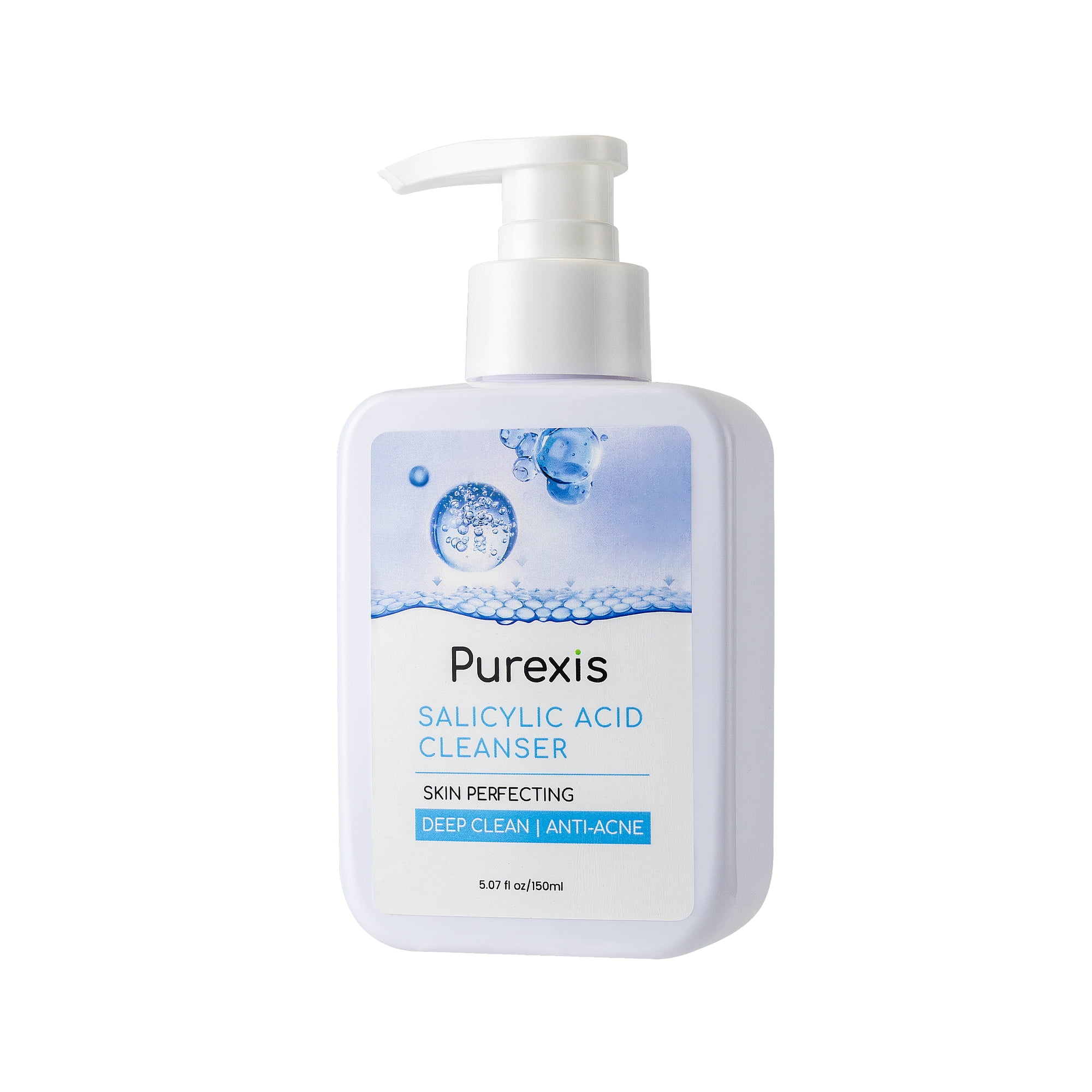
- Salicylic Acid Concentration – Most cleansers contain 0.5% to 2%. Lower percentages are gentler for sensitive skin, while higher percentages work better for stubborn acne.
- pH Level – A pH of 3.5–4.5 is ideal for salicylic acid to work effectively without irritating the skin.
- Moisturizing Additives – Hyaluronic acid, glycerin, or ceramides help counteract the drying effect of BHA.
- Fragrance – Avoid heavily scented formulas; they can trigger irritation in oily skin prone to breakouts.
Building a Routine Around Your Salicylic Acid Cleanser
Incorporating a salicylic acid cleanser into your daily routine is straightforward. Here’s a step‑by‑step guide that works for most people with oily skin.
Morning Routine
- Cleanse – Use the salicylic acid cleanser to remove excess oil that builds up overnight.
- Tone – If you use a toner, choose an alcohol‑free, soothing formula that contains niacinamide to calm redness.
- Moisturize – A lightweight gel‑cream or water‑based moisturizer keeps the barrier intact without clogging pores.
- Sun Protection – Finish with a broad‑spectrum SPF 30+ sunscreen. Sun exposure can worsen oiliness and trigger breakouts.
Evening Routine
- Double Cleanse (Optional) – If you wear makeup or sunscreen, start with a gentle oil‑based cleanser, then follow with your salicylic acid cleanser to clear pores.
- Serum – Consider a vitamin C or niacinamide serum to boost antioxidant protection.
- Moisturize – A light moisturizer or gel‑cream that won’t clog pores.
- Spot Treatment – For active blemishes, a benzoyl peroxide or tea tree oil spot treatment can be applied after the cleanser.
When to Use a Salicylic Acid Cleanser for Oily Skin
It’s best to start with a lower concentration if you’ve never used a BHA before. Begin by using the cleanser twice a week, then gradually increase to daily use as your skin adapts. If you experience excessive dryness or irritation, reduce frequency or switch to a lower percentage.
Common Myths About Salicylic Acid Cleansers
- Myth: Salicylic acid will strip all moisture. Reality: Most cleansers include hydrating ingredients that balance oil control with skin moisture.
- Myth: It’s only for acne. Reality: It’s excellent for reducing shine, preventing blackheads, and improving overall texture.
- Myth: You can over‑exfoliate with a BHA cleanser. Reality: Over‑exfoliation is more likely with AHAs or physical scrubs; a BHA cleanser is gentle when used as directed.
Choosing the Best Face Wash for Oily Skin
When searching for the best face wash for oily skin, focus on ingredients that control sebum production and keep pores clear. A salicylic acid cleanser should be your baseline, but you can pair it with a gentle foaming cleanser on days you feel extra oily.
Benefits of Salicylic Acid Beyond Oil Control
- Reduces blackheads and whiteheads by dissolving keratin buildup.
- Improves skin texture, giving a smoother complexion.
- May reduce inflammatory redness when used consistently.
- Supports a clearer, more even skin tone over time.
How to Pair Salicylic Acid Cleanser with Other Treatments
Because salicylic acid is a gentle chemical exfoliator, it works well with other active ingredients. Here are some pairings that won’t clash:
- Niacinamide – Enhances barrier repair and reduces sebum production.
- Retinol (evening) – Use on alternate nights to avoid irritation.
- Azelaic Acid – Targets acne and hyperpigmentation synergistically.
Safety Tips and Precautions
While salicylic acid is generally safe, keep these precautions in mind:
- Always perform a patch test before full use.
- Avoid combining multiple BHA products in the same routine.
- If you have extremely sensitive skin, consider a lower concentration or a non‑BHA cleanser.
- Keep the eye area away from the cleanser; a small dab of gentle eye cream can protect delicate skin.
External Resource for Deeper Knowledge
For an in‑depth scientific overview of salicylic acid’s mechanism, see the Wikipedia entry on salicylic acid.
Internal Link to Expand Your Skincare Knowledge
Want to learn more about balancing oily skin with hydration? Check out our guide to oily skin hydration.
Frequently Asked Questions
- Salicylic acid cleanser for oily skin: can it cause dryness?
- It may cause mild dryness initially, especially if you’re new to BHA. Pairing with a hydrating moisturizer and limiting usage to every other day can help.
- Is it safe to use a salicylic acid cleanser if I have acne scars?
- Yes, but start with a lower concentration to avoid irritation. Over time, it can help fade post‑inflammatory hyperpigmentation.
- Can I use a salicylic acid cleanser if I have eczema?
- Those with eczema should avoid BHA cleansers as they can worsen irritation. Consult a dermatologist first.
- How long does it take to see results from a salicylic acid cleanser for oily skin?
- Most people notice reduced shine within a week and clearer pores within two to three weeks.
Conclusion
Salicylic acid cleansers offer a science‑backed solution for oily skin that balances oil control with gentle exfoliation. By selecting the right concentration, pairing it with supportive ingredients, and integrating it thoughtfully into your routine, you can achieve a clearer, smoother complexion without compromising your skin’s barrier. Remember to start slowly, monitor how your skin responds, and adjust frequency or concentration as needed. With consistent use, a salicylic acid cleanser can become a cornerstone of a long‑term, balanced skincare regimen that keeps shine at bay and pores clear for years to come.
Leave a Reply