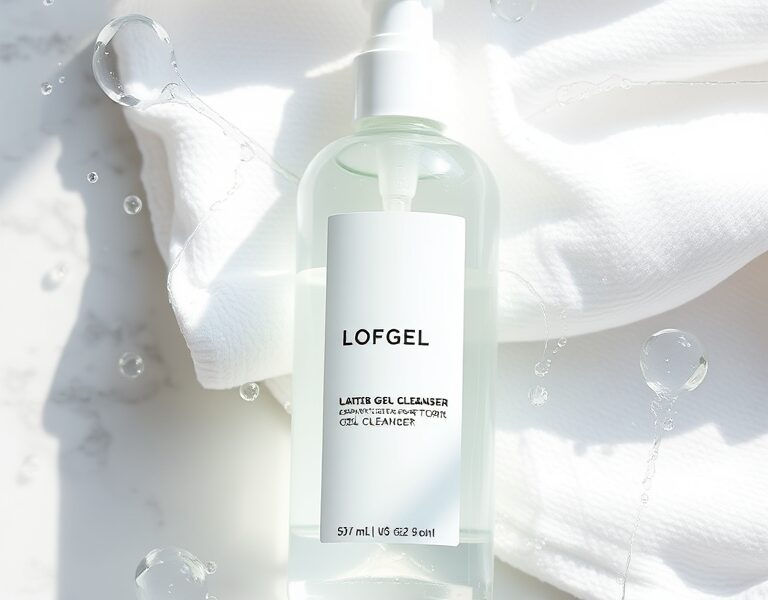
Learning how to use a salicylic acid cleanser can be the turning point for anyone struggling with persistent breakouts, blackheads, or an overly oily T-zone. Unlike standard soaps that simply wash away surface grime, a BHA (beta hydroxy acid) cleanser works inside the pores to dissolve the glue holding dead skin cells and sebum together. If you use it incorrectly, however, you risk stripping your skin barrier, leading to redness and peeling. I have spent years experimenting with chemical exfoliants, and the difference between a breakout and a glow often comes down to the application technique.
What Exactly is a Salicylic Acid Cleanser?
Before we get into the application, it is important to understand what is happening on a molecular level. Salicylic acid is oil-soluble. This is its superpower. While AHAs (like glycolic acid) work on the surface of the skin, BHAs can penetrate through the oil in your pores. This makes them ideal for treating acne and congestion.
When you use a BHA cleanser, you are essentially performing a deep clean. The acid breaks down the debris that causes whiteheads and blackheads. Because it is formulated as a wash-off product, it is generally gentler than a leave-on salicylic acid toner or serum, making it a great entry point for beginners.


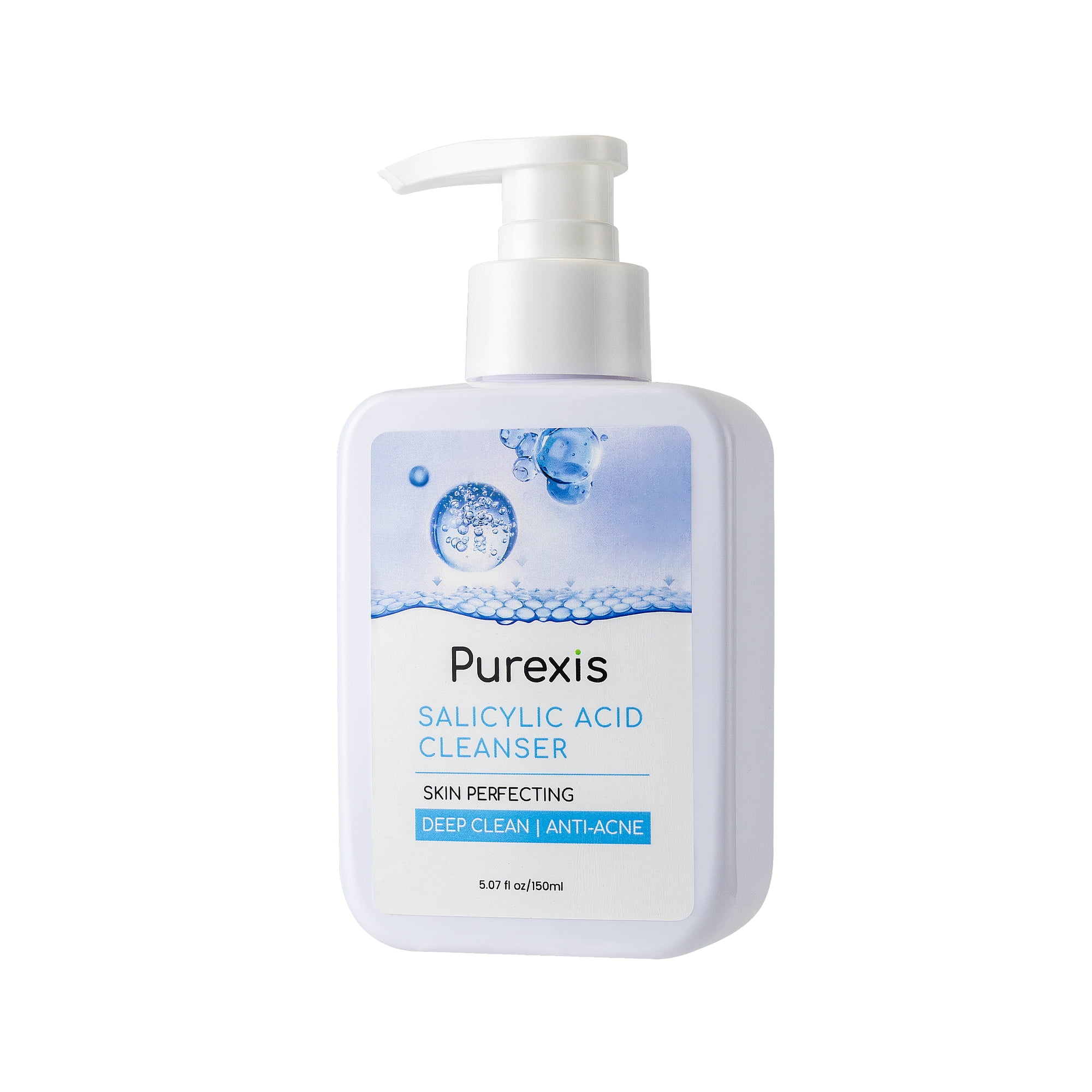
Step-by-Step: How to Use a Salicylic Acid Cleanser
Most people treat a medicated cleanser like a regular soap: they rub it on and rinse it off immediately. To get the actual benefits of the acid, you need a more intentional approach.
Step 1: The Pre-Cleanse
If you wear heavy makeup or waterproof sunscreen, do not start with your BHA cleanser. Salicylic acid cannot penetrate through a thick layer of foundation. I recommend a double-cleansing method. Start with a cleansing oil or micellar water to remove the surface debris. This ensures the active ingredients in your cleanser actually reach your skin.
Step 2: Application on Damp Skin
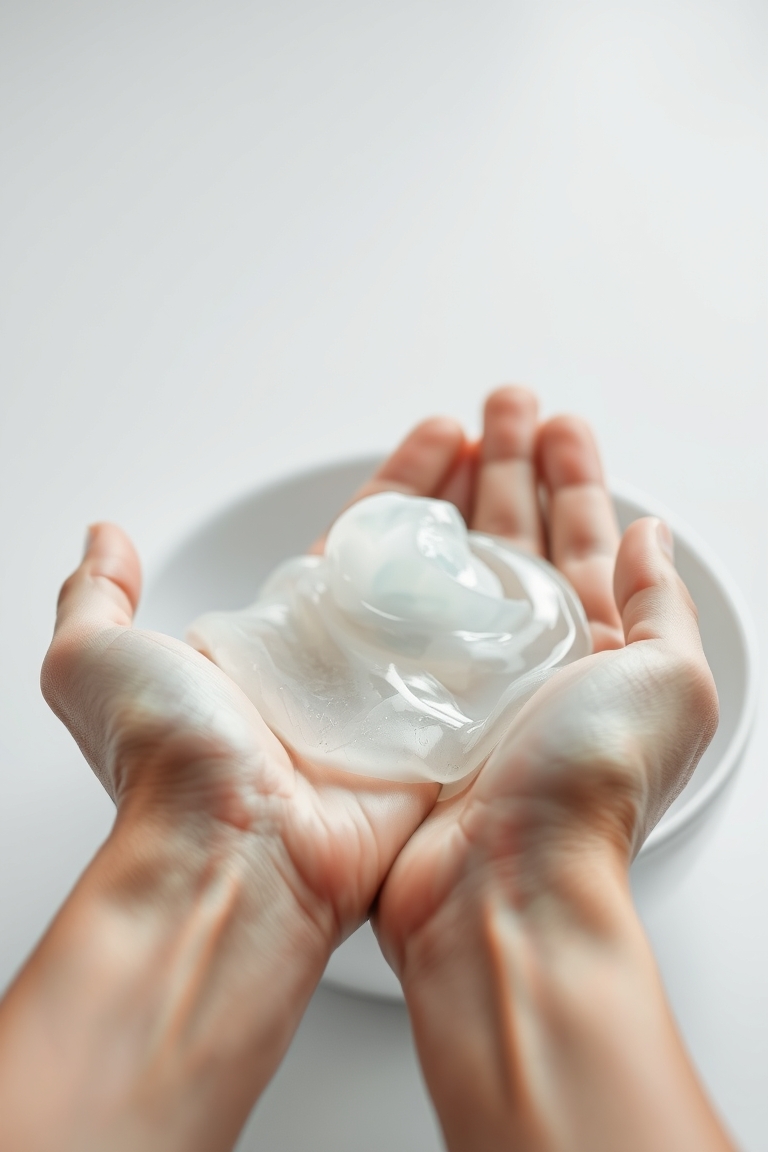
Wet your face with lukewarm water. Avoid hot water, as it can strip your natural oils and make the acid feel more irritating. Dispense a dime-sized amount of the cleanser into your palms and lather it slightly.
Step 3: The 60-Second Rule
This is the most critical part of how to use a salicylic acid cleanser. If you rinse the product off after five seconds, the salicylic acid doesn’t have time to penetrate the pores. I suggest massaging the cleanser into your skin for a full 60 seconds. Focus on the areas where you experience the most congestion, such as the chin, nose, and forehead.
Use your fingertips in gentle, circular motions. Do not scrub harshly; the chemical action of the BHA does the exfoliating for you. Physical scrubbing combined with chemical exfoliation is a recipe for a compromised skin barrier.
Step 4: Thorough Rinsing
Rinse your face completely with lukewarm water. Ensure no residue is left around the hairline or jawline, as dried cleanser in these areas can cause localized irritation.
Step 5: Immediate Hydration
Pat your skin dry with a clean towel. While your skin is still slightly damp, apply a hydrating serum or moisturizer. Because BHAs can be drying, following up with a barrier-supporting cream is non-negotiable.
Building Your BHA Cleanser Routine
Integrating a medicated wash into your daily life requires a strategy. You cannot simply swap your gentle cleanser for a BHA one and expect results without potential side effects.
Salicylic Acid Morning or Night?
The question of whether to use salicylic acid morning or night depends on your skin’s tolerance and your other products.
- Morning Use: Using a BHA cleanser in the morning can help control oil production throughout the day, leaving you with a more matte finish. However, BHAs can make your skin more sensitive to the sun. If you choose the morning, you must apply a broad-spectrum sunscreen.
- Night Use: Many prefer using it at night to clear away the day’s pollutants and oil. This allows the skin to recover overnight without exposure to UV rays.
If you are new to the ingredient, I suggest starting with a night routine. This minimizes the risk of sun sensitivity and allows you to monitor how your skin reacts while you sleep.
How Often Salicylic Acid Should Be Used
Frequency is where most people go wrong. More is not better. Over-exfoliating can lead to “purging” that never ends or, worse, a damaged moisture barrier characterized by stinging and tightness.
For Oily/Acne-Prone Skin: You may eventually be able to use a BHA cleanser once a day. Start with three times a week and slowly increase the frequency over a month.
For Combination Skin: Try using it every other day, or only on your oily zones (T-zone), while using a gentle cleanser on your cheeks.
For Sensitive Skin: Limit use to two times per week. If your skin feels tight or starts peeling, scale back immediately.
Essential BHA Tips for Maximum Results
To get the most out of your routine, keep these professional tips in mind:
- Avoid the Eye Area: The skin around your eyes is too thin for salicylic acid. Keep the cleanser on your forehead, cheeks, and chin.
- Watch Your Other Actives: Do not use a BHA cleanser in the same session as a high-strength retinol or a strong vitamin C serum. Using too many acids at once can cause chemical burns or severe irritation. If you use retinol at night, use your BHA cleanser in the morning (with SPF) or on alternate nights.
- The Purging Phase: Be prepared for a “purge.” When you first start using a BHA, it speeds up cell turnover, which can push existing clogs to the surface faster. This may look like a temporary increase in breakouts. If the breakouts occur in areas where you normally get acne, it is likely purging. If you break out in new areas, you may be reacting poorly to the product.
- Moisturize, Moisturize, Moisturize: Even if your skin feels oily, you need a moisturizer. When you strip oil away with salicylic acid, your skin may overcompensate by producing more oil if it feels dehydrated. A lightweight, non-comedogenic moisturizer is key.
Comparing BHA Cleansers to Other Exfoliants
It is helpful to know where a BHA cleanser fits in the broader world of skincare. For a deeper understanding of chemical exfoliants, you can refer to the Wikipedia page on chemical peels, which explains the science of how different acids interact with the dermis.
While AHAs (Alpha Hydroxy Acids) like lactic or glycolic acid are great for surface texture and hyperpigmentation, they don’t handle oil as well as BHAs. If your primary goal is to clear pores, the BHA cleanser is the superior choice. However, some people find that alternating between an AHA and a BHA throughout the week provides the most balanced results.
Common Mistakes to Avoid
I have seen many people sabotage their progress by making a few common errors. First is the “squeaky clean” myth. If your skin feels tight or “squeaky” after washing, you have stripped too much of your lipid barrier. This actually makes your skin more vulnerable to bacteria and acne. Your skin should feel soft and clean, not tight.
Another mistake is ignoring the patch test. Always test a new BHA cleanser on a small area of your jawline for 24 hours before applying it to your entire face. This prevents a full-face reaction if you are allergic to a specific formulation.
Lastly, don’t forget that consistency is more important than intensity. Using a 2% salicylic acid cleanser consistently and gently will yield better results than using a high-strength peel once a month and irritating your skin in the process. For more guidance on maintaining a healthy glow, check out our resources on healthy skin world for comprehensive care guides.
Customizing the Routine for Your Skin Type
Not every face is the same, so the application of how to use a salicylic acid cleanser should be tailored.
The Oily Skin Approach
If you have very oily skin, you might find that a BHA cleanser is your best friend. You can likely tolerate a daily application. I recommend focusing on the “60-second rule” specifically on the nose and chin. Pair this with a niacinamide serum to further regulate sebum production.
The Dry/Combination Approach
For those with dry patches, “zonal cleansing” is the way to go. Apply the BHA cleanser only to the areas that get congested. Use a creamy, non-active cleanser on the dry areas of your cheeks. This prevents the acid from drying out the parts of your face that already lack oil.
The Acne-Prone/Sensitive Approach
If you have cystic acne and sensitive skin, be extremely gentle. Avoid using washcloths or scrubbing brushes with your BHA cleanser. Use only your fingers. If the cleanser feels too strong, try “short-contact therapy”: leave the cleanser on for only 30 seconds instead of 60, and gradually increase the time as your skin builds tolerance.
FAQ: Mastering Your BHA Cleanser
How to use a salicylic acid cleanser for the first time?
Start slowly. Use the cleanser only twice a week for the first two weeks. Apply it to damp skin, massage for 60 seconds, and rinse thoroughly. Always follow up with a moisturizer and use sunscreen the next morning to protect your freshly exfoliated skin.
Can I use a BHA cleanser and a BHA toner together?
Generally, no. Using both a BHA cleanser and a BHA toner in the same routine is often too much exfoliation for the skin. This can lead to irritation and a damaged skin barrier. Choose one or the other. If you prefer the deep clean of a cleanser, skip the BHA toner and use a hydrating toner instead.
Will a salicylic acid cleanser dry out my skin?
It can, especially if used too frequently or without a moisturizer. Salicylic acid removes excess oil, which is great for acne but can be drying for others. To prevent this, ensure you are using a hydrating moisturizer and avoid using other drying agents like alcohol-based toners in the same routine.
How long does it take to see results?
Skincare is a marathon, not a sprint. While some people notice a reduction in oil immediately, it typically takes 4 to 6 weeks of consistent use to see a significant reduction in blackheads and acne. This is because it takes time for the skin’s natural renewal cycle to complete.
Can I use this cleanser on my body?
Yes, salicylic acid cleansers are excellent for “backne” or chest acne. Since the skin on the body is thicker than the skin on the face, you can often use it more frequently on your back. Just be sure to rinse it off completely to avoid irritation under your clothes.
Leave a Reply