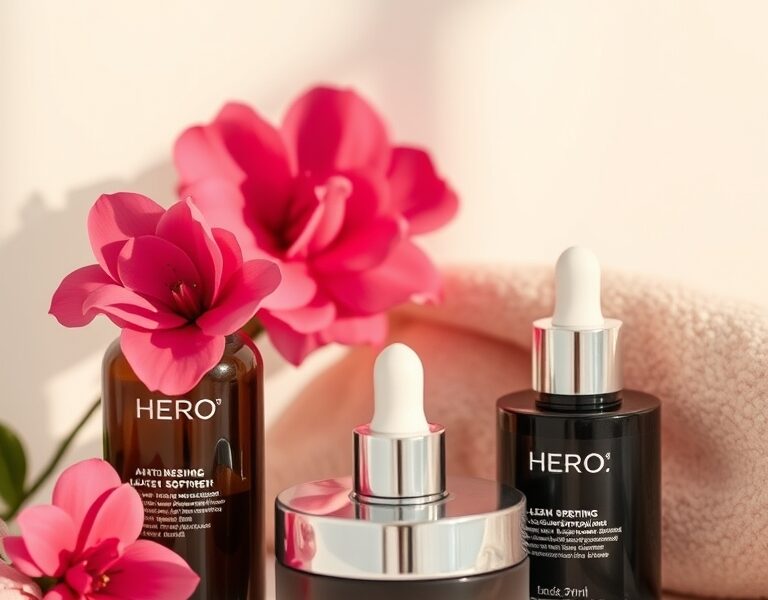
What is BHA in skincare? The question pops up in forums, blogs, and even in the comments of countless product reviews. It’s a simple phrase that hides a surprisingly nuanced answer. BHA, or beta hydroxy acid, is more than a buzzword—it’s a chemical that can transform the way your skin looks and feels.
What Is BHA in Skincare? A Deep Dive
BHA is a type of exfoliant that dissolves dead skin cells and unclogs pores. The most common BHA is salicylic acid, a compound that is naturally found in willow bark and other plants. Unlike its cousin, alpha hydroxy acid (AHA), BHA is oil‑soluble, which means it can penetrate the skin’s sebaceous (oil) glands and cleanse the inside of pores. That property makes it especially useful for people with oily or acne‑prone skin.
BHA Meaning and Chemistry
The term "beta hydroxy acid" refers to the chemical structure of these acids. The "beta" indicates the position of the hydroxyl group relative to the carboxyl group on the molecule. Salicylic acid is the most widely used BHA because it is stable, well‑tolerated, and has anti‑inflammatory properties. When applied topically, Yale University researchers have found that salicylic acid can reduce the size of comedones (blackheads and whiteheads) by up to 30% after 12 weeks of use in a small study. While these numbers are promising, it’s important to remember that individual results can vary.


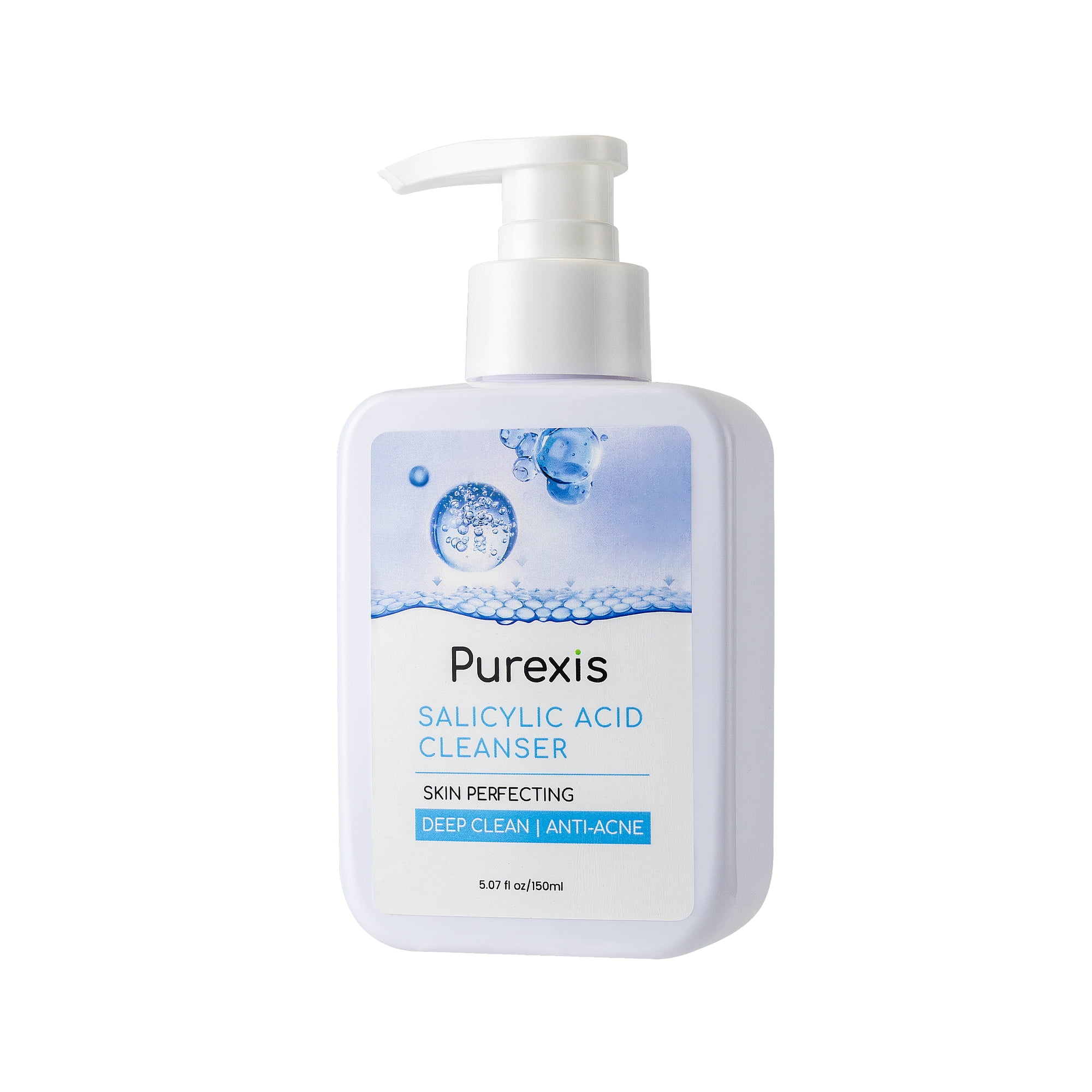
BHA vs AHA: Which is Right for You?
When you ask what is BHA in skincare, you’re often comparing it to AHA. The difference is primarily in solubility and target depth. AHA, such as glycolic or lactic acid, is water‑soluble and works primarily on the skin’s surface. It’s great for improving fine lines, hyperpigmentation, and overall texture. BHA, on the other hand, can travel through the lipid layers of the skin, making it ideal for treating acne, blackheads, and excess shine.
BHA for Skin: Who Should Use It
- Oily or combination skin: BHA’s oil‑solubility helps clear excess sebum.
- Acne‑prone skin: Its anti‑inflammatory effect can calm breakouts.
- Those with enlarged pores: Regular use can diminish pore size over time.
- Sensitive skin types: BHA is often less irritating than AHA, but still requires a patch test.
- People looking for a gentle yet effective exfoliator: BHA can be used twice a week for most skin tones.
Choosing the Right BHA Product
Not all BHA products are created equal. Here’s what to look for:
- Concentration: 0.5%–2% is typical for over‑the‑counter serums. Higher concentrations are usually prescription‑level and should be used under a dermatologist’s guidance.
- Formulation: Water‑based serums are lightweight, while alcohol‑based toners can offer a quick, drying sensation that some prefer for oily skin.
- Additional ingredients: Look for soothing agents like niacinamide, centella asiatica, or aloe vera to offset potential irritation.
- Packaging: Dark‑colored bottles protect the acid from light, which can degrade its efficacy.
Popular options include Paula’s Choice 2% BHA Liquid Exfoliant, The Ordinary Salicylic Acid 2% Solution, and Neutrogena Rapid Clear Acne Spot Gel (contains 2.5% salicylic acid). Each offers a slightly different experience, so consider your skin’s needs and your routine’s compatibility.
Incorporating BHA Into Your Routine
To get the best results, start slow. Here’s a step‑by‑step guide:
- Patch test: Apply a small amount on your jawline or behind the ear and wait 24 hours.
- Cleanse: Use a gentle cleanser to remove makeup and oil.
- Apply BHA: Use a toner or serum with 0.5–2% salicylic acid. If you’re new, begin with 0.5% and increase gradually.
- Moisturize: Follow with a lightweight, non‑comedogenic moisturizer.
- Sun protection: BHA can increase photosensitivity, so apply SPF 30+ every morning.
For those who love routine variety, you can alternate BHA days with AHA days. For example, use salicylic acid on Thursday and a glycolic acid serum on Monday. This combination can offer both surface exfoliation and deep pore cleansing without over‑stressing the skin.
Common Concerns and How to Address Them
Many people wonder why BHA can cause dryness or irritation. The key is concentration and frequency. A 2% solution is powerful but can be harsh if applied daily. Use a lower concentration or reduce usage to twice a week.
If you experience redness, consider adding a soothing serum—such as one with centella asiatica or niacinamide—after the BHA step. These ingredients can calm inflammation without negating the exfoliating benefits.
Safety Tips and Precautions
- Start low, go slow: Begin with a 0.5% formula and monitor how your skin reacts.
- Never combine too many actives: Avoid mixing BHA with retinoids or vitamin C on the same day unless your skin is well‑adapted.
- Keep a backup plan: If you have a breakout, switch to a calming routine—cleanse, hydrate, and apply a fragrance‑free moisturizer.
- Sun protection is non‑negotiable: Even on cloudy days, UV rays can damage skin that’s been exfoliated.
Advanced BHA Strategies
Layering BHA with Retinoids
Retinoids and BHA can be complementary, but they’re both potent. The safest approach is to use them on alternate nights. For instance, apply BHA in the evening, wait 30 minutes, then cleanse and apply a low‑strength retinoid (like adapalene 0.1%) the next night. This sequencing reduces the risk of irritation while maximizing cell turnover.
Using BHA in Professional Treatments
Dermatologists often use higher‑concentration BHA (up to 10%) in chemical peels. These peels can address stubborn acne scars, hyperpigmentation, and excess oil production. If you’re considering a professional peel, consult a qualified provider to discuss the right concentration and post‑care regimen.
BHA for Different Skin Concerns
- Acne Scars: A 2% salicylic acid serum can help fade post‑inflammatory hyperpigmentation by promoting faster cell turnover.
- Blackheads: The oil‑solubility of BHA dissolves the sebum that plugs pores, making it a go‑to treatment for persistent blackheads.
- Oily Skin: Using a BHA toner twice a week can reduce sebum production and keep the skin matte.
- Sensitive Skin: Pair a low‑concentration BHA with a barrier‑repair moisturizer containing ceramides to maintain skin integrity.
Common Mistakes to Avoid
- Over‑exfoliation: Using BHA more than three times a week can strip the skin’s natural barrier.
- Skipping sunscreen: Even a brief lapse can lead to hyperpigmentation and premature aging.
- Using BHA on broken skin: Avoid applying BHA directly over active acne lesions or open wounds.
- Ignoring patch tests: A patch test is a quick way to prevent a full‑face reaction.
Frequently Asked Questions
What is BHA in skincare and why is it important?
BHA, or beta hydroxy acid, is a powerful exfoliator that penetrates oil glands to clear pores, reduce inflammation, and smooth skin texture. It’s especially useful for oily, acne‑prone, and combination skin types.
Can I use BHA if I have sensitive skin?
Yes—many sensitive skins tolerate BHA better than AHA. Start with a low concentration (0.5%) and patch test before full use. If irritation occurs, reduce frequency or switch to a formulation with added soothing ingredients.
How often should I apply BHA?
Most people find that 2–3 times a week is sufficient. If you’re new, start with once a week and increase gradually. Pay attention to how your skin reacts; if you notice dryness or redness, dial back.
Is BHA safe during pregnancy?
Low‑concentration BHA (0.5–2%) is generally considered safe. However, consult your dermatologist or OB before adding new actives, especially if you’re on prescription medications or have a history of skin sensitivity.
What’s the difference between BHA and AHA?
AHA is water‑soluble and works on the skin’s surface, while BHA is oil‑soluble and penetrates pores. BHA is better for acne and oil control; AHA is better for fine lines and pigmentation. Many routines combine both for balanced exfoliation.
For a deeper dive into the science behind salicylic acid, see Salicylic acid on Wikipedia. And to explore more about creating a balanced skin routine, check out our guide on healthy skin routine.
For further reading, see related references on Wikipedia.
Leave a Reply