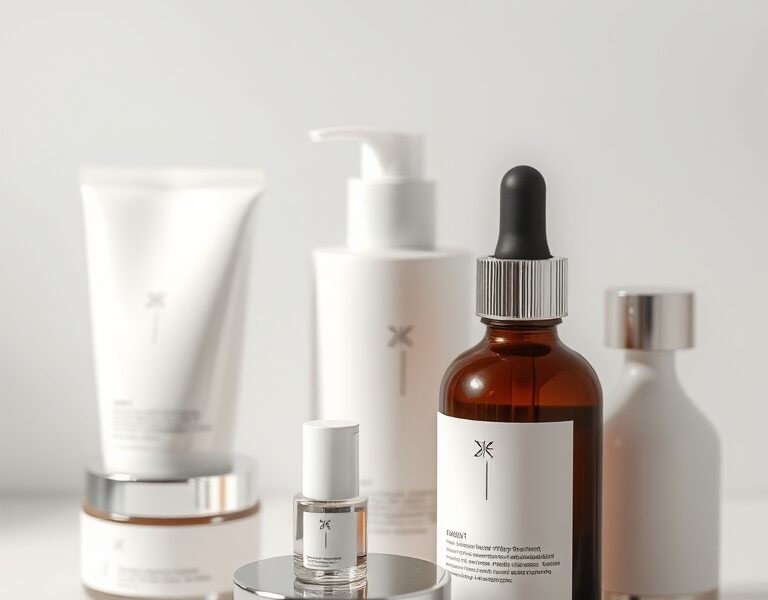
When your skin is sensitive, the evening becomes a critical window for recovery. The skin’s natural barrier repairs itself at night, and any irritation or allergic reaction can be amplified by the lack of daytime sun protection. A well‑structured nighttime routine can give your skin the calm it needs to heal and glow. Below, I’ve compiled a step‑by‑step guide that balances gentle cleansing, targeted treatment, deep hydration, and barrier support—all without the harsh ingredients that often trigger flare‑ups.
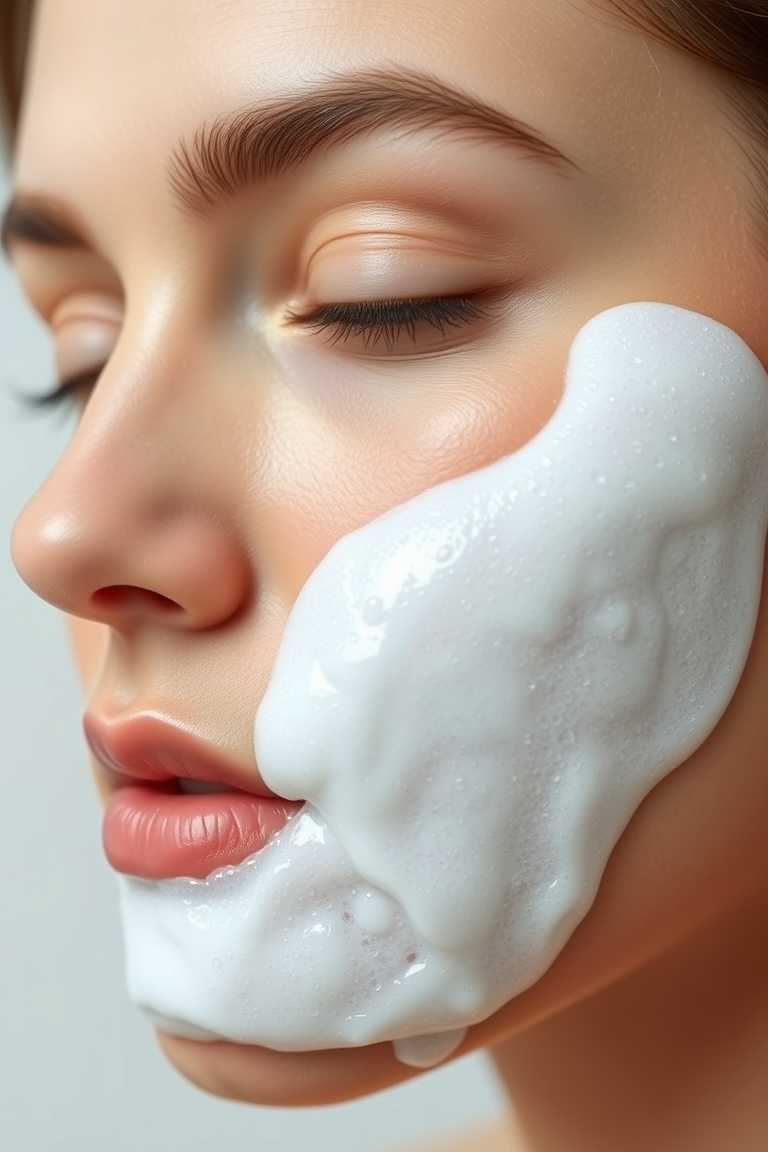
1. Start with a Gentle Cleanser
Choosing the right cleanser is the foundation of any sensitive‑skin routine. Look for fragrance‑free, sulfate‑free formulas that cleanse without stripping. A cream‑based or micellar water that removes makeup and impurities without over‑drying is ideal. Below are a few trusted options that have earned rave reviews from sensitive‑skin users:
- Cetaphil Gentle Skin Cleanser – A mild, non‑foaming cream that lathers softly and rinses cleanly.
- Vanicream Gentle Facial Cleanser – Free of dyes, fragrance, and preservatives that irritate.
- La Roche‑Posay Toleriane Hydrating Gentle Cleanser – Contains ceramide and prebiotic complex to soothe and protect.
Application technique matters as much as the product: apply a small amount to damp skin and massage in gentle, circular motions for 30–60 seconds. Rinse with lukewarm water—hot water can trigger redness and strip natural oils. Pat dry with a soft towel, avoiding vigorous rubbing.


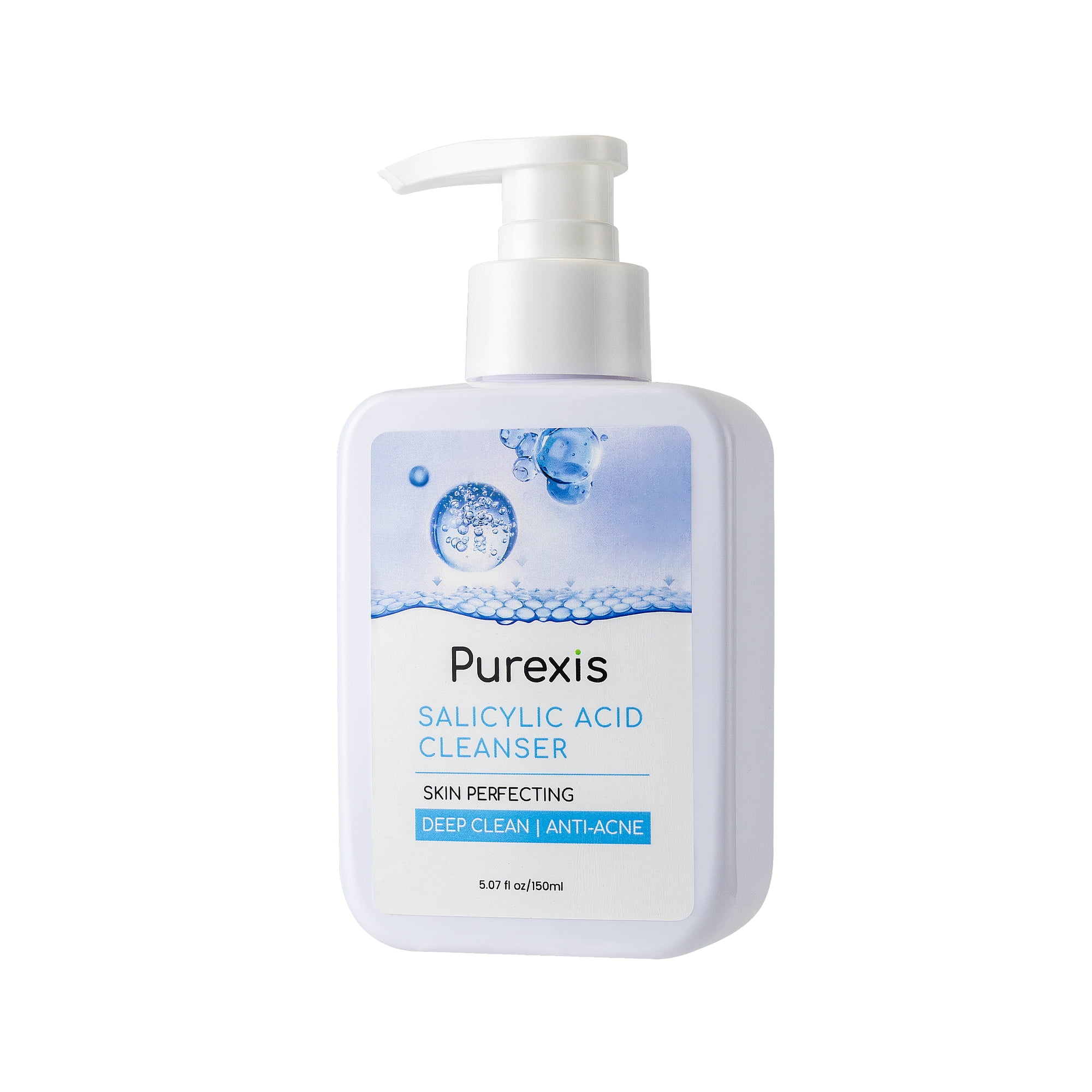
Why Fragrance‑Free Matters
Fragrance is a common culprit in allergic reactions. Even a single molecule can provoke itching, burning, or a rash. By eliminating fragrance, you reduce the risk of irritation and give your skin the chance to breathe.
2. Treat Specific Concerns with Targeted Solutions
Once your skin is clean, you can apply a serum or spot treatment that addresses your unique concerns. For sensitive skin, choose products that are free of alcohol, essential oils, and high‑concentration actives. Below are ingredient‑centric options that work well for common issues:
- Niacinamide (5–10%) – Reduces redness, improves barrier function, and evens tone.
- Azelaic Acid (5–10%) – Gentle anti‑inflammatory agent that can help with rosacea and acne.
- Allantoin – Promotes cell turnover without irritation.
- Low‑dose Retinol (0.1–0.3%) – If you’re comfortable, start with a very low concentration and use sparingly.
Apply a pea‑sized amount, focusing on problem areas, and let it absorb fully before moving to the next layer. If you’re using multiple actives, stagger them—apply one in the evening and the other in the morning—to avoid overloading the skin.
3. Re‑hydrate and Strengthen the Barrier
Hydration is key to a healthy barrier. Layer a lightweight serum first, then seal it with a richer cream that contains barrier‑supporting ingredients. Here’s a recommended layering order:
- Hydrating Serum – Look for hyaluronic acid or glycerin. These humectants draw water into the skin.
- Barrier‑Support Cream – Choose a non‑comedogenic moisturizer with ceramides, panthenol, or niacinamide.
Use upward strokes to encourage circulation, and don’t forget the neck and décolletage—these areas are often neglected but equally vulnerable. A few drops of a gentle eye cream containing caffeine (in low amounts) or a soothing herbal blend can also help reduce puffiness and protect the delicate eye area.
4. Protect with a Calming Night Cream
The final layer should act as a protective barrier that locks in the benefits of the previous steps. Look for ingredients like chamomile, calendula, or oat extract that soothe inflammation. Avoid harsh preservatives such as parabens or high‑concentration phenoxyethanol. A few examples of night creams suitable for sensitive skin include:
- Neutrogena Hydro Boost Gel‑Cream – Lightweight yet effective, free of fragrance.
- First Aid Beauty Ultra Repair Cream – Contains colloidal oatmeal and ceramides.
- Dr. Jart+ Cicapair Tiger Grass Color Correcting Cream – Calms redness and supports barrier repair.
Apply a thin, even layer over the face and neck, gently tapping the cream into the skin for better absorption.
5. Optional Extras: Sheet Masks, Sleep Masks, and Eye Creams
For an extra boost of hydration or targeted care, consider adding one of the following:
- Sheet Mask – Choose a sheet mask labeled “for sensitive skin” and free from dyes. Apply after moisturizer, leave on for 20 minutes, then rinse.
- Sleeping Mask – A thicker cream that you apply before bed and leave on overnight. Look for soothing ingredients like panthenol and allantoin.
- Eye Cream – Use a gentle formula that contains caffeine (in low amounts) or chamomile to reduce puffiness and soothe the under‑eye area.
Practical Tips for Sensitive Skin Nighttime Care
- Always patch‑test new products on a small area before full application.
- Limit the number of products to reduce irritation risk; a three‑step routine can be just as effective.
- Use lukewarm water for rinsing; hot water can trigger flare‑ups.
- Replace your pillowcase weekly to reduce bacterial buildup.
- Maintain a consistent bedtime routine; irregular sleep can worsen sensitivity.
- Keep the bedroom cool and well‑ventilated to support healthy skin repair.
- Consider a humidifier during dry months to prevent moisture loss.
Common Mistakes to Avoid
- Over‑cleansing – Using a foaming cleanser or multiple cleansers can strip the barrier.
- Using high‑concentration actives – Retinoids, AHAs, and BHAs in high percentages can irritate sensitive skin.
- Skipping the barrier repair step – A moisturizer that supports ceramides is essential for barrier health.
- Applying products in the wrong order – Lighter formulas should go first, followed by heavier creams.
- Ignoring the neck and décolletage – These areas are often overlooked but can become irritated if neglected.
How to Customize for Your Skin Concerns
While the core routine remains the same, you can tweak it to address specific issues:
- Rosacea – Focus on niacinamide, azelaic acid, and avoid fragrances. Use a gentle moisturizer with ceramides.
- Eczema – Prioritize barrier repair with ceramide‑rich creams and avoid alcohol‑based toners.
- Acne‑Prone Sensitive Skin – Use a low‑dose salicylic acid (0.5%) or azelaic acid. Keep the routine minimal to avoid irritation.
- Dry Sensitive Skin – Add a hyaluronic acid serum and a richer moisturizer with shea butter or squalane.
When to Seek Professional Advice
If you experience persistent redness, itching, or breakouts that don’t improve with a gentle routine, consult a dermatologist. A professional can help identify underlying conditions such as eczema, rosacea, or allergic reactions and recommend prescription‑strength treatments or allergy testing.
Frequently Asked Questions
Nighttime skincare routine for sensitive skin: What should I avoid?
Strong fragrances, alcohol, and high concentrations of acids can trigger irritation. Stick to fragrance‑free, sulfate‑free formulas and keep active ingredients low in concentration. Avoid harsh exfoliants and over‑treatment.
Nighttime skincare routine for sensitive skin: How often should I exfoliate?
Exfoliation is optional for sensitive skin. If you choose to exfoliate, use a mild, non‑physical exfoliant once a week and avoid it on inflamed or broken skin. Chemical exfoliants with low concentrations (e.g., 5% lactic acid) can be used sparingly, but always patch‑test first.
Nighttime skincare routine for sensitive skin: Can I use retinol?
Retinol can be harsh for sensitive skin. If you wish to incorporate a retinoid, start with a low concentration (0.1%) and apply only a few times per week, monitoring your skin’s response. Consider a retinol alternative like bakuchiol, which is gentler on sensitive skin.
Nighttime skincare routine for sensitive skin: How do I know if a product is suitable?
Look for labels such as “fragrance‑free,” “hypoallergenic,” or “for sensitive skin.” Patch‑testing on a small area before full use is also a reliable method. Avoid products with known irritants such as fragrance, alcohol, and high‑concentration surfactants.
Nighttime skincare routine for sensitive skin: Where can I learn more about hydration?
Visit our skin hydration guide for in‑depth information on maintaining moisture balance throughout the day and night.
Final Thoughts
Building a nighttime routine that respects the fragility of sensitive skin takes a little patience and a lot of mindfulness. By selecting fragrance‑free, sulfate‑free cleansers, incorporating gentle actives, and sealing with barrier‑supporting moisturizers, you can give your skin the restorative care it deserves. Remember, consistency is key—stick to your routine nightly, and over time you’ll notice a calmer, more resilient complexion. Sweet dreams and happy skin!
Leave a Reply