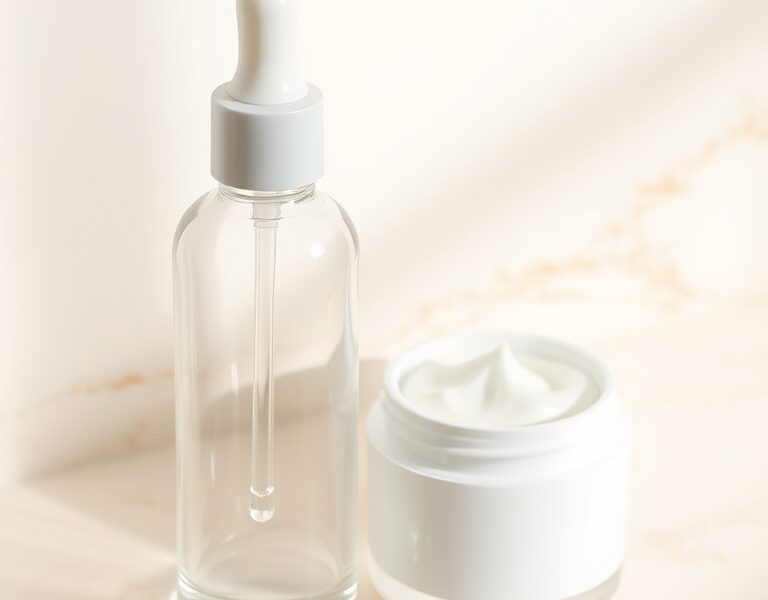
When you hear the word retinol for beginners, your mind often flashes images of glossy ads, dramatic before‑and‑after shots, and a chorus of conflicting opinions. Some experts swear by its anti‑aging prowess, while others caution that it can leave skin feeling like sandpaper. The truth is simple: retinol’s effectiveness hinges less on its concentration and more on how you introduce it into your routine.
What Is Retinol, Exactly?
Retinol is a vitamin A derivative—one of the many compounds that fall under the umbrella term retinoids. Unlike prescription retinoic acids, retinol must first be converted by the skin into its active form, retinoic acid. That conversion step gives it a gentler entry point for most users.
At the cellular level, retinol accelerates the skin’s natural exfoliation cycle. Think of it as a gentle, nightly “clean‑up crew” that pushes old, dead cells toward the surface, making room for fresh, plump skin. The result? Smoother texture, clearer pores, and a subtle lift that comes from increased collagen production.


For readers who love the science, the Wikipedia page on Retinol offers a deep dive into its chemical structure and how it differs from other retinoids.
Purging vs. Irritation: The Two Most Common Misunderstandings
When you first start retinol, you’ll likely hear two terms that can feel like a nightmare: purging and irritation. They’re distinct, and recognizing the difference is key to a successful routine.
- Purging is a temporary flare of breakouts that occurs when the skin’s turnover speed spikes. It’s usually confined to areas that are already acne‑prone. If you notice a few new pimples on your chin or cheeks, it’s likely purging.
- Irritation is a sign that the skin barrier is under stress. Symptoms include burning, stinging, severe redness, and dry patches that aren’t normally part of your skin’s routine. If you feel a raw, almost electric sensation, you’re over‑exposing the skin.
Understanding this distinction helps you adjust your routine without panic.
Step‑by‑Step: A Low‑Impact Introduction
Below is a proven, low‑impact roadmap that lets you build tolerance without overwhelming your skin.
1. Patch Test
Before you commit to a full‑face application, test a tiny amount on the inner forearm or behind the ear. Leave it on for 48 hours. If no redness or itching appears, you’re ready to move forward.
2. Frequency Ladder
Gradual exposure is the secret sauce. Here’s a simple schedule:
- Weeks 1‑2: Once a week, ideally on a non‑exfoliating night.
- Weeks 3‑4: Twice a week, spaced 2–3 nights apart.
- Weeks 5‑8: Every other night, as long as redness subsides.
- Week 9+: Nightly, if your skin feels resilient.
3. The Pea‑Sized Rule
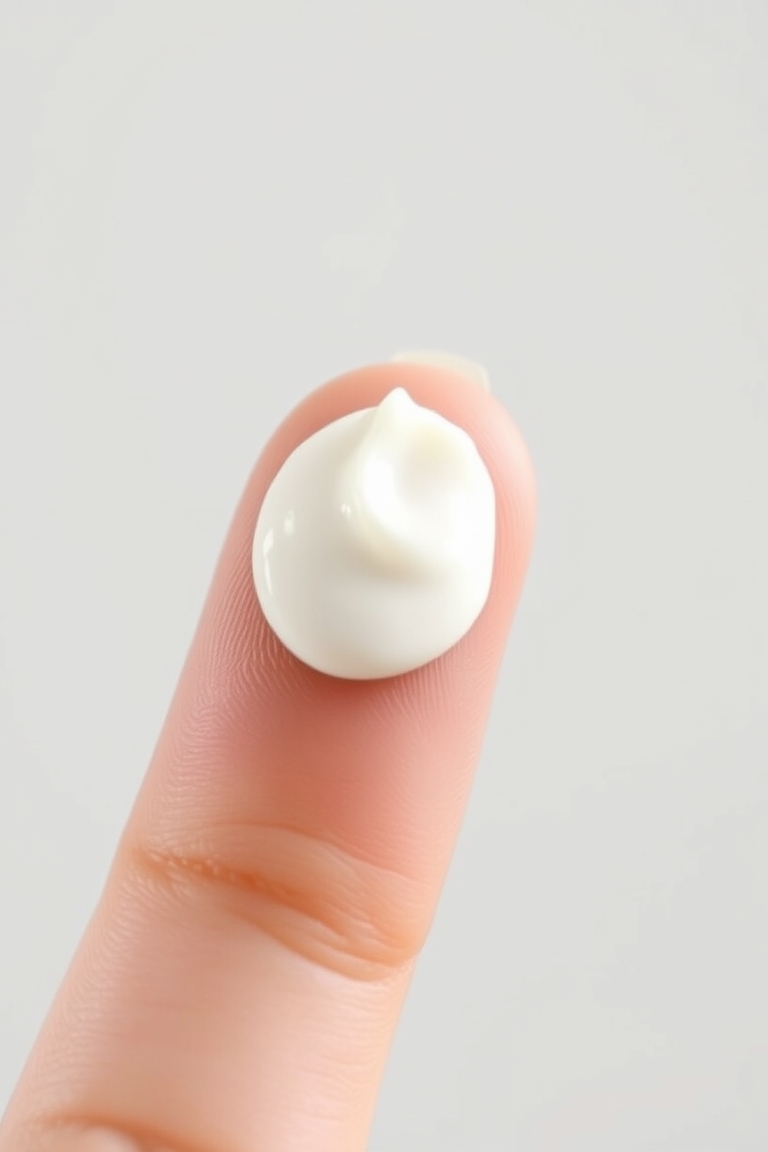
More product is not better. A single pea‑sized amount covers your entire face. Dot it on the forehead, cheeks, and chin, then blend. Avoid the nasolabial folds and eye area; these zones are more prone to dryness.
Crafting a Beginner Retinol Routine
Retinol isn’t a lone ranger. It thrives when paired with supportive products that hydrate and protect.
Evening Routine
- Gentle Cleanser: Use a mild, pH‑balanced cleanser. Skip scrubs or alpha‑hydroxy acids on retinol nights.
- Dry Skin: Allow your face to dry completely—10–15 minutes after washing—before applying retinol. Damp skin can amplify absorption and irritation.
- Retinol: Apply the pea‑sized amount. Gently spread it in a thin layer.
- Moisturizer: Finish with a rich cream containing ceramides or hyaluronic acid to lock in moisture and soothe the barrier.
Morning Routine
- Refresh: A quick splash of water or a gentle cleanser is enough.
- Antioxidant Serum: Vitamin C or ferulic acid can counteract oxidative stress.
- Moisturizer: Keep it lightweight yet hydrating.
- SPF 30+: Non‑negotiable. Retinol increases photosensitivity, so a broad‑spectrum sunscreen is your best defense.
For more barrier‑boosting ideas, explore our guide on Healthy Skin World.
The Sandwich Method for Sensitive Skin
For those who are nervous about a first retinol experience, the sandwich technique is a lifesaver. Apply a thin layer of moisturizer, then retinol, and top it off with another moisturizer. This creates a buffer that moderates the active’s penetration while still delivering benefits.
Long‑Term Success: Key Retinol Tips
Consistency beats intensity. Many quit after a few weeks because results are not immediate. Retinol works at the cellular level, so patience is essential.
Avoid Over‑loading Actives
- Vitamin C: Use in the morning; keep retinol for nighttime.
- AHA/BHA: Reserve for “off” nights to prevent over‑exfoliation.
- Alcohol or fragrance: These can aggravate the barrier. Opt for fragrance‑free, alcohol‑free formulas.
Listen to Your Skin
If your skin feels tight, raw, or unusually sensitive, skip that night’s retinol. It’s better to pause than to risk a chemical burn that could set back your progress.
What to Expect: A Timeline of Results
- Weeks 1‑4: Adjustment phase. Mild dryness or purging may occur.
- Weeks 4‑12: Texture improves. Pores look smaller, and acne often subsides.
- Months 3‑6: Collagen boost kicks in. Fine lines soften, and skin tone evens out.
- 6 Months+: Maintenance. Consistent use keeps the skin smooth and resilient.
Choosing the Right Retinoid
Not all retinoids are created equal. For beginners, focus on over‑the‑counter options, but it’s useful to know the spectrum.
- Retinyl Palmitate: The gentlest, requiring two conversion steps. Ideal for ultra‑sensitive skin.
- Retinol: One conversion step. The most common OTC choice, balancing potency and tolerance.
- Retinaldehyde (Retinal): One step closer to retinoic acid. Faster action, slightly more irritating.
- Tretinoin: Prescription retinoic acid. Extremely potent; best under medical supervision.
Troubleshooting Common Issues
Flaking Around the Nose and Mouth
Apply a thin layer of petroleum jelly or a thick balm to these folds before retinol. It acts as a physical shield, preventing the active from seeping into the most sensitive areas.
Dullness in the First Month
Accelerated cell turnover can temporarily make skin appear grayish. Keep hydrating, and the new, radiant layer will emerge.
Unexpected Breakouts
If you spot pimples in areas that are normally clear, it’s likely a reaction, not purging. Pause retinol for a few days and review the formula for fragrance or alcohol.
Final Thoughts
Retinol for beginners is a journey, not a sprint. Respect its potency, start slow, hydrate generously, and never skip sunscreen. Over time, you’ll witness a transformation that feels earned—smooth texture, fewer lines, and a luminous glow that only comes from a well‑tuned routine.
Frequently Asked Questions
How do I know if retinol is working?
Texture is the first sign. Your skin will feel smoother, and you’ll notice fewer fine lines and a more even tone. Over months, pigmentation fades and overall radiance improves.
Can I use retinol with sensitive skin?
Yes—start with a low concentration or a gentler derivative like retinyl palmitate. Use the sandwich method and begin once a week.
Is peeling normal when starting retinol?
Mild flaking is normal, but intense peeling or burning isn’t. Reduce frequency or take a break if irritation persists.
Can I use retinol during the day?
No. Sunlight degrades retinol, and it makes skin more photosensitive. Reserve it for nighttime and always apply SPF in the morning.
When will I see results?
Visible changes often appear after 3–6 months of consistent use. Patience is key—retinoids remodel skin at the cellular level, which takes time.
Leave a Reply