
Salicylic acid cleanser for oily skin can transform your daily routine by gently exfoliating clogged pores and balancing excess shine. Unlike harsh foaming cleansers that strip the skin’s protective barrier, a BHA‑infused formula works on the inside of the pore, dissolving the sebum that feeds breakouts while leaving the surface soft and clean.

Salicylic Acid Cleanser for Oily Skin: How It Works
When you think of a cleanser that tackles oil without stripping, salicylic acid is the star. This beta‑hydroxy acid (BHA) is oil‑soluble, meaning it dissolves in sebum and can penetrate deeper into the follicular canal than water‑soluble ingredients. By dissolving the sebum that accumulates in pores, a salicylic acid cleanser for oily skin allows them to breathe and reduces the likelihood of congestion.
What Is Salicylic Acid?
Salicylic acid is a naturally occurring compound found in willow bark, but in skincare it’s most commonly derived from the herbaceous plant salicylic acid. In a cleanser, it’s present in concentrations ranging from 0.5% to 2%. At these levels it offers gentle exfoliation while minimizing irritation.


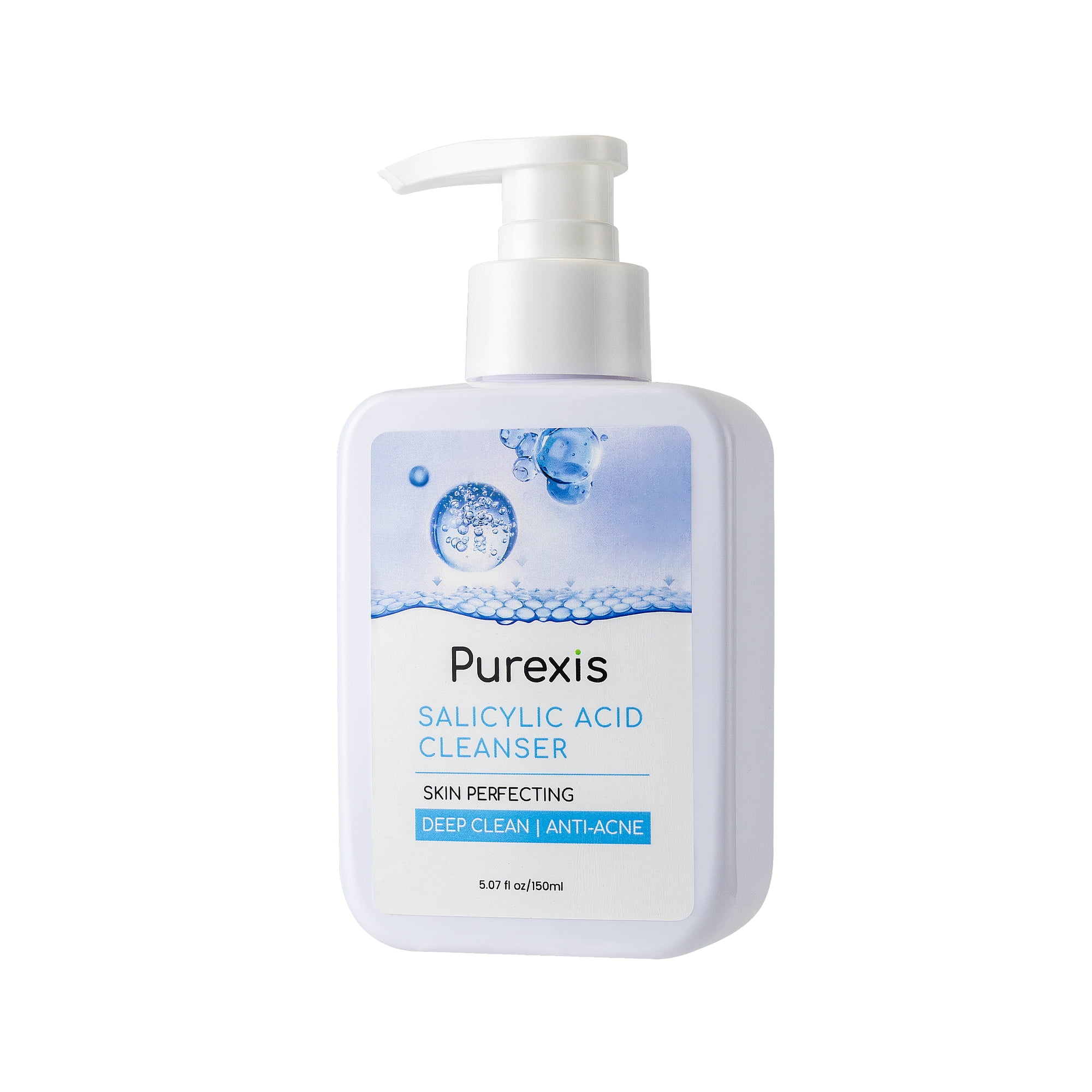
Why It’s Ideal for Oily Skin
- Oil‑soluble: dissolves sebum and penetrates pores.
- Exfoliates dead skin cells: prevents clogging and blackheads.
- Reduces shine: removes excess oil without over‑drying.
- Prevents future breakouts: keeps pores clear and less inflamed.
Choosing the Right Salicylic Acid Cleanser for Oily Skin
When you shop for a salicylic acid cleanser for oily skin, keep these factors in mind:
- Concentration: 0.5% to 2% is safe for daily use. Lower percentages are gentler, while 1–2% offers stronger exfoliation for stubborn congestion.
- pH Level: Aim for a pH between 5.5 and 6.5 to support the skin’s natural barrier. A slightly acidic environment keeps bacteria at bay and preserves moisture.
- Formulation: Gel or foam textures work well for oily skin; avoid heavy creams that can clog pores.
- Additional Ingredients: Look for soothing agents like aloe, chamomile, or niacinamide if you have sensitivity. Antioxidants such as vitamin E can help neutralize free radicals generated by BHA.
- Fragrance: Fragrance‑free formulas reduce the risk of irritation. If you prefer scent, opt for natural essential oils like tea tree or lavender in low concentrations.
What to Avoid
Steer clear of cleansers that contain:
- High concentrations of alcohol, which can dry out the barrier.
- Heavy surfactants that strip the skin’s natural oils.
- Strong fragrances or dyes that may trigger sensitivity.
How to Use a Salicylic Acid Cleanser for Oily Skin
Here’s a simple routine that maximizes benefits while keeping the skin barrier healthy.
Morning Routine
- Wet face with lukewarm water. Avoid hot water as it can stimulate oil production.
- Apply a dime‑sized amount of cleanser to damp skin and massage in gentle circular motions for 30–45 seconds. Focus on the T‑zone and any areas prone to breakouts.
- Rinse thoroughly with cool water to close pores and pat dry with a clean towel.
- Follow with a lightweight, oil‑free moisturizer and broad‑spectrum SPF 30+.
Evening Routine
- Repeat the cleansing step to remove sunscreen, pollution, and excess sebum.
- Apply a serum or targeted treatment if needed (e.g., niacinamide or a lightweight retinoid on alternate nights).
- Finish with a non‑comedogenic moisturizer or a hydrating gel to replenish moisture without clogging pores.
Frequency
Most people find that cleansing twice a day works best. If you experience dryness, flaking, or increased sensitivity, try using the cleanser every other day or reduce the concentration.
Layering With Other Products
Salicylic acid cleansers work well with other gentle ingredients. For example:
- Niacinamide: Helps regulate oil, reduce redness, and improve skin tone.
- Hyaluronic acid: Adds hydration without heaviness.
- Retinoids: Use on alternate nights to avoid over‑exfoliation. Apply after the skin has dried and wait 20–30 minutes before adding retinoid.
When layering, apply the salicylic acid cleanser first, then wait a few minutes before adding other treatments to allow the skin to absorb.
Understanding the pH of Your Cleanser
The pH of a cleanser determines how it interacts with the skin’s barrier. A slightly acidic pH (5.5–6.5) helps maintain the natural acid mantle, which protects against bacteria and preserves moisture. If a salicylic acid cleanser is too alkaline, it can strip the barrier and trigger rebound oil production. Always check the label for pH or look for brands that specifically mention “pH balanced.”
Performing a Patch Test
Before committing to a new cleanser, perform a patch test to ensure your skin tolerates the BHA:
- Apply a small amount of cleanser to the inside of your wrist or behind your ear.
- Cover with a bandage and wait 24 hours.
- If no redness, itching, or burning occurs, the product is likely safe for your face.
Integrating Salicylic Acid Cleanser into a Full Skincare Routine
Here’s a step‑by‑step guide for a comprehensive routine that balances oil control with hydration:
- Step 1 – Cleanse: Salicylic acid cleanser (morning & evening).
- Step 2 – Tone (optional): Use a gentle, alcohol‑free toner to restore pH and add a layer of antioxidants.
- Step 3 – Serum: Niacinamide or vitamin C (morning), retinoid (evening on alternate nights).
- Step 4 – Moisturize: Lightweight gel or serum‑based moisturizer.
- Step 5 – Protect: Broad‑spectrum SPF 30+ in the morning.
When to Switch to a Higher Concentration
If you’ve been using a 0.5% cleanser for several months without seeing improvement in pore size or breakouts, consider stepping up to 1% or 2%. However, always introduce the higher concentration gradually: start with twice a week and monitor your skin’s reaction. If irritation occurs, revert to the lower strength and give your skin time to adjust.
Common Side Effects and How to Mitigate Them
- Redness: Mild redness is normal. Use a soothing serum (e.g., centella asiatica) and reduce frequency if it persists.
- Dryness or flaking: Add a hydrating serum or increase moisturizer usage. Consider a richer night cream if needed.
- Breakouts: Over‑exfoliation can trigger acne. If you notice new breakouts, cut back to once a day or use a lower concentration.
- Sensitivity to light: BHA increases photosensitivity. Always apply sunscreen and limit sun exposure.
Comparing Salicylic Acid Cleanser to Other Exfoliating Cleansers
There are several exfoliating options on the market. Here’s a quick comparison:
| Ingredient | Solubility | Primary Action | Best For |
|---|---|---|---|
| Salicylic Acid (BHA) | Oil‑soluble | Dissolves sebum inside pores | Oily, acne‑prone skin |
| Glycolic Acid (AHA) | Water‑soluble | Exfoliates surface cells | Dry, dull skin |
| Lactic Acid (AHA) | Water‑soluble | Gentle surface exfoliation + hydration | Sensitive, aging skin |
| Physical Exfoliants | N/A | Mechanical removal of dead cells | All skin types (use sparingly) |
For oily or acne‑prone skin, BHA is usually the most effective because it targets the root of the problem—oil buildup inside the pore.
Case Studies: Real User Experiences
Case 1 – 28‑year‑old Emma: After switching to a 1% salicylic acid cleanser, Emma noted a 40% reduction in blackheads within six weeks. She paired it with a lightweight niacinamide serum and avoided harsh retinoids.
Case 2 – 35‑year‑old Marcus: Marcus struggled with oily skin and occasional breakouts. Using a 0.5% cleanser twice daily, he saw a 30% improvement in shine and a smoother texture over three months.
These stories illustrate that consistent use, paired with gentle supporting products, can yield noticeable results.
Tips for Long‑Term Use
- Rotate with a gentle AHA cleanser once a week to keep the skin’s surface refreshed without over‑exfoliating.
- Incorporate a weekly hydrating mask (hyaluronic or aloe‑based) to replenish moisture.
- Keep an eye on your skin’s barrier: if you feel tightness or persistent irritation, reduce frequency or switch to a lower concentration.
- Use a broad‑spectrum sunscreen daily; BHA increases photosensitivity.
- Store the cleanser in a cool, dark place to preserve its stability.
Environmental Considerations
Salicylic acid is a natural compound, but its production and packaging can impact the environment. Look for brands that use recyclable or biodegradable packaging and source their ingredients sustainably. Some manufacturers also offer refill stations or bulk options to reduce plastic waste.
FAQs
1. How often can I use a salicylic acid cleanser for oily skin?
Most people find twice a day, morning and night, works well. If you notice dryness or irritation, try every other day or reduce the concentration.
2. Will a salicylic acid cleanser for oily skin cause acne?
When used correctly, it typically reduces the likelihood of breakouts by keeping pores clear. Over‑use can sometimes irritate the skin, leading to rebound acne.
3. Can I combine it with a vitamin C serum?
Yes, but apply the vitamin C serum after the skin has dried. Avoid applying both in the same step to reduce pH conflicts.
4. Is it safe for sensitive skin?
Choose a lower concentration (0.5%–1%) and look for soothing additives. Patch test first and monitor for redness or burning.
5. How does a salicylic acid cleanser for oily skin differ from a regular foaming cleanser?
It contains BHA, which dissolves oil inside pores, whereas regular cleansers mainly remove surface debris. The BHA action targets deeper congestion, making it more effective for oily or acne‑prone skin.
For more insight into oily skin care, explore our oily skin care guide.
Leave a Reply