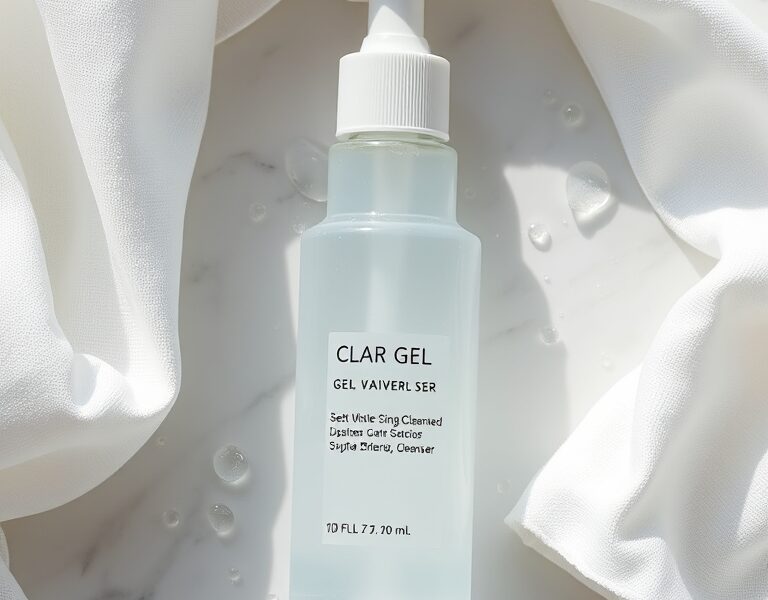
A salicylic acid cleanser for oily skin is the frontline of any acne‑prone routine. After testing dozens of formulas, I’ve learned that the right BHA (beta‑hydroxy acid) level—usually 0.5% to 1.5%—provides a gentle yet effective exfoliation without the sting of traditional soaps.
Why Salicylic Acid Is a Game‑Changer for Oily Complexions
Most acids you’ll find in toners or peels are water‑soluble, meaning they stay on the surface. Salicylic acid, however, is oil‑soluble. This unique property lets it slip through the sebum layer and work inside the follicle, where blackheads and pimples often hide.
When you apply a BHA cleanser, the molecules break the bonds that keep dead skin cells and excess oil glued together. The result? A smoother pore lining and a clearer skin surface that looks matte, not greasy.


The Core Benefits You’ll Notice
- Oil Regulation: Over time, regular BHA use signals the sebaceous glands to produce less sebum, reducing the greasy feel that plagues the T‑zone.
- Exfoliation: By dissolving the “glue” that traps dead cells, salicylic acid prevents the buildup that leads to blackheads.
- Calming Redness: Its anti‑inflammatory properties soothe inflamed blemishes, so you’re less likely to see the classic red spots after a wash.
- Pore Refinement: Consistent use keeps the pore walls clean, making them appear smaller and less noticeable.
Choosing a Cleanser That Won’t Strip Your Skin
Not every “cleanser” is created equal. Sulfates like sodium lauryl sulfate can leave your skin feeling squeaky and tight—an early sign of a compromised barrier. Look for a gel or foam base that lists gentle surfactants such as sodium cocoyl isethionate or decyl glucoside.
Keep an eye on the pH. A range of 5.5 to 6.5 is ideal for maintaining the acid mantle. A cleanser that’s too alkaline can disrupt this balance, making your skin more prone to irritation.
Complementary Ingredients for a Balanced Routine
Since BHA can be drying, pair it with hydrating, non‑comedogenic ingredients:
- Hyaluronic Acid: Draws water into the epidermis without adding oil.
- Niacinamide: Works synergistically with salicylic acid to even skin tone and further control sebum.
- Ceramides: Rebuild the lipid barrier that can be stressed by exfoliation.
- Glycerin: A humectant that keeps the skin supple after cleansing.
How to Use a BHA Cleanser for Maximum Effect
Applying the cleanser correctly is just as important as choosing the right product. Salicylic acid needs time to penetrate the pore walls, so a quick splash won’t cut it.
The 60‑Second Rule
Instead of a 10‑second rinse, massage the gel into your skin for a full minute. Focus on the nose, chin, and forehead—where congestion is most common. This extra contact time allows the BHA to dissolve the deep‑seated debris.
Step‑by‑Step Routine
- Lukewarm Water: Hot water strips natural oils; cold water won’t dissolve surface sebum. Lukewarm is the sweet spot.
- Apply a Dime‑Sized Amount: Use your fingertips in gentle, circular motions. Avoid abrasive scrubs or washcloths; the chemical exfoliation does the heavy lifting.
- Target the Problem Areas: Spend an extra 15‑20 seconds on the nose bridge and the center of the chin.
- Rinse Thoroughly: Finish with cool water to lock in the cleanser’s benefits and prevent residue buildup.
- Pat Dry: A clean towel, no rubbing. Rubbing can irritate active acne.
Understanding the Purging Phase
When you first start a BHA cleanser, you may see a temporary spike in breakouts. This “purging” happens because the acid accelerates cell turnover, pushing trapped sebum to the surface faster than usual.
Purging is usually confined to your typical breakout zones and resolves within 2–4 weeks. If you notice new, itchy, or burning spots, that’s likely a reaction, and you should stop using the product.
Gradual Introduction for Sensitive Skin
- Week 1: Once every three days.
- Week 2: Every other day.
- Week 3: Daily, preferably at night.
- Week 4: If stable, move to twice daily.
Common Pitfalls and How to Avoid Them
Over‑cleansing is a frequent mistake. If you feel your skin getting oily again by midday, you’re probably washing too often. Over‑washing strips essential lipids, triggering a rebound oil surge.
The Danger of Over‑Exfoliation
Using a BHA cleanser alongside potent actives—like retinoids or high‑percentage glycolic acids—can overload the barrier. Signs include:
- “Plastic” sheen rather than natural oiliness.
- Increased sensitivity to products that previously were mild.
- Flaking, even with an oily T‑zone.
- Stinging when applying a basic moisturizer.
If any of these occur, retreat to a gentle, non‑active cleanser and a simple moisturizer for at least a week.
When to Add a Leave‑On BHA Product
A cleanser is a short‑contact therapy—great for beginners or sensitive skin. Leave‑on serums stay on the skin, delivering a higher concentration of acid over a longer period. They’re more potent but carry a higher risk of dryness or irritation.
If, after a month of consistent cleansing, you still see stubborn blackheads, consider a leave‑on 0.5% BHA serum. Pair it with a hydrating cleanser to keep the barrier intact.
Long‑Term Care for Oily Skin
Managing oil is a marathon, not a sprint. Hormones, diet, stress, and environment all influence sebum production. A BHA cleanser is a powerful ally, but it works best when combined with a holistic routine.
Moisturizing Matters
Many oily‑skin users skip moisturizer, thinking they’re already “greasy enough.” Dehydrated skin, however, can paradoxically produce more oil to compensate. Choose a lightweight, oil‑free, water‑based moisturizer—look for ingredients like niacinamide, glycerin, or ceramides.
Sun Protection Is Non‑Negotiable
Exfoliants thin the outer layer, increasing UV sensitivity. Salicylic acid isn’t as photosensitizing as glycolic acid, but any exfoliation raises the risk of sun damage and post‑inflammatory hyperpigmentation. Apply a broad‑spectrum SPF 30+ every morning, even on cloudy days.
Quick Checklist Before You Buy
- Active Ingredient: 0.5%–1.5% salicylic acid.
- Texture: Gel or light foam; avoid heavy creams.
- Beware: High levels of denatured alcohol or sulfates.
- Look For: Soothing agents like aloe, green tea, or allantoin.
- Fragrance: Opt for fragrance‑free if you have sensitive skin.
Frequently Asked Questions
How often should I use a salicylic acid cleanser for oily skin?
Most people find once or twice daily works well. If you have a sensitive reaction, start with three times a week and gradually increase. Overuse can dry the skin, paradoxically triggering more oil production.
Can I use this cleanser if I have dry patches but an oily T‑zone?
Absolutely. Many people have combination skin. Use the BHA cleanser on the oily zones (forehead, nose, chin) and a gentler, hydrating cleanser on the cheeks and dry areas.
Will a BHA cleanser help with blackheads?
Yes. Salicylic acid dissolves the sebum plug that forms blackheads, clearing the pore and preventing new ones from forming.
Can I use a salicylic acid cleanser with Vitamin C?
It’s best to separate them. Use a Vitamin C serum in the morning for antioxidant protection, and reserve the BHA cleanser for the evening. Mixing them can irritate some skin types.
How long does it take to see results?
While you may notice a matte feel after the first wash, significant pore refinement and acne reduction typically appear after 4–6 weeks of consistent use—aligned with the skin’s natural regeneration cycle.
For further reading, see related references on Wikipedia.
Leave a Reply