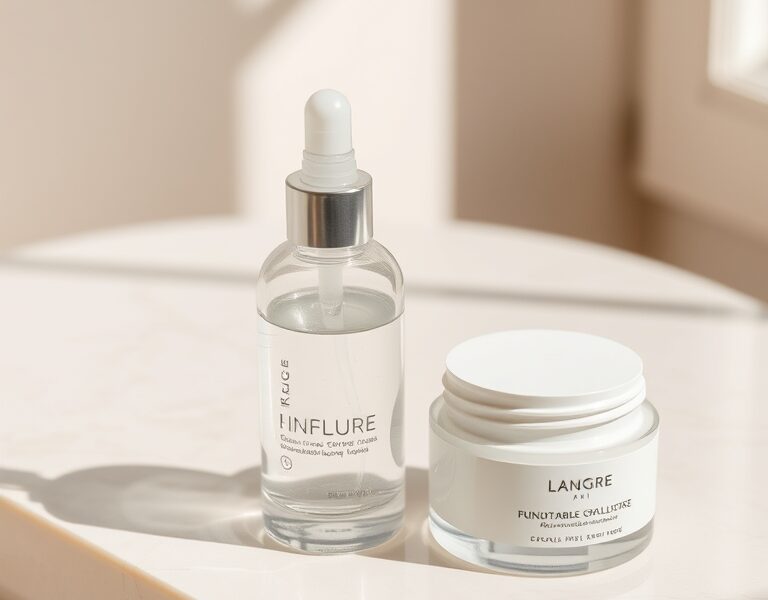
What does retinol do for skin is a question that pops up in every beauty forum, on Instagram, and in the comments of countless product reviews. The answer is both simple and surprisingly complex: retinol, a derivative of vitamin A, is a master regulator of skin renewal. It tells the cells to work faster, to shed the old and to build the new. That cellular choreography is why it’s often called the “gold standard” of anti‑aging and acne‑fighting ingredients.
Retinol Explained: The Science of Vitamin A
Our skin is a living, breathing organ that is constantly turning over. New cells form deep in the dermis, climb up through the epidermis, and finally slip off as the outermost layer. This process—called cell turnover—keeps our complexion fresh and resilient. As we age, the rate of turnover slows, leaving dullness, fine lines, and clogged pores behind.
Retinol steps in by acting as a messenger. Once it penetrates the skin, it is converted into retinoic acid, the active form that binds to nuclear receptors in the cell’s DNA. Think of it as a coach who tells the cell to speed up production, to lay down more collagen, and to clear out dead material. The result is a faster, cleaner, and more youthful surface.


The Primary Retinol Benefits for Your Complexion
When you ask retinol benefits, you’re usually looking for three core wins: smoother texture, clearer pores, and a more even tone. Below is how retinol delivers on each front.
1. Reducing Fine Lines and Wrinkles
Collagen is the skin’s scaffolding. With age, collagen fibers shrink and break, giving rise to sagging and creases. Retinol stimulates fibroblasts to produce fresh collagen and inhibits the enzymes that degrade it. Over 12–18 weeks, many users notice a measurable softening of crow’s feet, a tightening around the mouth, and a subtle lift that feels almost elastic.
2. Clearing Acne and Clogged Pores
Acne thrives when sebum and dead cells accumulate in a pore. Retinol’s acceleration of cell turnover prevents this buildup and speeds the removal of existing clogs. In clinical trials, participants with mild to moderate acne saw a 30–40% reduction in breakouts after just eight weeks of nightly use. The key is consistency; the skin needs time to adapt.
3. Fading Hyperpigmentation and Dark Spots
Sun damage and post‑inflammatory marks leave uneven patches of melanin. Retinol pushes pigmented cells to the surface and encourages the growth of uniform, lighter cells beneath. While it won’t erase a deep scar in a single session, regular use can soften the edges of dark spots, making them less noticeable against the surrounding skin.
Why Use Retinol for Face Care Specifically?
Exfoliating acids like glycolic or salicylic acid dissolve the glue that holds dead cells together, but they don’t alter the skin’s internal machinery. Retinol, on the other hand, rewires the skin’s production line from within. For people dealing with enlarged pores, retinol keeps the pore lining clear, which naturally shrinks the pore’s appearance. For those with uneven texture, the steady influx of fresh cells smooths the surface, reducing the “staircase” look that often accompanies aging.
How to Incorporate Retinol Into Your Routine
Because retinol is potent, a gentle introduction is essential. Over‑application can damage the barrier, leading to redness, peeling, and a frustrating “retinol purge.” Below is a step‑by‑step plan that balances efficacy with tolerance.
The “Low and Slow” Method
- Weeks 1–2: Apply a pea‑sized amount once or twice a week on dry skin. Skip the first night if you feel any irritation.
- Weeks 3–4: If your skin feels comfortable, increase to every other night.
- Month 2+: Gradually move toward nightly use, but never exceed 0.5% concentration unless your dermatologist approves.
The Sandwich Technique
For sensitive skins, layer a thin coat of moisturizer, then a thin layer of retinol, and finish with another thin layer of moisturizer. This “sandwich” dilutes the active but still allows it to work, reducing dryness and flaking.
Critical Safety Rules and Pairings
Retinol changes the skin’s environment. Certain ingredients can clash, and the sun’s UV rays become a bigger threat.
Sun Sensitivity
Because retinol removes the outermost layer of dead cells, the new skin is more vulnerable to UV damage. A broad‑spectrum SPF 30 or higher is non‑negotiable. Apply it every morning, even on cloudy days, and reapply every two hours when outdoors.
Ingredients to Avoid Simultaneously
High‑strength vitamin C serums, 10–20% glycolic acid peels, and benzoyl peroxide can trigger irritation. Use vitamin C in the morning and retinol at night. If you must combine, do so on alternate days and monitor your skin’s reaction.
Understanding the Timeline: When Will You See Results?
Retinol is a long‑term investment. Here’s a realistic timeline based on clinical data:
- Weeks 1–4: Mild dryness, occasional flaking, or a brief breakout as the skin purges.
- Weeks 5–8: Noticeable smoothing of texture and a subtle glow.
- Months 3–6: Fine lines soften, acne scars fade, and pores appear smaller.
- Year 1+: Collagen density peaks, giving the skin a firmer, more elastic feel.
For ongoing maintenance, pair retinol with a hydrating serum (hyaluronic acid) and a nourishing moisturizer. If you’re looking for a broader approach, check out our guide on healthy skin habits for lifestyle tweaks that complement active ingredients.
Who Should Avoid Retinol?
While retinol is versatile, it’s not a one‑size‑fits‑all solution. Certain groups should exercise caution or seek alternatives.
Pregnancy and Breastfeeding
High doses of vitamin A can be teratogenic. If you’re pregnant or nursing, opt for plant‑based alternatives like bakuchiol, which mimics retinol’s benefits without the risk.
Severe Sensitivity or Eczema
Active eczema, rosacea, or a broken barrier can react poorly to retinoids. Start with a lower concentration (0.1%) and build up slowly, or consult a dermatologist for a tailored plan.
Comparing Retinol to Other Retinoids
When shopping, you’ll encounter several names. Understanding their potency helps you choose the right product.
- Retinyl Palmitate: The weakest, ideal for ultra‑sensitive skin.
- Retinol: Standard OTC level; requires conversion to work.
- Retinaldehyde (Retinal): One step closer to retinoic acid; faster action.
- Tretinoin (Retin‑A): Prescription‑grade; the most potent and irritating.
Common Mistakes to Stop Making
Even experienced users fall into the same traps. Here are three to avoid:
1. Over‑applying. A pea‑sized amount covers the entire face. More product won’t speed results and can cause burns.
2. Using on damp skin. Wet skin accelerates penetration and can spike irritation. Apply to fully dry skin.
3. Skipping the neck and décolletage. These areas are often thinner and show age faster. Treat them with a lighter hand and extra moisturizer.
Summary Table: Retinol Quick Guide
| Feature | Detail |
|---|---|
| Best Time to Apply | Nighttime only |
| Key Benefit | Collagen production & cell turnover |
| Main Side Effect | Dryness and peeling |
| Essential Pairing | Daily broad-spectrum SPF |
Frequently Asked Questions
What does retinol do for skin in the long term?
Long‑term use of retinol boosts the skin’s renewal rate and collagen density, leading to a thicker, firmer complexion. Over a year, you’ll notice deeper wrinkles shrink, pores tighten, and skin tone becomes more even—essentially restoring a youthful look that feels natural rather than artificial.
Can I use retinol every day?
Yes, but only after your skin has built tolerance. Start with 1–2 nights a week, then increase to every other night, and finally to nightly use if no irritation occurs. If redness or stinging persists, dial back to 2–3 times a week.
Does retinol cause purging?
Retinol can accelerate the appearance of breakouts as it pushes existing congestion to the surface. This “purging” typically lasts 2–4 weeks. If you experience severe or prolonged breakouts, consider reducing frequency or switching to a lower concentration.
Can I use retinol if I have oily skin?
Absolutely. Retinol can help regulate sebum production, reduce pore size, and prevent future breakouts. Pair it with a lightweight, oil‑free moisturizer to keep the skin balanced.
Is retinol the same as Vitamin C?
No. Vitamin C is an antioxidant that brightens and protects during the day. Retinol is a nighttime repair agent that stimulates renewal. Using them in separate routines maximizes their benefits without causing irritation.
Leave a Reply