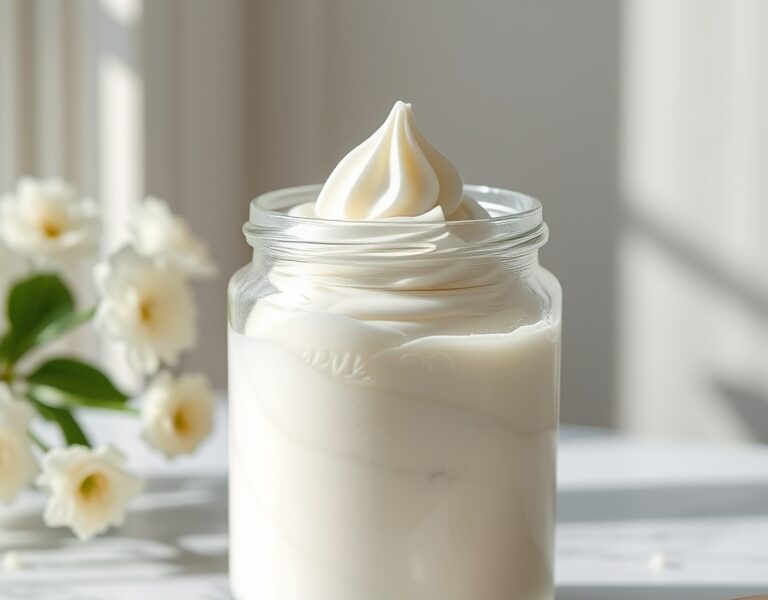
The best night cream for anti aging is not a one-size-fits-all product, but rather a strategic choice based on your skin’s current biological needs. I have spent years analyzing how different formulations interact with the skin barrier during the nocturnal repair cycle, and the consensus is clear: the ingredients matter far more than the marketing claims on the jar.
Why Your Skin Needs a Specialized Night Treatment
During the day, your skin is in defense mode. It fights off UV rays, pollution, and blue light. At night, the process shifts to repair. Blood flow to the skin increases, and the permeability of the skin barrier changes, making it the ideal time to apply potent actives that might be too irritating or unstable in sunlight.
When searching for an anti aging moisturizer, you want a formula that supports this natural circadian rhythm. A dedicated night cream typically has a higher lipid content than a day lotion, which helps prevent transepidermal water loss (TEWL) while you sleep. This hydration is the foundation of a plump, youthful appearance.


Key Ingredients to Look For in a Night Cream for Wrinkles
If your primary goal is reducing the appearance of fine lines, you need ingredients that either stimulate collagen production or provide intense surface hydration to “fill” the lines temporarily.
Retinoids and Retinol
A retinol night cream is often considered the gold standard. Retinoids are derivatives of Vitamin A that communicate with skin cells to increase turnover. Instead of cells lingering on the surface and creating a dull, wrinkled look, retinol encourages fresh cells to rise faster. I always suggest starting with a low concentration to avoid the “retinol purge” or excessive peeling.
Peptides and Amino Acids
Peptides are short chains of amino acids that act as messengers. They tell your skin to produce more collagen. Unlike retinol, which can be irritating, peptides are generally gentle and work well for those with sensitive skin who still want the benefits of a firming cream.
Hyaluronic Acid and Ceramides
You cannot fight aging without moisture. Hyaluronic acid pulls water into the skin, while ceramides act like the mortar between bricks, sealing that moisture in. Without these, your skin can look crepey, regardless of how many anti-aging actives you use.
Choosing the Best Night Cream for Anti Aging by Skin Type
I often see people buy the most expensive cream available, only to find it breaks them out or leaves them feeling greasy. Your skin type dictates the vehicle (the base) of the cream.
- Dry Skin: Look for rich, occlusive bases. Ingredients like shea butter, squalane, and heavy ceramides are essential. Your skin needs a thick barrier to prevent overnight dehydration.
- Oily or Acne-Prone Skin: Opt for gel-creams or water-based formulas. You can still use a retinol night cream, but ensure it is non-comedogenic so it doesn’t clog your pores while you sleep.
- Combination Skin: This is the trickiest. I recommend a medium-weight cream and potentially “multi-masking” your moisturizer—applying a richer layer to dry cheeks and a thinner layer to the T-zone.
- Sensitive Skin: Avoid fragrance and high-strength acids. Look for bakuchiol, a plant-based alternative to retinol that provides similar results without the redness.
How to Layer Your Nighttime Routine for Maximum Results
Putting the best night cream for anti aging on top of a dirty face or over too many other products can render it useless. The order of application is critical for absorption.
Step 1: Double Cleanse. Use an oil-based cleanser to remove makeup and sunscreen, followed by a water-based cleanser to clean the skin itself. This ensures the cream can actually reach your pores.
Step 2: Targeted Treatments. Apply your serums first. If you are using a separate hyaluronic acid serum, apply it to damp skin. If you are using a prescription retinoid, apply it now.
Step 3: The Night Cream. Apply your anti aging moisturizer using upward, sweeping motions. This doesn’t just feel good; it helps with lymphatic drainage and prevents you from pulling the skin downward.
Step 4: Eye Cream. The skin around the eyes is thinner and has fewer oil glands. A specialized eye cream prevents the heavy ingredients in your main night cream from migrating into your eyes and causing irritation.
The Science of Skin Firming and Elasticity
As we age, the production of elastin and collagen drops. This leads to sagging, particularly around the jawline and cheeks. A high-quality firming cream works by supporting the skin’s structural matrix.
Many people confuse “tightening” with “firming.” Tightening is often a temporary effect caused by film-forming polymers that shrink as they dry. True firming happens over months as ingredients like Vitamin C, Retinol, and Peptides encourage the skin to rebuild its internal support system. For more detailed information on the biological process of skin aging, you can visit Wikipedia to understand the differences between intrinsic and extrinsic aging.
Common Mistakes When Using Anti-Aging Night Creams
I have noticed several recurring errors that prevent people from seeing results. First is the “more is better” fallacy. Applying a thick layer of cream doesn’t make it work faster; it just wastes product and may lead to breakouts.
Second is skipping sunscreen the next morning. If you use a retinol night cream, your skin becomes more photosensitive. If you don’t protect your skin during the day, the sun will damage the new cells your night cream is working so hard to create, effectively canceling out your progress.
Third is inconsistency. Skin cells take about 28 to 40 days to turn over. You cannot judge a cream after one week. I always tell my readers to give a new product at least six to eight weeks of consistent use before deciding if it works.
Advanced Tips for Enhancing Your Night Cream’s Efficacy
If you want to get the most out of your skincare, consider these environmental and behavioral tweaks. Your sleep posture can actually create “sleep wrinkles.” Sleeping on your side or stomach presses your face into the pillow, creating creases that a cream cannot easily fix. Switching to a silk pillowcase or sleeping on your back can help.
Humidity also plays a role. If you live in a dry climate or use an air conditioner/heater, the air will pull moisture out of your skin. Using a humidifier in your bedroom helps your anti aging moisturizer stay locked into the skin rather than evaporating into the air.
Lastly, consider your diet. No cream can replace the benefits of hydration and omega-3 fatty acids. Eating walnuts, salmon, and flaxseeds provides the building blocks your skin needs to utilize the ingredients in your night cream effectively. For more tips on holistic skin health, check out our guides at Healthy Skin World.
Understanding the Difference Between a Night Cream and a Day Cream
It is a common question: can I just use my day cream at night? Technically, yes, but you are missing out. Day creams are designed to be lightweight and often contain SPF or antioxidants to fight environmental stress. They are meant to sit under makeup.
Night creams are formulated to be richer. They often contain ingredients that would make your skin too greasy for the daytime or ingredients that break down in sunlight. By using a specific night cream for wrinkles, you are giving your skin a concentrated dose of repair agents when it is most receptive.
Evaluating the Long-Term Impact of Your Choice
When you evaluate the best night cream for anti aging, look for these long-term markers of success:
- Texture: Does your skin feel smoother to the touch?
- Radiance: Do you wake up with a “glow,” or does your skin look sallow?
- Elasticity: When you gently pinch your cheek, does the skin snap back quickly?
- Hydration: Do you still feel tight or dry by midday the following day?
If you see improvements in these areas, your current routine is working. If not, it may be time to switch your active ingredient—perhaps moving from a peptide-based firming cream to a more potent retinol.
FAQ
How do I choose the best night cream for anti aging for my specific skin?
Start by identifying your primary concern. For deep wrinkles, look for a retinol night cream. For sagging skin, prioritize peptides and a firming cream. For dryness and fine lines, choose a cream rich in ceramides and hyaluronic acid. Always match the base (gel vs. cream) to your skin type (oily vs. dry).
Can I use a retinol night cream every single night?
It depends on your skin’s tolerance. I recommend starting twice a week and gradually increasing the frequency. Some people can handle nightly use, while others may experience irritation. If your skin becomes red or flaky, scale back to every other night.
Do I really need a separate night cream if I already use a serum?
Yes. Serums are concentrated treatments designed to penetrate deep into the skin, but they lack the occlusive properties needed to lock in moisture. A night cream acts as a seal, preventing the serum from evaporating and providing the lipids necessary for barrier repair.
How long does it take to see results from an anti aging moisturizer?
Hydration results are often immediate. However, for structural changes like wrinkle reduction or increased firmness, it typically takes 8 to 12 weeks. This is because collagen synthesis is a slow biological process.
Is it safe to mix different active ingredients in my night routine?
Be careful. For example, using a strong retinol and a high-percentage AHA/BHA acid in the same night can compromise your skin barrier and cause chemical burns. It is often better to cycle your actives—using retinol one night and a hydrating, firming cream the next.
Leave a Reply