
When you first notice the faintest creases around your eyes or mouth, the instinct is often to reach for a miracle cream or a complex regimen. A skincare routine for fine lines doesn’t need to be a maze of steps. In reality, the most effective approach is one that respects the skin’s natural rhythms, delivers steady hydration, and introduces proven actives in a measured way.
Why Fine Lines Start to Appear
Fine lines are the skin’s early warning signs. They are the result of two intertwined processes: a loss of elasticity and a drop in moisture. As collagen and elastin fibers—our skin’s structural proteins—slow down in production, the dermis loses its springiness. At the same time, the skin’s barrier, which holds water in and keeps irritants out, becomes leaky. The combination creates shallow grooves that deepen with each day.
Environmental stressors accelerate the same damage. UV rays break down collagen, while pollutants generate reactive oxygen species that attack the skin’s surface. Even habitual facial movements—like squinting at a screen or frowning in concentration—create “dynamic lines.” Over time, these repeated motions can harden into permanent creases.


The Morning: Shield and Refresh
Morning care is all about defense. Think of it as a shield that blocks the day’s assaults while the skin’s own repair systems work during the night.
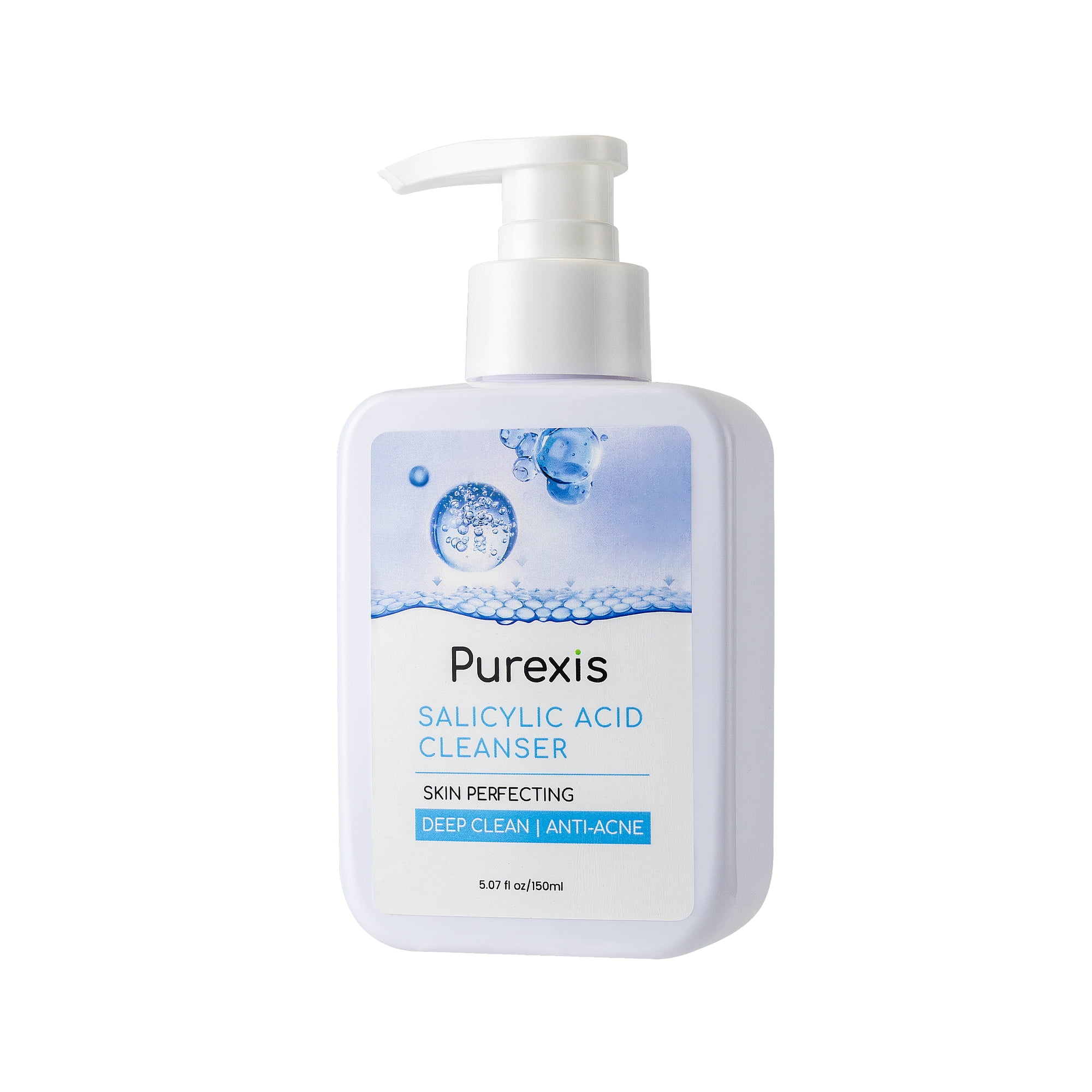
1. Gentle Cleansing
Start with a non-stripping cleanser that removes sweat and sebum without stripping lipids. A creamy, sulfate‑free formula applied to damp skin and rinsed with lukewarm water keeps the barrier intact. If your skin feels tight or “squeaky” after washing, you’ve likely over‑cleansed.
2. Antioxidant Boost
An antioxidant serum is the backbone of any healthy skin habit. Vitamin C, in particular, neutralizes free radicals, brightens the complexion, and boosts collagen synthesis. Apply a pea‑sized drop to the entire face, letting it absorb before moving to the next step.
3. Hydration Layer
Hyaluronic acid is a superstar because it can hold up to 1,000 times its weight in water. When applied to damp skin, it draws moisture from the air and locks it in, instantly filling fine lines. Follow with a lightweight moisturizer that contains ceramides or niacinamide to reinforce the barrier.
4. Sunscreen – The Non‑Negotiable
Broad‑spectrum SPF 30 or higher is your best defense against photoaging. Apply it as the final step of your morning routine, even on cloudy days. Look for a formula that feels light and non‑comedogenic if you have oily skin, or a richer cream if you’re on the dry side.
Evening: Repair and Renew
Nighttime is when the skin’s permeability peaks, making it the ideal window for potent actives that might degrade in daylight.
1. Double Cleansing
First, use an oil‑based cleanser to dissolve sunscreen and makeup. Then follow with a gentle water‑based cleanser to remove sweat and pollutants. This two‑step process ensures a clean canvas for serums and treatments.
2. Retinoid Introduction
Retinoids—retinol, retinaldehyde, or bakuchiol—are the gold standard for stimulating collagen production and accelerating cell turnover. Start with a low concentration (0.25%–0.5%) applied every other night. Use the “sandwich” method: a thin layer of moisturizer, then the retinoid, then another moisturizer to buffer irritation.
3. Eye Care
The skin around the eyes is thinner and more prone to fine lines. Choose an eye cream with peptides or caffeine. Peptides act as messengers that signal the skin to build collagen, while caffeine constricts blood vessels, reducing puffiness that stretches the skin.
4. Occlusive Moisturizer
Seal in the benefits of your nighttime actives with a barrier‑repair cream rich in ceramides, hyaluronic acid, and a lightweight occlusive like dimethicone. This locks moisture in and keeps irritants out during the night’s repair cycle.
Beyond the Bottles: Lifestyle Factors That Matter
Products are only part of the equation. The following habits reinforce the skin’s resilience and help fine lines stay shallow.
- Hydration from Within: Aim for 2–3 liters of water daily. Pair hydration with foods high in water content—cucumbers, watermelon, oranges—to give the dermis a steady supply.
- Sleep Position: Sleeping on your back reduces pressure on the face. If you’re a side sleeper, consider a silk pillowcase to minimize friction and prevent “sleep lines.”
- Omega‑Rich Foods: Walnuts, chia seeds, salmon, and avocado provide essential fatty acids that support the skin’s lipid barrier, keeping it supple and less prone to cracking.
Advanced Additions for a Firming Routine
Once the basics are solid, you can layer in targeted treatments. Introduce one new product at a time and monitor how your skin responds.
Chemical Exfoliation
Alpha hydroxy acids (AHAs) like glycolic or lactic acid dissolve the “glue” that holds dead skin cells together. Exfoliate 1–2 times a week to reveal smoother skin underneath. Avoid using AHAs on the same night as a retinoid unless your skin is exceptionally resilient.
Peptides and Growth Factors
Peptide serums deliver short chains of amino acids that act as building blocks for collagen. They are gentle, well‑tolerated, and can be used alongside Vitamin C and retinoids without irritation.
Facial Massage and Lymphatic Drainage
Gentle massage with upward strokes or a gua sha tool increases blood flow and helps drain excess fluid. This can temporarily lift the skin and smooth expression lines. Use a lightweight oil or serum to reduce friction.
Common Mistakes to Avoid
Patience and balance are key. Over‑exfoliation, mixing incompatible actives, and neglecting the neck can sabotage progress.
- Don’t Over‑Exfoliate: Physical scrubs or harsh chemical peels can create micro‑tears, leading to inflammation and deeper lines.
- Separate Actives by Time of Day: Vitamin C is best in the morning; retinoids work best at night. Mixing them can cause irritation and reduce efficacy.
- Include the Neck and Chest: The skin here is thin and often overlooked. Extend sunscreen and moisturizer down to the collarbone to prevent premature aging.
The Long‑Term Perspective on Aging
Skin is a living organ that changes with time. The Wikipedia page on skin aging explains how intrinsic (genetic) and extrinsic (environmental) factors both play a role. While we can’t stop the clock, we can influence how our skin ages.
Consistency beats intensity. A simple routine performed daily for six months will deliver far greater results than a complex regimen attempted for a few weeks before causing irritation.
Summary Checklist for Your Routine
Here’s a quick reference to keep your routine focused.
- AM: Gentle Cleanser → Vitamin C Serum → Hyaluronic Acid → Moisturizer → Broad‑Spectrum SPF.
- PM: Oil Cleanser → Water Cleanser → Retinoid (start slow) → Eye Cream → Barrier‑Repair Moisturizer.
- Weekly: 1–2 AHA Exfoliations; 2–3 Facial Massages.
Frequently Asked Questions
How long does it take for a skincare routine for fine lines to show results?
Hydration effects are almost immediate—your skin looks plumper right after you apply hyaluronic acid. Collagen‑boosting actives like retinoids and Vitamin C, however, require a longer commitment. Most users notice a visible reduction in fine lines after 12–24 weeks of consistent use.
Can I use a firming routine if I have sensitive skin?
Yes, but choose gentler alternatives. Bakuchiol can replace retinol, and lactic acid is a milder exfoliant than glycolic acid. Always patch‑test new products on your inner forearm for 48 hours before full application.
Do I really need a separate eye cream?
While a face moisturizer can cover the eye area, an eye cream is formulated to be non‑irritating and often contains peptides or caffeine that target the delicate orbital skin more effectively.
Will these tips help with deep wrinkles as well as fine lines?
These steps are designed primarily for fine lines. They can improve the texture of deeper wrinkles, but for significant depth reduction, professional treatments like laser therapy or filler injections may be necessary.
Is it possible to over‑moisturize my skin?
Over‑moisturizing isn’t a real concern, but using an overly heavy formula on oily skin can clog pores and trigger breakouts. Match your moisturizer to your skin type: gels for oily, lotions for combination, and rich creams for dry.
Leave a Reply