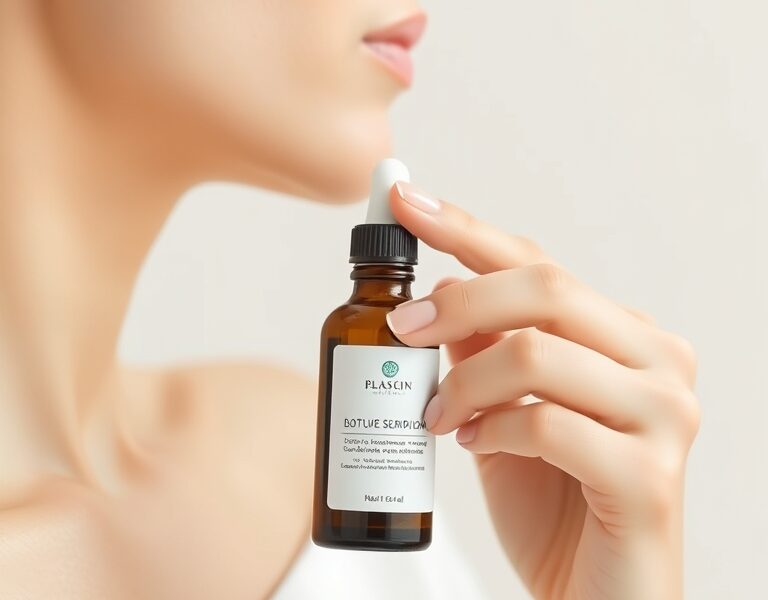
Choosing the best serum for uneven skin tone is more than picking a bottle that looks good on the shelf. It’s about understanding the science behind pigmentation, reading ingredient lists like a map, and integrating the product into a routine that respects your skin’s unique needs. Below is a comprehensive guide that walks you through every step—from identifying your skin’s concerns to mastering application techniques—so you can confidently choose a serum that delivers lasting, visible results.
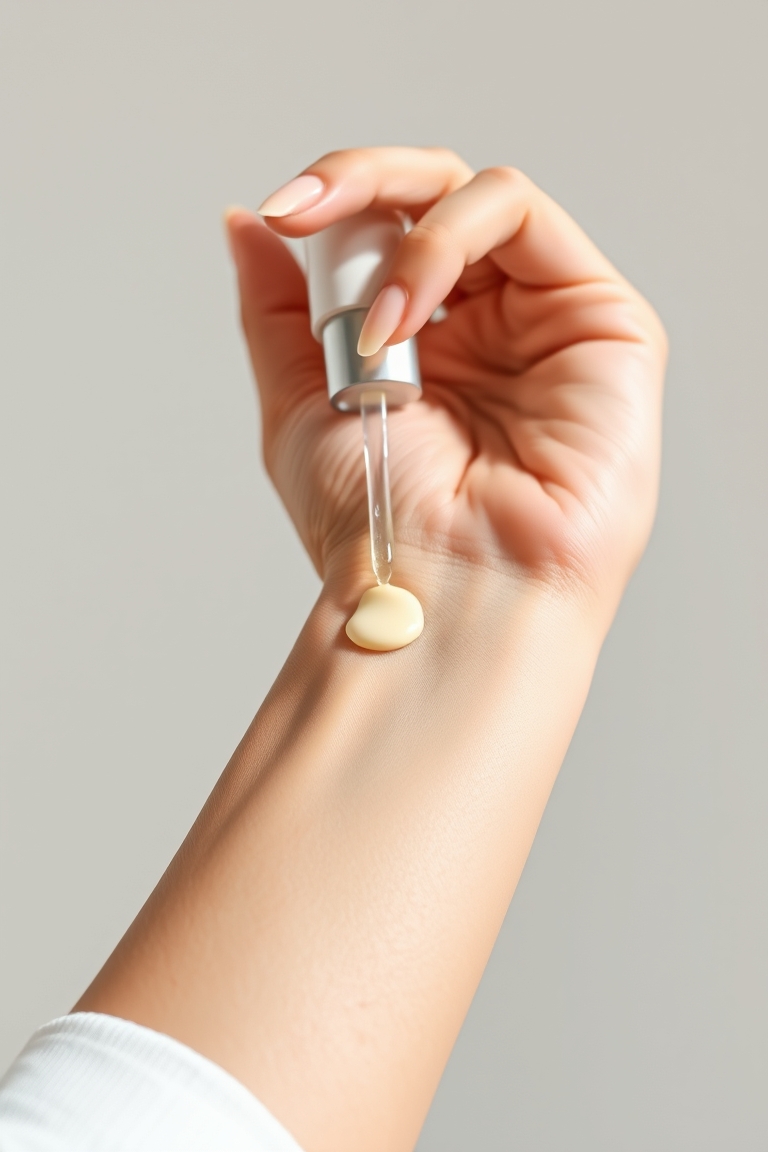
What Makes a Serum the Best for Uneven Skin Tone?
When you’re searching for the best serum for uneven skin tone, consider the following three pillars:
- Targeted Action: Does the serum address the specific type of discoloration you have—sun spots, post‑inflammatory hyperpigmentation, or a general dullness?
- Ingredient Transparency: Look for a clear, concise list where active ingredients are front‑and‑center. Avoid products that hide actives behind a wall of buzzwords.
- Safety & Compatibility: Ensure the formula is free from harsh alcohols, fragrances, or dyes that could irritate sensitive skin. The serum’s pH should complement your moisturizer and sunscreen for seamless layering.
Understanding the Roots of Uneven Skin Tone
Uneven skin tone can stem from a variety of sources:


- Sun Exposure: UV radiation stimulates melanin production, leading to sun spots and an overall dull complexion.
- Hormonal Changes: Pregnancy, menopause, or birth control can trigger melasma or darkening of the skin.
- Post‑Inflammatory Hyperpigmentation (PIH): Acne, eczema, or injuries leave behind dark patches as the skin heals.
- Genetics: Some people naturally have a higher melanin baseline, predisposing them to uneven tone.
Identifying the primary cause helps you pick the right active ingredient. For example, if sun damage is the culprit, antioxidants and broad‑spectrum UV blockers are essential. If PIH is the issue, inhibitors of melanin synthesis become the focus.
Types of Serums to Tackle Uneven Tone
Brightening Serum
Brightening serums aim to lift dullness and give the skin a luminous glow. Key actives include:
- Vitamin C (L‑ascorbic acid): A powerful antioxidant that brightens and protects.
- Niacinamide: Reduces inflammation and lightens dark spots.
- Licorice Root Extract: Contains glabridin, which inhibits tyrosinase.
Use after cleansing and before moisturizer. Allow a minute for absorption before applying the next layer.
Even Tone Serum
Even tone serums focus on creating uniformity by gently exfoliating and inhibiting melanin production. Common ingredients:
- Azelaic Acid: Dual action—exfoliates and lightens pigmentation.
- Kojic Acid: A natural melanin inhibitor.
- Arbutin: A hydroquinone analogue that reduces melanin synthesis.
Ideal for stubborn discoloration that hasn’t responded to milder treatments.
Dark Spot Serum
These formulations contain higher concentrations of pigment‑reducing agents. Examples include:
- Hydroquinone (regulated markets): The gold standard for hyperpigmentation.
- Tranexamic Acid: Inhibits the conversion of melanin precursors.
- Glycolic Acid (high %): Exfoliates dead cells, revealing fresher skin.
Use with caution, especially on sensitive skin. Pair with a broad‑spectrum SPF to prevent re‑darkening.
Glow Serum
A hybrid that blends brightening with hydration. Humectants like hyaluronic acid and light‑reflecting particles give the skin a subtle sheen, masking minor discolorations without targeting pigment directly.
Ingredient Spotlight: Dive Deeper Into Key Actives
Vitamin C Derivatives
While L‑ascorbic acid is the gold standard, it’s notoriously unstable. Derivatives such as ascorbyl glucoside, magnesium ascorbyl phosphate, and tetrahexyldecyl ascorbate offer improved stability while delivering similar benefits—brightening, collagen support, and antioxidant protection.
Niacinamide
At 5%–10%, niacinamide is safe for most skin types. It not only lightens spots but also improves barrier function, reducing sensitivity that can exacerbate pigmentation.
Azelaic Acid
Unique among acids, azelaic acid is both antimicrobial and keratolytic. It’s especially useful for those with acne‑related hyperpigmentation, as it addresses both issues simultaneously.
Tranexamic Acid
Originally an antifibrinolytic drug, tranexamic acid has emerged as a potent pigment reducer. It works by blocking the conversion of melanocytes to active pigment cells, offering a non‑inflammatory approach to dark spots.
Glycolic Acid
As the smallest alpha‑hydroxy acid, glycolic acid penetrates deeply, speeding cell turnover and revealing fresher skin. In concentrations above 10%, it can noticeably fade pigmentation over time.
Hydroquinone
Regulated in many countries, hydroquinone remains the most potent melanin inhibitor. Due to potential irritation and regulatory restrictions, it’s best used under professional guidance.
How to Read Serum Labels Like a Pro
- Active Ingredients First: The top of the list should feature the most potent actives.
- Concentration Matters: Look for percentages—5% niacinamide is more potent than 1%.
- Check for Synergy: Some serums pair vitamin C with ferulic acid and vitamin E for enhanced stability.
- Beware of “Antioxidant” Buzzwords: Without a specified actives list, the claim is vague.
- Storage Indicators: If the bottle is dark or has a pump, it’s likely formulated for stability.
Step‑by‑Step Routine for Maximum Effect
Morning Routine (Brightening Focus)
- Cleanse with a gentle foaming or cream cleanser.
- Apply a lightweight brightening serum (e.g., vitamin C + niacinamide).
- Follow with a hydrating moisturizer containing ceramides.
- Finish with a broad‑spectrum SPF 30+ sunscreen.
Night Routine (Even Tone Focus)
- Cleanse to remove makeup and sunscreen.
- Apply an even‑tone serum (e.g., azelaic acid or tranexamic acid).
- If using retinol, wait 5–10 minutes before application.
- Apply a richer night cream or facial oil.
Layering Order: From Light to Heavy
When using multiple serums, always start with the thinnest, most water‑based product and finish with the heaviest oil or cream. This ensures optimal penetration and prevents pilling.
Storage Tips to Preserve Efficacy
- Keep serums in a cool, dark place—ideally a drawer or cabinet away from heat.
- Use pumps or dropper bottles to minimize air exposure.
- Avoid storing in the bathroom where humidity can degrade actives.
When to Seek Professional Guidance
While many serums are safe for over‑the‑counter use, certain situations warrant a dermatologist’s input:
- Persistent or worsening hyperpigmentation.
- Skin irritation after using actives.
- Desire to use hydroquinone or high‑strength acids.
- Pregnancy or breastfeeding—some actives may be contraindicated.
Common Myths About Brightening Serums
- Myth: Brightening serums will bleach your skin. Reality: They inhibit melanin production, not remove pigment.
- Myth: More active concentration equals faster results. Reality: Higher concentrations increase irritation risk.
- Myth: You can skip sunscreen if you use a brightening serum. Reality: UV exposure counteracts pigment‑reducing actives.
Frequently Asked Questions
- What is the best serum for uneven skin tone? The answer depends on your specific issue. Brightening serums work for dullness, while even tone or dark spot serums target pigmentation. Look for proven actives like vitamin C, niacinamide, azelaic acid, or tranexamic acid.
- How often should I apply a serum for uneven skin tone? Typically once or twice daily. Use a brightening serum in the morning and an even‑tone serum at night, adjusting frequency if your skin shows irritation.
- Can I use a serum with retinol? Yes, but layer carefully. Apply the serum first, wait a few minutes, then apply retinol. For sensitive skin, consider alternating nights.
- Will a serum cure hyperpigmentation instantly? No. Pigmentation treatments require consistent use for several weeks to months before noticeable improvement appears.
- Is it safe to use a brightening serum on sensitive skin? Yes, if you choose a lower concentration and add soothing ingredients like centella asiatica or aloe vera. Always perform a patch test before full application.
Choosing the right serum for uneven skin tone is a blend of science, observation, and patience. By understanding your skin’s needs, reading labels critically, and following a structured routine, you’ll set the stage for lasting, visible improvement. Remember, the best serum is the one that respects your skin’s individuality and is used consistently with proper sun protection.
For more in‑depth skincare guidance, visit Healthy Skin World.
Leave a Reply