How to fade the look of dark spots is a question that surfaces daily for anyone dealing with uneven skin tone. Whether you’ve struggled with dark spots on your face from sun exposure or post‑acne marks, the journey to clearer skin can feel endless. The good news? Many natural methods can be incorporated into a daily routine, and you can start seeing gradual improvements without expensive treatments.
Understanding the Roots of Dark Spots
To effectively fade the look of dark spots, it’s helpful to know why they appear. The primary culprit is melanin production—your skin’s pigment that protects against UV rays. When overproduced in certain areas, melanin forms concentrated patches. Other triggers include inflammation from acne, hormonal shifts, and even friction from clothing. By identifying the underlying cause, you can target the right natural approach.
Common Types of Hyperpigmentation
- Melasma: Often related to hormonal changes or sun exposure.
- Post‑acne marks: Result from inflammation and healing processes.
- Solar lentigines: Sun‑induced spots that appear on exposed skin.
- Freckles and birthmarks: Genetic pigmentations that may darken over time.
How to Choose Natural Ingredients
Not every natural ingredient works for everyone. Look for:


- Antioxidant‑rich: Vitamin C, green tea, and licorice root help neutralize free radicals that stimulate melanin.
- Anti‑inflammatory: Aloe vera, chamomile, and calendula soothe redness that can worsen pigment.
- Exfoliating acids: Alpha‑hydroxy acids (AHA) like glycolic acid or fruit acids (e.g., lactic acid) gently remove dead cells.
- Lightening agents: Licorice extract, niacinamide, and vitamin B3 inhibit tyrosinase, the enzyme that creates melanin.
Always patch‑test new ingredients on a small area of skin for 48 hours to rule out irritation.
Step‑by‑Step Natural Routine to Fade Dark Spots
The key to success lies in consistency. Below is a practical routine you can follow daily, with optional nighttime boosters. Each step is designed to gently reduce pigment buildup while nurturing overall skin health.
Morning: Sun Protection & Gentle Brightening
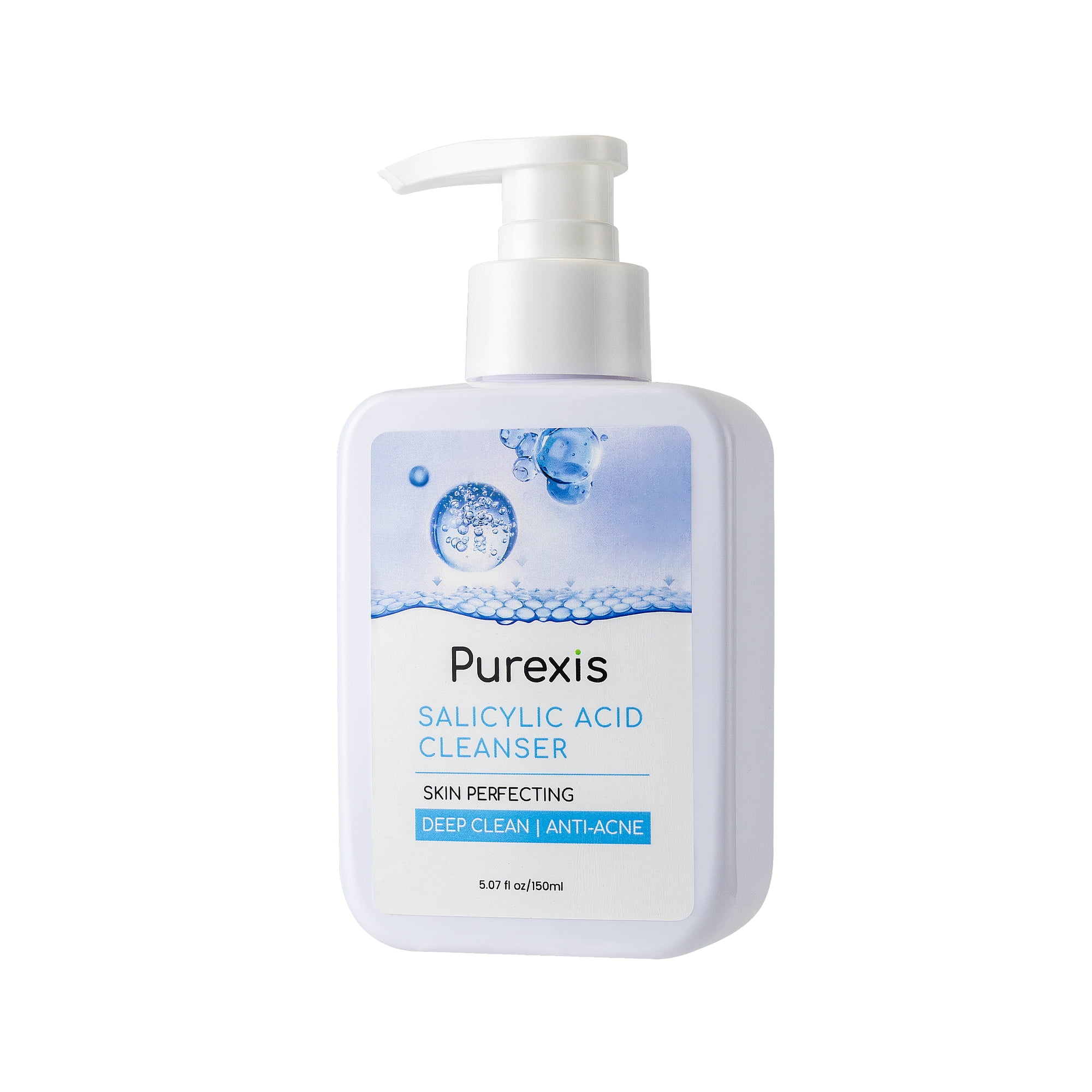
- Cleanse: Use a mild, fragrance‑free cleanser that won’t strip natural oils. A gentle micellar water works well for sensitive skin.
- Sun Protection: Apply a broad‑spectrum sunscreen (SPF 30+). Sunlight can worsen dark spots, so protection is non‑negotiable. Reapply every 2 hours if you’re outdoors.
- Brightening Serum: Choose a light serum containing natural vitamin C derivatives (e.g., ascorbyl glucoside) or a plant‑based antioxidant like ferulic acid. Vitamin C may inhibit melanin production and supports collagen.
- Moisturizer: Finish with a hydrating moisturizer that contains ceramides or niacinamide to strengthen the skin barrier and reduce post‑treatment redness.
Evening: Focused Treatment & Overnight Repair
- Double Cleanse: First with an oil‑based cleanser to remove sunscreen, then a gentle foaming cleanser to clean pores.
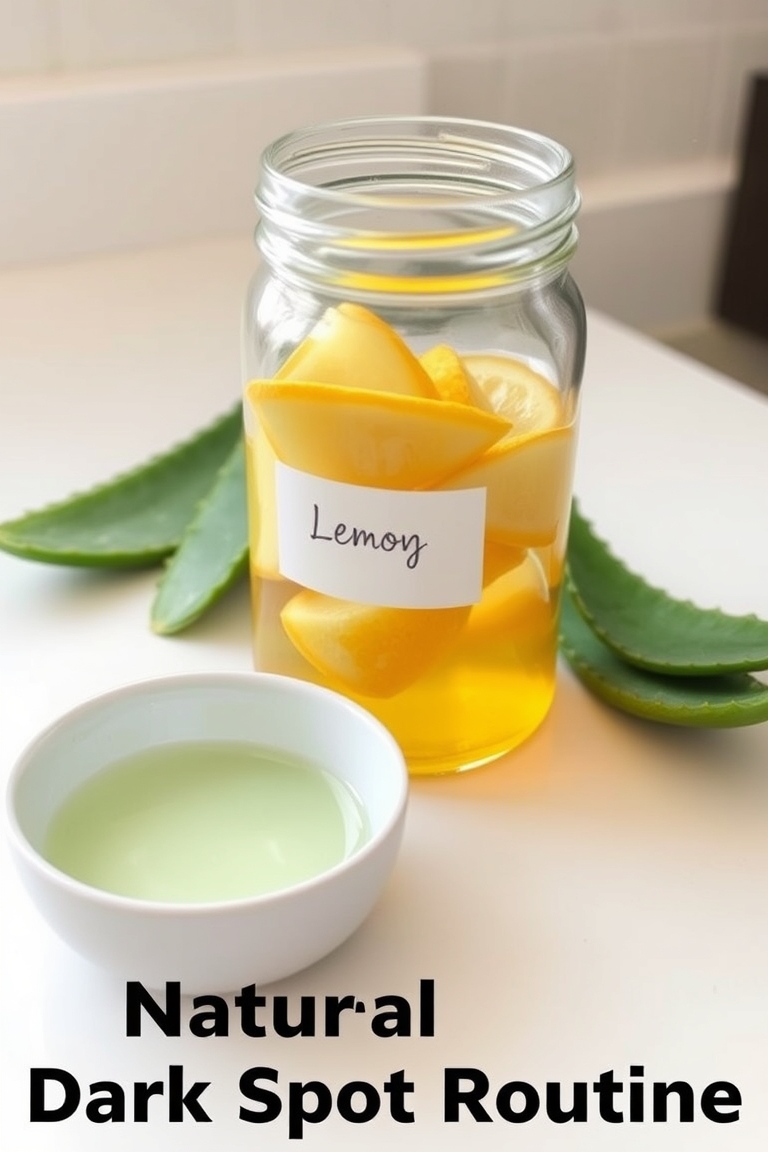
- Spot Treatment: A simple blend of aloe vera gel and a few drops of lemon juice can soothe inflammation and lighten pigment (use only on non‑sun‑exposed skin). For more potent action, mix a teaspoon of turmeric powder with a tablespoon of rosehip oil; turmeric contains curcumin, which may reduce hyperpigmentation, and rosehip oil supplies fatty acids that support skin renewal.
- Hydration: Seal in moisture with a humectant‑rich cream (e.g., containing hyaluronic acid). This helps the skin repair overnight.
Weekly Boosters: Exfoliation & Masking
- Gentle Chemical Exfoliation: Use a 5–10% alpha‑hydroxy acid (AHA) rinse once or twice a week. AHAs dissolve dead skin cells, allowing newer cells to surface and diluting pigment concentration.
- Natural Mask: Mix oatmeal with honey and plain yogurt. Oatmeal calms inflammation; honey is antibacterial and helps maintain moisture. Apply for 10–15 minutes, then rinse with lukewarm water.
- Avoid Physical Scrubs: Physical scrubs can irritate the skin, and irritation often leads to increased pigment.
DIY Spot Treatments: Lemon, Turmeric, Rosehip, Honey, and More
Creating your own spot treatments lets you tailor potency and avoid preservatives. Here are step‑by‑step recipes:
- Lemon & Honey Spot Gel: Mix 2 tsp lemon juice with 1 tsp honey. Apply to a cotton pad and dab on dark spots. Leave for 5 minutes, then rinse. Lemon’s citric acid lightens pigment; honey moisturizes.
- Turmeric & Rosehip Oil Paste: Combine 1 tsp turmeric powder with 2 tsp rosehip oil. Add a drop of witch hazel to thin. Apply to spots, leave for 10 minutes, rinse. Turmeric’s curcumin reduces inflammation; rosehip oil supplies vitamin A for cell turnover.
- Licorice & Green Tea Toner: Steep 1 tea bag of green tea for 10 minutes, cool, then add 1 tsp licorice root extract. Use as a toner after cleansing. Licorice inhibits tyrosinase, slowing melanin production.
- Avocado & Aloe Vera Mask: Mash half an avocado with 2 tsp aloe vera gel. Apply to face, leave for 15 minutes, rinse. Avocado is rich in vitamin E and healthy fats; aloe soothes and promotes healing.
Monitoring Progress and Adjusting Routine
Track changes by photographing your skin every 4 weeks under consistent lighting. Notice:
- Reduction in spot size or darkness.
- Evenness of skin tone across the entire face.
- Any new irritation or breakouts.
If you notice increased redness or sensitivity, reduce the frequency of active ingredients (e.g., use AHA only once a week). If no improvement after 3 months, consider consulting a professional.
Common Mistakes to Avoid
- Skipping sunscreen: Even on cloudy days, UV rays can penetrate and worsen pigment.
- Over‑exfoliating: Too much AHA or physical scrubs can damage the barrier, leading to more inflammation.
- Using harsh fragrances: Some perfumes can irritate post‑acne skin and trigger hyperpigmentation.
- Ignoring patch tests: New natural ingredients can cause allergic reactions.
- Expecting overnight results: Natural lightening is gradual; patience is essential.
Seasonal Adjustments
- Summer: Increase sunscreen SPF, use lighter moisturizers, and add a daily antioxidant serum.
- Winter: Use richer creams with ceramides to combat dryness; avoid cold, dry air that can irritate skin.
- Spring & Autumn: Maintain routine but monitor for increased sensitivity due to changing humidity.
Diet & Lifestyle Tweaks That Support Skin Lightening
What you eat and how you live can influence pigment production. Below are lifestyle changes that may complement your natural skincare routine.
- Hydration: Aim for at least 8 glasses of water daily to keep skin cells functioning optimally.
- Antioxidant‑rich foods: Berries, leafy greens, nuts, and seeds help neutralize free radicals that damage pigment cells.
- Limit sugary foods: High glycemic foods can spike insulin, potentially increasing melanin production.
- Regular sleep: Aim for 7–8 hours per night. During sleep, skin cells repair and regenerate.
- Stress management: Chronic stress can alter hormonal balances, indirectly affecting pigment levels.
- Exercise: Boosts circulation, delivering oxygen and nutrients to the skin.
When to Seek Professional Guidance
While natural methods can be effective, it’s wise to consult a dermatologist if:
- You notice new or worsening spots that don’t respond to home care.
- Your skin reacts with redness, swelling, or irritation after using natural ingredients.
- You have a history of skin cancer or severe sun damage.
Professional advice can help tailor treatments that align with your skin type and medical history.
External Insight: The Science Behind Hyperpigmentation
For a deeper dive into how pigment cells work, the hyperpigmentation page on Wikipedia offers a comprehensive overview.
Internal Resources for More Tips
Explore our comprehensive guide for additional natural skincare practices and ingredient insights.
Frequently Asked Questions
- how to fade the look of dark spots – The most effective natural approach involves consistent sun protection, gentle exfoliation, and targeted ingredients like vitamin C, aloe vera, and turmeric. Results may take several weeks to become noticeable.
- Can I use lemon juice on any dark spot? – Lemon juice is acidic and may irritate sensitive skin. Use it sparingly on non‑sun‑exposed areas and always perform a patch test first.
- What natural ingredient helps with post acne marks? – Aloe vera is soothing and can reduce inflammation; rosehip oil provides essential fatty acids that support skin renewal.
- How long does it take to see results? – With daily use, many people notice a subtle lightening within 4–6 weeks, but full fading can take up to 3 months depending on spot severity.
- Is regular sunscreen enough to prevent new dark spots? – While sunscreen greatly reduces new pigment formation, it’s not a cure for existing spots; it must be combined with the routine above for best results.
Leave a Reply