Niacinamide, the water‑soluble form of Vitamin B3, has earned a reputation as a multitasking powerhouse in modern skincare. Unlike many actives that target a single concern, niacinamide quietly works on several fronts—strengthening the barrier, balancing oil, brightening the complexion, and calming inflammation—all at once. Its gentle profile makes it a favorite for both newcomers and seasoned users alike.
What Does Niacinamide Do for the Skin?
At the cellular level, niacinamide is a precursor to the coenzymes NADH and NADPH. These molecules are essential for the Krebs cycle, the engine that powers our cells. When skin cells receive the energy they need, they can repair themselves more efficiently, produce healthy lipids, and maintain a robust barrier. Think of it as giving your skin a daily dose of “bio‑fuel” that keeps the epidermis running smoothly.
One of the most celebrated effects of niacinamide is its ability to boost ceramide production. Ceramides are lipid “glue” molecules that hold the skin’s outer layer together. Low ceramide levels lead to a leaky barrier, which manifests as dry, irritated skin that’s vulnerable to environmental aggressors. By increasing ceramide synthesis, niacinamide tightens the skin’s protective seal, locking in moisture and shielding it from pollutants, wind, and humidity.


Regulating Sebum Production
For those of us who battle an oily T‑zone, niacinamide offers a subtle yet effective counterbalance. Rather than stripping the skin and provoking a rebound surge of oil, it modulates sebum secretion, keeping the glands in check. The result is a matte finish that feels comfortable, not tight or flaky. Dermatologists report that patients using niacinamide see a noticeable reduction in shine within the first two weeks of consistent use.
Refining Pore Appearance
While genetics dictate the physical size of pores, their visual prominence can be managed. Niacinamide’s oil‑balancing and anti‑inflammatory properties help keep the pore lining clear, preventing the buildup of debris that makes pores look enlarged. Over time, users often describe their skin as looking smoother, with pores appearing less pronounced—especially when paired with a gentle exfoliant.
Niacinamide for Dark Spots and Hyperpigmentation
Many people turn to niacinamide for its brightening potential, but its mechanism differs from classic antioxidants like Vitamin C. Instead of halting melanin production, niacinamide interferes with the transport of pigment from melanocytes to keratinocytes. It essentially blocks the pigment’s journey to the skin’s surface, allowing the existing melanin to fade gradually.
This approach is particularly effective for:
- Post‑Inflammatory Hyperpigmentation (PIH): The brown or reddish marks that linger after acne or trauma.
- Age Spots: Sun‑induced discoloration that accumulates over time.
- Melasma: A stubborn condition that often requires a multi‑pronged strategy; niacinamide can support other treatments by evening out skin tone.
How to Use Niacinamide Serum Effectively
Incorporating a niacinamide serum into your routine is straightforward, but a few strategic tweaks can amplify results. Because it’s water‑soluble, you can apply it at any time of day.
Step‑by‑Step Application
- Cleanse: Use a gentle, pH‑balanced cleanser to remove surface impurities.
- Tone (Optional): A hydrating toner can prep the skin, especially if you’re dealing with dryness.
- Apply Serum: Dispense 2–3 drops onto your fingertips and pat it into the skin. Avoid vigorous rubbing; a light patting motion preserves the serum’s integrity.
- Moisturize: Seal the serum in with a moisturizer that contains ceramides or peptides. This step locks in the niacinamide and supports barrier repair.
- SPF: In the morning, finish with broad‑spectrum SPF 30 or higher. Though niacinamide isn’t photosensitive, protecting your skin from UV rays is the best defense against new pigmentation.
Choosing the Right Concentration
Niacinamide products range from 2 % to 10 %. While a higher percentage may sound appealing, studies show that 2 %–5 % delivers most benefits for the majority of users. Concentrations above 10 % can trigger irritation in sensitive skin, leading to redness or a mild breakout. If you’re new to the ingredient, start with a lower concentration and gradually increase as your skin acclimates.
Niacinamide Uses for Different Skin Types
The ingredient’s versatility means it can be tailored to a wide array of skin concerns.
For Acne‑Prone Skin
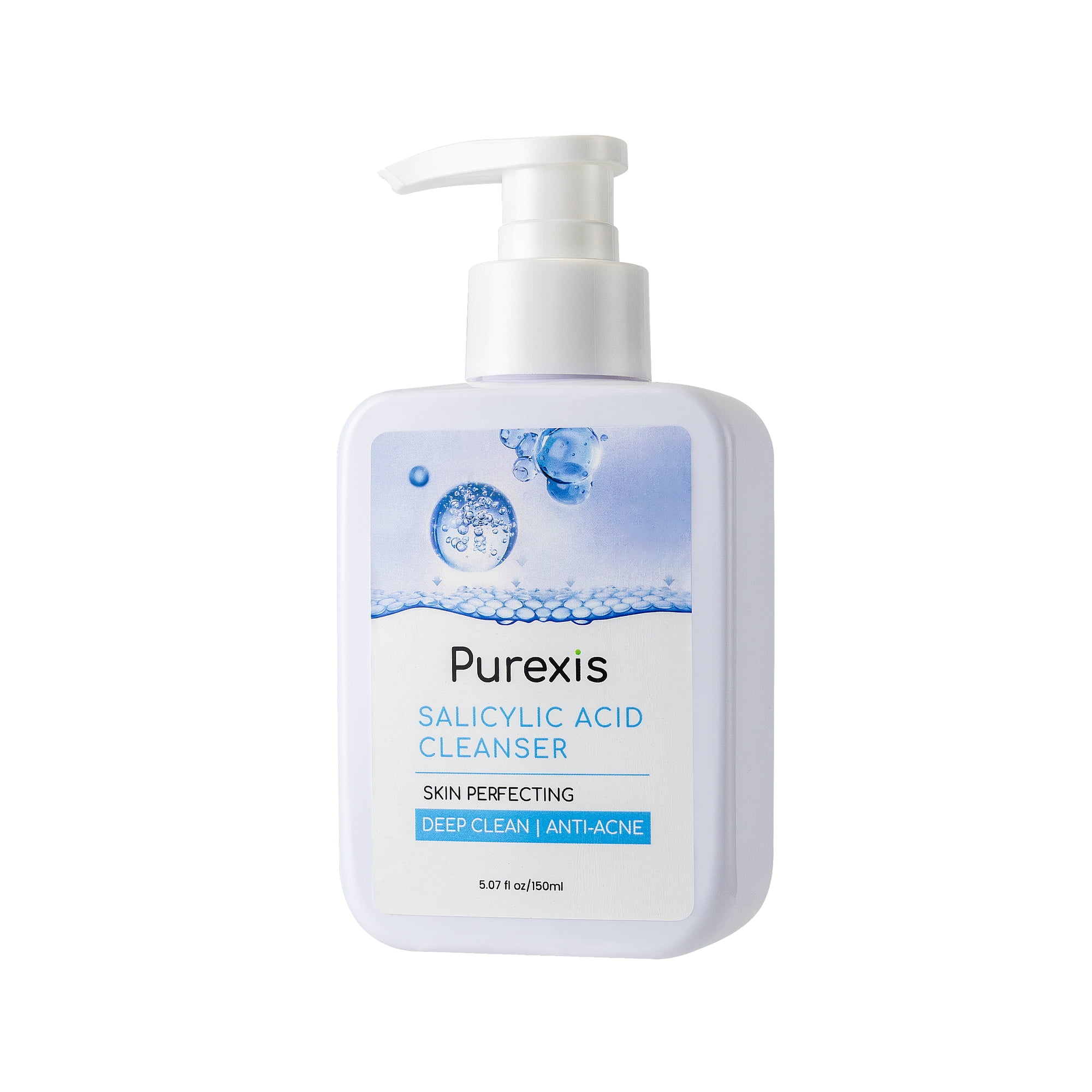
Acne thrives on excess oil, clogged pores, and inflammation. Niacinamide tackles all three: it calms redness, regulates sebum, and promotes faster healing of post‑acne marks. Many users combine it with a salicylic acid cleanser for a two‑step approach that exfoliates inside the pore while soothing the surface.
For Dry and Sensitive Skin
Dry skin often fears “actives” because of the risk of peeling. Niacinamide, by boosting ceramide production, actually fortifies the barrier and improves moisture retention. It’s a common ingredient in soothing creams for rosacea and general sensitivity, delivering relief without the sting.
For Aging Skin
As we age, collagen production slows and the skin’s elasticity wanes. Niacinamide stimulates collagen synthesis and enhances the skin’s resilience. While it doesn’t replace the punch of a retinoid, it provides a gentler, complementary boost that can help smooth fine lines and improve firmness, especially when used alongside peptides.
Comparing Niacinamide to Other Actives
Understanding how niacinamide interacts with other ingredients helps you build a more effective routine. It’s one of the most “friendly” actives in the skincare toolbox.
Niacinamide and Retinol
Retinol is a powerhouse for wrinkles and acne but can be drying. Niacinamide softens the retinol’s edge by reinforcing the barrier, reducing irritation. A common strategy is to use retinol at night and niacinamide in the morning, or to layer them on alternate nights if your skin tolerates it.
Niacinamide and Vitamin C
The myth that Vitamin C and niacinamide cancel each other out is outdated. In most formulations, they coexist peacefully. Vitamin C protects against UV damage and brightens by inhibiting melanin synthesis, while niacinamide prevents pigment transfer. Together, they tackle hyperpigmentation from two angles.
Niacinamide and Hyaluronic Acid
Hyaluronic acid draws water into the skin, creating a “plumping” effect. Niacinamide ensures the barrier can hold that moisture, preventing the water from evaporating. The combo delivers a visibly hydrated, radiant complexion.
Potential Side Effects and Precautions
While niacinamide is generally safe, a few users may experience a brief “purging” phase—an uptick in breakouts when the skin is adjusting. This is usually a reaction to other actives in the formula, not niacinamide itself.
If you notice redness, itching, or tiny bumps, try these steps:
- Patch Test: Apply a small amount on your inner forearm and wait 24 hours before using it on your face.
- Lower the Concentration: Switch from a 10 % serum to a 5 % or 2 % version.
- Buffering: Apply moisturizer first, then the serum, to slow absorption.
The Long‑Term Impact of Consistent Use
Results from niacinamide build over weeks, not days. Within the first two weeks, many users feel a noticeable drop in shine. By four weeks, redness from acne diminishes, and the skin’s overall tone starts to even out. After three months, persistent dark spots gradually fade, and the skin feels firmer and more resilient.
Consistency is key. Skipping days slows progress because the ingredient works at the cellular level, gradually reinforcing the barrier and pigment pathways. Aim to make niacinamide a daily staple, whether in the morning, evening, or both.
Summary of Benefits
Here’s a quick recap of what niacinamide offers:
- Barrier Support: Increases ceramide production, locking in moisture.
- Oil Control: Regulates sebum, reducing shine and acne.
- Brightening: Blocks pigment transport, fading dark spots.
- Texture Improvement: Minimizes the appearance of enlarged pores.
- Anti‑Inflammatory: Calms redness and soothes irritated skin.
Frequently Asked Questions
What are the main niacinamide benefits for skin?
Niacinamide strengthens the skin’s moisture barrier, regulates oil production, fades hyperpigmentation, and improves texture and tone by reducing pore visibility.
Can I use niacinamide every day?
Yes. Niacinamide is a Vitamin B3 derivative that supports the barrier, making it suitable for daily use in both morning and evening routines.
How long does it take for niacinamide to work on dark spots?
Visible fading typically occurs after 4 to 12 weeks of consistent, daily application. Patience is essential for hyperpigmentation.
Is niacinamide better than Vitamin C for brightening?
They work differently: Vitamin C inhibits melanin production, while niacinamide blocks pigment transfer. Using both can provide a more comprehensive brightening effect.
Can I use niacinamide with salicylic acid?
Absolutely. Salicylic acid exfoliates inside the pore, and niacinamide regulates oil and calms inflammation—an effective duo for oily or acne‑prone skin.
For more insights on building a balanced routine, visit our healthy skin routine guide.
Leave a Reply