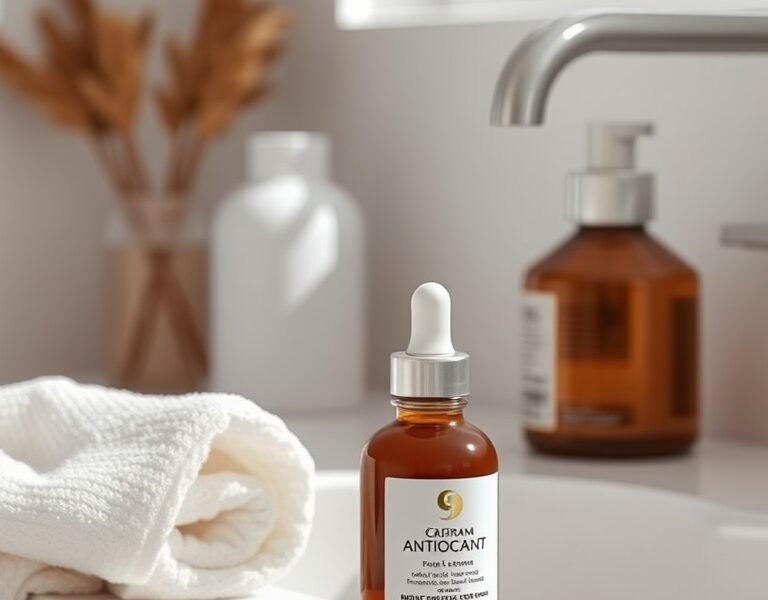
vitamin c vs niacinamide is a question that many skincare enthusiasts ask when looking to brighten their complexion. Both ingredients are celebrated for their ability to even skin tone, reduce hyperpigmentation, and enhance radiance, yet they work in distinct ways. In this guide, we’ll break down the science, compare the benefits, and help you decide which brightening ingredient is right for your routine. We’ll also cover how to layer brightening actives safely for maximum glow.
vitamin c vs niacinamide: which ingredient shines first?
When you first read about these two powerhouses, it’s easy to assume they can be swapped with no difference. However, vitamin C (ascorbic acid) and niacinamide (vitamin B3) target pigmentation through separate mechanisms. Vitamin C is a potent antioxidant that neutralizes free radicals and helps inhibit melanin production by blocking tyrosinase, the enzyme that catalyzes melanin synthesis. Niacinamide, on the other hand, stabilizes the skin barrier, reduces inflammation, and improves the transport of melanosomes (pigment‑containing organelles) away from the epidermis, which lessens the appearance of dark spots.
Which brightening ingredient is best for sensitive skin?
- Vitamin C: The most common forms—L‑ascorbic acid, sodium ascorbyl phosphate, and magnesium ascorbyl phosphate—vary in stability and pH requirements. L‑ascorbic acid is highly effective but can be irritating at concentrations above 10% for some people.
- Niacinamide: Generally well‑tolerated even at 5–10% concentrations. It can soothe redness and improve barrier function, making it a safer choice for those prone to sensitivity.
niacinamide or vitamin c: the synergy test
Many dermatologists recommend using both ingredients in the same routine because they complement each other. Vitamin C tackles oxidative stress while niacinamide strengthens the barrier and reduces post‑inflammatory hyperpigmentation. The key is to apply them in a sequence that preserves their efficacy. A common strategy is to use a low‑pH vitamin C serum in the morning, followed by a niacinamide moisturizer in the evening.


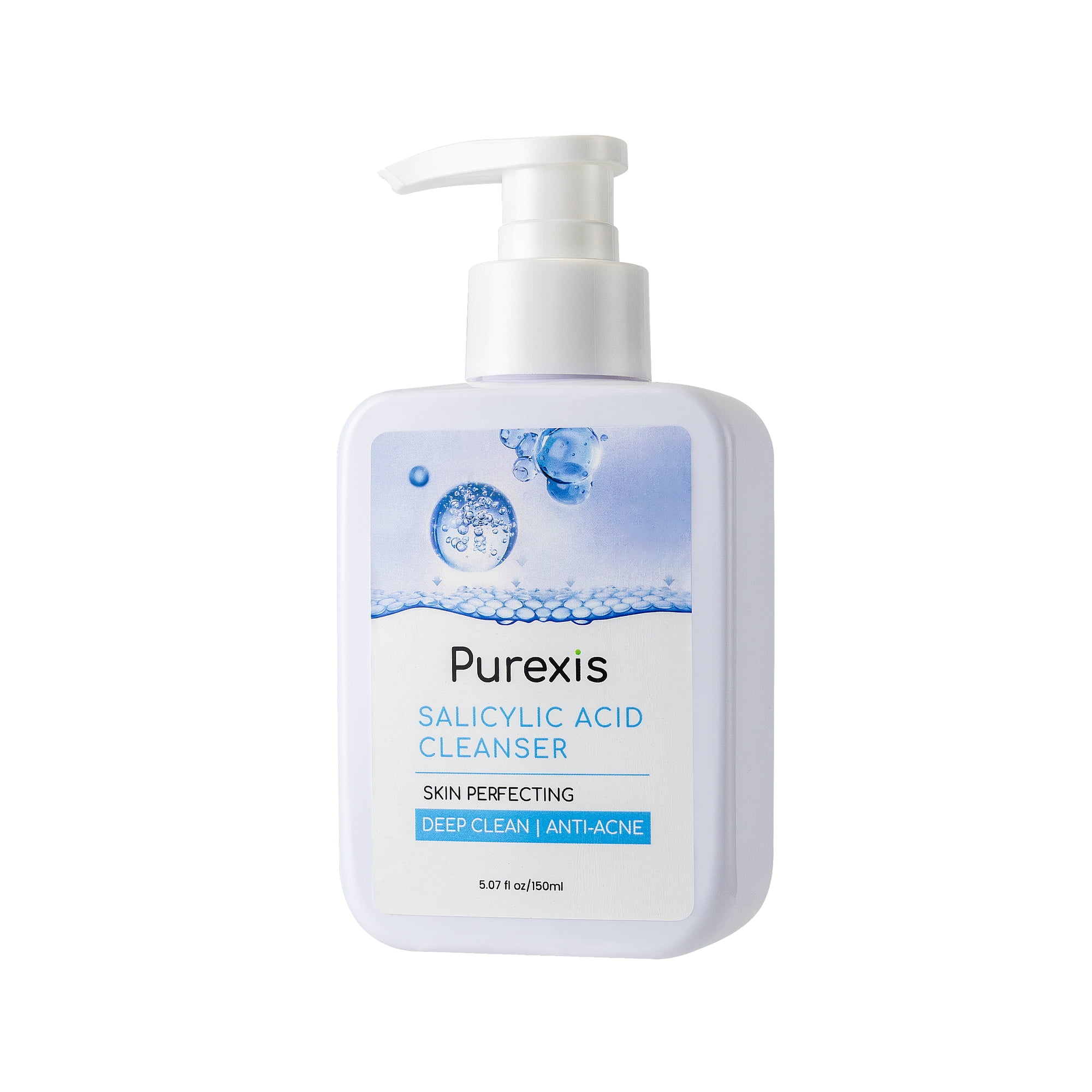
Layering brightening actives: a step‑by‑step guide
Layering brightening actives can amplify results, but the order matters. Here’s a practical routine:
- Cleanse with a gentle, pH‑balanced cleanser.
- Apply a vitamin C serum (pH 3.5–4.5). Let it absorb for 30–60 seconds.
- Follow with a niacinamide‑rich moisturizer (5–10%).
- Finish with broad‑spectrum SPF 30+ in the morning.
- In the evening, repeat steps 1–3, optionally adding a retinoid if your skin tolerates it.
When using both actives, keep the vitamin C concentration below 10% if you have sensitive skin, and choose a niacinamide product that is not heavier than a standard moisturizer to avoid occlusion.
How to test for tolerance before full application
- Patch test: apply a small amount of each serum on the inner forearm and wait 24 hours.
- Observe for redness, stinging, or swelling.
- If no reaction, proceed to full facial application.
Comparing the long‑term effects of vitamin c vs niacinamide
Clinical studies suggest that both ingredients can reduce melasma and post‑inflammatory hyperpigmentation over 12 weeks. Vitamin C’s antioxidant properties also help protect against photoaging, while niacinamide’s barrier‑strengthening effects can reduce transepidermal water loss. When combined, these benefits can lead to a more even skin tone and a smoother texture.
Potential side effects and how to mitigate them
- Vitamin C: May cause stinging at low pH or breakouts in acne‑prone skin when used at high concentrations. Mitigation: start with 5–7% and gradually increase, or opt for a buffered formulation.
- Niacinamide: Rarely causes flushing; high doses (above 15%) can lead to mild irritation. Mitigation: stay within 5–10% and pair with soothing ingredients like aloe or hyaluronic acid.
Which brightening ingredient should you choose for specific skin concerns?
Here’s a quick reference guide based on common concerns:
| Concern | Best Choice | Why? |
|---|---|---|
| Hyperpigmentation (dark spots) | Vitamin C | Strong melanin inhibition. |
| Post‑acne marks | Niacinamide | Reduces inflammation and improves barrier. |
| Sensitive, reactive skin | Niacinamide | Gentle, soothing effect. |
| Photoaging signs (fine lines, dullness) | Vitamin C | Antioxidant protects collagen. |
| Combination skin | Both in separate applications | Targeted action without clogging pores. |
Integrating vitamin c vs niacinamide into your existing routine
If you’re already using a retinoid or exfoliant, consider spacing out the brightening actives. For example, you might use vitamin C on alternate mornings and niacinamide on the other days. This approach reduces the risk of irritation while still delivering benefits.
When to avoid layering brightening actives
- Immediately after a chemical peel or intense exfoliation—allow at least 48 hours.
- If you have active eczema or dermatitis—consult a dermatologist first.
- When using high‑strength vitamin C (above 15%)—reduce frequency to twice a week.
Supporting brightening actives with lifestyle choices
Nutrition, hydration, and sun protection amplify the effects of vitamin c and niacinamide. Foods rich in vitamin C (oranges, berries, bell peppers) and B3 (whole grains, legumes) can reinforce skin health from the inside out. Remember to apply sunscreen daily; UV exposure can counteract the benefits of brightening actives.
Key takeaways
- Both vitamin C and niacinamide are powerful brightening actives but work through different mechanisms.
- Niacinamide is generally gentler and excellent for sensitive or acne‑prone skin.
- Vitamin C offers stronger antioxidant protection and is highly effective against hyperpigmentation.
- Layering them correctly can maximize results without irritation.
- Patch testing and gradual introduction are essential for tolerance.
FAQs
- vitamin c vs niacinamide: which one do I use first?
- Apply vitamin C first in the morning because it functions best at a low pH. Follow with niacinamide in the evening, or use a moisturizer that contains niacinamide after the serum has absorbed. This sequence preserves the activity of both ingredients.
- Can I use vitamin c and niacinamide on the same day?
- Yes, but keep the concentrations moderate (5–10%) and ensure the pH levels are compatible. Many users find it beneficial to alternate the two on different days or use them at different times of day to avoid potential pH conflicts.
- Will vitamin c cause my skin to break out?
- Not usually. Breakouts may occur if the concentration is too high or if you have very oily skin. Start with a lower percentage and monitor your skin’s response. If breakouts persist, try a buffered or ester form of vitamin C.
- Is niacinamide safe for oily skin?
- Absolutely. Niacinamide can regulate sebum production and reduce redness, making it a good choice for oily or combination skin types.
- Do I need to use sunscreen with vitamin c or niacinamide?
- Yes. Both actives can increase photosensitivity, especially vitamin C. Daily sunscreen protects the skin from UV damage and maintains the benefits of your routine.
For more in‑depth guides on skin care ingredients, visit Healthy Skin World. And to learn more about the science behind vitamin C, check out Vitamin C on Wikipedia.
Leave a Reply