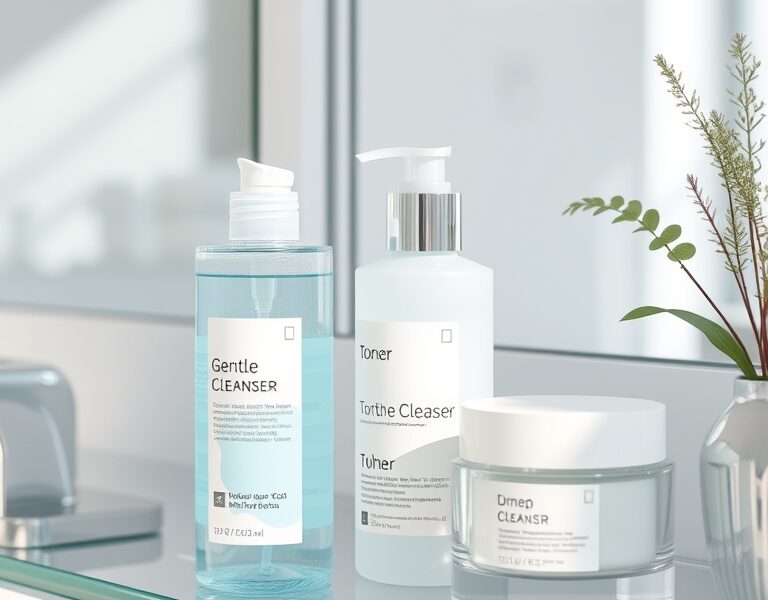
Skincare routine for oily acne‑prone skin can feel overwhelming, but with a clear plan, you can manage excess oil and breakouts. The goal isn’t to strip your skin of all moisture; it’s to strike a balance that keeps pores clear without triggering more oil production.
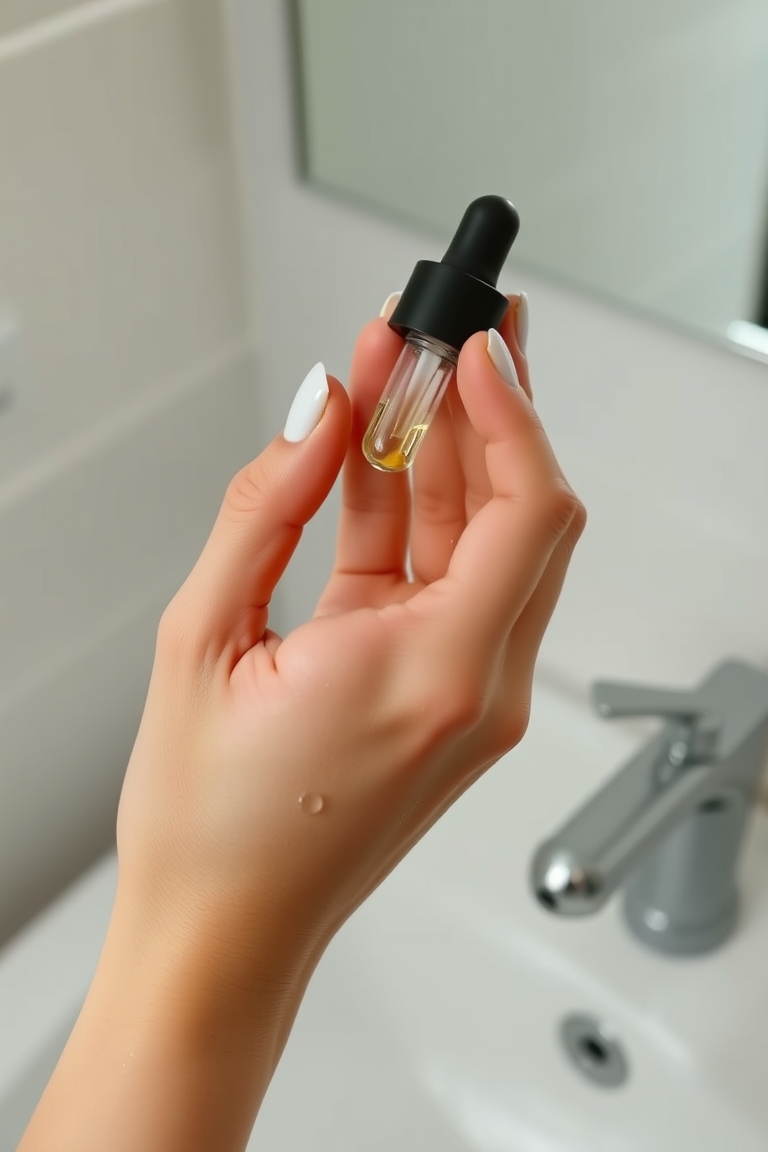
Why Oily Acne‑Prone Skin Needs a Structured Routine
Oily skin tends to produce more sebum, which can clog pores and create an environment that favors bacteria. When that bacteria multiplies, inflammation can set in, leading to the classic red, pimple‑filled look many people battle. A consistent routine helps:
- Regulate sebum without over‑drying.
- Prevent bacterial buildup.
- Maintain the skin’s natural barrier.
- Reduce the need for reactive treatments.
Choosing the Right Cleanser: Foaming vs Gel
Foaming cleansers are popular for oily skin because they feel refreshing and can remove excess oil quickly. However, if your skin is sensitive or prone to irritation, a gel cleanser with a lower pH (around 5.5) can be gentler while still providing effective cleansing. Look for ingredients such as:


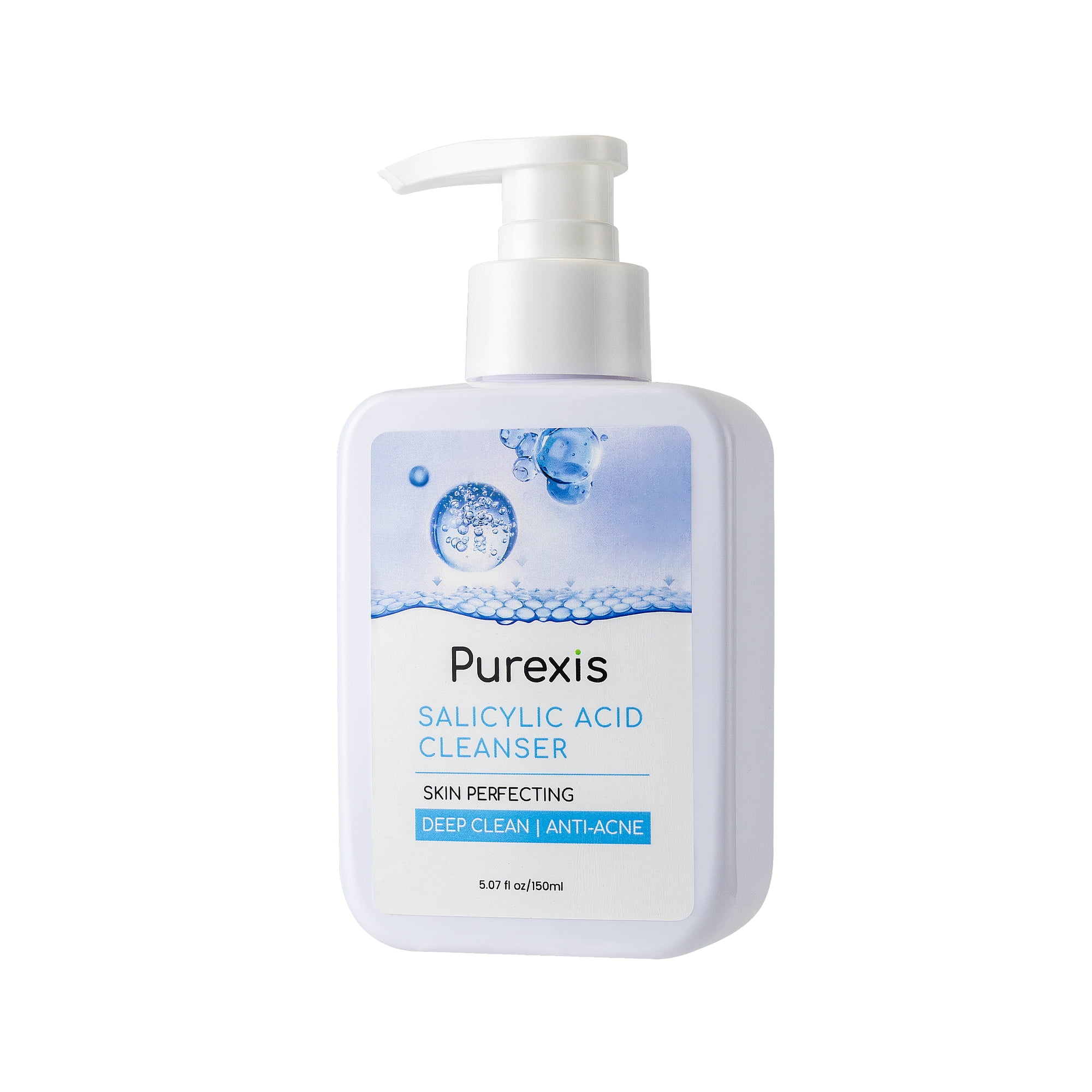
- Salicylic acid (0.5–2%) – dissolves dead skin cells and penetrates pores.
- Benzoyl peroxide (2.5–5%) – kills acne-causing bacteria.
- Tea tree oil – a natural antiseptic.
Morning (AM) Routine for Oily Skin
In the morning, you want to refresh and protect. The steps below are quick, gentle, and focused on controlling shine while priming the skin for the day.
1. Gentle Cleanser
Choose a foaming or gel cleanser that contains salicylic acid or benzoyl peroxide in low concentration if you’re comfortable. These ingredients help dissolve excess oil and unclog pores. Use lukewarm water and avoid harsh scrubbing.
2. Alcohol‑Free Toner
A toner with witch hazel or niacinamide can tighten pores and reduce oiliness. Make sure it’s alcohol‑free to avoid irritation.
3. Lightweight, Oil‑Free Serum
Apply a serum that contains antioxidants like vitamin C or zinc. These help calm inflammation and protect against environmental stressors. Apply a pea‑size amount and allow it to absorb.
4. Non‑Comedogenic Moisturizer
Even oily skin needs hydration. Look for gel‑based or water‑based moisturizers that are labeled non‑comedogenic. A thin layer is enough to keep the skin balanced.
5. Broad‑Spectrum Sunscreen
Use an oil‑free sunscreen with SPF 30 or higher. Sunscreen prevents photo‑aging and protects the skin’s barrier, which is essential for acne control.
Evening (PM) Routine for Oily Acne‑Prone Skin
Nighttime is when your skin repairs itself. A slightly more intensive routine can help clear existing breakouts and prepare the skin for the next day.
1. Double Cleanse
Start with an oil‑based cleanser to remove sunscreen and makeup. Follow with a gentle foaming cleanser to clean the surface. This two‑step cleanse is gentle enough for oily skin and effective at removing impurities.
2. Exfoliation (2–3 Times a Week)
Use a chemical exfoliant containing alpha‑hydroxy acids (AHAs) or beta‑hydroxy acids (BHAs). Salicylic acid is ideal for oily acne‑prone skin because it penetrates pores. Exfoliate 2–3 times weekly to avoid over‑exposure.
3. Targeted Spot Treatment
If you have active pimples, apply a spot treatment with benzoyl peroxide or sulfur. Use only on the affected area to minimize irritation.
4. Hydrating Serum
Choose a serum with hyaluronic acid or ceramides to help restore the barrier. A few drops are enough; let it absorb before moving to the next step.
5. Oil‑Free Moisturizer
Repeat the morning moisturizer. If you feel your skin needs extra hydration, add a lightweight eye cream or a thin layer of moisturizer over the face.
Weekly Extras: Deep‑Cleanse Mask and Overnight Treatment
Adding a weekly mask or overnight treatment can boost the routine without overloading the skin.
Clay Mask (Once a Week)
- Apply a thin layer of a bentonite or kaolin clay mask to the entire face.
- Leave on for 10–15 minutes, then rinse with lukewarm water.
- Clay masks absorb excess oil and help clear pores.
Overnight Oil‑Control Gel (Every Other Night)
Apply a small amount of an oil‑free gel that contains niacinamide or zinc. These ingredients support sebum regulation while you sleep.
Lifestyle Tips That Support Oily Acne‑Care
- Maintain a balanced diet: Limit sugary and greasy foods, and increase fruits, vegetables, and omega‑3 sources.
- Hydrate: Aim for 8 cups of water daily to help regulate oil production.
- Manage stress: Practice mindfulness or yoga; stress can trigger hormonal shifts that increase sebum.
- Sleep well: 7–9 hours of quality rest supports skin repair.
- Avoid touching or picking at blemishes to reduce irritation.
Common Mistakes to Avoid
- Over‑cleansing or using harsh scrubs can trigger rebound oil production.
- Skipping sunscreen can worsen acne scars and lead to uneven skin tone.
- Using too many active ingredients at once may irritate the barrier.
- Neglecting to change pillowcases and face towels regularly can spread bacteria.
How to Adjust the Routine Based on Seasonal Changes
Oily skin can become more pronounced in warm, humid months. In cooler seasons, sebum production may drop, but you might still need the same base steps. Adjust by:
- Adding a light hydrating sheet mask during winter.
- Increasing the frequency of clay masks in summer.
- Using a heavier, oil‑free moisturizer if the skin feels tight.
When to Seek Professional Guidance
If you notice persistent redness, severe inflammation, or scarring, consider consulting a dermatologist. They can prescribe stronger topical or oral treatments tailored to your skin’s needs.
FAQ
- Skincare routine for oily acne‑prone skin: what is the most important step? The first cleanse is crucial because it removes excess sebum and prepares the skin for all subsequent products.
- Can I use retinol in my oily acne routine? Yes, a low‑strength retinol can help with cell turnover, but start slowly to avoid irritation.
- How often should I exfoliate if I have oily acne‑prone skin? 2–3 times a week is ideal; too frequent can disrupt the barrier.
- Is it okay to use a toner with alcohol? Alcohol can dry out the skin and trigger more oil. Opt for alcohol‑free toners.
- Do I need to use a separate sunscreen for oily skin? A lightweight, oil‑free sunscreen works best; it won’t clog pores or add shine.
For more insights on maintaining healthy skin, visit Healthy Skin World.
To learn about the science behind acne, check out the Wikipedia article on acne.
Leave a Reply