What is tranexamic acid for skin is a question many skincare enthusiasts ask as they seek effective ways to brighten and even out their complexion. In an era where “glass skin” and hyper-pigmentation correction are top priorities, this ingredient has transitioned from clinical settings to the vanity tables of millions.
What Is Tranexamic Acid for Skin?
Tranexamic acid is a synthetic derivative of the amino acid lysine. While it gained fame in the medical world as an antifibrinolytic agent used to treat bleeding disorders and surgery-related blood loss, its role in skincare has grown rapidly in recent years. In the context of dermatology, tranexamic acid is a brightening ingredient specifically designed to target stubborn discoloration.
Unlike exfoliating acids (like glycolic or salicylic acid) that remove the top layer of skin, tranexamic acid works on a cellular level to manage how pigment is produced. It is primarily used to treat hyperpigmentation, melasma, and post-inflammatory erythema (PIE) or post-inflammatory hyperpigmentation (PIH)—the dark marks left behind after an acne breakout or injury.


How Tranexamic Acid Works on Skin: The Science of Brightening
To understand how it works, we first have to look at how skin becomes dark. The pigment that gives skin its color is melanin, produced by specialized cells called melanocytes in the epidermis. When the skin is triggered by UV exposure, hormonal changes, or inflammation (like a pimple), melanocytes overproduce melanin, leading to dark patches.
Tranexamic acid acts as a sophisticated “interrupter” in this process. It works through several mechanisms:
- Plasmins Inhibition: It inhibits the activation of plasmin, an enzyme that triggers the release of inflammatory mediators. By calming this inflammatory response, the skin is less likely to trigger the production of excess melanin.
- Tyrosinase Regulation: While not as aggressive as some hydroquinone-based treatments, it helps modulate the activity of tyrosinase, the key enzyme responsible for melanin synthesis.
- Vascular Component: Specifically for melasma, tranexamic acid is believed to reduce the vascular component (the redness/blood vessel activity) that often accompanies pigment patches, leading to a more uniform skin tone.
Tranexamic Acid Benefits: Why Choose This Over Other Brighteners?
When you ask “what is tranexamic acid for skin,” you may be curious about how it compares to Vitamin C or Retinoids. Here are the most widely recognized benefits:
- Targeted Hyperpigmentation Reduction: It is exceptionally effective for melasma (the “mask of pregnancy”) and age spots that other brighteners struggle to fade.
- Gentle on Sensitive Skin: Unlike AHAs or high-strength retinols, tranexamic acid does not typically cause peeling, redness, or “purging,” making it an excellent choice for those with reactive skin.
- Fast-acting for PIH: Many users report a visible softening of post-acne red and brown marks within 4–8 weeks of consistent use.
- Non-Photosensitizing: Unlike some acids that make your skin more prone to sunburn, tranexamic acid does not increase sun sensitivity, though sunscreen is still mandatory to prevent new spots.
- Synergistic Potential: It plays well with others. It can be layered with niacinamide to strengthen the skin barrier or Vitamin C to boost overall radiance.
Tranexamic Acid Serum: How to Use It Effectively
One of the most popular delivery methods for tranexamic acid is the serum. These are typically formulated at concentrations of 2–5%, which is the “sweet spot” for delivering results without causing irritation. To get the most out of your product, follow this professional application sequence:
Step 1: Double Cleanse
Start with an oil-based cleanser to remove makeup and SPF, followed by a gentle water-based cleanser. A clean canvas ensures the serum can penetrate the stratum corneum (the outermost layer of skin) without being blocked by debris.
Step 2: Prep with a Hydrating Toner
If you use a toner, choose one that is alcohol-free. Ingredients like hyaluronic acid or glycerin in a toner create a damp environment, which can help the subsequent serum absorb more efficiently.
Step 3: Apply Tranexamic Acid Serum
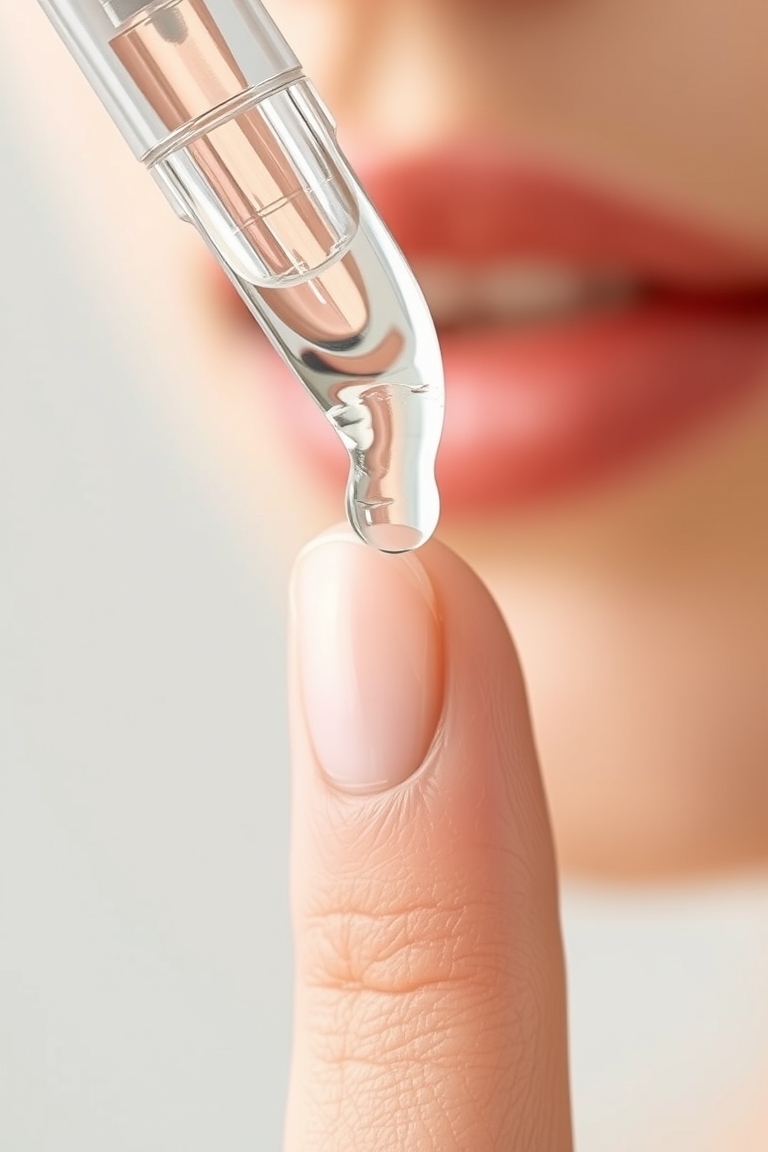
Apply 3–4 drops of the serum to your fingertips. Gently press the product into the skin rather than rubbing vigorously. Focus extra attention on areas with visible discoloration, such as the cheeks, forehead, or upper lip.
Step 4: Seal with a Moisturizer
Lock in the active ingredients with a non-comedogenic moisturizer. This prevents transepidermal water loss and ensures the skin barrier remains healthy while the brightening agents work underneath.
Step 5: The Non-Negotiable Step—Sunscreen
Hyperpigmentation is driven by UV rays. If you use a brightening serum but skip SPF, you are essentially “fighting a fire while adding gasoline.” Apply a broad-spectrum SPF 30 or higher every single morning, regardless of the weather.
Advanced Routine Integration: Pairing and Layering
To maximize your results, you can integrate tranexamic acid into different skincare frameworks depending on your skin goals:
The “Radiance Boost” Routine (Morning)
Combine tranexamic acid with Vitamin C. Use Vitamin C first to protect against free radicals, followed by tranexamic acid to target existing spots, and finish with SPF. This combination attacks pigmentation from two different angles.
The “Texture and Tone” Routine (Evening)
Pair it with Niacinamide. Niacinamide helps prevent the transfer of pigment to the skin cells, while tranexamic acid stops the production of that pigment. Together, they provide a comprehensive brightening effect.
The “Sensitive Skin” Approach
If you have very reactive skin, use tranexamic acid as a targeted spot treatment. Instead of applying it to the whole face, use a cotton swab to apply it only to the dark spots twice a day.
Safety, Precautions, and Contraindications
While tranexamic acid is generally safe and well-tolerated, there are a few professional precautions to keep in mind:
- The Patch Test: Always perform a patch test on the inner forearm for 24–48 hours. While rare, some individuals may experience contact dermatitis.
- Avoid Broken Skin: Do not apply the serum to open wounds, active cystic acne that has ruptured, or severely compromised skin barriers (e.g., after a chemical peel).
- Pregnancy and Nursing: While topical application is generally considered safe, tranexamic acid has systemic effects when taken orally. Always consult your OB-GYN or dermatologist before introducing new actives during pregnancy.
- Patience is Key: Skin cells take roughly 28–40 days to turn over. Do not expect overnight results; the most significant changes usually appear after two full skin cycles (approx. 8 weeks).
External Insight
For a deeper dive into the chemistry and medical history of tranexamic acid, you can read the Tranexamic Acid article on Wikipedia.
Frequently Asked Questions
What is tranexamic acid for skin exactly?
It is a brightening agent that inhibits the production of melanin by interfering with the inflammatory pathway and enzyme activity. It is primarily used to treat melasma, sun spots, and acne scars.
How long does it take to see results?
While some see a glow within two weeks, significant fading of hyperpigmentation typically takes 4 to 12 weeks of consistent, twice-daily application.
Is tranexamic acid safe for sensitive skin?
Yes, it is one of the gentlest brightening agents available. It does not cause the stinging or peeling associated with AHAs or Retinoids, though a patch test is always recommended.
Can I use tranexamic acid with retinol?
Yes. However, to avoid overwhelming the skin, many dermatologists recommend using tranexamic acid in the morning (under SPF) and retinol in the evening.
Can it be used on the body?
Absolutely. It is highly effective for treating “strawberry legs,” dark underarms, or hyperpigmentation on the chest and hands. Apply it exactly as you would on your face.
For more in‑depth guides on skin care and ingredient breakdowns, visit Healthy Skin World.
Leave a Reply