
We have all had those mornings where we look in the mirror and feel like our skin looks “tired.” Despite getting enough sleep, your complexion may appear lackluster, grayish, or uneven in tone. This is what dermatologists and estheticians refer to as dull skin.
Dull skin is primarily caused by a buildup of dead skin cells on the surface, dehydration, and environmental stressors like pollution or UV damage. While many turn to expensive chemical peels or invasive treatments, achieving a vibrant glow is often possible through consistent, natural interventions. By focusing on nourishment, cellular turnover, and lifestyle adjustments, you can restore your skin’s inherent luminosity without harsh synthetics.


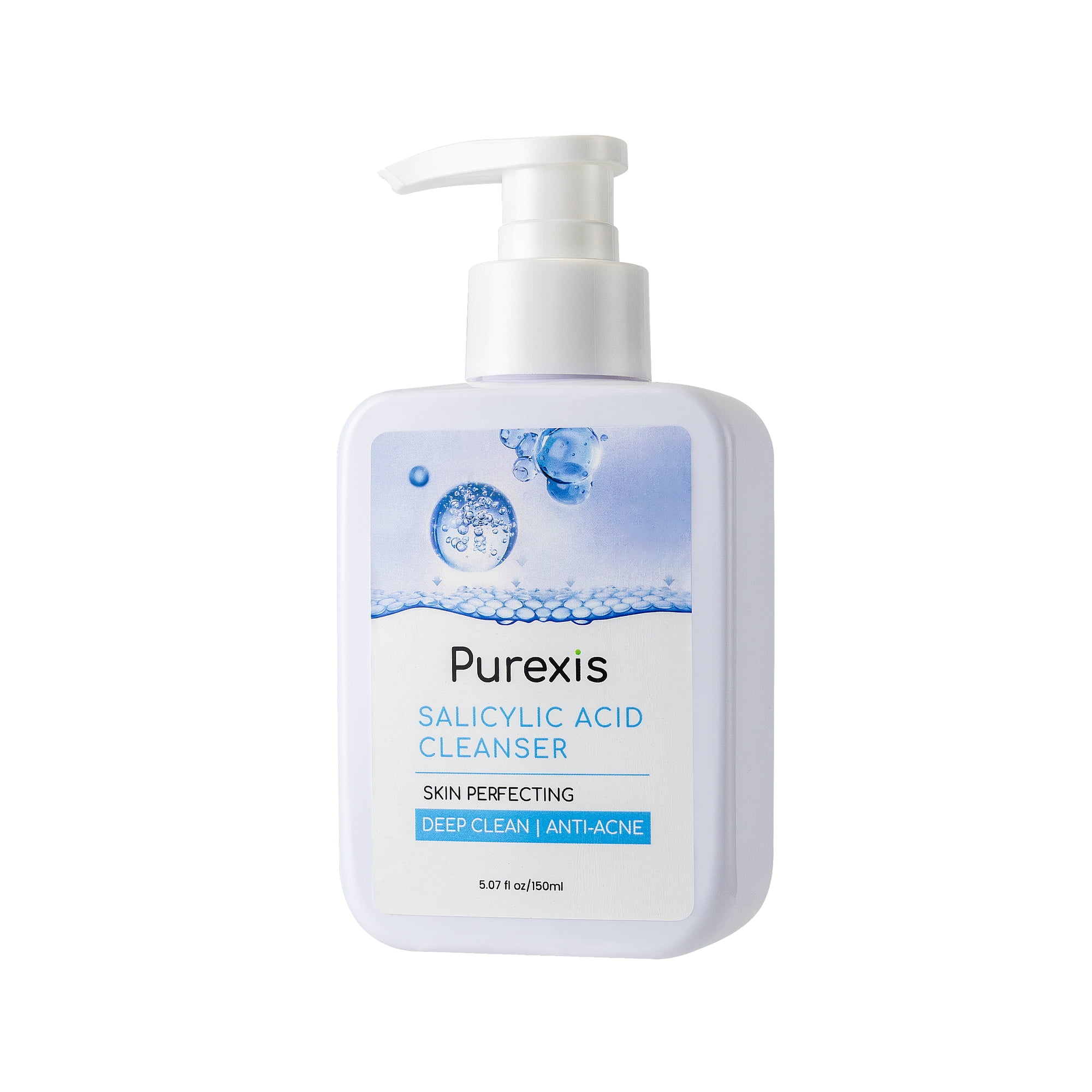
1. Master the Art of Gentle Exfoliation
One of the fastest ways to brighten dull skin is to remove the “curtain” of dead skin cells sitting on the surface. When these cells accumulate, they scatter light rather than reflecting it, making the skin look flat. Natural exfoliants come in two forms: physical and enzymatic.
Enzymatic Exfoliation
Unlike harsh scrubs that can cause micro-tears, fruit enzymes from papaya (papain) or pineapple (bromelain) gently dissolve the “glue” that holds dead skin cells together. Applying a mashed papaya mask for 10 minutes once a week can significantly improve texture and tone.
Natural Physical Scrubs
If you prefer a physical scrub, opt for finely ground particles. Oatmeal or rice flour mixed with a little water or honey creates a soft paste that buffs away debris while soothing the skin barrier.
2. Prioritize “Internal” Hydration and Humectants
Dehydrated skin loses its volume and develops fine lines, which creates shadows and contributes to a dull appearance. To fix this, you must address hydration from the inside out.
- Internal: Aim for 2–3 liters of water daily. Adding cucumber or lemon provides electrolytes that help with cellular absorption.
- External: Use natural humectants like raw honey or aloe vera. These ingredients act as “moisture magnets,” drawing water into the top layers of the skin to create a plump, dewy look.
3. Incorporate Vitamin C via Natural Extracts
Vitamin C is a gold-standard antioxidant for brightening. It inhibits tyrosinase, the enzyme responsible for melanin production (dark spots), and boosts collagen synthesis.
For a natural approach, look for oils or extracts derived from Rosehip, Sea Buckthorn, or Kakadu Plum. These botanical sources are rich in Vitamin C and fatty acids, providing both brightening and barrier-repair benefits. Apply a few drops of rosehip oil as the final step of your nighttime routine to wake up with a more uniform complexion.
4. Stimulate Blood Flow with Facial Massage
Sometimes, dullness is simply a matter of poor circulation. When blood flow is sluggish, your skin doesn’t receive the oxygen and nutrients it needs to thrive. A daily 2-minute facial massage can transform your glow by encouraging lymphatic drainage and bringing fresh blood to the surface.
Using your knuckles or a jade roller, move in upward and outward strokes from the center of your face. Focus on the jawline, cheekbones, and forehead. This simple habit reduces puffiness and gives the skin an immediate, natural flush.
5. Protect the Barrier with Healthy Fats
A damaged skin barrier allows moisture to escape and irritants to enter, leading to redness and a “muddy” skin tone. To keep the skin looking bright, you must seal in moisture with lipids.
Incorporate healthy fats into your diet, such as avocados, walnuts, and flaxseeds. Topically, oils like Jojoba or Argan mimic the skin’s natural sebum, providing a protective seal that prevents transepidermal water loss (TEWL). When your barrier is healthy, your skin naturally reflects more light.
6. Optimize Your “Beauty Sleep”
The term “beauty sleep” is rooted in biological fact. During deep sleep, your body’s growth hormones stimulate cell repair and regeneration. This is when your skin works hardest to reverse the damage from the day.
Lack of sleep increases cortisol levels, which triggers inflammation and breaks down collagen. Aim for 7–9 hours of quality sleep. To enhance the brightening process, use a silk pillowcase to reduce friction and keep moisture on your skin rather than in the fabric.
7. Use Natural Sun Protection Every Day
Nothing dulls skin faster than UV damage. Sun exposure causes oxidative stress, leading to pigmentation and a leathery texture. Even if you are focusing on “natural” remedies, sun protection is non-negotiable.
Choose mineral-based sunscreens containing Zinc Oxide or Titanium Dioxide. These are naturally occurring minerals that sit on top of the skin and reflect UV rays like a mirror. Protecting your skin today prevents the dullness and “sun spots” of tomorrow.
Comparing Natural vs. Synthetic Brightening Methods
| Method | Natural Approach | Synthetic Approach | Glow Result |
|---|---|---|---|
| Exfoliation | Fruit Enzymes (Papaya/Pineapple) | High-percentage Glycolic Acid | Gradual, gentle radiance |
| Brightening | Rosehip Oil / Licorice Root | Hydroquinone / Synthetic Vit C | Even tone without irritation |
| Hydration | Aloe Vera / Honey | Glycerin / Petrolatum | Plump, breathable dewiness |
Pros and Cons of Natural Skin Brightening
Pros
- Lower Risk of Irritation: Natural ingredients are often more biocompatible and less likely to cause chemical burns or extreme peeling.
- Nutrient-Dense: Botanical extracts often contain a “cocktail” of vitamins and minerals, rather than just one isolated active ingredient.
- Sustainable: Many natural routines are eco-friendly and involve fewer plastic-heavy products.
- Holistic Health: Focuses on diet and lifestyle, which improves overall well-being alongside skin health.
Cons
- Takes More Time: Natural remedies usually require 4–8 weeks of consistent use to show significant results compared to clinical treatments.
- Shorter Shelf Life: Without synthetic preservatives, natural DIY masks or oils can spoil faster.
- Potential Allergens: Some people may be sensitive to specific essential oils or plant extracts (always patch test).
Frequently Asked Questions
How long does it take to brighten dull skin naturally?
Since the skin’s natural renewal cycle takes approximately 28 to 30 days, you should expect to see visible improvements in 4 to 6 weeks. Consistency is key when using natural methods.
Can lemon juice brighten my skin?
While lemon contains Vitamin C, it is highly acidic and can disrupt your skin’s pH balance, leading to irritation or “phytophotodermatitis” (a skin reaction to sun). It is better to use stabilized botanical oils or extracts like licorice root or rosehip.
Is dull skin a sign of a health issue?
Often, dull skin is a sign of dehydration or poor sleep. However, if your skin remains persistently gray or sallow despite a healthy routine, it could indicate anemia or a vitamin deficiency. Consulting with a healthcare provider is recommended in these cases.
Can I use natural oils if I have oily skin?
Yes. Oily skin is often actually dehydrated skin overproducing oil to compensate. Light natural oils like Jojoba or Grapeseed oil can help balance sebum production and add a healthy glow without clogging pores.
What is the best “emergency” way to fix dull skin?
For an immediate boost, use a cold compress or splash your face with ice-cold water. This constricts pores and increases circulation, providing an instant “wake-up” call to your complexion.
—
Topic: How to brighten dull skin naturally
Tags: #Brighten #Dull #Skin #Naturally #Expert #Tips #Radiant #Glow