
Skincare routine for fine lines can be surprisingly simple yet effective when you follow a consistent daily regimen. The key is to focus on gentle cleansing, targeted treatments, and robust protection, all while maintaining a realistic time commitment. Below is a comprehensive, evidence‑backed guide that blends science with everyday practicality, ensuring you can reduce the look of fine lines without a complicated schedule.

Skincare Routine for Fine Lines: Step‑by‑Step
Start by setting a clear framework: morning and evening sessions, each with three core stages—cleansing, treatment, and protection. By keeping these stages consistent, you build a foundation that supports the skin’s natural repair processes.
Morning Ritual (5–7 Minutes)
- Cleanse: Use a gentle foaming or gel cleanser that removes overnight buildup without stripping natural oils. A mild pH‑balanced formula preserves the skin’s barrier, which is essential for maintaining firmness.
- Tone (Optional): If your skin feels tight or uneven after cleansing, apply an alcohol‑free toner that contains soothing ingredients like centella asiatica or witch hazel to calm the skin.
- Serum: Choose a lightweight antioxidant serum—vitamin C or a mixed antioxidant blend—to neutralize free radicals that contribute to fine line formation. Antioxidants may help keep the skin’s collagen production steady.
- Moisturizer: A lightweight cream or gel with hyaluronic acid provides hydration while keeping the skin supple. Look for formulas that include peptides for a gentle firming boost.
- Sunscreen: Finish with a broad‑spectrum SPF 30 or higher. Sun exposure is a major driver of skin aging, so daily protection is non‑negotiable. A fluid or gel sunscreen keeps the routine quick and non‑greasy.
Evening Ritual (7–10 Minutes)
- Double Cleanse: First, remove sunscreen and makeup with an oil‑based cleanser. Follow with a gentle foaming cleanser to clear any remaining impurities.
- Exfoliate (2–3 Times/Week): Use a mild chemical exfoliant—alpha or beta hydroxy acids—to remove dead skin cells, enabling better absorption of active ingredients. Over‑exfoliation can compromise the barrier, so keep frequency moderate.
- Treatment: This is the spot where retinoids shine. A low‑strength retinol or retinaldehyde serum can encourage cell turnover and collagen synthesis, which may reduce fine lines over time. Apply a pea‑sized amount, avoiding the immediate eye area.
- Eye Cream (Optional): If the fine lines around the eyes are a concern, choose an eye cream with peptides or caffeine to encourage circulation and reduce puffiness.
- Moisturizer: A richer nighttime cream—often with ceramides, panthenol, and niacinamide—helps restore the barrier while providing a hydrating base for overnight repair.
Weekly Boost (Optional)
- Mask: Once a week, use a sheet or gel mask that contains hyaluronic acid and collagen‑boosting peptides. This extra hydration can help the skin look plumper and smoother.
- Spot Treatment: For any stubborn fine lines or uneven texture, a short‑term product containing a higher concentration of retinoids or a peptide complex can be used once a week.
Ingredient Spotlight: How Key Ingredients Work Together
- Retinoids: Retinoids, including retinol and retinaldehyde, are derivatives of vitamin A. They stimulate cell turnover and collagen production, which may help smooth fine lines. Use them sparingly at first, gradually increasing frequency as the skin adapts.
- Peptides: Short chains of amino acids that act as signaling molecules for collagen synthesis. Peptide‑rich serums or creams can support firmness over time.
- Hyaluronic Acid: A humectant that attracts water to the skin, providing instant plumping and a smoother surface. It works well in both daytime and nighttime products.
- Antioxidants: Vitamin C, vitamin E, and green tea extract help protect against oxidative stress. By neutralizing free radicals, they may slow the development of fine lines. Collagen is the protein that gives skin its structure, and protecting it is essential for a youthful look.
- Niacinamide: Also known as vitamin B3, it improves barrier function, evens skin tone, and can reduce the appearance of fine lines.
- Sunscreen: UV radiation breaks down collagen fibers, making sunscreen an indispensable anti‑aging tool.
Beyond Products: Lifestyle Hacks to Reduce Fine Lines
- Hydration: Aim for 2–3 liters of water a day. Adequate hydration supports skin elasticity and helps the barrier stay resilient.
- Sleep: During REM sleep, the body repairs skin cells. Aim for 7–9 hours of quality sleep each night to give your skin the rest it needs.
- Nutrition: Foods high in omega‑3 fatty acids, antioxidants, and protein support collagen production. Think fatty fish, berries, nuts, and leafy greens.
- Stress Management: Chronic stress can accelerate skin aging. Practices like yoga, meditation, or even a short walk can reduce cortisol levels.
- Avoid Smoking: Smoking accelerates collagen breakdown and reduces oxygen supply to the skin, making fine lines more pronounced.
- Limit Alcohol: Alcohol dehydrates the skin and can worsen the appearance of fine lines over time.
- Sun Protection: In addition to daily sunscreen, wear a hat and sunglasses when outdoors, and seek shade during peak UV hours (10 a.m.–4 p.m.).
Putting It All Together: A Sample 2‑Minute Routine
Many people wonder if a quick routine can still be effective. Here’s a practical example:


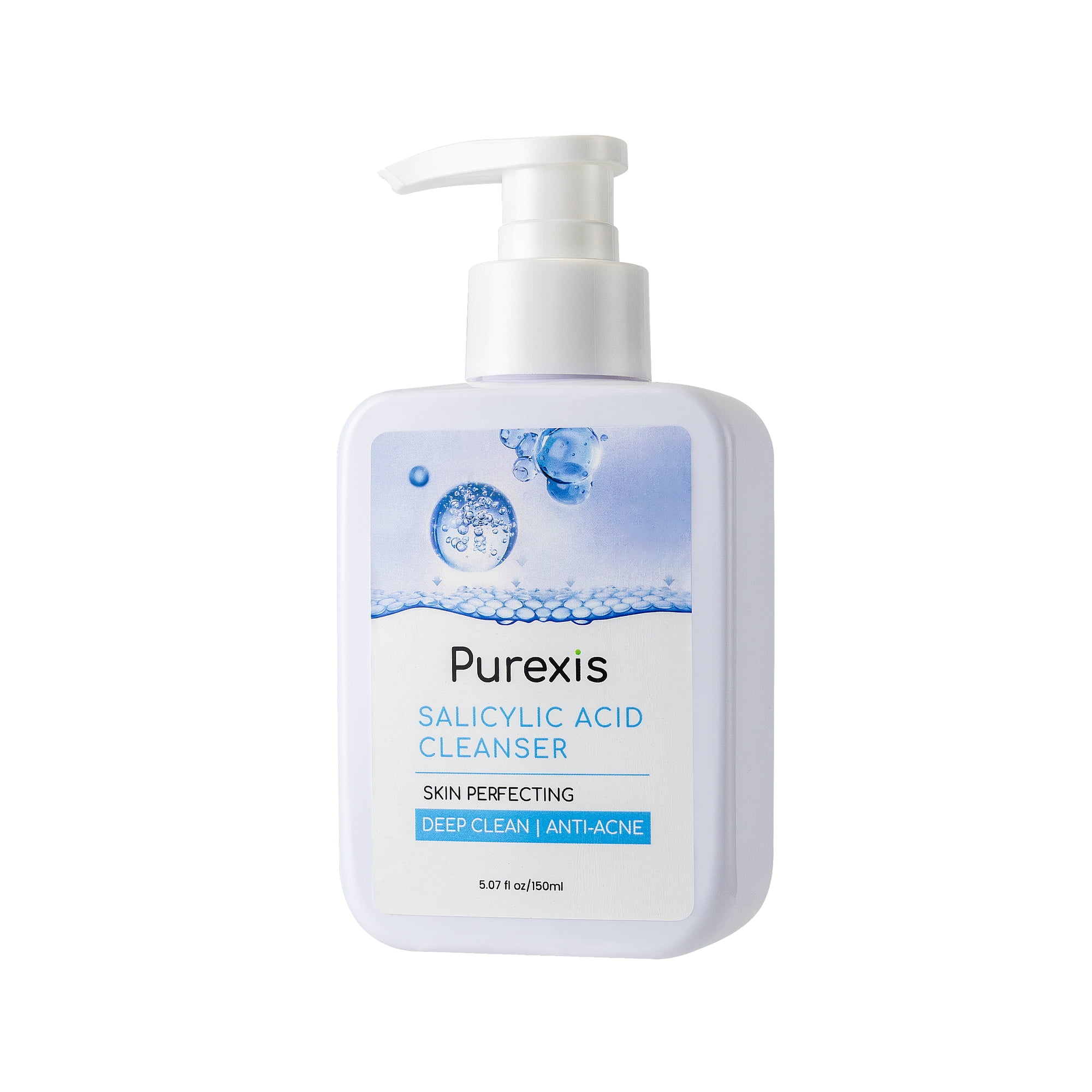
- Morning: Cleanse → Vitamin C serum → Lightweight moisturizer → SPF 30.
- Evening: Oil cleanse → Foaming cleanse → Retinol serum → Rich night cream.
- Weekly: Once a week, replace the night cream with a peptide‑rich mask.
By keeping the steps simple and consistent, you give your skin the best chance to maintain firmness and smoothness. Remember, consistency is more impactful than occasional intensive treatments.
Choosing the Right Cleanser for Fine Lines
Not all cleansers are created equal. For mature or aging skin, a pH‑balanced, fragrance‑free formula is essential to preserve the skin’s natural barrier. Look for cleansers that contain soothing ingredients such as aloe, chamomile, or oat extract. Avoid sulfates and heavy alcohols that strip oils and trigger irritation. If you have sensitive skin, a micellar water can be a gentle alternative that lifts makeup without a rinse.
Layering Serums: The Order That Matters
Serums are the most potent part of a routine, so the order in which you apply them matters. Start with the thinnest consistency, usually water‑based serums like vitamin C or hyaluronic acid, then move to thicker, oil‑based products such as retinoids or peptide creams. Finally, seal everything in with a moisturizer and sunscreen. If you’re using a retinoid at night, apply it after cleansing and before any hydrating creams; this allows the retinoid to penetrate fully without being diluted by water.
Nighttime Retinoid Routine for Beginners
Retinoids are the gold standard for fine line reduction, but they can be intimidating. Begin with a 0.2% retinol serum and use it every other night. Apply a pea‑sized amount to the entire face, avoiding the upper eyelids. After 2–3 weeks, if your skin tolerates it, increase to nightly use. Pair the retinoid with a barrier‑supporting moisturizer containing ceramides or niacinamide to reduce dryness. If irritation occurs, add a hydrating serum (hyaluronic acid) between the retinoid and moisturizer.
Common Mistakes and How to Avoid Them
- Skipping Sunscreen: Even on cloudy days, UV rays penetrate. Sunscreen is the single most effective anti‑aging step.
- Over‑Exfoliating: Using multiple exfoliants in a week can strip the barrier. Stick to 2–3 times per week and monitor skin response.
- Using Too Many Actives Simultaneously: Combining retinoids, acids, and strong antioxidants can overwhelm the skin. Build your routine gradually and introduce one new active at a time.
- Applying Retinoids to Dry Skin: Retinoids can cause flaking if the skin is not pre‑moisturized. Follow up with a hydrating serum or moisturizer.
- Ignoring Hydration: A dry barrier is more susceptible to fine lines. Keep a daily hydration routine and consider a humidifier in dry climates.
Tracking Progress: How to Know It’s Working
Fine line improvement is subtle and gradual. Keep a photo journal every month at the same lighting and angle to objectively assess changes. Use a simple skin‑analysis app that measures wrinkle depth or firmness. Additionally, note how your skin feels—does it feel smoother, tighter, and more resilient? Consistent use of the routine for at least 8–12 weeks is the benchmark for visible improvement.
Frequently Asked Questions
How long does a skincare routine for fine lines take?
A focused morning routine can be done in 5–7 minutes, while the evening routine may take 7–10 minutes. Adding a weekly mask is a one‑time, extra effort that can be done in 10–15 minutes.
Can retinoids cause irritation for sensitive skin?
Retinoids may initially cause dryness, redness, or peeling, especially when first introduced. Start with a lower concentration and apply every other night. If irritation persists, reduce frequency or switch to a retinaldehyde product, which is typically gentler.
Is sunscreen enough to prevent fine lines?
While sunscreen protects against UV damage—a major contributor to fine lines—it works best in tandem with antioxidant serums, peptides, and proper hydration to maintain skin firmness. Think of sunscreen as the foundation; the other ingredients build the structure.
What’s the best way to layer multiple active ingredients?
Apply products from thinnest to thickest consistency. For example, start with a serum, then a moisturizer, and finish with sunscreen. If you’re using a retinoid at night, apply it after cleansing and before any hydrating creams. If you’re using an acid, apply it before the serum and wait 30 seconds before adding the next layer.
Can I use a face mask every night?
Daily masking can be drying and may disrupt the barrier. It’s recommended to use a hydrating mask once or twice a week. For more intensive treatments, choose a sheet mask with peptides or a gel mask with hyaluronic acid.
For more detailed guidance on anti‑aging ingredients, visit our comprehensive guide on our website.
Leave a Reply