Can you use retinol and niacinamide together? The answer is yes, but it requires a thoughtful approach to maximize benefits while minimizing irritation. This guide explains how to safely combine these two popular actives, outlines a practical routine, and highlights common mistakes to avoid.
Understanding the Ingredients
Retinol, a form of vitamin A, is a potent keratinocyte driver that accelerates cell turnover, reduces fine lines, and improves texture. Niacinamide, or vitamin B3, is a multi‑tasking antioxidant that strengthens the skin barrier, evens tone, and reduces inflammation. Individually, each ingredient is well‑studied and widely used in clinical practice. Together, they can deliver a synergistic effect: retinol’s exfoliation paired with niacinamide’s barrier support.
Why People Combine Retinol and Niacinamide
- Retinol’s rapid turnover can compromise the barrier, leading to redness, flaking, or sensitivity.
- Niacinamide helps restore ceramides and tighten the skin’s protective layer.
- Combining them can reduce the likelihood of irritation while maintaining anti‑aging benefits.
Choosing the Right Retinol Strength
Not all retinols are created equal. A beginner’s journey typically starts with a 0.25% retinol serum or cream. If you have oily or acne‑prone skin, a 0.5% product may be appropriate after a few weeks of tolerance building. Those with mature or dry skin can consider 1% formulations, but the risk of irritation rises sharply. Always read the label for the exact concentration and consider your skin’s history.


Potential Interactions and How to Avoid Them
While the ingredients themselves are compatible, the way they are applied matters. Retinol can be acidic and may lower the pH of the skin, potentially affecting niacinamide’s stability. However, when layered correctly, the risk is minimal.
Temperature and pH Considerations
Apply retinol first in the evening, after cleansing and toning, when the skin’s pH is slightly lower. Niacinamide, which works best around pH 4.5‑5.5, can follow once the retinol has had time to absorb. This sequencing ensures each ingredient functions at its optimal possible level.
Step‑by‑Step Routine
Below is a practical routine that integrates retinol and niacinamide without overwhelming the skin. Adjust based on your tolerance and skin type.
Morning
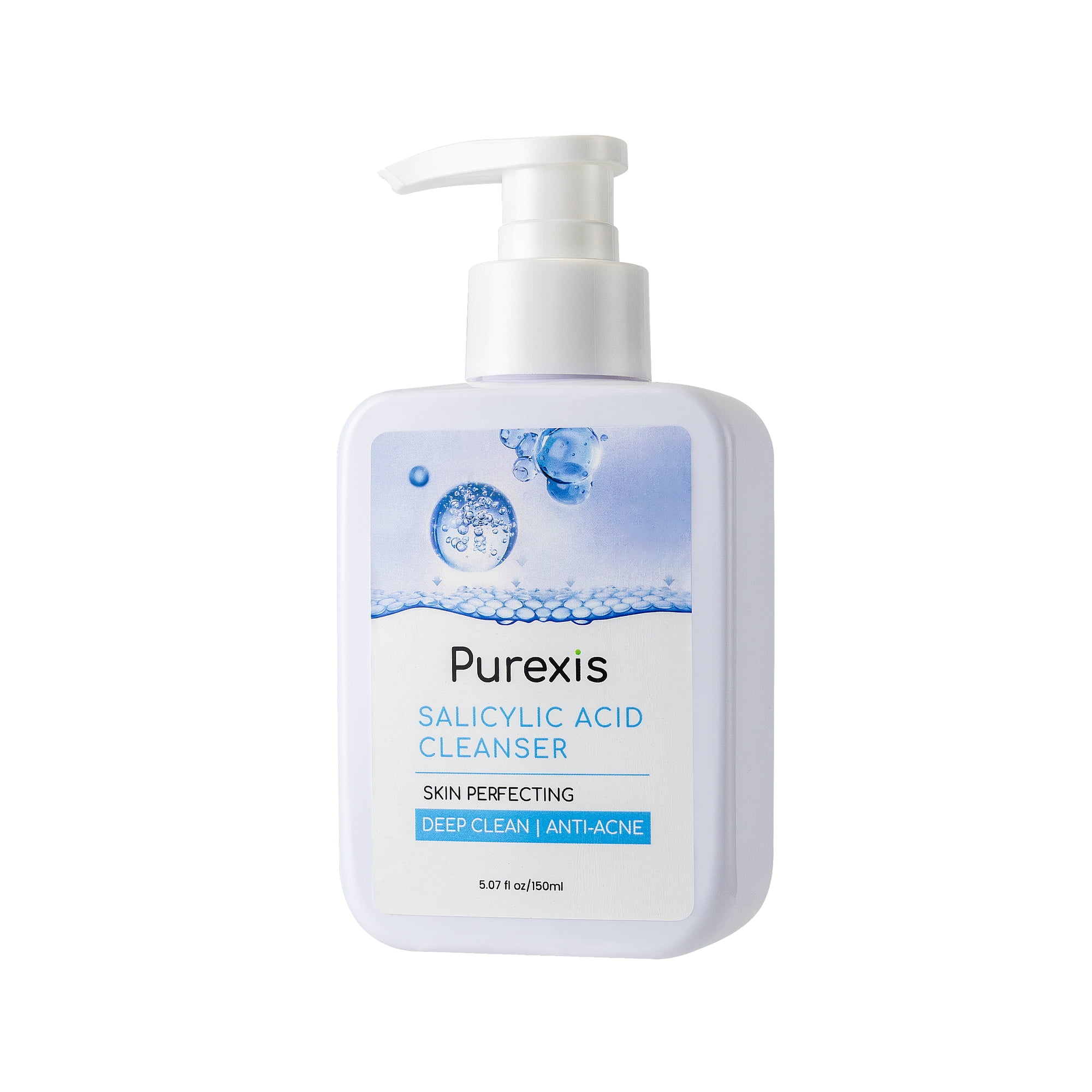
- Cleanse with a gentle, sulfate‑free cleanser. Example: CeraVe Hydrating Cleanser.
- Apply a light, antioxidant‑rich serum (optional). Example: Vitamin C 10%.
- Apply niacinamide serum: 1–2 drops, spread evenly. Example: The Ordinary Niacinamide 10% + Zinc 1%.
- Moisturize with a non‑comedogenic cream. Example: Neutrogena Hydro Boost Gel‑Cream.
- Finish with broad‑spectrum SPF 30+.
Evening
- Cleanse again with a mild cleanser.
- Apply a thin layer of retinol: start with 0.25% and work up over 4–6 weeks.
- Wait 20–30 minutes to allow the retinol to absorb fully.
- Apply niacinamide serum to soothe and reinforce the barrier.
- Finish with a richer moisturizer or an occlusive balm if you have dry skin.
When to Layer and When to Separate
Some people prefer to use retinol and niacinamide on alternate nights to reduce irritation. That approach works well for sensitive skin or beginners. However, if you can tolerate both in the same cycle, the layering method above is scientifically sound.
Alternate‑Night Approach
- Evening 1: Retinol + moisturizer.
- Evening 2: Niacinamide + moisturizer.
- Repeat.
Simultaneous Layering Approach
- Apply retinol first, wait 20–30 minutes, then apply niacinamide.
- Follow with moisturizer.
Common Mistakes to Avoid
- Using a high‑concentration retinol (e.g., 1%+) without a tolerance period.
- Applying both actives immediately after each other, causing pH conflict.
- Skipping moisturizer after retinol, leading to dryness.
- Neglecting sunscreen in the morning, which can negate retinol’s benefits.
- Assuming the first week of use will be irritation‑free; some people may experience a mild “retinol flush.”
Supporting the Skin’s Barrier
Niacinamide’s role in strengthening the barrier is critical when using retinol. A robust barrier reduces transepidermal water loss and prevents the penetration of irritants. If you notice persistent redness or flaking, consider reducing retinol frequency or adding a barrier‑boosting camo like ceramide‑rich moisturizer.
Dealing with Dryness and Sensitivity
- Hydration first: Use a hyaluronic acid serum before retinol to create a moisture cushion.
- Barrier repair: Incorporate ceramides or squalane into your nighttime moisturizer.
- Gentle exfoliation: Avoid physical scrubs or chemical exfoliants (like AHAs) on the same nights as retinol.
- Patch test: Apply a small amount of retinol on your jawline for 48 hours before full facial application.
Combining with Other Actives
Retinol and niacinamide can coexist with several other ingredients if timing is respected.
Vitamin C
Use vitamin C in the morning; it thrives at a lower pH. Retinol’s slightly higher pH won’t destabilize vitamin C if they are separated by at least 30 minutes.
AHAs/BHAs
If your routine includes alpha or beta hydroxy acids, apply them in the morning or on non‑retinol nights. Overlap can increase irritation.
Peptides
Peptides are stable at neutral pH and can be layered under or over niacinamide. They complement retinol’s collagen‑boosting effect.
Scientific Perspective
Clinical studies indicate that retinol increases collagen synthesis and reduces wrinkle depth by up to 30% after 12 weeks of use. Niacinamide, on the other hand, improves skin barrier function and reduces hyperpigmentation. Although direct head‑to‑head trials of combined use are limited, the complementary mechanisms suggest a potential additive effect. A 2020 review in the Journal of Clinical and Aesthetic Dermatology found that patients using both actives reported a 25% faster improvement in texture compared to retinol alone.
FAQs
- Can you use retinol and niacinamide together?
- Yes, you can safely combine them by layering retinol first, waiting 20–30 minutes, then applying niacinamide. This method allows each ingredient to work effectively while supporting the skin barrier.
- What if I have sensitive skin?
- Start with a lower retinol concentration (0.25%) and use it only once a week. Alternate nights with niacinamide until your skin adjusts. Consider a fragrance‑free, hypoallergenic moisturizer to reduce irritation.
- Do I need sunscreen if I use retinol at night?
- Absolutely. Retinol increases photosensitivity, so apply a broad‑spectrum SPF 30+ every morning. Reapply every two hours if you’re outdoors.
- Can I use retinol and niacinamide in gist with other actives like vitamin C?
- Vitamin C works best at a lower pH, while retinol is more stable at a slightly higher pH. Use vitamin C in the morning and retinol at night to avoid pH conflicts.
- How long before I see results?
- Most users notice smoother texture and fewer fine lines within 4–6 weeks of consistent use. Patience and consistency are key.
- Is it safe to use retinol and niacinamide during pregnancy?
- Retinol is a retinoid and is generally contraindicated during pregnancy due to potential teratogenicity. Niacinamide is considered safe, but consult your dermatologist before adding any new actives.
For more detailed guidance on building a skin‑care routine, visit our comprehensive guide on skincare fundamentals.
Remember, each skin type reacts differently. Listen to your skin, adjust frequency, and keep a simple routine to avoid overwhelm. With the right approach, you can safely use retinol and niacinamide together and enjoy clearer, younger‑looking skin.
For further reading, see related references on Wikipedia.
Leave a Reply