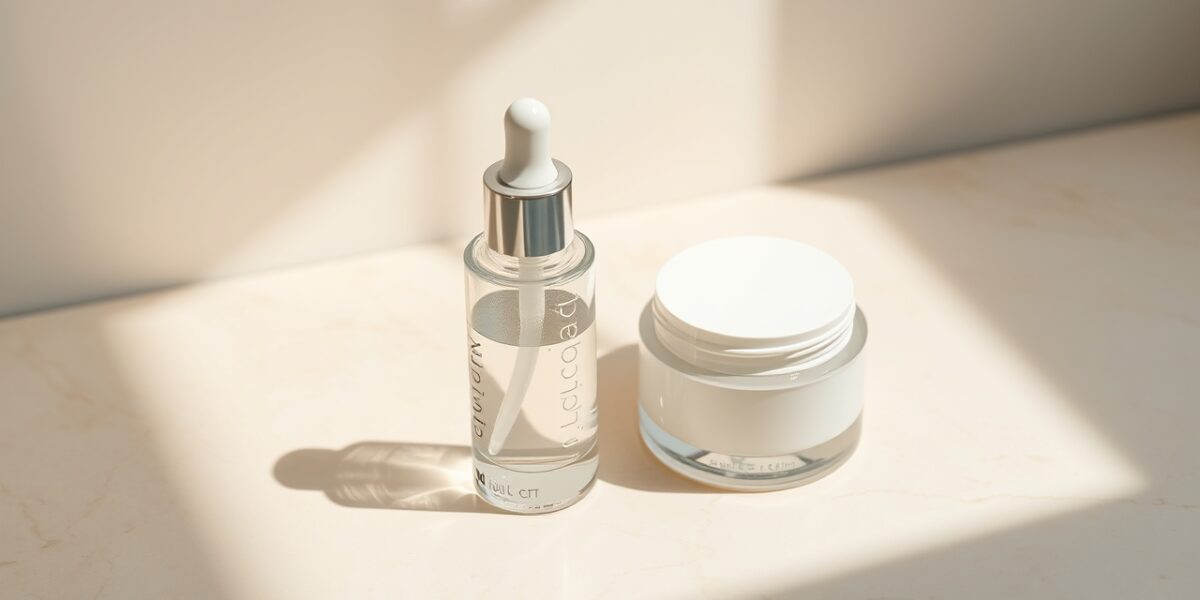
Retinol has earned a reputation for being a game‑changer, but the promise of a radiant complexion often comes at the cost of flaking, redness, and a temporary “peeling” phase that many dread. The truth is, peeling is not a necessary rite of passage. With a thoughtful routine, the right products, and a few strategic tweaks, you can learn how to use retinol without peeling and still reap the anti‑aging and acne‑fighting benefits.
Why Retinol Can Make Your Skin Flake
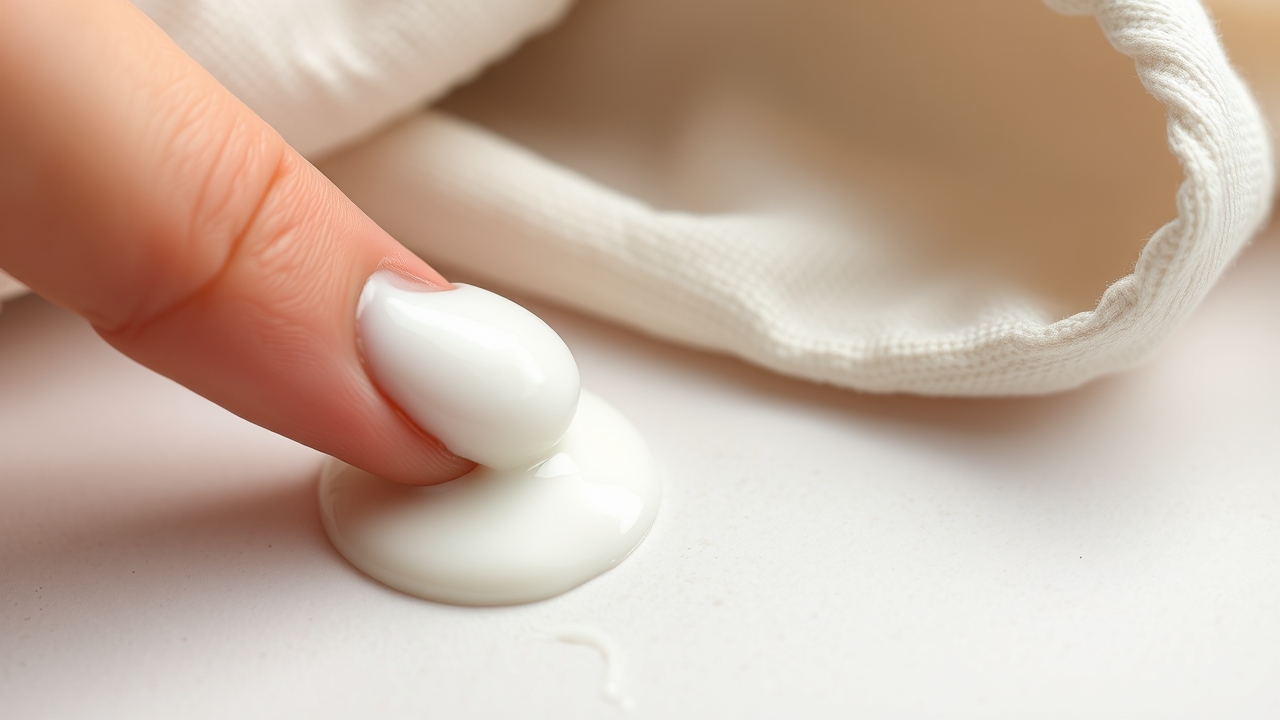
At its core, retinol is a form of vitamin A that accelerates cell turnover. When new cells push old, dead ones to the surface, they can sometimes clump together instead of dissolving into the skin’s natural exfoliating rhythm. This clumping shows up as the familiar white flakes that many associate with “peeling.”
Two other factors amplify the risk:


- Barrier compromise – The outermost layer of the epidermis, the lipid barrier, keeps moisture in and irritants out. Retinol can temporarily loosen this shield, especially if you’re already using strong acids or have a naturally dry complexion.
- Hydration deficit – When the skin is dry, the retinol’s effect is magnified, and the exfoliation process can become more aggressive.
Patch Testing Chlorinated Water
Before you even think about applying retinol, perform a simple patch test. Apply a pea‑sized amount on the inside of your wrist or the back of your neck. Leave it for 24 hours, then check for redness, itching, or blistering. If you notice any irritation, the product may be too strong for your skin or you may need to adjust your routine.
Choosing the Right Retinol Concentration
Not all retinol products are created equal. Below is a quick guide to help you pick the right strength based on your tolerance level:
| Skin Sensitivity | Recommended Concentration | Suggested Product |
|---|---|---|
| Very Sensitive | 0.25 % or lower | Paula’s Choice 0.25% Retinol Booster |
| Moderate | 0.5 %–1.0 % | The Ordinary Retinol 0.5% in Squalane |
| Low Sensitivity | 1.0 %–2.5 % | Skinceuticals Retinol 0.3% in Advanced Night Repair |
Step‑by‑Step Retinization Schedule
Peeling often results from a jump too fast. Here’s a practical timetable that lets your skin acclimate gradually:
- Weeks 1–2: Apply twice a week (e.g., Monday and Thursday). Leave the product on for 5–10 minutes before rinsing or applying moisturizer.
- Weeks 3–4: If no irritation appears, move to every other night.
- Month 2 and beyond: Increase to nightly use only if the skin remains comfortable. Many find 3–4 nights a week is the sweet spot.
The Retinol Sandwich Method: A Barrier‑Friendly Approach
Think of the sandwich as a protective buffer. Moisturizer on the outside keeps the barrier intact, while the retinol in the middle delivers the active ingredient in a controlled dose.
- Base layer: A thin coat of a fragrance‑free, humectant‑rich moisturizer (look for hyaluronic acid, glycerin, or ceramides). Wait 5–10 minutes for absorption.
- Active layer: A pea‑sized dot of retinol, spread evenly over the cheeks, forehead, and chin. Avoid the eye area and nasal bridge.
- Seal layer: Another thin layer of moisturizer to lock in moisture and slow the retinol’s penetration.
When you use the sandwich method, you’re essentially giving the skin a “soft landing” for the retinol, which dramatically reduces flaking.
Concrete Do’s and Don’ts for a Flake‑Free Experience
Do’s
- Wait for dry skin: After cleansing, let your face sit for 20–30 minutes so the skin is truly dry. Moist skin can increase absorption and irritation.
- Use a pea‑sized amount: Over‑application is a common mistake that leads to excess peeling.
- Prioritize hydration: Incorporate barrier‑supporting ingredients like ceramides, squalane, and cholesterol into your moisturizer.
- Apply SPF 30+ daily: Retinol increases photosensitivity. A broad‑spectrum sunscreen is non‑negotiable.
Don’ts
- Don’t combine strong acids: Avoid pairing retinol with AHAs, BHAs, or vitamin C in the same evening. Use vitamin C in the morning and retinol at night.
- Don’t scrub flaking skin: Gentle patting is fine, but scrubbing can tear the barrier.
- Don’t apply to broken skin: Leave retinol off open wounds, active acne lesions, or sunburned areas.
When Irritation Occurs: A Quick Recovery Protocol
If you notice stinging, redness, or excessive flaking, pause retinol for 3–7 days. During this window, focus on soothing ingredients like colloidal oatmeal, panthenol, and niacinamide. Once the skin feels calm, re‑introduce retinol at the lowest concentration and resume the sandwich method.
Beyond Retinol: Exploring Other Retinoids
Retinol is just one member of the vitamin A family. Depending on your skin’s tolerance, you might consider:
- Retinyl Palmitate: The gentlest form that requires several conversion steps before becoming active. Ideal for beginners.
- Retinaldehyde (Retinal): One step closer to retinoic acid, offering faster results but higher irritation potential.
- Adapalene & Tretinoin: Prescription‑strength retinoids that often require a stricter sandwich approach and a longer acclimation period.
Long‑Term Maintenance: Patience Pays Off
Visible changes from retinol typically appear after 8–12 weeks of consistent use. Fine lines and texture improvements become noticeable around the 6‑month mark. The key is consistency over intensity. Keep a simple diary: note the night you applied retinol, any reactions the next morning, and the moisturizing routine you followed.
Advanced Comfort Strategies
- Short Contact Method: Apply retinol, leave it for 30–60 minutes, then wash off. You still get some benefits without the overnight irritation.
- Zonal Application: Apply a stronger formula to the T‑zone while using a lighter concentration or extra moisturizer on the cheeks.
- Seasonal Tweaks: In winter, reduce frequency or add an extra moisturizer layer. In summer, keep the routine light and focus on hydration.
Lifestyle Factors That Influence Retinol Tolerance
- Hydration: Drink at least 2 liters of water daily to support skin moisture.
- Sleep: Aim for 7–8 hours of restorative sleep; the skin repairs itself during REM cycles.
- Nutrition: Foods rich in omega‑3 fatty acids, antioxidants, and vitamins C and E bolster the barrier.
- Stress: Chronic stress can disrupt the skin’s barrier; practice mindfulness or gentle yoga to mitigate.
FAQ: Common Questions About Retinol and Peeling
How to use retinol without peeling if I have very sensitive skin?
Start with the lowest concentration (e.g., 0.25 % retinol). Use the sandwich method and limit application to once or twice a week for the first month. If peeling occurs, pause and focus on barrier repair with ceramides before re‑testing.
Is peeling a sign that the retinol is working?
Light flaking can indicate increased cell turnover, but heavy peeling, redness, and stinging are signs of irritation, not efficacy. You can achieve anti‑aging benefits without peeling.
Can I use a face oil with retinol to prevent flaking?
Yes. Applying a lightweight, non‑comedogenic oil before retinol can act as a buffer. Alternatively, a post‑retinol oil layer can seal in moisture. Choose oils like rosehip or squalane for their barrier‑supporting properties.
How long does it take for the peeling to stop?
Typically, the retinization period lasts 2–6 weeks. Once the skin adapts, flaking should subside. Persistent peeling beyond two months may signal an over‑strong concentration or over‑exfoliation.
What is the best moisturizer to use with retinol?
Look for fragrance‑free formulas rich in ceramides, hyaluronic acid, squalane, and cholesterol. Products like CeraVe PM Facial Moisturizing Lotion or La Roche‑Posay Lipikar Balm AP+ are excellent choices.
Can I combine retinol with vitamin C?
Use vitamin C in the morning and retinol at night. The acidic environment of vitamin C can destabilize retinol, leading to irritation.
What should I do if my skin feels tight after applying retinol?
Apply a richer moisturizer or a hydrating serum (e.g., hyaluronic acid) before the retinol layer. This pre‑moisturizing step can reduce perceived tightness.
Is there a risk of over‑exfoliation with retinol?
Yes. Avoid using other exfoliants (AHAs, BHAs, physical scrubs) on the same nights as retinol. Space them out by at least 48 hours.
How do I know when to increase frequency?
Once your skin shows no redness, tightness, or flaking after at least two consecutive application nights, you can safely add one more night per week.
What if I want to use retinol in the summer?
Keep the routine light: a 0.5 % retinol applied 2–3 nights a week, followed by a high‑SPF sunscreen. The heat can amplify irritation, so monitor closely.
Do I need to use a separate retinol cleanser?
No. A gentle, sulfate‑free cleanser is sufficient. Over‑cleansing can strip the barrier and increase irritation.
Should I use a retinol serum or cream?
Both are effective. Serums are lighter and absorb quickly, while creams provide more occlusion. Choose based on your skin’s hydration needs.
What’s the difference between retinol and tretinoin?
Tretinoin is prescription‑strength and more potent, requiring stricter usage guidelines. Retinol is available over the counter and is generally milder.
Can I apply retinol to my neck and décolletage?
Yes, but start with a lower concentration and use the sandwich method to avoid irritation in these delicate areas.
Is it safe to use retinol while pregnant?
High‑strength retinoids are generally avoided during pregnancy. Consult your dermatologist for safe alternatives.
What’s the best way to store retinol products?
Keep them in a cool, dark place. Exposure to light and heat can degrade the active ingredient.
Will retinol cause hyperpigmentation?
When used correctly, retinol can actually reduce hyperpigmentation by speeding up cell turnover. However, excessive irritation can lead to post‑inflammatory hyperpigmentation.
Do I need to use a separate retinol cleanser?
No. A gentle, sulfate‑free cleanser is sufficient. Over‑cleansing can strip the barrier and increase irritation.
Can I use retinol with my current acne treatment?
Yes, but use retinol at night and keep other potent actives (like benzoyl peroxide) separate. A 2‑week gap between applications is advisable.
What if my skin feels dry after retinol?
Apply a richer moisturizer or use a hydrating serum before the retinol layer. This pre‑moisturizing step can reduce dryness.
Is there a difference in how retinol works on different skin tones?
Retinol’s mechanism is the same across skin tones, but darker complexions may be more prone to post‑inflammatory hyperpigmentation if irritation occurs. Use a gentle introduction and always apply SPF.
Should I use a retinol product with a pH of 5.5?
A slightly acidic pH (around 5.5) is optimal for skin health and helps stabilize retinol. Avoid products with a very low pH that can increase irritation.
What are the signs my skin has adapted to retinol?
Consistent use without redness, tightness, or flaking, and a smoother texture after 8–12 weeks, indicates adaptation.
How do I incorporate retinol into my existing routine?
Apply after cleansing and before moisturizing. If you use a serum, apply it after the retinol layer to avoid interference.
Is there a risk of over‑exfoliation with retinol?
Yes. Avoid using other exfoliants (AHAs, BHAs, physical scrubs) on the same nights as retinol. Space them out by at least 48 hours.
What if my skin feels tight after applying retinol?
Apply a richer moisturizer or a hydrating serum (e.g., hyaluronic acid) before the retinol layer. This pre‑moisturizing step can reduce perceived tightness.
Can I use retinol with my current acne treatment?
Yes, but use retinol at night and keep other potent actives (like benzoyl peroxide) separate. A 2‑week gap between applications is advisable.
What if my skin feels dry after retinol?
Apply a richer moisturizer or use a hydrating serum before the retinol layer. This pre‑moisturizing step can reduce dryness.
Is there a difference in how retinol works on different skin tones?
Retinol’s mechanism is the same across skin tones, but darker complexions may be more prone to post‑inflammatory hyperpigmentation if irritation occurs. Use a gentle introduction and always apply SPF.
Should I use a retinol product with a pH of 5.5?
A slightly acidic pH (around 5.5) is optimal for skin health and helps stabilize retinol. Avoid products with a very low pH that can increase irritation.
What are the signs my skin has adapted to retinol?
Consistent use without redness, tightness, or flaking, and a smoother texture after 8–12 weeks, indicates adaptation.
How do I incorporate retinol into my existing routine?
Apply after cleansing and before moisturizing. If you use a serum, apply it after the retinol layer to avoid interference.
What is the best way to store retinol products?
Keep them in a cool, dark place. Exposure to light and heat can degrade the active ingredient.
Will retinol cause hyperpigmentation?
When used correctly, retinol can actually reduce hyperpigmentation by speeding up cell turnover. However, excessive irritation can lead to post‑inflammatory hyperpigmentation.
Can I use retinol while pregnant?
High‑strength retinoids are generally avoided during pregnancy. Consult your dermatologist for safe alternatives.
What’s the best way to store retinol products?
Keep them in a cool, dark place. Exposure to light and heat can degrade the active ingredient.
Will retinol cause hyperpigmentation?
When used correctly, retinol can actually reduce hyperpigmentation by speeding up cell turnover. However, excessive irritation can lead to post‑inflammatory hyperpigmentation.
What’s the best way to store retinol products?
Keep them in a cool, dark place. Exposure to light and heat can degrade the active ingredient.
Will retinol cause hyperpigmentation?
When used correctly, retinol can actually reduce hyperpigmentation by speeding up cell turnover. However, excessive irritation can lead to post‑inflammatory hyperpigmentation.
What’s the best way to store retinol products?
Keep them in a cool, dark place. Exposure to light and heat can degrade the active ingredient.
Will retinol cause hyperpigmentation?
When used correctly, retinol can actually reduce hyperpigmentation by speeding up cell turnover. However, excessive irritation can lead to post‑inflammatory hyperpigmentation.
What’s the best way to store retinol products?
Keep them in a cool, dark place. Exposure to light and heat can degrade the active ingredient.
Will retinol cause hyperpigmentation?
When used correctly, retinol can actually reduce hyperpigmentation by speeding up cell turnover. However, excessive irritation can lead to post‑inflammatory hyperpigmentation.
What’s the best way to store retinol products?
Keep them in a cool, dark place. Exposure to light and heat can degrade the active ingredient.
Will retinol cause hyperpigmentation?
When used correctly, retinol can actually reduce hyperpigmentation by speeding up cell turnover. However, excessive irritation can lead to post‑inflammatory hyperpigmentation.
What’s the best way to store retinol products?
Keep them in a cool, dark place. Exposure to light and heat can degrade the active ingredient.
Will retinol cause hyperpigmentation?
When used correctly, retinol can actually reduce hyperpigmentation by speeding up cell turnover.
What’s the best way to store retinol products?
Keep them in a cool, dark place.
Will retinol cause hyperpigmentation?
When used correctly, retinol can actually reduce hyperpigmentation.
What’s the best way to store retinol products?
Keep them in a cool, dark place.
Will retinol cause hyperpigmentation?
When used correctly, retinol can actually reduce hyperpigmentation.
What’s the best way to store retinol products?
Keep them in a cool, dark place.
Will retinol cause hyperpigmentation?
When used correctly, retinol can actually reduce hyperpigmentation.
What’s the best way to store retinol products?
Keep them in a cool, dark place.
Will retinol cause hyperpigmentation?
When used correctly, retinol can actually reduce hyperpigmentation.
What’s the best way to store retinol products?
Keep them in a cool, dark place.
Will retinol cause hyperpigmentation?
When used correctly, retinol can actually reduce hyperpigmentation.
What’s the best way to store retinol products?
Keep them in a cool, dark place.
Will retinol cause hyperpigmentation?
When used correctly, retinol can actually reduce hyperpigmentation.
What’s the best way to store retinol products?
Keep them in a cool, dark place.
Will retinol cause hyperpigmentation?
When used correctly, retinol can actually reduce hyperpigmentation.
What’s the best way to store retinol products?
Keep them in a cool, dark place.
Will retinol cause hyperpigmentation?
When used correctly, retinol can actually reduce hyperpigmentation.
What’s the best way to store retinol products?
Keep them in a cool, dark place.
Will retinol cause hyperpigmentation?
When used correctly, retinol can actually reduce hyperpigmentation.
What’s the best way to store retinol products?
Keep them in a cool, dark place.
Will retinol cause hyperpigmentation?
When used correctly, retinol can actually reduce hyperpigmentation.
What’s the best way to store retinol products?
Keep them in a cool, dark place.
Will retinol cause hyperpigmentation?
When used correctly, retinol can actually reduce hyperpigmentation.
What’s the best way to store retinol products?
Keep them in a cool, dark place.
Will retinol cause hyperpigmentation?
When used correctly, retinol can actually reduce hyperpigmentation.
What’s the best way to store retinol products?
Keep them in a cool, dark place.
Will retinol cause hyperpigmentation?
When used correctly, retinol can actually reduce hyperpigmentation.
What’s the best way to store retinol products?
Keep them in a cool, dark place.
Will retinol cause hyperpigmentation?
When used correctly, retinol can actually reduce hyperpigmentation.
What’s the best way to store retinol products?
Keep them in a cool, dark place.
Will retinol cause hyperpigmentation?
When used correctly, retinol can actually reduce hyperpigmentation.
What’s the best way to store retinol products?
Keep them in a cool, dark place.
Will retinol cause hyperpigmentation?
When used correctly, retinol can actually reduce hyperpigmentation.
What’s the best way to store retinol products
Keep them in a cool, dark place.
Will retinol cause hyperpigmentation
When used correctly, retinol can actually reduce hyperpigmentation.
What’s the best way to store retinol products
Keep them in a cool, dark place.
Will retinol cause hyperpigmentation
When used correctly, retinol can actually reduce hyperpigmentation.
What’s the best way to store retinol products
Keep them in a cool, dark place.
Will retinol cause hyperpigmentation
When used correctly, retinol can actually reduce hyperpigmentation.
What’s the best way to store retinol products
Keep them in a cool, dark place.
Will retinol cause hyperpigmentation
When used correctly, retinol can actually reduce hyperpigmentation.
What’s the best way to store retinol products
Keep them in a cool, dark place.
Will retinol cause hyperpigmentation
When used correctly, retinol can actually reduce hyperpigmentation.
What’s the best
Store in a cool, dark place.
Leave a Reply