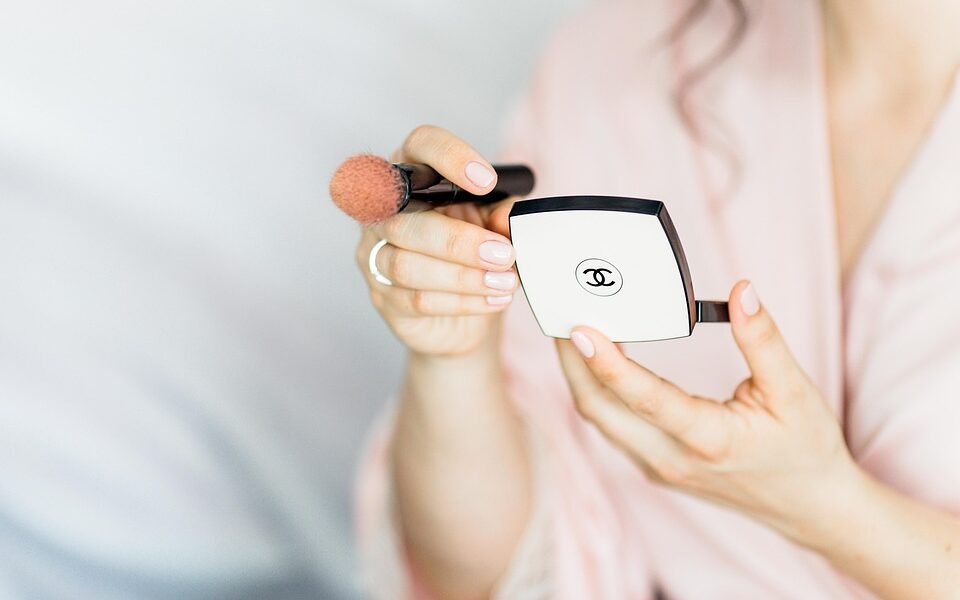
When your hands reach the point of cracking, peeling, or bleeding, a standard lightweight lotion simply won’t cut it. Dry, cracked skin is a sign of a compromised skin barrier, often caused by harsh weather, frequent hand washing, or exposure to irritants. To heal this, you need a formula that goes beyond surface-level hydration to actually repair the lipid barrier and seal in moisture.
Dermatologists often categorize effective hand creams by their ability to provide three things: humectants to pull moisture in, emollients to smooth the skin, and occlusives to lock everything in. In this guide, we have curated ten of the most effective, expert-recommended hand creams specifically formulated to tackle the most stubborn dryness and painful cracks.


What to Look For in a Repairing Hand Cream
Before diving into the top picks, it is essential to understand the “Big Three” ingredients that differentiate a basic moisturizer from a therapeutic hand cream:
- Ceramides: These are lipids that help restore the skin’s natural barrier.
- Urea: A keratolytic agent that gently exfoliates dead skin while intensely hydrating.
- Petrolatum or Dimethicone: Powerful occlusives that create a physical shield to prevent “Transepidermal Water Loss” (TEWL).
10 Best Hand Creams for Dry, Cracked Hands
1. Neutrogena Norwegian Formula Hand Cream
Originally developed for Arctic fishermen, this glycerin-rich formula is a gold standard for extreme conditions. It is highly concentrated; a small dab is enough to coat both hands in a protective, non-greasy film. It is fragrance-free, making it ideal for those with sensitive, split skin.
2. CeraVe Therapeutic Hand Cream
CeraVe is renowned for its use of three essential ceramides and hyaluronic acid. This hand cream also includes dimethicone, which helps protect the skin from further environmental damage. It carries the National Eczema Association Seal of Acceptance, proving its safety for compromised skin.
3. O’Keeffe’s Working Hands
This is a cult favorite for a reason. It is a high-concentration cream specifically designed for people whose hands take a beating—think construction workers, nurses, or gardeners. It creates a protective layer on the skin’s surface that instantly boosts moisture levels and helps prevent further moisture loss.
4. La Roche-Posay Cicaplast Mains
This “barrier cream” is formulated with 4% Niacinamide and 30% Glycerin. It has a unique texture that feels like an invisible glove. It is particularly effective at soothing redness and inflammation associated with “housewife’s eczema” or frequent sanitizing.
5. Eucerin Advanced Repair Hand Cream
If your hands feel rough and “scaly,” urea is the answer. Eucerin’s formula uses Natural Moisturizing Factors (NMFs) and Alpha Hydroxy Acids (AHAs) to gently exfoliate dry patches while providing 24-hour moisture. It is best applied right after washing your hands.
6. Aquaphor Healing Ointment
While technically an ointment rather than a cream, Aquaphor is the “emergency room” treatment for cracked knuckles. Its 41% petrolatum base allows oxygen to flow while keeping moisture locked in. Many experts recommend applying this at night and wearing cotton gloves for an intensive treatment.
7. Weleda Skin Food
For those who prefer a more natural approach without sacrificing efficacy, Weleda Skin Food is a rich, thick blend of sunflower seed oil, pansy, chamomile, and calendula. It is heavy, but it provides a deep, botanical hydration that works wonders on dry, parched skin.
8. Aveeno Restorative Skin Therapy Itch Relief Balm
Cracked hands often come with intense itching. This balm contains prebiotic oat, aloe, and pramoxine hydrochloride (a topical analgesic) to soothe the itch while repairing the skin. It is specifically formulated for sensitive, distressed skin.
9. L’Occitane Shea Butter Hand Cream
With a 20% concentration of organic Shea Butter, this cream offers a more luxurious experience while remaining highly effective. Shea butter is an incredible emollient that melts into the skin, providing fatty acids that nourish the skin barrier deeply.
10. Ducray Ictyane Hand Cream
This is a clinical-grade option often recommended in Europe. It uses a thermo-protective complex (trehalose, glycerol, sorbitol) to protect the skin against climatic stress—extreme cold or heat—which is often the primary trigger for cracks.
Comparison of Top Picks
| Product | Key Ingredient | Best For | Texture |
|---|---|---|---|
| Neutrogena Norwegian | Glycerin | Extreme Cold | Concentrated/Waxy |
| CeraVe Therapeutic | Ceramides | Daily Maintenance | Lightweight/Fast |
| O’Keeffe’s Working Hands | Glycerin/Paraffin | Severely Cracked Skin | Non-Greasy Paste |
| Aquaphor | Petrolatum | Overnight Repair | Ointment/Heavy |
| Eucerin Advanced | Urea & AHAs | Rough, Scaly Skin | Creamy |
Pros and Cons of Intensive Hand Advanced Treatments
Pros
- Rapid Relief: High-quality creams can stop the stinging of cracked skin almost immediately.
- Barrier Protection: They act as a “second skin” against wind, cold, and detergents.
- Long-term Health: Regular use prevents the development of chronic dermatitis or infections in skin fissures.
Cons
- Residue: The most effective “repair” creams often feel thick or slightly tacky on the skin.
- Application Frequency: For severe cases, these products need to be reapplied after every single hand wash.
- Cost: Specialized clinical formulas can be more expensive than generic body lotions.
Expert Tips for Healing Cracked Hands
To get the most out of your chosen hand cream, follow these clinical best practices:
1. The “Damp Skin” Rule
Never apply cream to bone-dry skin. After washing, pat your hands dry gently so they are still slightly damp, then apply your cream. This traps the water on your skin’s surface into the deeper layers.
2. Overnight Slugging
For deep cracks (fissures), apply a thick layer of a petrolatum-based ointment (like Aquaphor) and put on 100% cotton gloves before bed. This creates an occlusive environment that forces the moisture into the skin for 6–8 hours.
3. Temperature Control
Wash your hands with lukewarm water, never hot. Hot water strips the natural oils (sebum) from your skin much faster, leading to a “tight” feeling and eventual cracking.
Frequently Asked Questions (FAQ)
What is the difference between hand lotion and hand cream?
Hand lotions have a higher water content and are designed for normal skin to provide light hydration. Hand creams have a higher oil-to-water ratio, making them thicker and better for repairing the skin barrier and treating cracked areas.
How often should I apply hand cream if my hands are already cracked?
If your hands are actively cracked, you should apply a repairing cream after every time you wash your hands, and at least 5-6 times a day. Constant re-application is key to keeping the barrier protected while it heals.
Can I use body lotion on my hands?
While you can, body lotions are usually too thin for the skin on the hands. The skin on the back of your hands is thin and lacks oil glands, while the skin on your palms is thick and needs deeper penetration. Specialized hand creams are formulated to address these unique needs.
When should I see a doctor for cracked hands?
If your hands show signs of infection (pus, extreme swelling, or warmth), or if the cracking does not improve after two weeks of intensive over-the-counter treatment, consult a dermatologist. You may require a prescription-strength steroid or antibiotic cream.
—
Topic: Best hand cream for dry cracked hands
Tags: #Hand #Cream #Dry #Cracked #Hands #ExpertRecommended #Picks