
How to get an even skin tone is a common goal for many people seeking a flawless complexion. It’s more than just a cosmetic desire; an even skin tone can boost confidence and make everyday looks feel effortless.
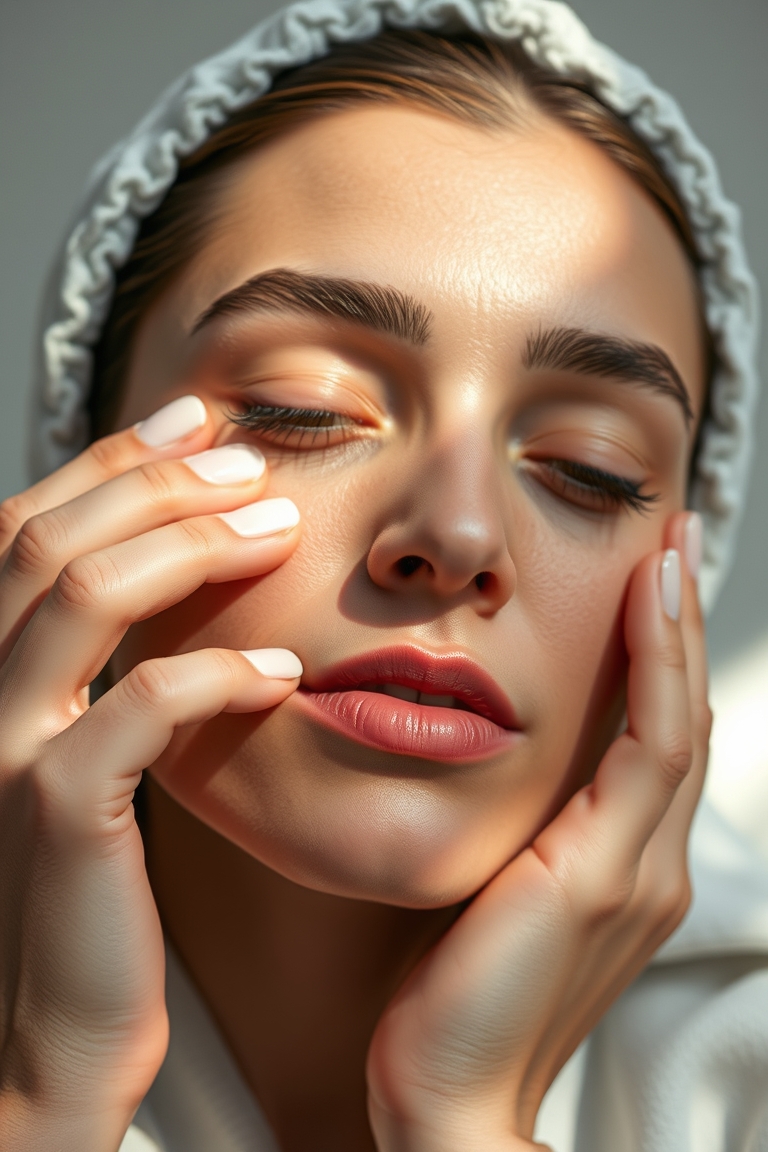
How to Get an Even Skin Tone: The Science Behind It
Skin tone is largely determined by melanin, the pigment produced by melanocytes. Factors such as sun exposure, hormonal changes, and genetics influence melanin production. When melanin is produced unevenly, hyperpigmentation or post‑inflammatory marks appear. Understanding this biology helps you choose the right steps to even out your complexion.
For a deeper look at skin biology, see the Wikipedia page on Skin. It explains how melanin, keratinocytes, and dermal structures work together to create the skin’s appearance.


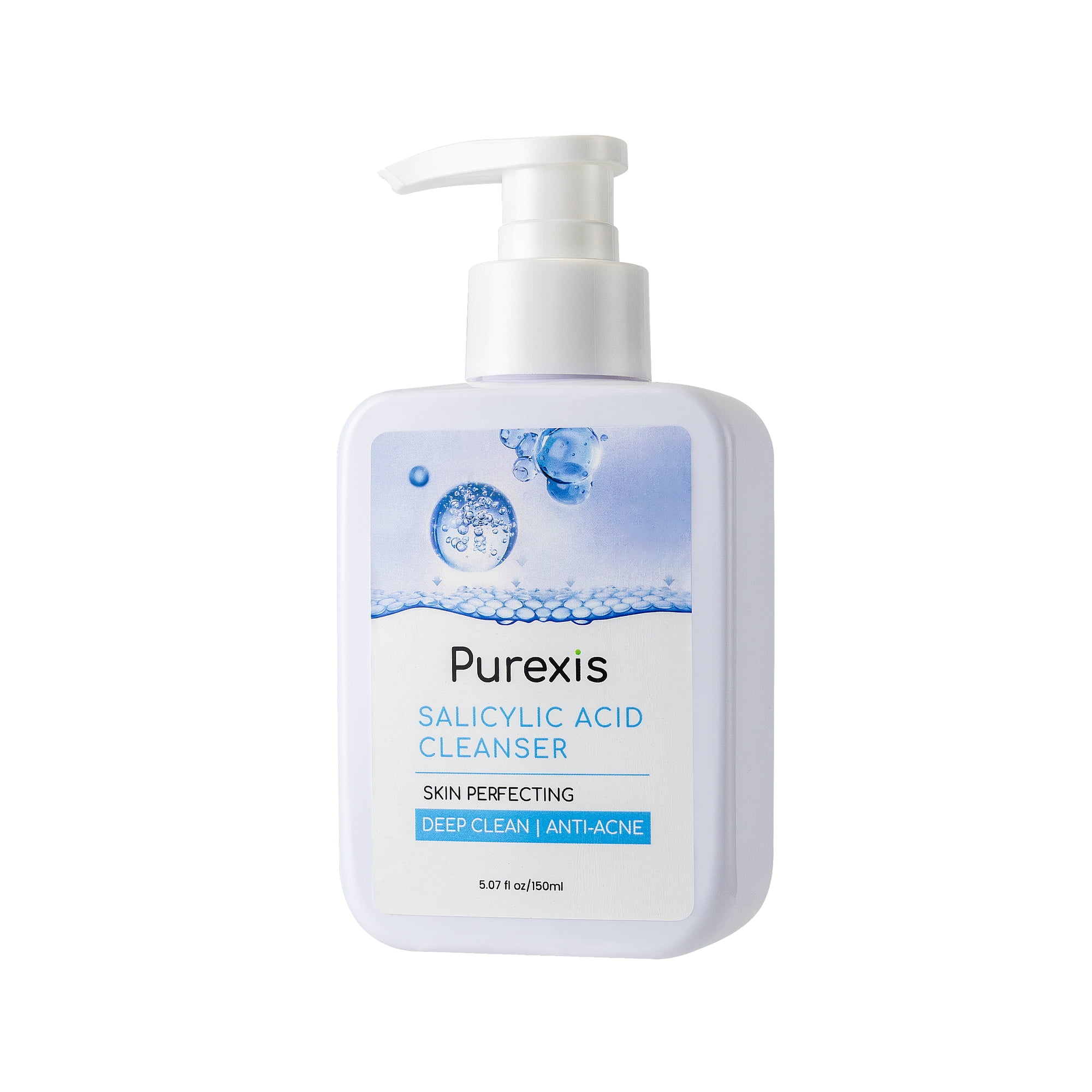
Common Causes of Uneven Skin Tone
- Sun exposure and UV damage
- Hormonal fluctuations (e.g., pregnancy, menopause)
- Post‑inflammatory hyperpigmentation from acne or injury
- Genetic predisposition to melasma or uneven pigmentation
- Lack of consistent skincare or sun protection
- Environmental pollutants and irritants
Understanding Your Skin Type
Before you pick products, identify whether you’re oily, dry, combination, or sensitive. A skin type mismatch can worsen pigmentation.
- Oily: Look for oil‑control formulas with niacinamide and BHA.
- Dry: Choose hydrating serums with hyaluronic acid and ceramides.
- Combination: Use a gentle cleanser, spot‑treat oily zones, and moisturize dry areas.
- Sensitive: Avoid fragrance, alcohol, and high‑concentration acids.
Step‑by‑Step Routine to Even Out Skin Tone
To get an even skin tone, follow a routine that addresses both the surface and deeper layers of your skin. Consistency is key. Below is a detailed morning and evening schedule, plus a weekly boost.
Morning Routine
- Cleanse: Use a gentle, pH‑balanced cleanser like CeraVe Hydrating Cleanser twice daily. Avoid harsh sulfates that strip natural oils and trigger irritation.
- Tone: Apply a hydrating toner with niacinamide or witch hazel to balance pH and reduce redness. Skip alcohol‑heavy toners that can dry out the skin.
- Brightening Serum: Layer a vitamin C serum (10–15% L‑ascorbic acid) for antioxidant protection and melanin inhibition.
- Moisturize: Choose a non‑comedogenic moisturizer with ceramides. For oily skin, a gel‑cream works well; for dry skin, a richer cream is preferable.
- Sun Protection: Finish with a broad‑spectrum SPF 30+ sunscreen. Reapply every two hours if outdoors.
Evening Routine
- Double Cleanse: Use an oil‑based cleanser to remove makeup, then a gentle surfactant cleanser to clean the skin’s surface.
- Exfoliate (1–2 times per week): Choose a chemical exfoliant (AHA or BHA). For example, The Ordinary Glycolic Acid 7% Toning Solution or Paula’s Choice 2% BHA Liquid Exfoliant. Avoid physical scrubs that can cause micro‑tears.
- Targeted Treatment: Apply a spot treatment with azelaic acid or retinol (if tolerance allows) on darker patches.
- Night Serum: Use a niacinamide serum or a peptide‑rich serum to support barrier repair.
- Moisturize: Apply a richer night cream or a sleeping mask to lock in hydration.
Weekly Boost
- Mask: Once a week, use a brightening mask such as Glow Recipe Vitamin C Mask or a hydrating sheet mask with hyaluronic acid.
- Facial Massage: Spend 5 minutes each week massaging the face with upward strokes to stimulate circulation.
- Hydration Boost: Apply a lightweight facial oil (e.g., rosehip or squalane) before bedtime for extra nourishment.
Brightening Ingredients That May Help You Brighten Dull Skin
When looking to brighten dull skin, focus on ingredients that inhibit melanin production and promote cell turnover.
- Vitamin C (ascorbic acid) – antioxidant that lightens pigmentation.
- Niacinamide – reduces redness and evens tone.
- Alpha Hydroxy Acids (glycolic, lactic) – gentle exfoliation.
- Licorice root extract – natural skin lightener.
- Azelaic acid – targets post‑inflammatory marks.
- Retinoids (retinol, tretinoin) – boost cell turnover.
- Bakuchiol – a plant‑based retinol alternative.
Advanced Treatments for Persistent Hyperpigmentation
Some cases require professional intervention. Consider:
- Chemical Peels: Glycolic or salicylic peels performed by a dermatologist can accelerate pigment removal.
- Laser Therapy: Intense Pulsed Light (IPL) or fractional laser treatments target melanin with precision.
- Microneedling: When combined with a vitamin C serum, it can enhance penetration and stimulate collagen.
- Prescription Retinoids: Tretinoin 0.025–0.05% can be more potent for stubborn spots.
DIY Masks and Home Remedies
For those who prefer natural solutions, these masks can be made at home:
- Turmeric & Yogurt Mask: Mix 1 tsp turmeric powder with 2 tbsp plain yogurt. Leave on for 15 minutes; rinse with lukewarm water.
- Oatmeal & Honey Mask: Blend 2 tbsp oatmeal with 1 tbsp honey. Apply, leave 10 minutes, rinse.
- Green Tea & Lemon Mask: Steep 2 green tea bags, let cool, mix with 1 tsp lemon juice. Apply for 15 minutes.
Always perform a patch test before using any homemade mask.
Seasonal Adjustments to Your Routine
- Spring: Increase antioxidant serums to combat pollen‑induced inflammation.
- Summer: Double down on sunscreen and switch to a gel‑based moisturizer to avoid heaviness.
- Fall: Add a richer cream to counter dry air and use a hydrating mask twice a week.
- Winter: Incorporate a heavier barrier repair cream and consider a facial oil to lock in moisture.
Common Mistakes to Avoid When Trying to Get an Even Skin Tone
- Over‑exfoliating – this can irritate the barrier and worsen pigmentation.
- Skipping sunscreen – even on cloudy days, UV rays can cause darker spots.
- Picking or squeezing blemishes – leads to inflammation and post‑inflammatory marks.
- Using incompatible products – always patch‑test new items and avoid mixing strong actives.
- Ignoring hydration – a dry skin barrier struggles to even out tone.
Product Layering Order (The “ABCD” Method)
To maximize absorption, follow this layering sequence:
- A – Active Ingredients: Serums with vitamin C, niacinamide, or retinoids.
- B – Barrier Support: Moisturizers with ceramides or peptides.
- C – Sun Protection: Sunscreen (morning only).
- D – Occlusive Layer: Facial oils or ointments for nighttime.
Myths About Even Skin Tone Debunked
- Myth 1: “You can’t fix melasma.” Fact: With consistent treatment and sun protection, melasma can improve.
- Myth 2: “Only expensive products work.” Fact: Many affordable actives (e.g., 10% vitamin C) are highly effective.
- Myth 3: “You must use retinoids to get even skin.” Fact: Niacinamide, azelaic acid, and chemical peels are equally potent.
FAQs About Getting an Even Skin Tone
- How long does it take to see visible results?
- Most people notice improvement within 4–6 weeks of consistent use, but deeper pigmentation may require 3–6 months.
- Can I use sunscreen with a high SPF and still apply retinol at night?
- Yes. Sunscreen protects during the day; retinol can be applied at night after cleansing and before moisturizer.
- What if my skin gets irritated after using a new brightening serum?
- Discontinue use immediately, cleanse, and apply a calming serum (e.g., centella asiatica). Reintroduce the product at a lower concentration or less frequently.
- Is it safe to combine vitamin C and niacinamide?
- Recent studies show they can be used together without diminishing efficacy. Layer vitamin C first, followed by niacinamide.
- Should I use a separate moisturizer for dry and oily zones?
- Yes. A lightweight gel for oily areas and a richer cream for dry zones can prevent over‑drying or greasiness.
By following these steps, you can get an even skin tone and enjoy a radiant, glowing complexion. Remember that skin health is a long‑term commitment, and small daily habits add up to big changes. Explore more about healthy skin at Healthyskinworld.com.
Leave a Reply