
Post acne marks vs acne scars can be confusing, especially when you’re trying to decide which skincare routine to follow.
Post Acne Marks vs Acne Scars: Understanding the Key Differences
When you compare post acne marks vs acne scars, you’ll notice that marks fade sooner and are often more superficial, while scars are deeper and longer‑lasting. Understanding the difference between post acne marks vs acne scars is crucial for choosing the right treatment.
What Are Post Acne Marks?
Post acne marks are temporary discolorations that occur after the inflammatory phase of acne. They can be red (erythema), brown (hyperpigmentation), or a combination of both. These marks are usually the result of excess melanin production or lingering inflammation. They may appear within a few days of a breakout and often improve as the skin’s natural turnover process continues.


What Are Acne Scars?
Acne scars, on the other hand, are permanent changes in the skin’s structure. They develop when the healing process leads to either a loss or an over‑growth of collagen. Common types include:
- Atrophic scars (ice‑pick, rolling, or boxcar)
- Hypertrophic scars (raised, thickened)
- Scar tissue that stays darker for months or years
Unlike marks, scars do not fade quickly, and they can be more challenging to treat.
Difference Marks Scars: Why the Distinction Matters
Distinguishing between marks and scars helps you set realistic expectations. If you’re wondering whether a spot is a post acne mark or an acne scar, look for these visual clues:
- Redness that lightens within 1–3 weeks usually indicates a post acne mark.
- Persistent discoloration or texture change that lasts beyond a month suggests a scar.
- Raised or indented areas are more likely to be scars.
Knowing the difference can also guide which ingredients and procedures are most likely to be effective.
Red Marks After Acne: Common Causes and Quick Relief
Red marks after acne commonly stem from inflammation or irritation. Quick relief tactics include:
- Applying a cold compress to reduce swelling.
- Using a gentle, fragrance‑free moisturizer to soothe the skin.
- Avoiding picking or squeezing to prevent further irritation.
These steps help calm the skin and reduce the intensity of post acne marks vs acne scars.
How to Fade Acne Marks
While post acne marks fade naturally, you can accelerate the process with the following routine:
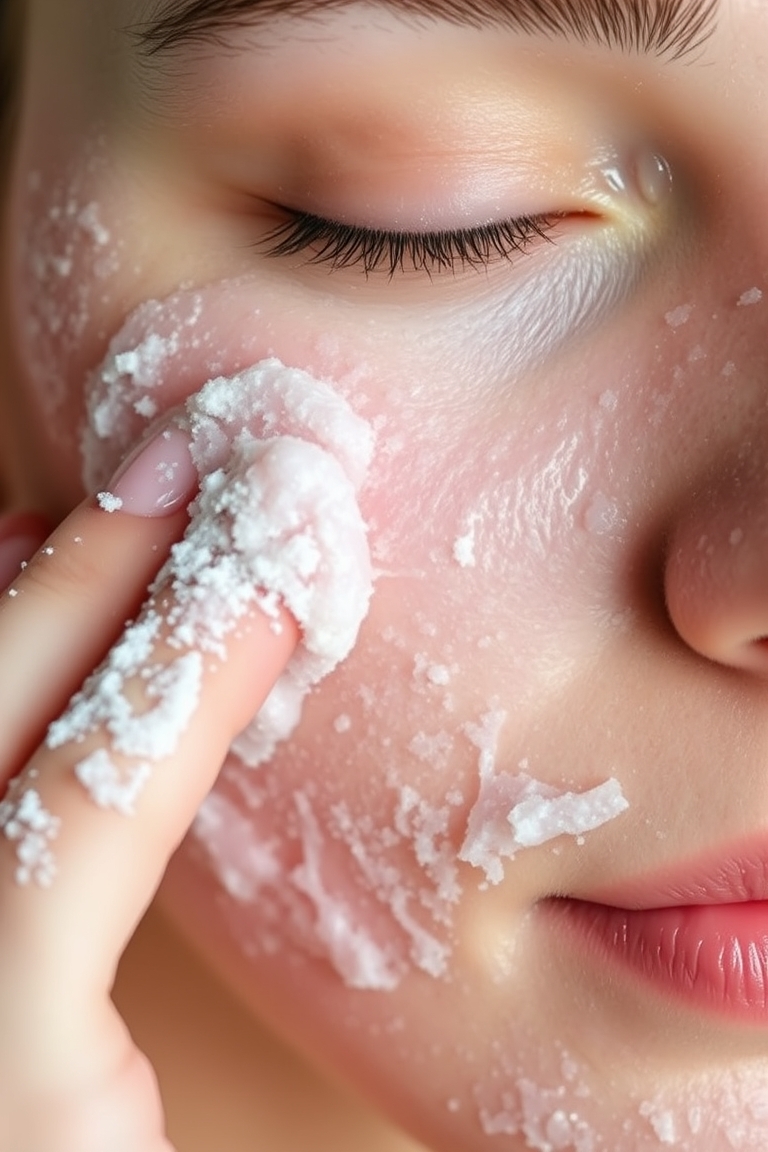
- Gentle Exfoliation: Use a mild alpha‑hydroxy acid (AHA) or a natural enzyme scrub once or twice a week to remove dead skin cells without over‑scrubbing.
- Brightening Agents: Ingredients such as vitamin C, niacinamide, or licorice root extract can help even out skin tone.
- Sun Protection: Broad‑spectrum SPF 30+ shields against UV rays that can worsen pigmentation.
- Hydration: A lightweight gel‑cream or serum keeps the epidermis supple and supports barrier repair.
Consistency is key; most people notice improvement within 4–6 weeks.
Managing Acne Aftermath: Long‑Term Care
Beyond fading marks, maintaining healthy skin after a breakout involves a balanced routine. For more detailed routines, visit our guide on post‑acne skincare at post‑acne skincare guide.
- Cleanse twice daily with a pH‑balanced cleanser.
- Apply a lightweight moisturizer to keep the barrier intact.
- Incorporate a soothing serum that contains peptides or centella asiatica.
- Use retinoids sparingly if you’re prone to sensitivity; they can promote collagen production over time.
- Keep your diet balanced and stay hydrated to support skin health from within.
Natural Ingredients That May Help
Several natural ingredients have shown promise in supporting the skin’s healing process:
- Turmeric: Contains curcumin, which has anti‑inflammatory properties.
- Honey: A natural humectant that also has antibacterial qualities.
- Aloe Vera: Soothes irritation and promotes cell turnover.
- Green Tea Extract: Offers antioxidants that protect against free‑radical damage.
When choosing products, look for formulations that combine these ingredients with a mild base to avoid irritation.
When to Seek Professional Advice
If you find that post acne marks vs acne scars are not improving after a month of consistent care, or if you notice worsening texture or sensitivity, consider consulting a dermatologist. A professional can recommend treatments such as chemical peels, laser therapy, or microneedling, which target deeper skin layers and can help remodel scar tissue.
Advanced Treatment Options for Scars
When marks have faded but scars remain, a more aggressive approach may be warranted. Dermatologists often combine multiple modalities to achieve the best results:
- Fractional Laser Resurfacing: Uses micro‑laser beams to stimulate collagen while sparing surrounding tissue.
- Microneedling with Growth Factors: Creates micro‑injuries that trigger the skin’s natural repair process, often paired with platelet‑rich plasma (PRP).
- Chemical Peels: Glycolic or salicylic peels remove the outermost layers, encouraging cell turnover and smoothing texture.
- Dermal Fillers: For deep ice‑pick scars, hyaluronic acid fillers can temporarily lift depressed areas.
Each procedure has its own downtime and cost considerations, so a personalized consultation is essential.
Daily Routine for Mark and Scar Management
Morning Routine
- Cleanse: A gentle, sulfate‑free cleanser to remove overnight oil and impurities.
- Toner (Optional): Alcohol‑free toner with niacinamide to calm redness.
- Serum: Vitamin C or licorice root extract to brighten and protect.
- Moisturizer: Lightweight, non‑comedogenic moisturizer with ceramides.
- Sun Protection: SPF 30+ sunscreen applied as the last step.
Evening Routine
- Cleanse: Same gentle cleanser as morning.
- Exfoliate (2–3 times a week): A mild AHA or enzyme scrub to promote turnover.
- Treatment: Retinoid (tretinoin or adapalene) or a niacinamide‑rich serum.
- Moisturizer: Richer night cream with peptides or centella asiatica.
- Optional Spot Treatment: Tea tree oil or benzoyl peroxide for active blemishes.
Consistency over 6–12 weeks often yields noticeable improvements in both marks and shallow scars.
Common Mistakes to Avoid
- Over‑Exfoliating: Scrubbing too hard can worsen redness and damage the barrier.
- Skipping Sunscreen: UV exposure can darken post‑inflammatory hyperpigmentation.
- Using Harsh Products: Alcohol‑based toners or high‑concentration acids can irritate healing skin.
- Picking or Squeezing: This action can push bacteria deeper and create permanent scarring.
- Ignoring Hydration: Dehydrated skin is more prone to irritation and delayed healing.
Diet and Lifestyle Factors That Influence Healing
What you eat and how you live can affect how quickly your skin recovers:
- Antioxidant‑Rich Foods: Berries, leafy greens, and nuts help neutralize free radicals.
- Omega‑3 Fatty Acids: Salmon, chia seeds, and flaxseed reduce inflammation.
- Hydration: Aim for 2–3 liters of water daily to keep the skin plump.
- Sleep: 7–9 hours of quality sleep supports cellular repair.
- Stress Management: Practices like yoga or meditation lower cortisol, which can exacerbate acne.
Patient Stories: Real Results from Real People
Jane, a 24‑year‑old graphic designer, struggled with persistent ice‑pick scars on her cheeks. After a 12‑week microneedling series combined with a retinoid regimen, her skin texture improved by 70%, and the scars became less noticeable. She now uses a daily vitamin C serum and SPF 50 to maintain the results.
Mark, a 32‑year‑old software engineer, had deep boxcar scars on his jawline. He opted for a fractional laser treatment followed by a 6‑month topical collagen booster. Within four months, the scars had flattened, and his confidence surged.
When to Consider a Dermatologist for Acne Aftermath?
If marks persist beyond a month, scars deepen, or you experience significant discomfort, it’s wise to seek professional evaluation to explore advanced options.
FAQs
What is the difference between post acne marks vs acne scars?
Post acne marks are temporary discolorations that fade within weeks, while acne scars are permanent structural changes that often require targeted treatments to reduce their appearance.
How long does it typically take for post acne marks to fade?
Most post acne marks begin to lighten within 1–3 weeks, with full resolution often seen by 4–6 weeks when paired with proper care.
Can I use the same products for both marks and scars?
Gentle, non‑irritating products can help both conditions, but scars may benefit from more intensive treatments like retinoids or professional procedures.
What lifestyle changes can support post acne marks vs acne scars healing?
Staying hydrated, eating a balanced diet rich in antioxidants, avoiding excessive sun exposure, and not picking at blemishes all help speed recovery.
When should I consider a dermatologist for acne aftermath?
If marks persist beyond a month, scars deepen, or you experience significant discomfort, it’s wise to seek professional evaluation to explore advanced options.
Leave a Reply