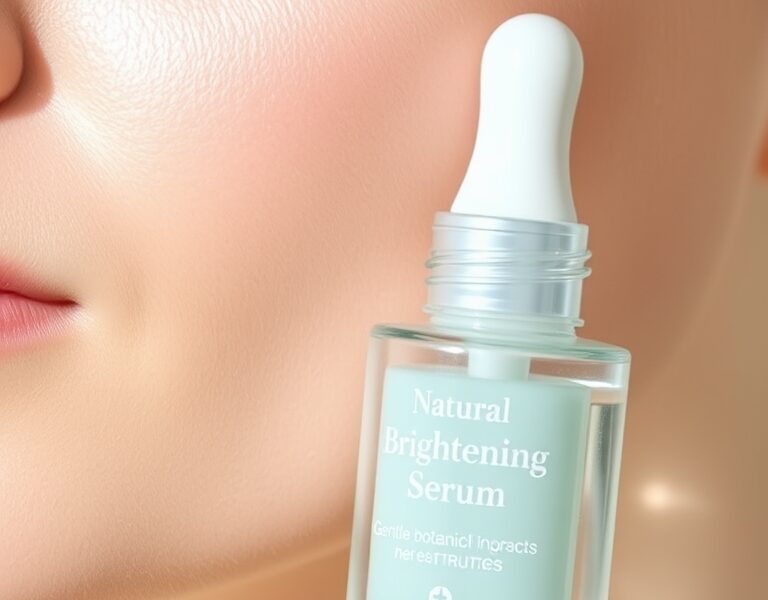
Kojic acid and licorice for skin may be the gentle brightening duo you’ve been searching for.
What Are Kojic Acid and Licorice?
Understanding the two key ingredients is the first step to unlocking their potential. Kojic acid is a naturally derived compound that originates from several types of fungi, most notably Kojic acid. It is prized in the skincare world for its ability to interfere with melanin production, thereby offering a mild lightening effect. Licorice, on the other hand, comes from the root of the Glycyrrhiza glabra plant. Its extract is celebrated for its anti‑inflammatory properties and its capacity to inhibit the same enzyme that kojic acid targets, making the two act in synergy.
Kojic Acid and Licorice for Skin: How They Work Together
The duo works by targeting the tyrosinase enzyme, which is essential for melanin synthesis. By gently inhibiting this enzyme, both ingredients reduce the formation of new pigment and help fade existing spots. The combination is especially useful because licorice also offers soothing benefits that can counteract the mild irritation sometimes associated with kojic acid. Together, they create a balanced formula that brightens while calming the skin.


The Science Behind Gentle Brightening
When applied, kojic acid donates a proton to the active site of tyrosinase, effectively blocking the enzyme’s ability to convert tyrosine into melanin. Licorice root extract contains glabridin, a compound that not only inhibits tyrosinase but also scavenges free radicals that can trigger hyperpigmentation. The result is a two‑pronged approach: less pigment production and a reduction in oxidative stress.
Benefits for Different Skin Concerns
Hyperpigmentation and Dark Spots
Both ingredients have been studied for their potential to fade melasma, age spots, and post‑inflammatory hyperpigmentation. Because they act on the same pathway, using them together can accelerate the fading process while keeping the skin’s barrier intact.
Uneven Skin Tone
Regular use can help even out the complexion, giving a subtle luminosity that feels natural rather than “over‑brightened.” The soothing nature of licorice also ensures that redness or irritation is minimized.
Sun‑Damaged Skin
Although they are not substitutes for sunscreen, the antioxidant properties of licorice root extract help protect the skin from further UV‑induced damage. This makes the combination an excellent part of a nighttime routine aimed at repairing sun damage.
Choosing the Right Product
When shopping for a kojic acid and licorice serum, look for a visible concentration range that matches your skin tolerance. A 1–2% kojic acid level is common in over‑the‑counter products, while licorice extract typically appears at 1–3%. Products that list both ingredients in the first 10 items of the ingredient list tend to have higher efficacy.
Read the Label Carefully
- pH: A pH of 3.5–4.5 is optimal for kojic acid activity.
- Preservatives: Look for gentle options like phenoxyethanol or potassium sorbate to avoid irritation.
- Packaging: Dark glass or opaque bottles protect the active compounds from light degradation.
Safety and Sensitivity
Both kojic acid and licorice are generally well tolerated, but as with any active ingredient, there is a possibility of irritation, especially for those with very sensitive skin. Starting with a lower concentration—around 1–2% for kojic and 1–3% for licorice—can help gauge tolerance. Applying a patch test on the inner forearm is a good precaution before full application.
Common Side Effects and How to Manage Them
- Redness: Mild flushing can occur; applying a calming serum with centella asiatica can help.
- Dryness: Pair the brightener with a hydrating moisturizer containing hyaluronic acid.
- Photosensitivity: Use broad‑spectrum SPF 30+ daily to protect the newly brightened skin.
When to Seek Professional Advice
If you experience persistent burning, peeling, or a rash, discontinue use and consult a dermatologist. Pregnant or nursing individuals should also seek professional guidance before incorporating kojic acid into their routine.
How to Incorporate Into Your Routine
Adding these ingredients to your nightly routine can be straightforward:
- Cleanse your face with a gentle, sulfate‑free cleanser.
- Apply a toner to balance pH.
- Introduce a serum or light cream that contains kojic acid and licorice; start with 2–3 applications per week.
- Follow with a moisturizer that contains ceramides or hyaluronic acid to lock in hydration.
- Morning, always finish with broad‑spectrum SPF 30 or higher.
Consistency is key. Results typically appear after 4–6 weeks of regular use, with noticeable improvement in tone and spot reduction.
DIY Serum Recipes
Creating a simple serum at home allows you to control concentrations and avoid added preservatives:
- Base: 1 ml of 10% kojic acid solution (diluted in distilled water).
- Additive: 1 ml of licorice root extract (1–3% concentration).
- Carrier: 2 ml of glycerin or aloe vera gel for a light, hydrating texture.
- Mix thoroughly in a dark glass bottle and store in the refrigerator.
Use 2–3 times a week, and always pair with sunscreen during the day.
Tips for Maximizing Results
To get the best outcome from kojic acid and licorice for skin, consider these extra steps:
- Use a gentle exfoliant (like a mild AHA) once a week to help the active ingredients penetrate deeper.
- Incorporate antioxidants such as vitamin E or ferulic acid to boost the brightening effect.
- Stay hydrated and maintain a balanced diet rich in omega‑3 fatty acids to support skin health from within.
- Keep the environment clean; avoid touching your face with dirty hands to reduce bacterial contamination.
Common Misconceptions
Many people assume that stronger concentrations always yield faster results. In reality, higher doses of kojic acid can increase irritation without proportionally improving brightness. Licorice’s soothing effect helps mitigate this, but it’s still wise to start low.
Another myth is that these ingredients can replace sunscreen. While they provide some antioxidant protection, they do not block UV rays. Sunscreen remains essential.
Long‑Term Maintenance
Once your skin has achieved a more even tone, you can reduce the frequency of the brightening serum to 2–3 times a month. This maintenance approach helps sustain results while minimizing cumulative irritation.
FAQ
- What is kojic acid and licorice for skin? They are natural ingredients used together to gently brighten the complexion by inhibiting melanin production and soothing the skin.
- Can I use kojic acid and licorice for skin if I have sensitive skin? Yes, but start with lower concentrations and perform a patch test to ensure no irritation occurs.
- How long does it take to see results? Most users notice improvement after 4–6 weeks of consistent nightly use.
- Do I need sunscreen when using kojic acid and licorice for skin? Absolutely. Both ingredients can make the skin more photosensitive, so daily broad‑spectrum SPF is a must.
- Can I combine kojic acid and licorice for skin with other brightening agents? You can, but avoid stacking too many active ingredients to prevent irritation. Consider using niacinamide or vitamin C on alternate nights.
For more in‑depth guides on natural skincare and how to build a balanced routine, visit Healthy Skin World and explore our collection of articles on gentle brightening techniques.
Leave a Reply