
Hyaluronic acid for dry skin is a popular solution that many skincare enthusiasts swear by. When the skin feels tight, flaky, or dull, the first instinct is often to look for a miracle ingredient that can restore softness and suppleness. Hyaluronic acid, a naturally occurring polysaccharide, is renowned for its ability to attract and hold moisture—up to 1,000 times its weight in water—making it a go‑to for dehydrated complexions. But how do you actually integrate it into a daily routine, and what should you watch out for?
What Is Hyaluronic Acid?
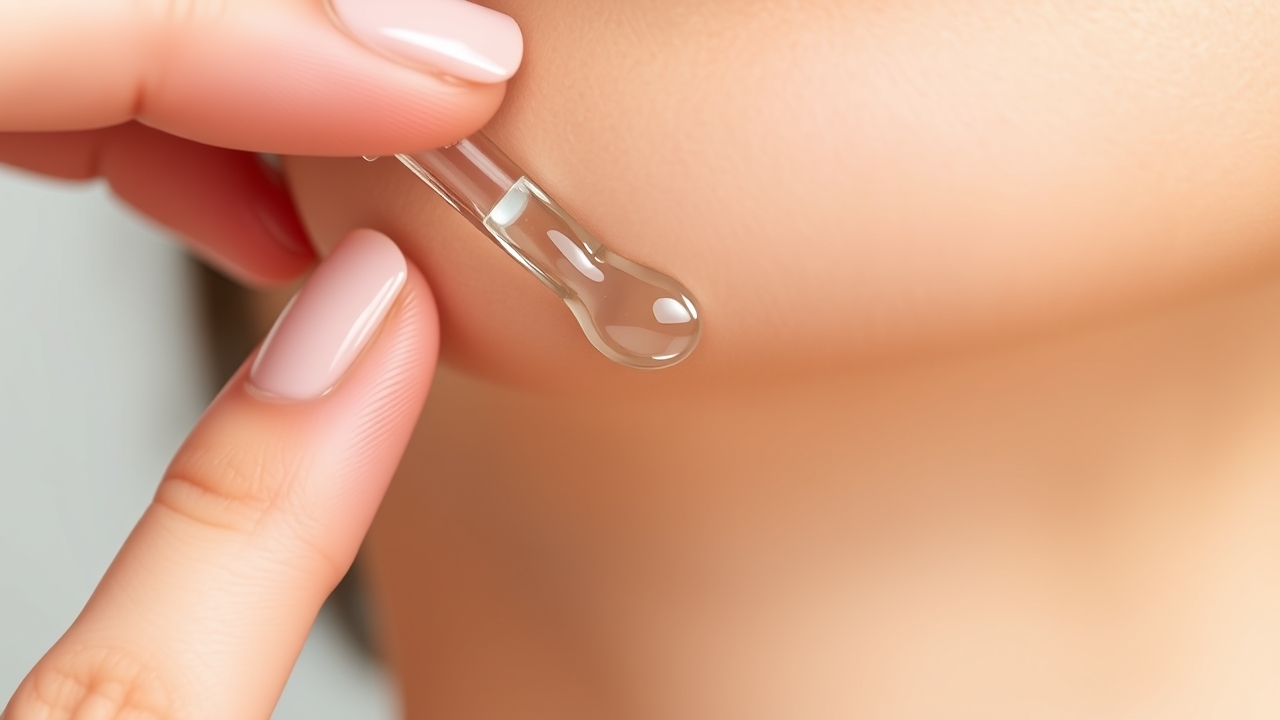
Hyaluronic acid is a humectant that lives in the extracellular matrix of the skin, bonding with water molecules to maintain hydration and structural integrity. It is produced naturally by the body, but as we age, production drops, leading to drier skin. Because of its biocompatibility, it is widely used in serums, creams, and even injectable treatments. For those with dry skin, the exogenous application of hyaluronic acid can help bridge the moisture gap.
Learn more about the science behind this molecule on Wikipedia, where the chemistry and applications are explained in depth.


Why Hyaluronic Acid Works for Dry Skin
Dry skin often suffers from a compromised barrier, which means moisture escapes faster than it can be replenished. Hyaluronic acid for dry skin acts on multiple fronts:
- Immediate Hydration – It draws water from the environment and deeper layers into the epidermis.
- Barrier Support – By retaining moisture, it helps the skin’s lipid layer function more effectively.
- Plumpness & Radiance – A well‑hydrated stratum corneum looks smoother and reflects light better, reducing the appearance of fine lines.
These benefits explain why many find that a simple serum can make a noticeable difference in a week or two.
Choosing the Right Hyaluronic Acid Product
Concentration Matters
Products range from 0.5% to 2% or higher. For dry skin, a concentration around 1%–1.5% is often ideal—high enough to hydrate but low enough to avoid a sticky feel.
Molecular Weight
Hyaluronic acid comes in high‑, medium‑, and low‑weight forms. High‑weight molecules stay on the surface, creating a moisture barrier, while low‑weight molecules penetrate deeper. A combination of both can give you surface hydration plus lasting depth.
Formulation Type
Serums are lightweight and allow for layering, but creams or lotions can lock in the moisture. If you have extremely dry patches, a richer cream may be more effective.
Additional Hydration Boosters
Look for ingredients like glycerin, panthenol, or ceramides, which work synergistically with hyaluronic acid to reinforce the skin’s barrier.
Step‑by‑Step Routine for Dry Skin
1. Cleanse Gently
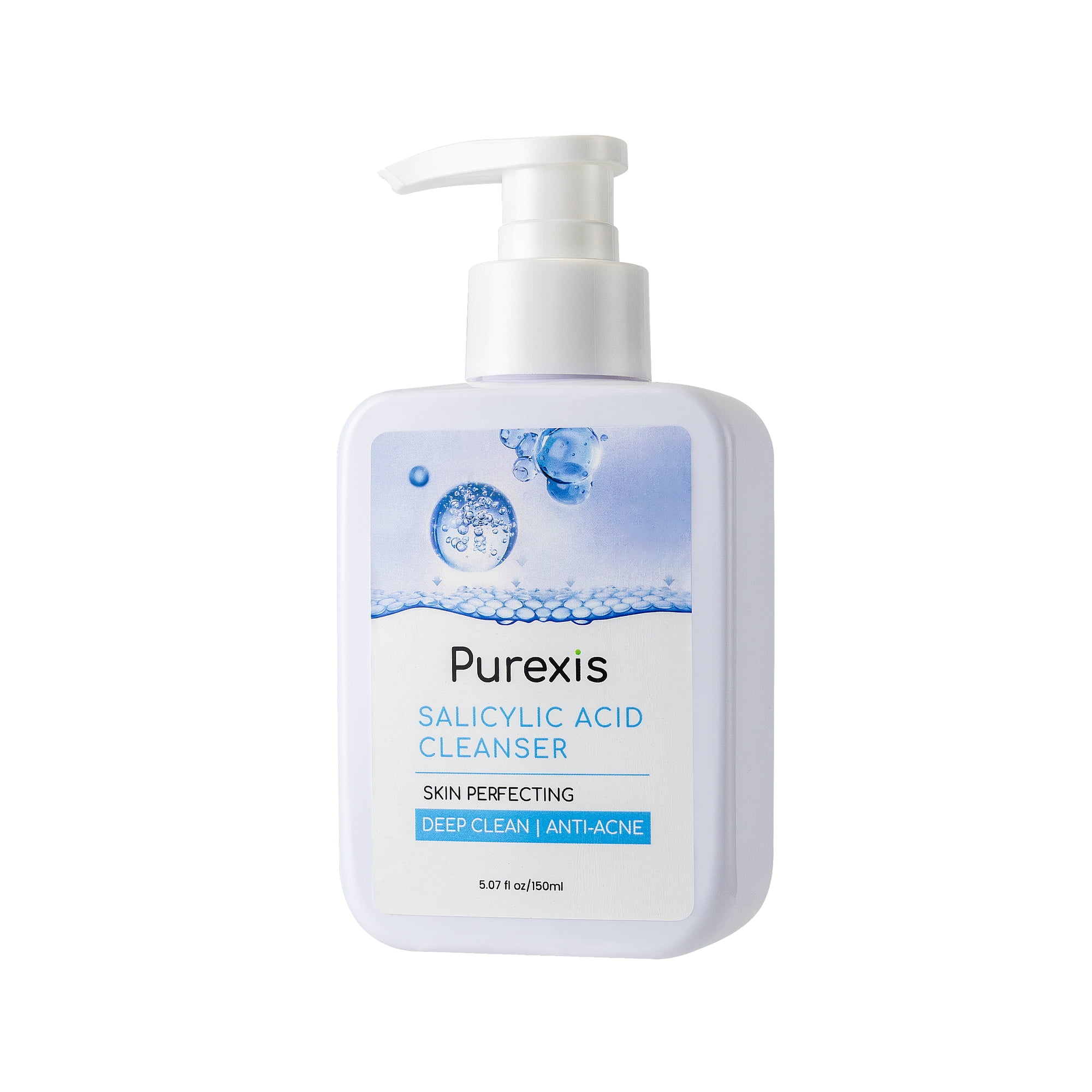
Use a mild, sulfate‑free cleanser to avoid stripping natural oils. Pat the face dry with a towel.
2. Tone (Optional)
Apply a hydrating toner that contains glycerin or rose water. This primes the skin for absorption.
3. Apply Hyaluronic Acid Serum
While the skin is still damp, drop 2–3 drops onto fingertips and gently press into the cheeks, forehead, and jawline. Avoid the eye area unless the product is eye‑safe.
4. Seal with a Moisturizer
Choose a cream that contains ceramides or niacinamide. This step locks the serum in place and adds a protective barrier.
5. Sun Protection
Finish with a broad‑spectrum SPF 30 or higher during the day. Sun damage can worsen dryness.
Repeat this routine morning and night for best results. Consistency is key—dry skin needs regular reinforcement.
Common Mistakes to Avoid
Overuse of Hyaluronic Acid
Applying too much serum can lead to a sticky, tacky feeling, which actually encourages water loss. Stick to the recommended amount.
Mixing with Potent Actives
Using hyaluronic acid with strong acids (AHA/BHA) or retinoids on the same night can irritate dry skin. If you want to combine, alternate nights or use a lower concentration.
Skipping the Moisturizer
Serum alone cannot seal in moisture. Without a barrier, the water attracted by hyaluronic acid may evaporate.
DIY Hyaluronic Acid‑Infused Hydration Boosters
While commercial products are convenient, you can create simple DIY steps to enhance moisture:
- Water‑Rich Facial Mist – Mix distilled water with a few drops of hyaluronic acid powder dissolved in a 1:1 ratio. Spray lightly after cleansing.
- Honey‑Hyaluronic Mask – Combine 1 tablespoon of raw honey with 1 teaspoon of hyaluronic acid powder. Apply for 10 minutes, then rinse.
- Oatmeal Hydration Pack – Blend 2 tablespoons of ground oats with 1 teaspoon of hyaluronic acid and 1 cup of warm milk. Apply, let sit, and rinse.
These recipes are safe for most skin types and provide an extra hydration punch.
Real‑World Examples
Consider the case of Maya, a 32‑year‑old graphic designer who struggled with dry, flaky cheeks. After incorporating a 1% hyaluronic acid serum into her nightly routine for six weeks, she reported a 40% reduction in flakiness and a noticeably smoother texture. She paired it with a ceramide‑rich moisturizer and noted that her skin felt less tight in the morning.
Another example is Daniel, who lives in a cold, dry climate. He uses a low‑weight hyaluronic acid serum in the morning and a high‑weight, oil‑based cream at night. He finds that the serum hydrates the surface while the cream seals in moisture, preventing the dreaded winter “cracked lips” and dry patches.
When to Expect Results
Because hyaluronic acid works by physically drawing and holding water, you’ll often notice an immediate plumpness after application. However, for deeper, sustained hydration and barrier repair, a minimum of four to six weeks of consistent use is recommended. If you’re combining it with other actives, give your skin time to adapt before layering additional products.
How to Layer Hyaluronic Acid with Other Actives
Layering is an art—order matters. Here’s a practical guide:
- Morning: After cleansing, apply a lightweight antioxidant serum (vitamin C or E). Wait 30–60 seconds, then hyaluronic acid. Follow with a moisturizer and SPF.
- Night: Cleanse, apply a soothing serum (niacinamide or centella). Layer hyaluronic acid next, then a richer barrier cream. If you use retinol, apply it after the moisturizer to reduce irritation.
Tip: If you’re using a hydrating mask, apply it before the hyaluronic acid serum to lock in the moisture.
Seasonal & Climate Considerations
Dry skin behaves differently across seasons:
- Winter: Use a heavier cream and consider a humidifier in living spaces. Apply hyaluronic acid in the evening when humidity is slightly higher.
- Summer: A lighter gel or water‑based serum works well. Pair with an oil‑free moisturizer to avoid clogging pores.
- High Altitude: The air is drier; double‑layering with a hyaluronic acid serum and a ceramide‑rich lotion can prevent dehydration.
Professional Treatments vs DIY
Professional hyaluronic acid injections focus on volumizing and wrinkle reduction. For at‑home use, serums provide surface hydration. If you’re unsure, start with a low‑concentration serum and observe how your skin reacts before considering injectable options.
Common Myths Debunked
- Myth: Hyaluronic acid is only for oily skin. Truth: It’s a humectant, not a sebum replacer, making it ideal for dry and dehydrated skin.
- Myth: You need a high concentration for results. Truth: A 1% serum is often sufficient; higher concentrations can feel sticky.
- Myth: Hyaluronic acid can replace a moisturizer. Truth: It pulls water in but needs a barrier to lock it in.
FAQ
Why does hyaluronic acid for dry skin feel sticky if I use too much?
Using more serum than your skin can absorb creates a tacky residue. Stick to the recommended amount and allow each layer to absorb before adding the next.
Can I use hyaluronic acid with retinol or vitamin C?
Yes, but it’s best to alternate nights or use a lower concentration of the active to avoid irritation.
Is hyaluronic acid safe for sensitive skin?
Generally, yes. Since it’s a naturally occurring molecule, it’s well tolerated. Nonetheless, patch test new products.
How does hyaluronic acid differ from glycerin?
Both are humectants, but hyaluronic acid can hold more water and works across multiple layers of the skin, while glycerin primarily attracts moisture to the outermost layer.
Do I need to use a moisturizer after hyaluronic acid?
Absolutely. The serum pulls water in, but a moisturizer seals it in and strengthens the barrier.
For more personalized guidance on dry skin care, visit Healthy Skin World and explore our comprehensive guides.
Leave a Reply