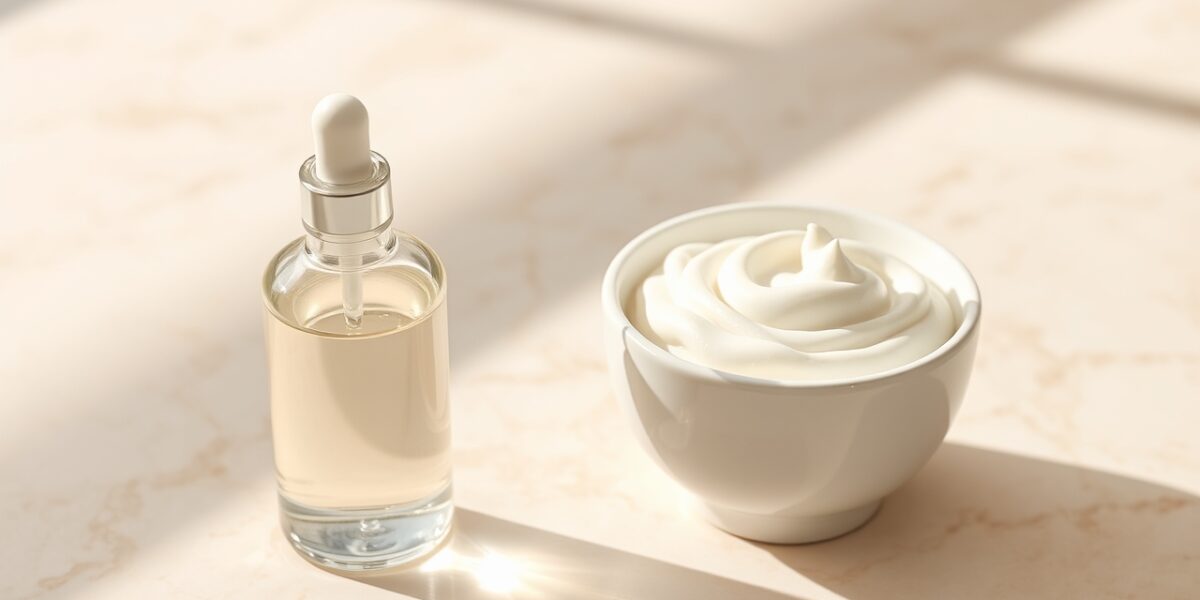
When you wake up with a tight, stinging face after a shower, or notice that your favorite moisturizer suddenly feels like a paste, the culprit is often a cracked skin barrier. The skin barrier – the outermost layer of the epidermis – is the first line of defense against irritants, allergens, and dehydration. Once it’s damaged, the skin becomes a playground for bacteria and environmental stressors, leading to redness, breakouts, and chronic dryness.
What Exactly Is the Skin Barrier?
Think of the skin barrier as a fortified wall. The bricks are corneocytes – the dead, flattened cells that make up the stratum corneum. The mortar is a delicate blend of lipids: ceramides, cholesterol, free fatty acids, and natural moisturizing factors. Together, they lock in moisture and create a shield that keeps pollutants and microbes out.
When the mortar cracks, water escapes in a process called transepidermal water loss (TEWL). The result is a dry, irritated, and more reactive skin surface. Understanding this architecture is the foundation for any repair strategy.


Identifying Damaged Barrier Signs
Before you can fix a barrier, you have to spot it. Below are concrete signs that your skin’s protective wall is compromised:
- Unexpected Stinging: Products that previously felt soothing now burn or tingle.
- Persistent Tightness: Even after applying a generous amount of moisturizer, the skin feels drawn tight.
- Rough, Sandpaper Texture: Small, uneven patches that resist smoothing.
- Unexplained Redness: A diffuse flush or isolated red spots that appear without a clear trigger.
- Frequent Breakouts: Acne that appears suddenly or worsens despite a consistent routine.
- Itchiness: A mild, constant itch that doesn’t resolve with standard moisturizers.
Common Causes of Barrier Damage
Many of us unknowingly sabotage our skin barrier while chasing flawless skin. Here’s how:
Over‑Exfoliation
Using AHAs, BHAs, or physical scrubs too often strips the protective lipid layer. A weekly chemical peel can be beneficial, but daily use of 10–15% glycolic acid, for example, is a recipe for a cracked wall.
Harsh Cleansers
High‑pH soaps or sulfate‑laden foams pull natural oils away. A cleanser that leaves the skin feeling squeaky clean is a red flag. Opt for a cream or milk cleanser with a pH around 5.5.
Environmental Stressors
Cold, dry winter air, hot summer heat, UV radiation, and indoor HVAC systems all sap moisture. Even a short, cold shower can trigger TEWL if your skin is already compromised.
Overuse of Actives
Retinoids, vitamin C, and niacinamide are powerful but can overwhelm a fragile barrier if used simultaneously or too frequently. The skin needs time to rebuild its lipid matrix.
Step‑by‑Step Guide: How to Repair Your Skin Barrier
Repair isn’t about layering more products; it’s about giving the skin a clean slate and the right building blocks.
Step 1: The Great Reset (Pause All Actives)
For 2–4 weeks, remove retinoids, vitamin C serums, acids, harsh scrubs, and fragrance‑heavy products. Treat your skin as if you’re treating a fresh wound: no extra stimuli.
Step 2: Simplify Cleansing
Choose a non‑foaming, pH‑balanced cleanser like CeraVe Hydrating Cleanser or La Roche‑Posay Toleriane Hydrating Gentle Cleanser. Use lukewarm water and wash once a day in the evening. In the morning, simply rinse with water to preserve natural oils.
Step 3: Focus on Lipid Replacement
After cleansing, apply a hydrating serum that contains hyaluronic acid – this pulls water into the skin. Follow with a ceramide‑rich moisturizer such as CeraVe Moisturizing Cream or La Roche‑Posay Lipikar Balm. Look for ingredients like ceramide NP, ceramide AP, and natural fatty acids.
Step 4: Seal and Protect
Apply the moisturizer while the skin is still damp; this locks in the serum’s humectant. For severely damaged skin, add a thin layer of petrolatum (e.g., Vaseline) at night. This “slugging” technique creates an artificial barrier that prevents water loss during sleep.
Step 5: Reintroduce Actives Gradually
Once the barrier feels supple and redness has faded, reintroduce one active at a time. Start with a low‑strength vitamin C serum (10% L‑ascorbic acid) once a week, then increase to twice a week if tolerated. For retinoids, begin with a 0.25% retinol cream, applying only every third night, and monitor for irritation.
Long‑Term Strategies to Strengthen Your Skin Barrier
Repair is a marathon, not a sprint. Adopt these habits to keep the barrier intact:
Sun Protection
UV rays degrade lipids and proteins. Use a mineral sunscreen with zinc oxide and titanium dioxide, especially on days you’ll be outdoors. A 30+ SPF applied every morning is essential.
Hydration From the Inside Out
Drink at least 2 liters of water daily and include omega‑3‑rich foods like salmon, chia seeds, and walnuts. These fats integrate into the skin’s lipid layer, reinforcing the barrier.
Mind Your Diet and Stress
Inflammation from processed foods or chronic stress can weaken the barrier. Incorporate anti‑inflammatory foods (berries, leafy greens) and practice mindfulness techniques to reduce cortisol levels.
Limit Product Layering
Less is often more. Stick to 3–4 products per routine (cleanser, serum, moisturizer, sunscreen). Avoid heavy occlusives during the day unless you have extremely dry skin.
Common Mistakes During Barrier Recovery
- Over‑Hydrating: Layering multiple hydrating serums without an occlusive can draw moisture out in dry climates.
- Switching Products Too Quickly: Changing moisturizers every few days doesn’t allow the barrier to adapt. Give each product at least 4 weeks.
- Using “Natural” Remedies: Lemon juice, apple cider vinegar, or rubbing alcohol are highly acidic or drying and will further erode the barrier.
Summary Checklist for Barrier Repair
Use this daily routine to resemble a barrier‑repair protocol:
- Morning: Rinse with lukewarm water → Hydrating serum (HA) → Ceramide‑rich moisturizer → SPF 30+ mineral sunscreen.
- Evening: Gentle cream cleanser → Hydrating serum (HA) → Barrier‑repair cream (ceramides) → Optional petrolatum layer on very dry spots.
- Weekly: No actives or exfoliation; let the skin rest.
Frequently Asked Questions
How long does it take to repair your skin barrier?
Most people see noticeable improvement within 3–4 weeks, but a full 28‑day cell cycle is ideal for a complete restoration. Patience is key.
Can I use a face oil to repair my skin barrier?
Yes, but oils should be a secondary layer. Apply a water‑based moisturizer first, then pat a few drops of a light oil (such as squalane or rosehip oil) on top to lock in hydration.
Is a damaged skin barrier the same as sensitive skin?
Not exactly. Sensitive skin is often a genetic predisposition, whereas a damaged barrier is an acquired condition. However, a compromised barrier will amplify sensitivity across all skin types.
Does drinking water actually help the skin barrier?
Hydration from within supports overall skin health, but it won’t repair a broken barrier alone. The barrier’s job is to keep that internal water from escaping, so topical lipids are essential.
Can I use a gentle chemical exfoliant if my skin is peeling?
No. When the skin is already peeling, it’s already losing its protective layer. Adding an exfoliant will accelerate the loss and may cause raw, weeping skin.
Takeaway
Repairing your skin barrier is a deliberate, science‑backed process. By resetting your routine, focusing on lipids, and protecting the skin from environmental stressors, you can rebuild a resilient barrier that keeps your complexion smooth, hydrated, and resilient. Remember to visit Healthyskinworld.com for more expert tips, and explore our skin barrier basics article to deepen your understanding.
Leave a Reply