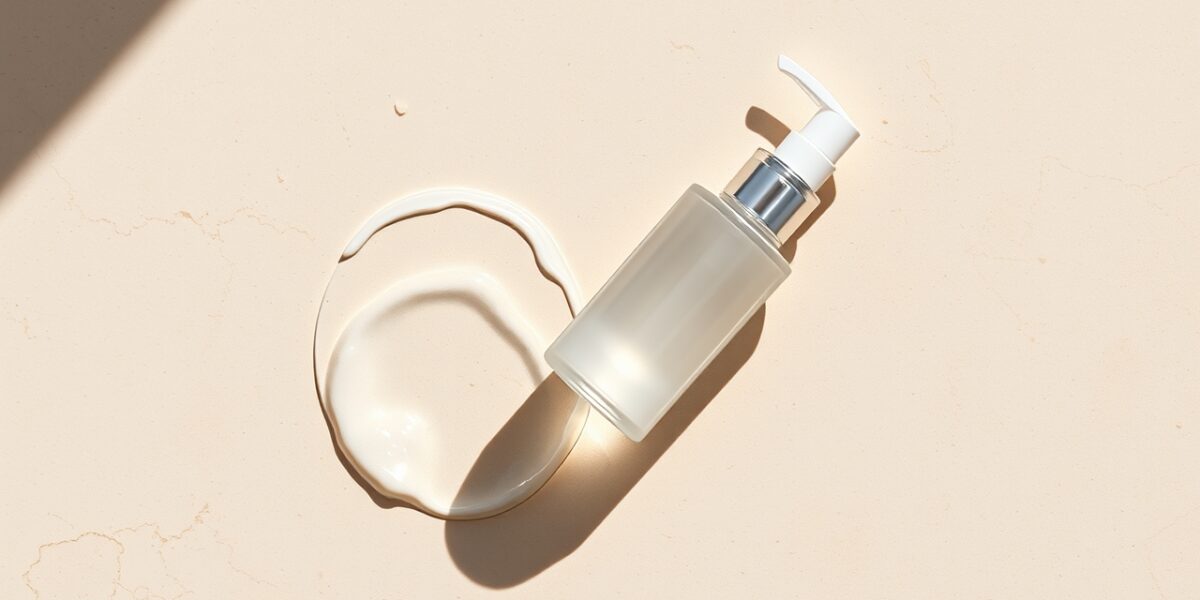
When you’re battling oily skin, the first thing most people reach for is a cleanser that promises a shine‑free finish. But the real game‑changer is a salicylic acid cleanser for oily skin that goes beyond surface cleansing. By dissolving the very oil that clogs pores, it clears the path for a smoother, calmer complexion.
Why Salicylic Acid Is the Go‑to Choice for Oily Skin
Salicylic acid, a beta‑hydroxy acid (BHA), has a unique ability to dissolve sebum and dead skin cells inside the follicle. Unlike alpha‑hydroxy acids (AHAs), which dissolve on the skin’s surface, BHAs are oil‑soluble. Think of it as a solvent that can dissolve grease. When you lather a BHA cleanser on your face, the acid works from the inside out, loosening the glue that holds clogged pores together.
In practice, this means fewer blackheads, a calmer break‑out cycle, and a visibly smoother texture. The acid also has anti‑inflammatory properties—thanks to its chemical kinship with aspirin—so it can soothe redness that often accompanies acne flare‑ups.


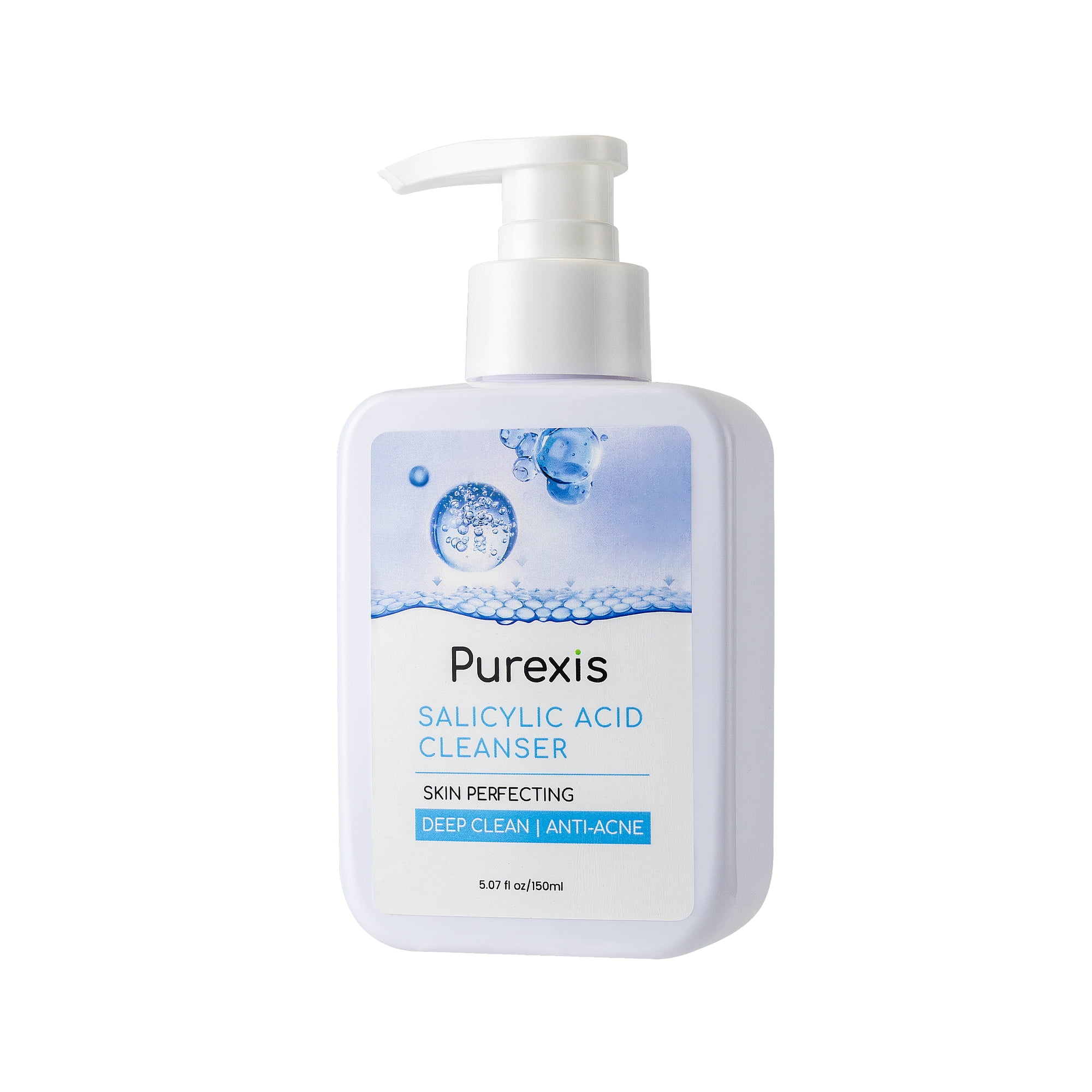
Key Benefits Beyond Acne Control
- Oil Regulation: By gently exfoliating the inside of the pore, the skin’s natural oil production is balanced. You’ll notice that greasy feel subside faster by mid‑afternoon.
- Texture Refinement: Removing the outermost layer of dead cells smooths rough patches around the nose and chin, giving your skin a more even tone.
- Pore Minimization: While the pore’s physical size doesn’t shrink, clearing the debris inside makes them appear smaller and less conspicuous.
- Anti‑Inflammatory Support: The mild anti‑inflammatory effect helps calm active break‑outs without the harshness of over‑exfoliation.
How to Spot a Quality Product
Not every cleanser will deliver the same results. When hunting for the best salicylic acid cleanser for oily skin, keep an eye on these three pillars:
- Concentration Matters: 0.5–2% salicylic acid is ideal for daily use. Concentrations above 2% can be too aggressive for most oily skin types.
- Supporting Ingredients: Look for soothing actives like glycerin, panthenol, or niacinamide. These counterbalance the drying potential of BHA. Avoid sulfates—SLS or SLES—because they strip the acid mantle and trigger rebound oil production.
- Texture & Finish: A gel‑to‑foam cleanser offers a lightweight feel while still lifting surface oils. If you prefer a creamier feel, choose a product that’s labeled “oil‑free” and “non‑comedogenic.”
My Personal Routine with a Salicylic Acid Cleanser
When I first switched to a 1% BHA cleanser, I noticed a subtle shift after the first week: my skin felt less tacky and my break‑outs were noticeably less frequent. Here’s how I incorporate it into my two‑step routine:
- Morning: I start with a gentle oil‑based micellar water to dissolve sunscreen and makeup. Then I apply the BHA cleanser, massaging in 60‑second circles over the T‑zone.
- Evening: I rinse with lukewarm water, pat dry with a microfiber towel, and follow with a lightweight, water‑based gel moisturizer containing ceramides. Finally, I layer a broad‑spectrum SPF 30 before bed.
Application Tips for Maximum Effect
Speed matters less than contact time. Here’s my streamlined method:
- Warm Water Prep: Lukewarm water opens pores without causing irritation.
- Massage, Don’t Scrub: Use gentle, circular motions with your fingertips. Avoid abrasive washcloths.
- 60‑Second Rule: Let the cleanser sit on the skin for a full minute. It’s the difference between a quick rinse and a real chemical exfoliation.
- Rinse Thoroughly: Residue can cause post‑cleansing irritation. Pay special attention to the hairline and jawline.
Understanding the Purge Period
When you first introduce a BHA cleanser, you may experience a brief uptick in break‑outs. This is a normal “purging” phase—your skin is accelerating cell turnover, pushing out trapped debris. The purge typically lasts 2–4 weeks. If you feel extreme stinging or peeling, reduce frequency to every other day until your skin calms.
Integrating BHA into a Full Routine
Cleaning is only the first step. The real transformation happens when the BHA is paired with the right follow‑ups.
Step 1: Double Cleanse for Makeup‑Heavy Days
Oil‑based cleansers or micellar water remove sunscreen and makeup. The BHA cleanser then dives deeper, clearing pores that the first wash left behind.
Step 2: Hydration Is Crucial
Even oily skin needs moisture. Choose a lightweight, oil‑free gel or lotion that contains hyaluronic acid and ceramides. This helps prevent the skin from over‑producing oil in response to acid‑induced dryness.
Step 3: Sun Protection
Any exfoliation exposes fresh cells to UV rays. A broad‑spectrum SPF 30 or higher shields your skin and prevents post‑inflammatory hyperpigmentation.
Common Mistakes That Undermine Results
- Over‑Washing: Twice a day is enough. More can trigger reactive sebum production.
- Mixing Strong Actives: Pair the BHA cleanser with gentle serums in the evening. Reserve retinoids for night use to avoid barrier stress.
- Skipping the Neck: The neck produces oil too. Extend cleansing and moisturizing to this area, but be gentle.
- Rough Towels: Pat dry with a clean microfiber towel. Rubbing can inflame and trigger break‑outs.
How Does a BHA Cleanser Compare to Other Options?
Some people wonder if a salicylic acid cleanser is better than benzoyl peroxide or a clay mask. Here’s a quick comparison:
- Benzoyl Peroxide: Excellent for killing acne bacteria but can be harsh and bleach towels.
- Clay Cleanser: Great for a one‑time deep clean, but it doesn’t provide continuous chemical exfoliation.
- Salicylic Acid: Balances oil, clears pores, and treats acne without the extreme dryness of benzoyl peroxide. It’s the most versatile for daily use.
Long‑Term Expectations
Results are gradual. Within the first week, you’ll notice less surface oil. Full pore clarity and reduced acne typically emerge after 4–8 weeks of consistent use. Once your skin stabilizes, you can switch to a gentle pH‑balanced cleanser on non‑BHA days to keep the barrier healthy.
FAQ
Can I use a salicylic acid cleanser for oily skin every day?
Yes, most people with oily or acne‑prone skin can use it once or twice daily. If you experience dryness or irritation, cut back to once a day or every other day.
Will this cleanser help with blackheads?
Absolutely. Because salicylic acid dissolves the oil and dead cells inside the pore, blackheads often shrink in size and frequency with regular use.
Can I use this if I have sensitive skin?
It’s possible, but start with a lower concentration (0.5%) and avoid other strong actives. Perform a patch test on your forearm before full application.
Does a BHA cleanser dry out the skin?
It can, especially if the formula contains harsh detergents. Counteract by following with an oil‑free moisturizer and using lukewarm water.
How long does it take to see results?
Oil reduction is often immediate, but significant improvements in acne and pore congestion typically take 4–8 weeks of consistent application.
For more in‑depth guidance on how to layer actives safely, check out Healthy Skin World—their step‑by‑step tutorials are a goldmine for anyone navigating oily skin care.
Leave a Reply