Understanding the Science Behind Layering
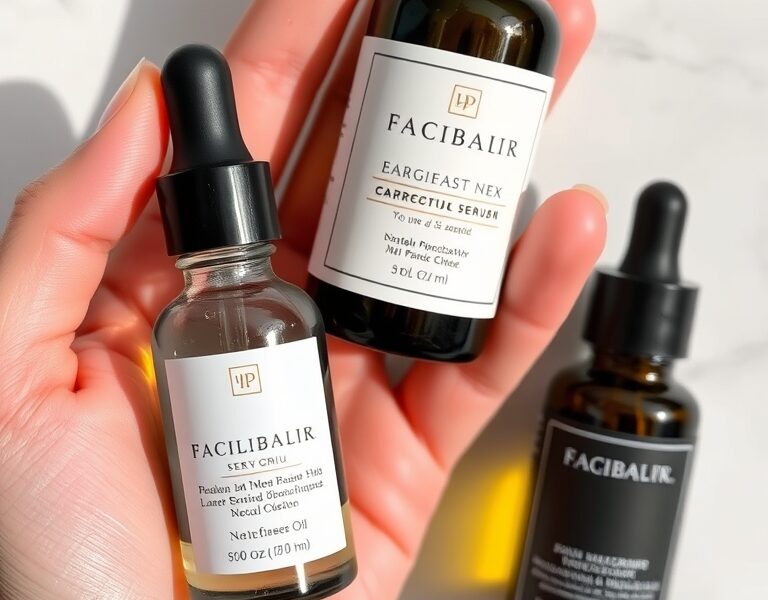
Layering isn’t just a trendy buzzword; it’s a deliberate strategy that respects the skin’s natural barrier and maximizes ingredient efficacy. When you apply products in the wrong order, you risk diluting actives, creating a greasy feel, or even causing irritation. By following a logical sequence—lightest to heaviest—you allow each layer to penetrate fully before the next one seals it.
The Classic Order: From Cleansing to Oil
Below is the most widely accepted order, adapted from dermatologists and skincare experts worldwide. Feel free to tweak it based on your skin type and product lineup, but keep the “light‑to‑heavy” principle intact.
- Cleanser – Removes makeup, oil, and impurities.
- Toner (if used) – Balances pH and preps skin for actives.
- Essence or Hydrating Serum – Provides a hydration boost.
- Targeted Serums (active ingredients) – Vitamin C, niacinamide, hyaluronic acid, etc.
- Eye Cream – Light, gel‑based formulas for the delicate eye area.
- Moisturizer – Creams or lotions that lock in hydration.
- Facial Oil (optional) – Adds a protective barrier and extra nourishment.
- Sun Protection (daytime only) – SPF 30+ as the final step before makeup.
Notice the progression from water‑based to oil‑based textures. Water‑based products are absorbed quickly and should go first; oil‑based products sit on top, creating a seal.


Texture Rules: Why Weight Matters
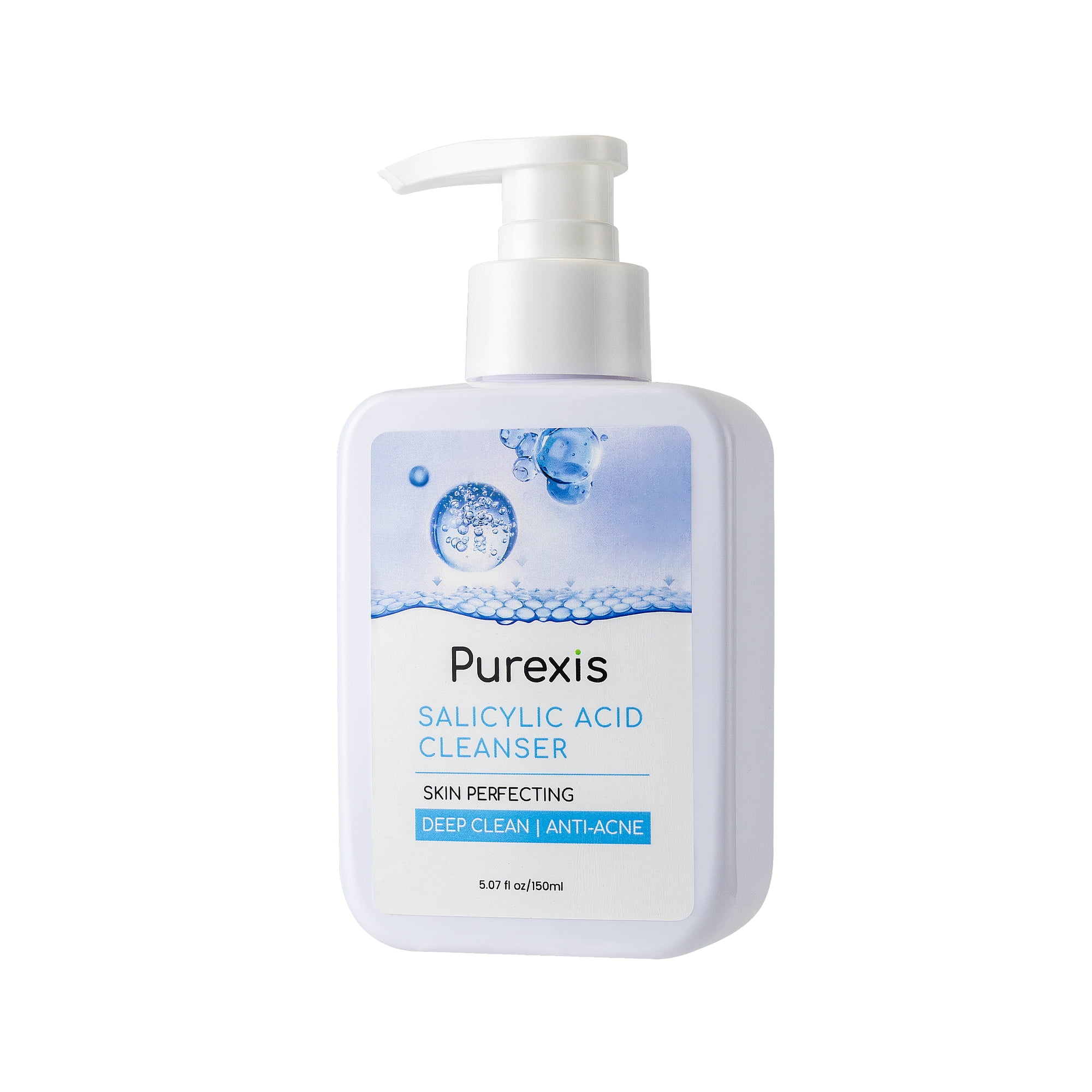
Weight, or “texture,” determines how a product behaves on the skin. Here’s a quick cheat sheet:
- Water‑based (light) – Gel or serum; absorbs within seconds.
- Oil‑based (heavy) – Creams, oils, or butters; take longer to set.
- Hybrid (mid‑weight) – Balances both; can be a bridge between layers.
Applying a heavy cream before a light serum will trap the serum, preventing it from penetrating. That’s why the lightest products go first.
Step‑by‑Step Routine for Different Skin Types
Oily/Acne‑Prone Skin
- Foaming cleanser with salicylic acid.
- Toner with witch hazel.
- Hydrating serum (hyaluronic acid).
- Vitamin C serum (10‑15%).
- Niacinamide serum (5%).
- Light gel eye cream.
- Oil‑free moisturizer.
- Non‑comedogenic SPF 50.
Dry or Mature Skin
- Gentle cream cleanser.
- Hydrating toner with glycerin.
- Essence with ceramides.
- Retinol serum (0.5% for beginners).
- Peptide serum.
- Rich eye cream.
- Silicone‑based moisturizer.
- Facial oil (argan or rosehip).
- SPF 30‑35.
Combination Skin
- Balancing cleanser.
- Toner with niacinamide.
- Hydrating serum.
- Targeted serum (e.g., azelaic acid).
- Light eye cream.
- Balancing moisturizer (gel‑cream).
- Optional facial oil on dry areas.
- SPF 30.
Timing Matters: How Long to Wait Between Layers
Give each layer a chance to absorb before applying the next. A good rule of thumb is:
- Water‑based products: 30‑60 seconds.
- Serums: 1‑2 minutes.
- Moisturizers: 1 minute.
- Oils: 30 seconds.
For nighttime routines, you can skip the waiting time if you’re using a thick moisturizer; the skin’s overnight repair processes will handle the absorption.
Common Mistakes and How to Avoid Them
- Applying sunscreen before moisturizer – Sunscreen should be the last step before makeup.
- Skipping a layer altogether – Each layer serves a purpose; missing one can reduce overall effectiveness.
- Using too many actives at once – Overloading can lead to irritation; rotate actives on alternate nights.
- Applying products in the wrong order – Heavy creams before serums will block absorption.
- Not checking product compatibility – For example, combining AHAs with retinol can over‑exfoliate.
Advanced Layering: Customizing for Seasonal Shifts
Seasonal changes can alter your skin’s needs. Here’s how to tweak your routine:
Winter (Cold & Dry)
- Replace water‑based cleansers with cream cleansers.
- Add a hydrating mask 2‑3 times a week.
- Use a richer moisturizer with shea butter.
- Incorporate a facial oil daily.
Summer (Hot & Humid)
- Switch to a lightweight gel cleanser.
- Use a water‑based toner with green tea.
- Limit heavy oils; opt for a light serum.
- Apply SPF 50+ every day.
How to Test Your Routine for Irritation
- Perform a patch test on your jawline with each new product.
- Introduce one new product per week.
- Track results in a skincare journal.
- Stop using a product if redness, itching, or breakouts occur.
FAQs About Layering Skincare Products
1. Can I skip the toner in my routine?
While toners are optional, they help restore pH balance and pre‑hydrate the skin, which can improve the absorption of subsequent actives.
2. Is it okay to layer two serums at once?
Yes, but choose serums with complementary ingredients (e.g., vitamin C and hyaluronic acid). Avoid stacking actives that can cause irritation.
3. Do I need a facial oil if I use a heavy moisturizer?
Facial oils provide an extra barrier and can lock in moisture. If your moisturizer is already oil‑rich, you may skip the oil layer.
4. How often should I use a chemical exfoliant?
For most skin types, 1–2 times per week is sufficient. Over‑exfoliation can compromise the skin barrier.
5. Can I use sunscreen over my moisturizer?
Yes, sunscreen should be the final step before makeup. Apply it over your moisturizer to lock in hydration while protecting against UV damage.
External Resources for Deeper Learning
For a comprehensive review of ingredient interactions, check out Healthline’s guide on layering skincare. They break down each ingredient’s role and how to combine them safely.
Internal Resources for Beginners
If you’re new to skincare, start with our foundational article on Skin Care Basics to understand cleansing, moisturizing, and sun protection fundamentals.
Final Thoughts
Layering skincare products is a science that, when mastered, can unlock the full potential of every ingredient. By respecting texture, order, and timing, you’ll create a routine that feels lightweight yet delivers powerful results. Remember, consistency beats perfection—stick to your routine, monitor how your skin responds, and adjust as needed. Your skin will thank you with clearer, more resilient, and radiant complexion.
Leave a Reply