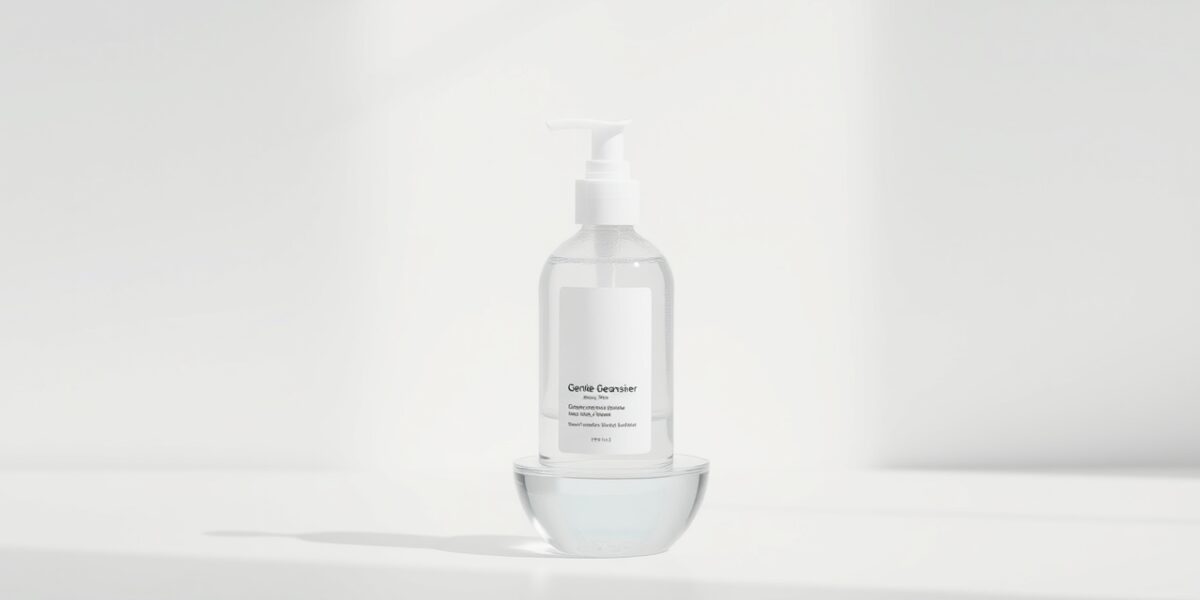
When the first signs of breakouts appear, the choice of cleanser can feel like a high‑stakes decision. A gentle face wash for acne-prone skin is more than a cleansing tool; it’s a partner that respects the skin’s natural barrier while fighting excess oil and bacteria.

What Sets a Gentle Cleanser Apart
Acne‑prone skin thrives in a balanced environment. A cleanser that is too harsh can strip the skin of its protective lipids, triggering rebound oil production and inflammation. Look for a formula that:
- Uses mild surfactants such as cocamidopropyl betaine or decyl glucoside.
- Is free from sulfates, parabens, and synthetic fragrances.
- Includes soothing botanicals like aloe vera, chamomile, or calendula.
- Maintains a pH between 5.5 and 6.5 to preserve the acid mantle.
- Contains humectants such as glycerin or hyaluronic acid to lock in moisture.
When you rinse, the skin should feel clean, not tight or irritated. A gentle face wash for acne-prone skin should feel like a whisper rather than a slap.


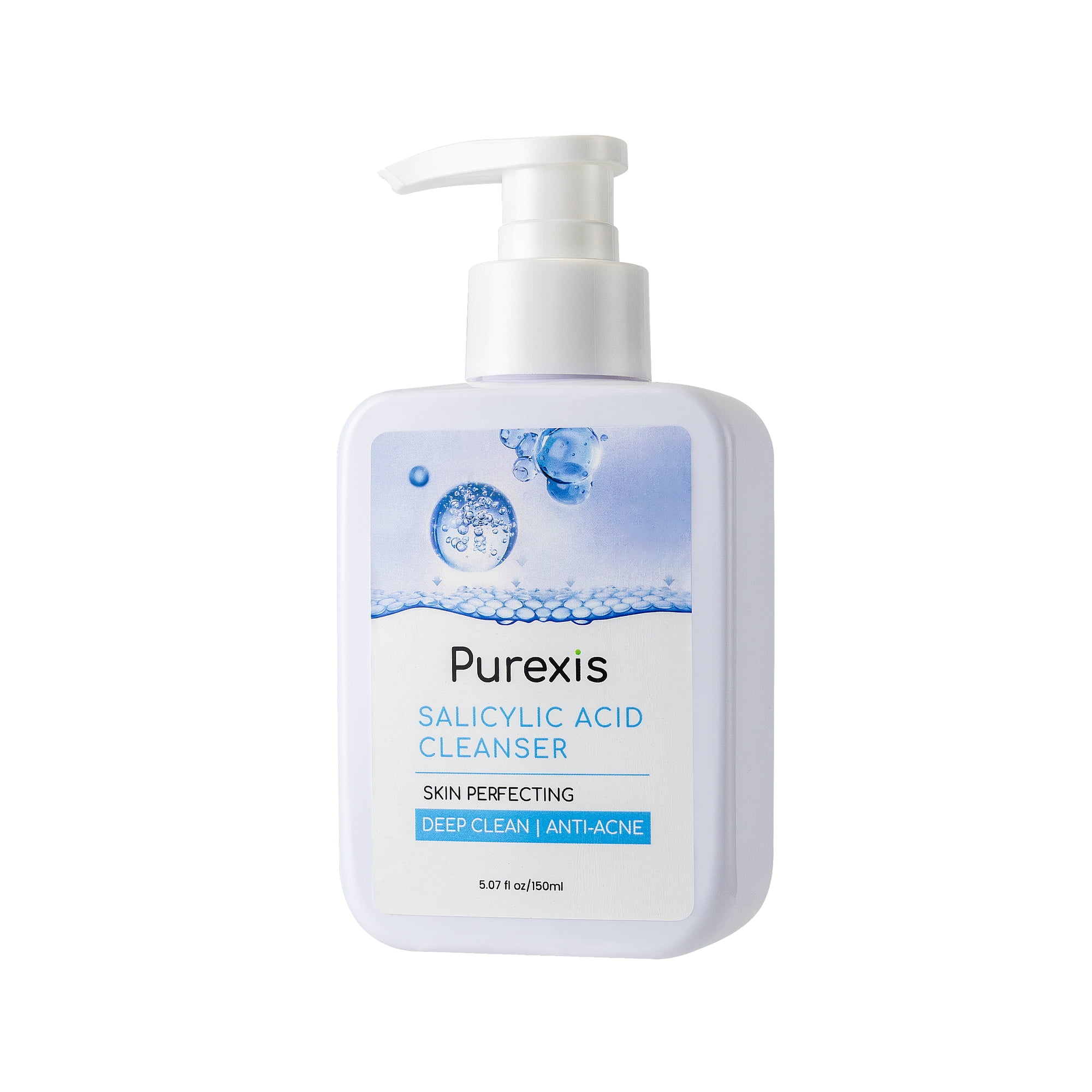
Ingredient Spotlight: The Power of Tea Tree and Niacinamide
Two ingredients that dominate the acne BEAR market are tea tree oil and niacinamide. Tea tree oil, a natural antiseptic, reduces the presence of Propionibacterium acnes, the bacteria that inflames pores. Niacinamide, or vitamin B3, calms redness, regulates sebum, and strengthens the skin’s barrier. When paired, they create a cleanser that tackles acne from both the inside and outside.
Why Humectants Matter
Dry, flaky skin is a common side‑effect of many acne cleansers. Humectants pull water from the deeper layers of the skin into the epidermis, keeping the surface supple. Glycerin, a classic humectant, is also an excellent emollient, providing a silky finish that prevents the “tight” feeling after washing. Hyaluronic acid, though heavier, can be found in lightweight formulas and offers a burst of hydration without heaviness.
Balancing Oil Control and Moisture Retention
Acne‑prone skin can be oily, dry, or a mix of both. A one‑size‑fits‑all cleanser rarely works for everyone. For oily skin, look for a formula that contains salicylic acid (BHA) in low concentrations (0.5‑1%) to gently exfoliate closed pores. For drier complexions, add ceramides or natural oils like squalane to replenish lost lipids.
Testing Your Cleanser: The Patch Test Routine
Even the best‑formulated cleanser can trigger a reaction if your skin is particularly sensitive. Perform a patch test on the inside of your wrist or behind your ear. Apply a small amount, cover with a bandage, and wait 24 hours. No redness, itching, or swelling means the product is likely safe for facial use.
Daily Routine: Morning and Night
Consistency is the cornerstone of any acne regimen. Here’s a step‑by‑step guide:
- Morning: Use lukewarm water to dampen your face. Apply a dime‑sized amount of cleanser, massage in gentle circles for 30 seconds, then rinse thoroughly.
- Night: Repeat the same process, but add a second cleanse if you wear makeup or sunscreen.
- After cleansing, pat the skin dry with a clean towel. Wait 30 seconds before applying serums or moisturizers to allow the skin to re‑establish its moisture barrier.
Pair the cleanser with a lightweight, non‑comedogenic moisturizer containing ceramides or niacinamide. Finish with a broad‑spectrum SPF 30+ in the morning to protect against UV‑induced inflammation.
When to Introduce Exfoliation
Chemical exfoliants are a welcome addition but must be used sparingly. A gentle BHA (0.5‑1%) or AHA (5‑10%) can be applied once or twice a week, preferably at night. Avoid combining with physical scrubs or high‑concentration acids to prevent micro‑tears that compromise the barrier.
Nighttime: The Skin’s Repair Phase
During sleep, the skin’s repair mechanisms peak. A gentle face wash followed by a serum rich in peptides or bakuchiol can enhance collagen production and reduce post‑acne hyperpigmentation. Aim to keep the skin calm and hydrated to support this natural healing cycle.
Lifestyle Factors That Amplify Cleanser Effectiveness
Nutrition, hydration, and stress management play a pivotal role. A diet high in omega‑3 fatty acids, antioxidants, and low glycemic index foods can reduce systemic inflammation. Drinking at least eight glasses of water a day helps maintain skin hydration from within. Mindful practices such as yoga or meditation lower cortisol levels, which in turn can reduce sebaceous gland activity.
Packaging Matters: Why Small, Clear Bottles Win
Air exposure can degrade active ingredients, especially those sensitive to oxygen or light. A flip‑top or pump dispenser keeps the formula sealed until use. Avoid large, opaque containers that may encourage bacterial growth. When purchasing, check the expiration date and store the cleanser in a cool, dry place.
Integrating a Gentle Cleanser into a Broader Routine
Think of the cleanser as the base layer. Follow it with:
- A lightweight, non‑comedogenic sunscreen in the morning.
- A targeted serum (vitamin C, bakuchiol, or niacinamide) at night.
- A soothing moisturizer that locks in hydration.
- Once a week, a gentle chemical exfoliant.
Each layer builds on the previous one, creating a harmonious routine that respects the skin’s needs.
Monitoring Progress: The First Four Weeks
Give a new cleanser a trial period of 4–6 weeks. Track changes in oiliness, redness, and breakouts. If you notice increased irritation, reduce usage to every other day or switch to a milder formula. Remember, the skin’s barrier needs time to adapt.
Common Misconceptions Debunked
“All acne cleansers are the same.” The truth is, surfactants, pH, and added botanicals make a huge difference. A sulfate‑free formula is a good start, but the presence of soothing ingredients and humectants is what truly sets a gentle cleanser apart.
“A non‑drying cleanser will leave my skin greasy.” Non‑drying means it preserves the skin’s natural oils, not that it adds excess oil. In fact, a properly balanced cleanser can help regulate sebum production over time.
“I can use any cleanser with my acne treatments.” Avoid harsh cleansers that strip the skin; they can make active treatments less effective or more irritating.
Frequently Asked Questions
- What makes a gentle face wash for acne-prone skin different from a regular cleanser? It’s formulated to be mild, often pH balanced, and free of irritants like sulfates, alcohol, or fragrance that can worsen acne.
- Can I use a gentle face wash for acne-prone skin with other acne treatments? Yes, but ensure the cleanser is non‑comedogenic and free of harsh ingredients so it won’t scorch the skin when combined with active treatments.
- How often should I use a gentle face wash for acne-prone skin? Typically twice a day—morning and night—provides a good balance between cleansing and preserving the skin’s natural barrier.
- Will a gentle face wash for acne-prone skin make my skin oily? If the cleanser is truly gentle and non‑drying, it will not strip the skin of its natural oils, which can actually help regulate oil production over time.
- Can a gentle face wash for acne-prone skin be used on sensitive skin? Absolutely, many gentle face washes are also formulated for sensitive skin, focusing on soothing ingredients and minimal irritation.
For more evidence‑based guidance on skincare routines and ingredient science, visit Healthy Skin World. The site offers a wealth of practical tips to help you navigate the complex world of acne care.
In conclusion, a gentle face wash for acne-prone skin is a nuanced product that balances cleansing power with barrier protection. By selecting a formula that respects your skin’s pH, includes soothing botanicals, and maintains hydration, you lay the groundwork for clearer, calmer skin. Pair it with the right moisturizer, sunscreen, and targeted treatments, and you’ll notice a gradual improvement in texture, tone, and overall comfort. Consistency, patience, and a willingness to listen to your skin’s signals are the keys to long‑term success.
Leave a Reply