When it comes to the age‑old battle against acne, two ingredients dominate over‑the‑counter shelves: salicylic acid and benzoyl peroxide. Though both promise clearer skin, they operate on different principles and suit distinct skin profiles. This guide dives into their science, practical use, side‑effect spectrum, and how to decide which one—or both—fits your routine.
Understanding the Ingredients
Before you reach for a bottle, it helps to know what each compound actually does at the cellular level. Salicylic acid is a beta‑hydroxy acid (BHA) that is naturally derived from willow bark. It dissolves the glue that holds dead skin cells together, allowing them to slough off more readily. Benzoyl peroxide, first synthesized in the 1930s, is a strong oxidizing agent that releases free radicals to kill the bacteria that feed on excess sebum.
Salicylic Acid
- Origin: Willow bark extract, converted into a fatty acid.
- Key Action: Keratolytic exfoliation – it penetrates the pore, dissolving keratin and sebum.
- Benefits: Unclogs pores, reduces blackheads, smooths texture, mild anti‑inflammatory effect.
- Typical Concentrations: 0.5%–2% in cleansers, toners, spot treatments.
- Common Products: Neutrogena Oil-Free Acne Wash (2%), Paula’s Choice 2% BHA Liquid Exfoliant.
Benzoyl Peroxide
- Origin: Synthetic crystalline compound.
- Key Action: Bactericidal – oxidizes lipids in bacterial cell walls, producing free radicals that kill Propionibacterium acnes.
- Benefits: Reduces bacterial load, decreases inflammation, prevents new breakouts.
- Typical Concentrations: 2.5%–10% in creams, gels, foams.
- Common Products: Differin Gel (0.1% adapalene + 2.5% benzoyl peroxide), Clean & Clear Persa-Gel 10%.
How They Work: Mechanisms of Action
Both ingredients are effective, but their pathways differ, which explains why they’re best suited for different acne types.


Salicylic Acid: Exfoliation & Pore Penetration
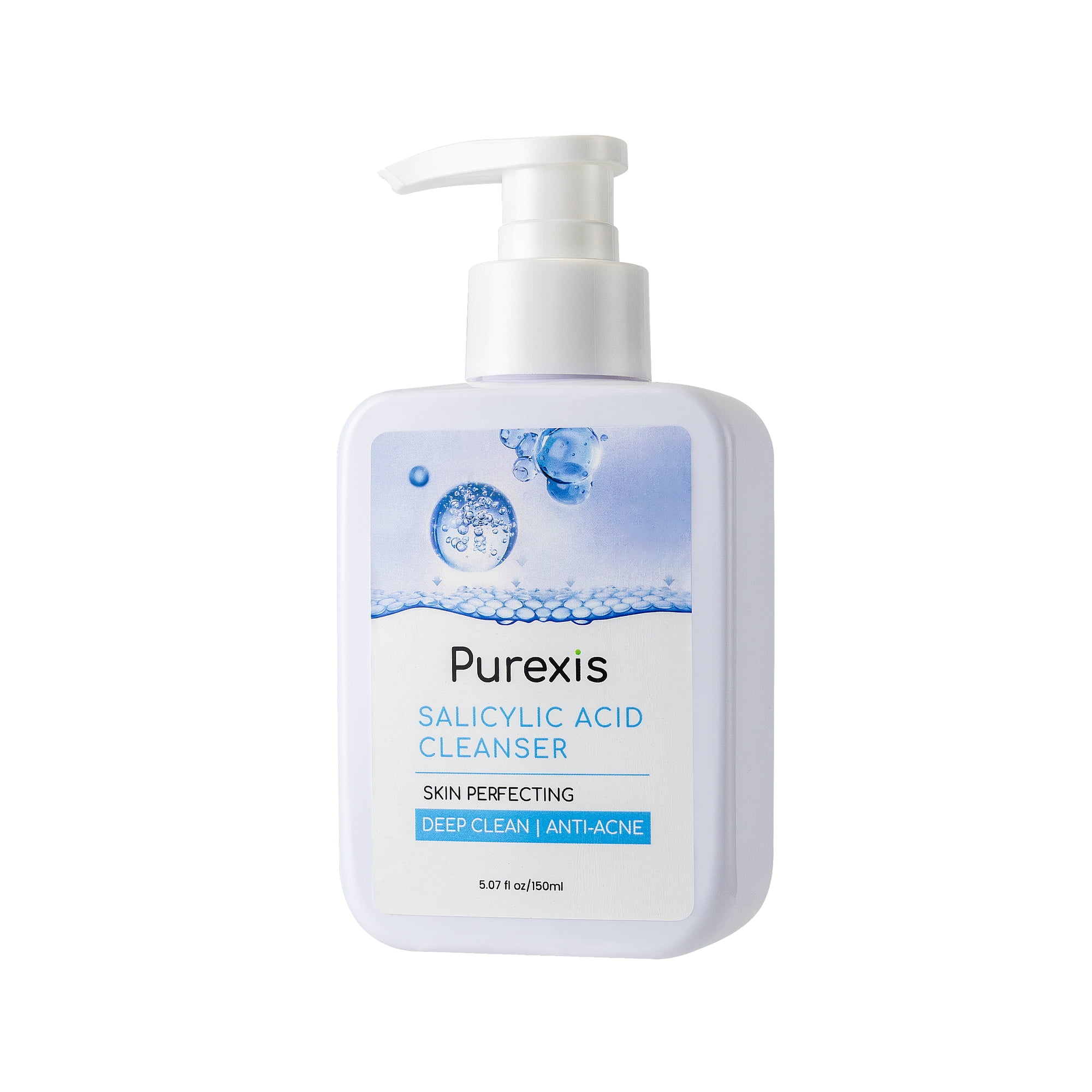
Salicylic acid’s lipophilic nature allows it to dissolve the sebum‑laden keratin inside closed comedones. By softening and loosening the buildup, it encourages the natural shedding of the outer skin layer. The result is fewer blackheads and smoother texture. Because it’s an exfoliant, it also helps fade mild post‑inflammatory marks over time.
Benzoyl Peroxide: Bactericidal & Anti‑Inflammatory
Benzoyl peroxide’s oxidative power creates a hostile environment for acne bacteria. The free radicals it produces oxidize bacterial lipids, leading to cell death. The reduction in bacterial colonization translates to less inflammation and fewer new lesions. However, because it doesn’t penetrate as deeply into the pore, it’s less effective at clearing clogged comedones directly.
Acne Types & Which Ingredient Wins
Acne isn’t one‑size‑fits‑all. Understanding your predominant acne type can guide ingredient selection.
Comedonal Acne (Blackheads & Whiteheads)
When pores are clogged with dead skin cells and excess oil, salicylic acid shines. Its exfoliating action clears the blockage, preventing the formation of new comedones. If your skin mainly shows blackheads or whiteheads, a 1–2% BHA product used daily can offer rapid improvement.
Inflammatory Acne (Pimples, Cysts)
Inflammatory lesions thrive on bacteria and excess sebum. Benzoyl peroxide’s bactericidal effect reduces the bacterial load, while its mild anti‑inflammatory action helps calm redness. For moderate to severe inflammatory acne, a 2.5% gel applied twice daily can significantly lower lesion counts.
Mixed Acne
Many people experience a combination of comedonal and inflammatory breakouts. In such cases, a dual‑action routine that includes both ingredients—either alternating or layering—can provide comprehensive coverage. For example, a 2% salicylic acid toner in the morning followed by a 2.5% benzoyl peroxide gel at night balances pore clearing with bacterial control.
Side Effects & Tolerability
Both ingredients can irritate the skin, but their profiles differ. Knowing what to expect helps you adjust usage before adverse reactions become a problem.
Salicylic Acid
- Dryness, flaking, or peeling, especially at concentrations above 2%.
- Redness or stinging in sensitive skin types.
- Photosensitivity – increases sun‑burn risk.
Benzoyl Peroxide
- Dryness, flaking, or a mild burning sensation.
- Potential for bleaching clothing, towels, or hair.
- In rare cases, contact dermatitis or allergic reactions.
How to Use Safely
Proper application minimizes irritation while maximizing benefit. Below are step‑by‑step routines for each ingredient.
Salicylic Acid Routine
- Cleanse: Use a gentle, fragrance‑free cleanser (e.g., CeraVe Foaming Facial Cleanser) to remove surface oil.
- Toner/Serum: Apply a 0.5–1% salicylic acid toner or serum with a cotton pad. Pat gently; avoid rubbing.
- Moisturize: Follow with a non‑comedogenic moisturizer (e.g., Neutrogena Hydro Boost Gel‑Cream) to restore barrier function.
- Sun Protection: Finish with a broad‑spectrum SPF 30 or higher sunscreen. Reapply every 2 hours if outdoors.
Benzoyl Peroxide Routine
- Cleanse: Use a mild cleanser; avoid scrubbing.
- Dry Skin: Pat skin dry before application; moisture can dilute the gel.
- Apply: Use a pea‑size amount of 2.5% gel on affected areas. Spread evenly; avoid excess on unaffected skin.
- Moisturize: Wait 5–10 minutes, then apply an oil‑free, non‑comedogenic moisturizer (e.g., Cetaphil PRO Oil Absorbing Moisturizer).
- Sun Protection: Apply sunscreen during the day; benzoyl peroxide can increase photosensitivity.
Combining Salicylic Acid and Benzoyl Peroxide
Dermatologists often recommend using both ingredients in a single routine, but timing is key to avoid excessive irritation.
Alternating Days
Use benzoyl peroxide at night on Monday, Wednesday, Friday, and apply salicylic acid in the morning on the same days. On Tuesday and Thursday, use only the BHA or Nicol moisturizers to give the skin a break.
Layering Tips
- Apply the ingredient with the lowest concentration first to reduce irritation.
- Leave a 10–15 minute gap between applications to allow the first product to absorb.
- Test on a small patch (e.g., behind the ear) before full‑face application.
Choosing Concentrations
Starting low and titrating up is the safest path. Below are guidelines for beginners and advanced users.
Starter Levels
- Salicylic Acid: 0.5% cleanser or 1% toner. Apply 2–3 times per week, then increase to daily if tolerated.
- Benzoyl Peroxide: 2.5% gel. Use once nightly; if irritation occurs, apply every other night.
Advanced Tiers
- Salicylic Acid: 2% lotion or 2% spot treatment for persistent comedones.
- Benzoyl Peroxide: 5% gel for moderate to severe inflammatory acne. 10% should be reserved for severe cases and used under dermatological supervision.
When to Seek Professional Guidance
Discontinue use and consult a dermatologist if you experience:
- Severe redness, blistering, or swelling.
- Persistent burning or itching despite reduced frequency.
- Signs of contact dermatitis (hives, rash).
- Underlying conditions such as eczema, rosacea, or psoriasis.
Supporting Lifestyle Habits for Clear Skin
- Nutrition: Incorporate omega‑3 fatty acids (salmon, chia seeds), vitamin A (sweet potatoes), and antioxidants (berries) to support skin health.
- Hydration: Aim for 2–3 liters of water daily to maintain cell turgor.
- Sleep: 7–9 hours nightly allows for cellular repair and hormone regulation.
- Stress Management: Practices like yoga, meditation, or brisk walking lower cortisol, which can reduce sebum production.
- Product Hygiene: Clean your makeup brushes weekly and replace sponges every two weeks to avoid bacterial buildup.
FAQ
- Which ingredient is better for blackheads? Salicylic acid’s keratolytic action makes it more effective at clearing blackheads and whiteheads.
- Can I use salicylic acid and benzoyl peroxide together? Yes, but alternate or layer carefully. Start with low concentrations and monitor for irritation.
- What concentration of benzoyl peroxide is safest? A 2.5% gel is generally well‑tolerated for most skin types; increase only if your skin adapts.
- Do I need sunscreen with these treatments? Absolutely. Both ingredients increase photosensitivity, so use a broad‑spectrum SPF 30+ daily.
- How long before I see results? Visible improvement often appears within 4–6 weeks; optimal results may take 8–12 weeks of consistent use.
Choosing the right acne treatment is a blend of science, observation, and patience. Salicylic acid excels at clearing clogged pores, while benzoyl peroxide targets the bacteria that fuel inflammation. By tailoring concentration, usage frequency, and layering strategy to your skin’s needs—and backing it up with good hydration, nutrition, and sun protection—you’ll give yourself the best chance at lasting clarity. For more in‑depth guidance on building a skin‑first routine, explore our Healthy Skin World library. If you’d like a deeper dive into benzoyl peroxide’s chemistry, check out the Wikipedia entry on the compound.
Leave a Reply