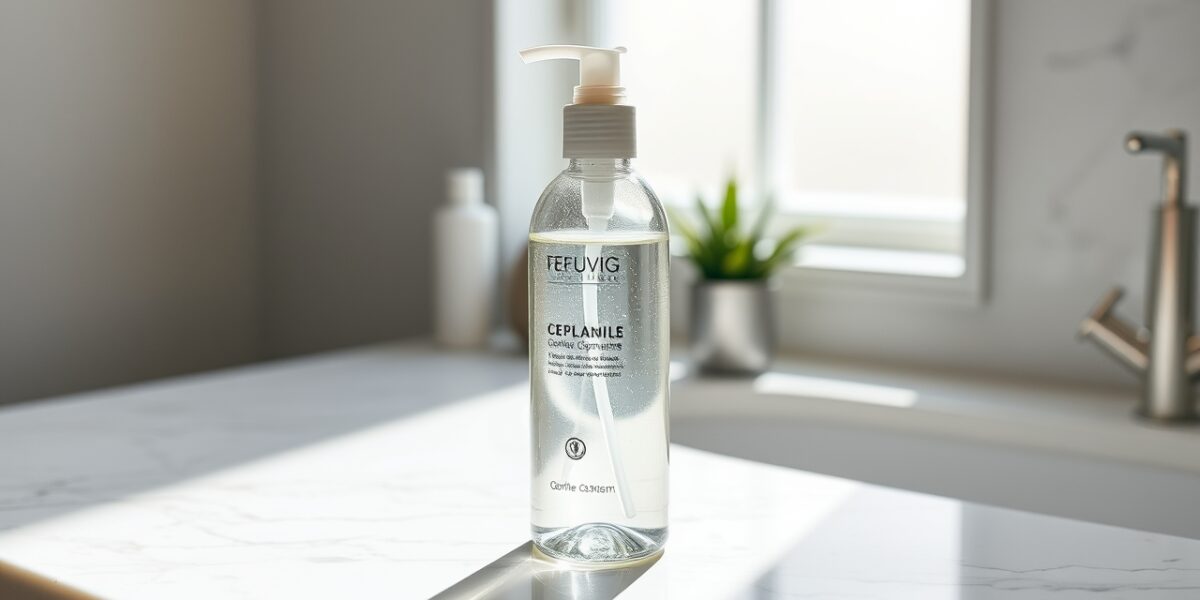
Finding the right cleanser for combination skin is a balancing act—too harsh and you’ll strip the dry areas; too gentle and the oily T‑zone will stay greasy. This guide walks you through the science, the ingredients, and the practical steps to keep both zones in harmony.
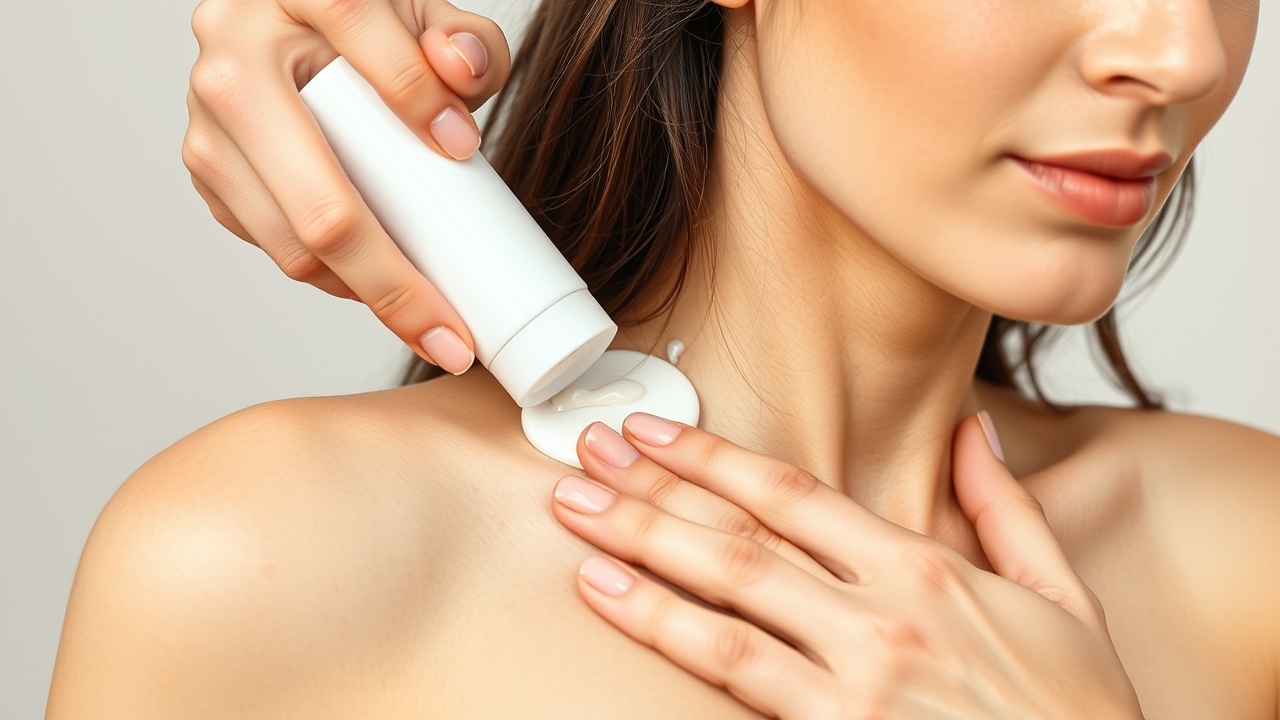
Understanding Combination Skin
Combination skin isn’t just a mix of oily and dry; it’s a dynamic state where sebaceous activity varies across the face. The T‑zone (forehead, nose, chin) often produces excess sebum, while the cheeks, temples, and jawline can feel tight or flaky. Hormonal shifts, climate, and stress can amplify these differences, making a one‑size‑fits‑all cleanser ineffective.
Types of Combination Skin
- Classic Combination: Oily T‑zone with dry cheeks.
- Dry‑Oily: Dry in the middle, oily on the edges.
- Oily‑Dry: Oily cheeks, dry T‑zone.
- Sensitive Combination: Classic or dry‑oily with redness or irritation.
Identifying your subtype helps tailor the cleanser choice and subsequent routine given the varying needs across the face.


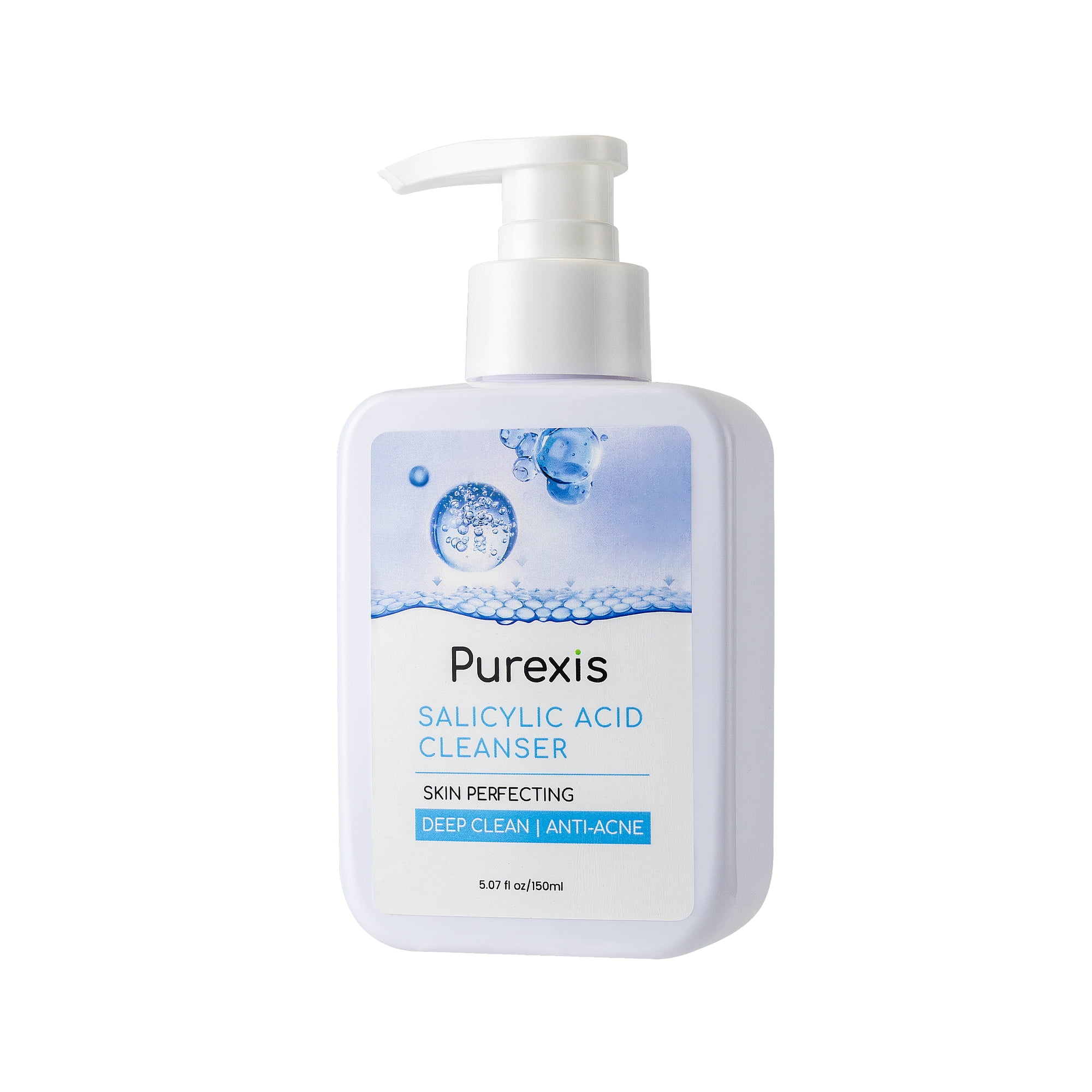
The Role of a Cleanser
A cleanser is the first line of defense. It removes makeup, pollutants, and excess sebum without disrupting the skin barrier. For combination skin, the cleanser must be strong enough to clear the T‑zone yet gentle enough to preserve moisture on the cheeks.
What to Look For in a Cleanser
Three core attributes define a balanced cleanser: surfactant strength, pH balance, and hydration support. Below are the key ingredients and why they matter.
Surfactants
- Gentle, non‑ionic surfactants (e.g., decyl glucoside, coco‑amidopropyl betaine) lift oil and dirt while sparing the lipid barrier.
- Low‑sulfate formulas avoid sodium lauryl sulfate, which can strip natural oils.
- Hybrid surfactants combine mildness with enough lift for oily zones.
pH Balance
- The skin’s natural pH is 5.0–5.5. A cleanser in this range protects the acid mantle and prevents bacterial overgrowth.
- Check the label or product description; many brands list the pH in the ingredient list.
Moisturizing Ingredients
- Humectants like glycerin or hyaluronic acid attract water to the epidermis, softening dry patches.
- Barrier‑supporting lipids (ceramides, fatty acids) help rebuild the skin’s protective layer.
- Light emollients (squalane, jojoba oil) add a subtle sheen without clogging pores.
Antioxidants
- Vitamin C, green tea extract, or niacinamide calm inflammation and neutralize free radicals.
- Choose antioxidants that are stable and present in low concentrations to avoid irritation.
Light Exfoliating Acids
- 1–2% glycolic or lactic acid in a cleanser can gently slough dead skin cells, improving texture.
- Use only once or twice a week to avoid over‑exfoliation.
Choosing Between Foaming and Creamy Formulas
The debate often comes down to personal preference and skin sensitivity. Below are the pros and cons of each, plus a hybrid option that many combination skin users love.
Foaming Cleanser
- Pros: Light texture, quick removal of excess oil, feels refreshing.
- Cons: Can be drying if it contains sulfates; may leave a tight feeling on dry cheeks.
- Best for: Those with a pronounced oily T‑zone and minimal dryness.
Cream Cleanser
- Pros: Hydrating, gentle, suitable for sensitive or dry areas.
- Cons: May not lift oil as effectively; can feel heavy if over‑applied.
- Best for: Combination skin with noticeable dryness or sensitivity.
Gel‑to‑Foam Cleanser
- Starts as a gel, lathers into a light foam, providing a balanced cleanse.
- Ideal for combination skin because it adapts to both oily and dry zones.
- Look for products that list a dual‑phase formula or a “gel‑to‑foam” claim.
How to Build a Gentle Routine Around Your Cleanser
Below is a step‑by‑step guide for both morning and night. Consistency is key; the same routine applied twice daily yields the best results.
Morning Routine
- Water Temperature: Lukewarm water opens pores without stripping oils.
- Amount: A pea‑sized amount is enough; squeeze onto fingertips first.
- Technique: Apply in gentle, circular motions, covering the entire face, including the dry cheeks.
- Rinse: Use lukewarm water; ensure all residue is removed.
- Pat Dry: Use a clean, soft towel; avoid rubbing.
- Moisturizer: Light, oil‑free cream or gel with niacinamide or ceramides.
- Sun Protection: Finish with a broad‑spectrum SPF 30+.
Night Routine
- Double Cleanse (optional): If you wear makeup or sunscreen, start with an oil‑based cleanser, then your chosen gentle cleanser.
- Same steps as morning: Water, amount, technique, rinse, pat dry.
- Targeted Treatments: Apply serum or spot treatment to oily areas if needed.
- Moisturizer: Slightly richer than the morning formula to replenish overnight.
Exfoliation and Spot Treatment
Exfoliation helps prevent clogged pores and uneven texture. For combination skin, use chemical exfoliants sparingly.
Chemical Exfoliants
- Glycolic Acid (1–2%): Water‑soluble, good for the T‑zone.
- Lactic Acid (1–2%): Slightly milder, suitable for sensitive cheeks.
- Apply 2–3 times a week; avoid on active breakouts.
Physical Exfoliants
- Use gentle, fine‑grit scrubs only once a week to prevent irritation.
- Opt for enzyme‑based scrubs for a softer feel.
Spot Cleansing
- Use a separate oil‑control toner or a small amount of the cleanser on a cotton pad for the T‑zone.
- Follow with a mattifying serum to keep shine at bay.
Common Mistakes That Sabotage Combination Skin Care
- Using a single product for all skin types.
- Over‑cleansing or using harsh scrubs.
- Ignoring the T‑zone during cleansing.
- Using hot water, which can trigger excess oil production.
- Skipping moisturizer, leading to dry patches.
- Not adjusting the routine seasonally; winter dryness requires richer products.
Testing Your Cleanser: A Simple DIY Patch Test
Before committing to a new formula, perform a patch test:
- Apply a small amount to the inner forearm or behind the ear.
- Leave it for 24 hours.
- Observe for redness, itching, swelling, or breakouts.
- If no reaction, the product is safe for facial use.
How to Spot a Poorly Formulated Cleanser
- High concentrations of sulfates.
- Heavy oils or silicones that can clog pores.
- Artificial fragrances or dyes.
- Overly thick textures that require vigorous rubbing.
- Absence of pH information or a pH outside 5.0–5.5.
Product Recommendations for 2026
1. CeraVe Hydrating Cleanser
- Gentle, non‑ionic surfactants; pH 5.5.
- Contains ceramides and hyaluronic acid for barrier support.
- Fragrance‑free, suitable for sensitive combination skin.
2. La Roche‑Posay Toleriane Hydrating Gentle Cleanser
- Light gel‑to‑foam texture.
- Includes niacinamide and glycerin.
- Dermatologist‑tested; low irritation risk.
3. Paula’s Choice Clear Pore Normalizing Cleanser
- Low‑sulfate formula with 1% salicylic acid.
- Targets oily T‑zone while hydrating cheeks.
- Non‑comedogenic and fragrance‑free.
Frequently Asked Questions
- What is the best pH for a cleanser?
- The skin’s natural pH is 5.0–5.5; look for cleansers within this range to preserve the acid mantle.
- Can I use a foaming cleanser in the morning and a cream cleanser at night?
- Yes, alternating can work if you find one formula too drying or too heavy. Just ensure both are gentle and pH‑balanced.
- How often should I exfoliate my combination skin?
- 2–3 times a week with a mild chemical exfoliant is sufficient; avoid daily exfoliation to prevent barrier damage.
- Should I use a separate toner after cleansing?
- A lightweight, alcohol‑free toner can help restore pH and prep the skin for moisturizers, especially if you have a dry‑oily subtype.
- What if my T‑zone still feels oily after cleansing?
- Consider a targeted oil‑control toner or a mattifying serum; ensure your cleanser isn’t too gentle for that area.
For further reading, see related references on Wikipedia.
Leave a Reply