Introduction
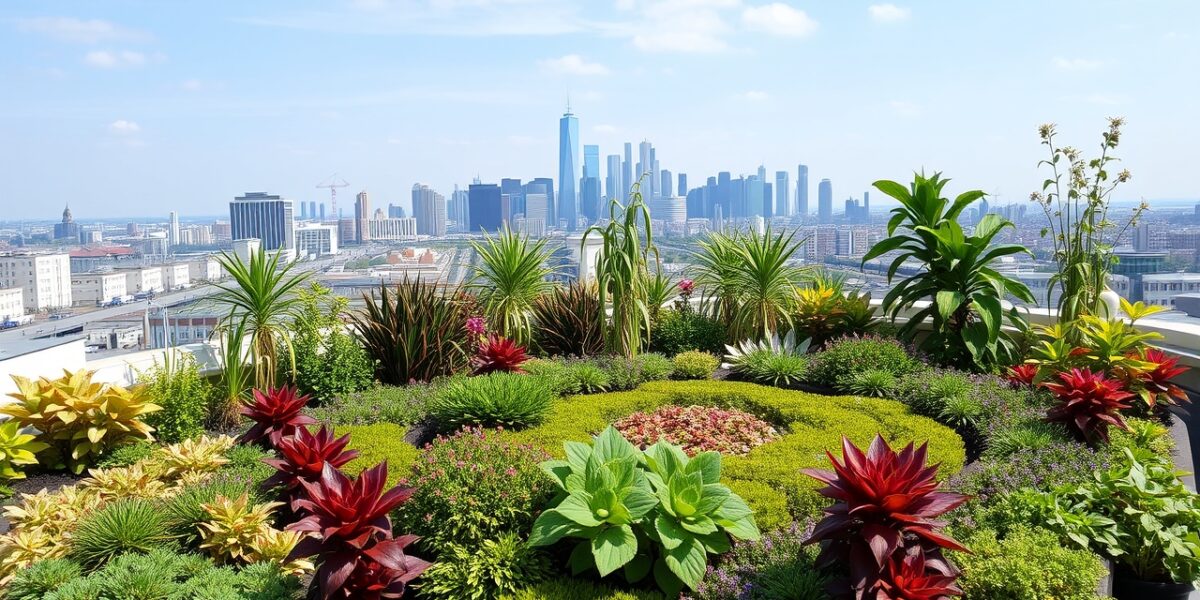
In the age of rapid urbanization, cities are facing a paradox: the need for more housing, infrastructure, and economic activity clashes with the imperative to preserve natural ecosystems and maintain residents’ quality of life. Sustainable urban gardening has emerged as a powerful strategy to reconcile these competing demands. By converting rooftops, balconies, vacant lots, and even vertical walls into productive green spaces, city dwellers can enjoy fresh food, cleaner air, and a stronger sense of community—all while reducing the environmental footprint of urban development.
The Science Behind Urban Green Spaces
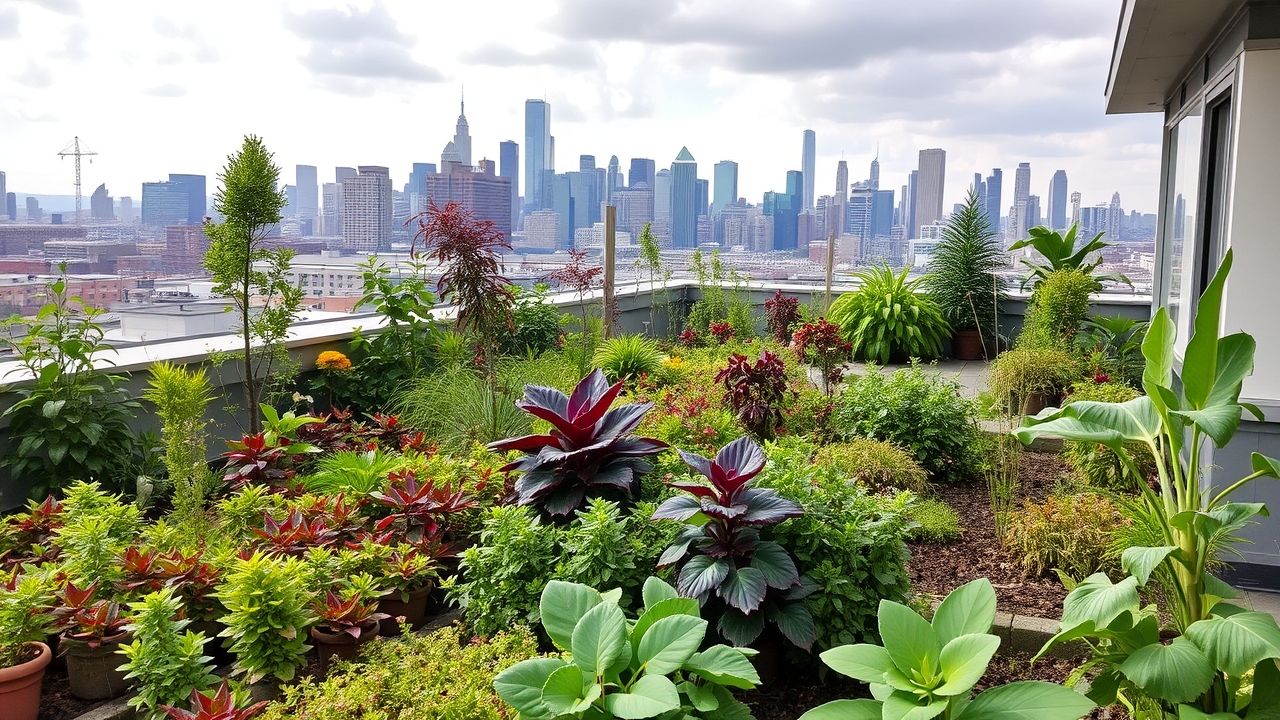
Research consistently shows that green spaces in cities lower ambient temperatures, mitigate the heat‑wave effect, and reduce the urban heat island phenomenon. Plants absorb carbon dioxide and release oxygen through photosynthesis, while their roots stabilize soil and prevent erosion. Moreover, green roofs and walls act as natural insulators, cutting down on heating and cooling costs for buildings. These environmental benefits translate into tangible economic savings and improved public health outcomes.
Key Principles of Sustainable Urban Gardening
- Resource Efficiency: Using rainwater harvesting, greywater recycling, and composting to minimize freshwater consumption and waste.
- Biodiversity Enhancement: Planting native species and pollinator‑friendly plants to support local fauna.
- Community Engagement: Designing spaces that invite residents to participate, learn, and share.
- Resilience and Adaptability: Selecting plant varieties that thrive in local climate conditions and can withstand extreme weather events.
- Scalability: Implementing modular systems that can be expanded or replicated across neighborhoods.
Common Urban Gardening Platforms
Urban gardeners have a range of platforms to choose from, each with its own set of advantages and challenges. Below is a comparison of the most popular options:



- Rooftop Gardens: Ideal for large, flat surfaces; they provide significant insulation benefits and can support a diverse array of crops.
- Balcony and Window Boxes: Perfect for apartment dwellers; they allow for herbs, salad greens, and ornamental plants.
- Vertical Gardens: Use wall-mounted planters or trellises; great for limited space and can add visual interest.
- Community Gardens: Shared plots where neighbors collaborate; they foster social cohesion and collective stewardship.
- Pocket Parks and Green Corridors: Small green patches that connect larger parks; they improve ecological connectivity and provide recreational spaces.
Designing Your Urban Garden
Designing an urban garden begins with a thorough site assessment. Consider the following factors:
- Sunlight Exposure: Map the amount of direct sunlight the area receives throughout the day.
- Wind Patterns: Identify prevailing winds to protect delicate plants or to harness wind for natural ventilation.
- Structural Load Capacity: For rooftops, confirm that the building can support the weight of soil, plants, and irrigation equipment.
- Water Availability: Assess proximity to water sources and the feasibility of installing rain barrels or greywater systems.
- Accessibility: Ensure pathways and garden beds are reachable for all users, including those with mobility challenges.
Once the assessment is complete, draft a layout that maximizes space while maintaining plant health. Use raised beds or modular containers for easy maintenance and to reduce soil compaction. Incorporate a mix of perennials and annuals to ensure continuous harvests and to provide habitat for pollinators.
Choosing the Right Plants
Plant selection is pivotal for both sustainability and productivity. Prioritize:
- Native Species: They are adapted to local conditions and require fewer resources.
- Drought‑Tolerant Varieties: These reduce irrigation demands.
- Companion Crops: Pairing plants that benefit each other can reduce pest problems and improve yields.
- Edible Over Ornamental: While ornamental plants add beauty, edible plants provide food security and economic value.
For example, a balcony garden might include basil, cherry tomatoes, and marigolds. On a rooftop, you could combine lettuce, kale, strawberries, and a small herb garden. Vertical walls could host vines like beans or cucumbers, which climb and produce abundant harvests.
Water Management Strategies
Water scarcity is a pressing issue in many urban centers. Sustainable urban gardens employ several strategies to conserve water:
- Rainwater Harvesting: Collect rainwater in barrels or cisterns for irrigation.
- Greywater Recycling: Treat and reuse water from sinks or showers for garden use.
- Soil Moisture Sensors: Monitor moisture levels to avoid over‑watering.
- Mulching: Apply organic mulch to reduce evaporation and keep soil cool.
- Drip Irrigation: Deliver water directly to plant roots, minimizing waste.
Soil and Composting
Urban soils are often compacted or contaminated. A layered approach can create a healthy growing medium:
- Topsoil Layer: Use a high‑quality, nutrient‑rich topsoil mix.
- Organic Layer: Add composted kitchen scraps, leaves, and grass clippings to improve fertility.
- Perlite or Vermiculite: Provide drainage and aeration.
Composting is a cornerstone of sustainable gardening. Turn food scraps, yard waste, and even coffee grounds into valuable mulch. Composting reduces landfill waste and produces a nutrient‑rich soil amendment that feeds plants naturally.
Integrated Pest Management (IPM)
Rather than relying on chemical pesticides, IPM focuses on ecological solutions:
- Biological Controls: Introduce beneficial insects like ladybugs to prey on aphids.
- Physical Barriers: Use row covers or netting to protect crops.
- Crop Rotation: Rotate crops to break pest life cycles.
- Plant Diversity: Diverse plantings reduce the spread of pests.
- Regular Monitoring: Inspect plants frequently for early detection of problems.
Community and Social Impact
Beyond ecological benefits, urban gardens serve as social hubs. They provide:
- Educational Opportunities: Schools can use gardens for hands‑on learning about biology, nutrition, and sustainability.
- Food Security: Low‑income neighborhoods can grow fresh produce, reducing dependence on expensive grocery stores.
- Mental Health Benefits: Interaction with nature lowers stress, improves mood, and fosters a sense of belonging.
- Neighborhood Pride: Well‑maintained gardens enhance property values and civic pride.
Case Studies
Several cities worldwide have embraced sustainable urban gardening with remarkable results:
- Singapore: Known as the “Garden City,” Singapore implements vertical farms and rooftop gardens across its skyline, producing up to 30% of its vegetable needs.
- New York City: The NYC Urban Agriculture Initiative supports community gardens that supply fresh produce to over 200,000 residents annually.
- Barcelona: The “Superblocks” project redesigns streets to reduce traffic and allocate space for community gardens, improving air quality and social cohesion.
- Berlin: The city’s “Community Garden” network has grown from 50 plots in 2000 to over 200 today, providing training and resources to residents.
Scaling Up: Policy and Incentives
Governments can accelerate urban gardening through:
- Building Codes: Mandate green roofs or balcony gardens in new developments.
- Tax Credits: Offer deductions for installing irrigation systems or composting facilities.
- Subsidies: Provide grants for community garden projects and educational programs.
- Public‑Private Partnerships: Encourage collaborations between municipalities, NGOs, and businesses to fund large‑scale green infrastructure.
Challenges and Mitigation Strategies
Urban gardening faces several obstacles, but proactive planning can mitigate them:
- Limited Space: Use vertical gardening, hydroponics, or container systems to maximize yield.
- High Costs: Leverage community labor, volunteer programs, and bulk purchasing to reduce expenses.
- Regulatory Barriers: Engage with local authorities early to navigate zoning and building regulations.
- Maintenance: Establish rotating stewardship schedules and provide training workshops.
Future Directions
As technology advances, urban gardening will become more efficient and accessible. Smart irrigation systems, AI‑driven crop monitoring, and drone‑based pollination are just the beginning. Coupled with policy support and community engagement, these innovations promise a greener, healthier, and more resilient urban future.
Conclusion
From rooftops to community plots, sustainable urban gardening is a multifaceted solution that addresses environmental, social, and economic challenges. By embracing resource efficiency, biodiversity, and community participation, cities can transform concrete jungles into living ecosystems that nourish both people and the planet.
As urban populations continue to swell, the imperative to integrate green spaces into cityscapes grows stronger. Sustainable urban gardening offers a practical, scalable, and inspiring path forward—one that turns ordinary city spaces into vibrant green oases for generations to come.
For further reading, see related references on Wikipedia.
Leave a Reply