What is BHA in skincare? It is a popular ingredient that many people ask about. This article breaks down the science, benefits, and practical use of beta hydroxy acid (BHA) so you can decide if it’s right for you.
What Is BHA in Skincare?
When you ask what is BHA in skincare, you’re really asking about a chemical that behaves differently than many other acids. BHA is a small, oil‑soluble molecule that can dissolve in sebum. Because of this unique property, it can penetrate deeper into the pores than alpha hydroxy acids (AHAs), which are water‑soluble.
The phrase what is BHA in skincare often leads people to wonder about its meaning, especially when they see it listed on product labels. In short, BHA stands for beta hydroxy acid, and the most common form used in cosmetics is salicylic acid.


BHA Meaning and Chemistry
What is BHA in skincare? It’s a chemical that dissolves in oil and can reach the inside of the pore to remove dead cells and excess sebum. Salicylic acid, the most popular BHA, is derived from willow bark in nature, but synthetic forms are used in most products.
For a deeper dive into the chemistry, you can visit the Wikipedia page on beta hydroxy acid.
How BHA Works on the Skin
- Penetration into the Pores: Because it’s oil‑soluble, BHA can reach the inside of the pore where excess sebum and dead skin cells accumulate.
- Exfoliation: BHA breaks down the bonds that hold dead cells together, allowing them to slough off naturally.
- Anti‑Inflammatory Properties: Salicylic acid has a mild anti‑inflammatory effect, which can calm redness associated with acne.
- Comedolytic Action: It dissolves the keratin plugs that form blackheads, reducing pore blockage.
BHA vs AHA: What Sets Them Apart?
When you compare what is BHA in skincare to AHA, the main differences are solubility and target depth. AHAs, like glycolic or lactic acid, are water‑soluble and primarily act on the skin’s surface. BHA, on the other hand, is oil‑soluble and can clear deeper layers.
Because of this, BHA is often recommended for those with oily or acne‑prone skin, while AHAs are chosen for dry or mature skin needing surface exfoliation and hydration.
BHA Hugging Every Skin Type
Below is a quick guide to help you decide if BHA fits your skin:
- Acne‑Prone Skin: BHA can unclog pores and reduce breakouts.
- Oily Skin: Its oil‑soluble nature helps regulate sebum production.
- Combination Skin: Targeting the oily T‑zone while leaving drier areas less exposed.
- Blackheads and Whiteheads: BHA softens plugs that cause these comedones.
- Uneven Texture: Regular use smooths roughness and reduces fine lines from dead‑cell buildup.
- Those with Sensitive Skin: Start with 0.5–1% and monitor reaction; many find it tolerable once the barrier adapts.
People with eczema, rosacea, or very dry skin should proceed with caution. If you have a history of irritation, consider a lower concentration or a gentler exfoliant like lactic acid.
Choosing the Right BHA Product
Not all BHA products are created equal. Here’s what to look for:
- Concentration: Most over‑the‑counter options range from 0.5% to 2%. 1% is a good starting point for most users.
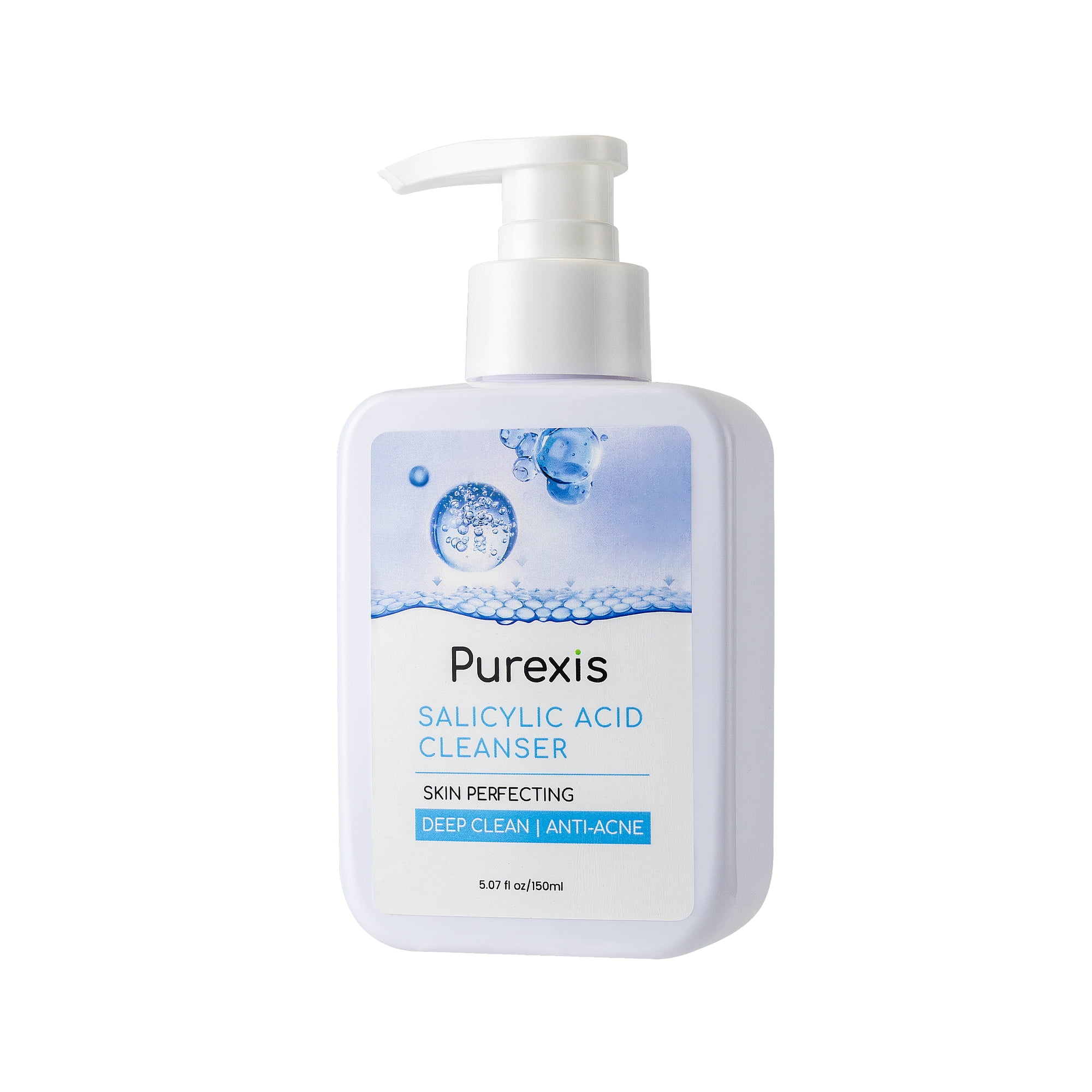
- Formulation: Serums and toners typically contain higher concentrations, while cleansers and masks may have lower percentages.
- pH Level: Effective BHA products usually have a pH of 3.0–3.5. This acidity ensures the acid stays in its active form.
- Complementary Ingredients: Look for soothing agents such as niacinamide or hyaluronic acid to counterbalance potential dryness.
- Packaging: Light‑proof bottles protect BHA from light degradation, preserving potency.
Step‑by‑Step Routine for Different Skin Types
For Oily/Acne‑Prone Skin
- Morning: Cleanse with a gentle foaming cleanser. Apply a lightweight BHA serum (0.5–1%) to the T‑zone. Follow with a non‑comedogenic moisturizer and SPF 30+.
- Evening: Cleanse again. Apply BHA serum. If you’re using a retinoid, wait 30 minutes before applying to avoid irritation.
For Combination Skin
- Morning: Cleanse. Use a BHA toner on oily areas only. Moisturize the entire face with a balanced lotion. SPF 30+.
- Evening: Cleanse. Apply BHA to oily zones. Lightly moisturize drier areas.
For Sensitive Skin
- Morning: Cleanse with a fragrance‑free cleanser. Skip BHA if you’re prone to redness; opt for a gentle hydrating serum instead.
- Evening: If you tolerate it, use a 0.5% BHA serum on a patch‑tested area. Apply a soothing moisturizer afterward.
For Dry Skin
- Morning: Cleanse. Skip BHA; focus on hydration with hyaluronic acid and ceramides.
- Evening: If you want to use BHA, keep concentration low (0.5%) and pair with a rich moisturizer.
Common Mistakes to Avoid
- Over‑Exfoliating: Using BHA too often, especially with other strong actives, can strip the skin’s barrier.
- Neglecting Sunscreen: BHA can make the skin more sensitive to UV rays.
- Using Heavy Creams: Thick, occlusive creams can trap BHA and cause irritation.
- Skipping the Patch Test: Always test first, especially if you have a history of sensitivity.
- Applying BHA to Wet Skin: It’s best on clean, dry skin to ensure proper absorption.
Safety and Side Effects
What is BHA in skincare? It’s generally safe for most skin types, but it may cause mild redness, flaking, or dryness in some people. If you experience persistent irritation, stop use and consult a dermatologist. Pregnant or nursing individuals should also consult their healthcare provider before using BHA products.
Beyond Acne: Other Uses of BHA
While acne control is the most common reason to use BHA, it also offers benefits for other concerns:
- Texture Improvement: Regular use can reduce roughness and fine lines caused by dead cells.
- Brightening: By removing dull surface layers, BHA can enhance overall radiance.
- Oil Control: It can help prevent excess shine and keep skin matte.
- Post‑Acne Scarring: Exfoliation promotes cell turnover, which can fade hyperpigmentation over time.
- Men’s Skincare: BHA’s pore‑clearing action is ideal for men who often have oilier skin and need a non‑comedogenic routine.
Who Should Reconsider BHA?
If you have eczema, rosacea, or very dry skin, BHA might be too harsh for your barrier. In such cases, consider AHAs or gentle pH‑balanced exfoliants like lactic acid. A dermatologist can suggest a tailored plan if you have chronic skin conditions.
Professional Treatments and BHA
In dermatology offices, BHA is often used in chemical peels. A 5–10% salicylic acid peel can deeply cleanse pores and improve acne scars. These treatments are performed under professional supervision, ensuring safety and efficacy.
BHA Myths Debunked
- Myth: BHA always makes skin oily. Truth: It regulates sebum production; heavy moisturizers are the cause of greasiness.
- Myth: BHA is only for acne. Truth: It benefits texture, brightness, and oil control for all skin types.
- Myth: Higher concentration is always better. Truth: Over‑concentration can lead to irritation; start low and build tolerance.
FAQs
- What is BHA in skincare? B
Leave a Reply