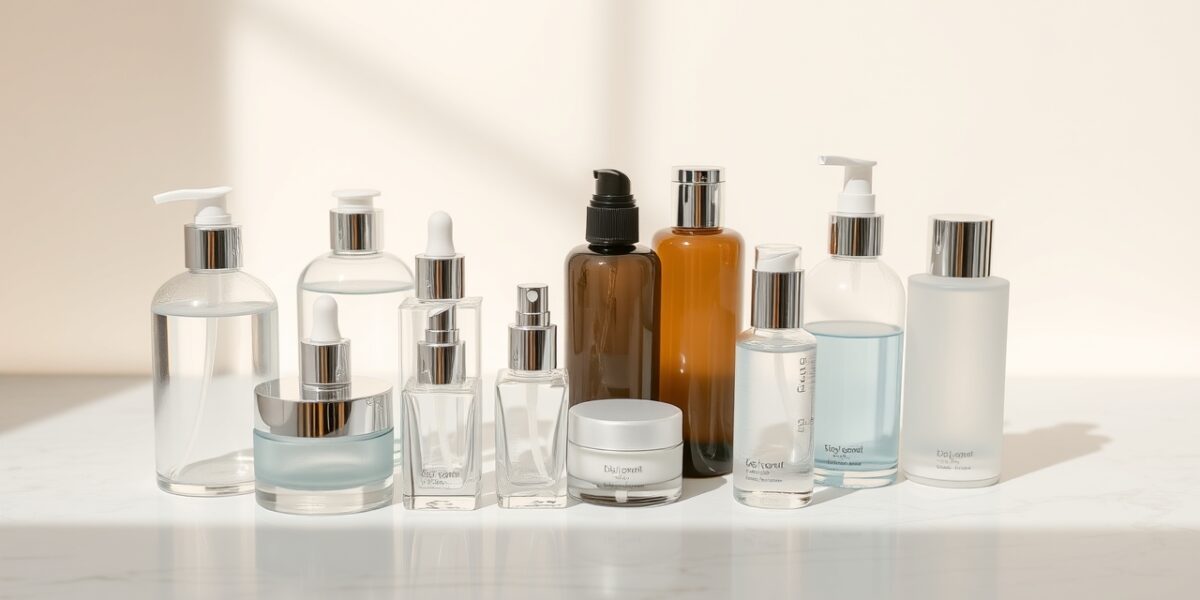
Layering skincare products isn’t a whimsical art; it’s a precise choreography that determines whether your active ingredients actually reach the cells that need them. When you apply a lightweight serum on top of a heavy cream, the serum can’t penetrate and ends up sitting on the surface, wasting both time and money. Understanding the order of application turns a routine from a passive ritual into a targeted treatment.
The Golden Rule of Layering: Thin to Thick
In the world of cosmetics, the most reliable rule is to apply products from the thinnest consistency to the thickest. Think of it like painting: you wouldn’t put primer over a finished coat. Water-based products—like toners, essences, and serums—contain small molecules that can slip through the skin’s aqueous channels. Oils and creams, on the other hand, carry larger molecules that create a barrier, sealing in moisture but also blocking lighter ingredients if applied first.
For example, a 20% hyaluronic acid serum has a molecular weight of about 30,000 Daltons, allowing it to lodge in the stratum corneum and pull water from the environment. If you layer it over a petrolatum-based moisturizer, the hyaluronic acid can’t access the skin’s surface and simply floats cube‑like on top. That’s why the order matters.


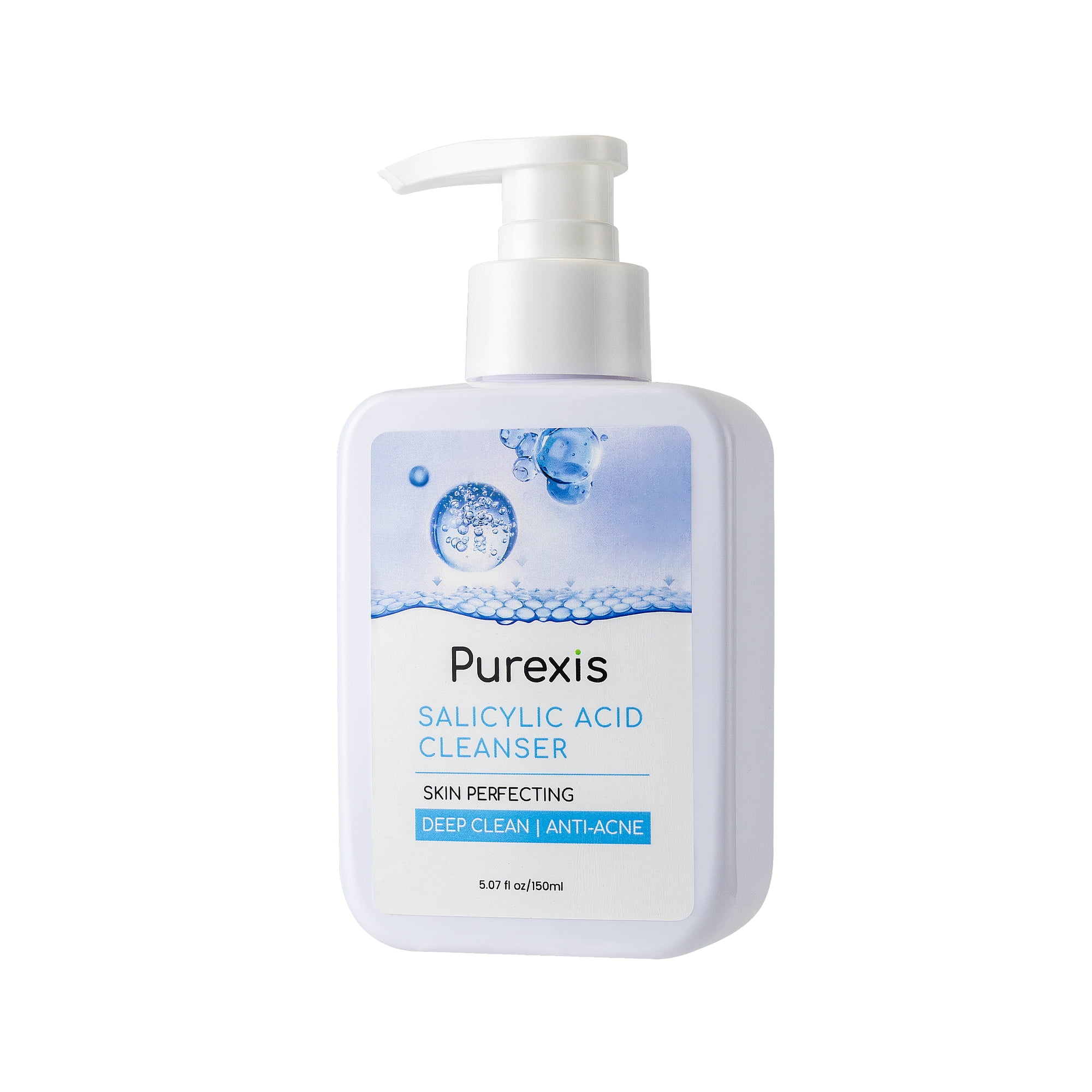
Step‑by‑Step Skincare Order
While individual skin types require tweaks, the core sequence remains consistent. Below is a detailed walk‑through that keeps your routine both efficient and effective.
1. Cleansing – The Foundation
Start with a double cleanse in the evening. Use an oil‑based cleanser, such as a safflower‑oil formula, to dissolve sunscreen, sebum, and makeup. Follow with a gentle, sulfate‑free water‑based cleanser that lifts residual impurities without stripping the skin’s natural barrier. In the morning, a simple micellar water or a light gel cleanser suffices.
2. Toners and Essences – Hydration & pH Balance
Modern toners are no longer alcohol‑laden; they’re designed to hydrate and prime. Choose a glycerin‑rich toner for dry skin or a niacinamide‑infused one for oily skin. Essences sit between toners and serums in texture—think a thin, watery gel that delivers a burst of hydration without heaviness.
3. Targeted Serums – The Active Layer
Serums are the powerhouse of your routine. They deliver concentrated actives deep into the epidermis. Apply them on clean, slightly damp skin to maximize absorption. Order them by viscosity: start with the thinnest (e.g., a vitamin C serum) and finish with the thickest (e.g., a retinol serum). Pay attention to pH; vitamin C requires a pH < 3.5, while retinol is stable between 5.5 and 7.0.
4. Eye Cream – Delicate Protection
The skin around the eyes is the thinnest on your face, so it needs gentle, targeted care. Apply a pea‑sized amount of an eye cream with peptides or caffeine before heavier face products. Pat rather than rub to avoid tugging.
5. Moisturizers – Seal the Deal
A moisturizer’s job is to lock in everything that precedes it. Choose a lightweight gel‑cream for oily skin or a richer cream for dry skin. If you’re using a facial oil, apply it after the moisturizer to create a “double‑layer” seal that prevents transepidermal water loss.
6. Sunscreen – The Final Line of Defense (AM Only)
Finish with a broad‑spectrum SPF 50+ sunscreen. Apply a generous 1‑to‑2 milliliters over the face and neck, making sure to cover the hairline and ears. Avoid applying sunscreen over a thick layer of face oil; instead, let the oil sit for a minute to absorb before applying SPF.
Active Ingredient Compatibility – When to Combine and When to Separate
Even if you follow the correct order, some ingredients simply don’t play well together. Here are the most common clashes and how to avoid them.
Vitamin C vs. Retinoids
Vitamin C (ascorbic acid) is a potent antioxidant that protects the skin from UV damage, making it ideal for morning use. Retinoids, however, increase cell turnover and heighten photosensitivity, so they belong in the evening. Mixing them can neutralize each other’s benefits and cause irritation.
Acids and Retinoids
Alpha‑hydroxy acids (AHAs) and beta‑hydroxy acids (BHAs) exfoliate by loosening the bonds between dead skin cells. Using them on the same night as a retinoid can over‑expose the skin, leading to redness and peeling. If you want both, alternate nights or use a lower concentration of acid.
Hyaluronic Acid – The Universal Player
Hyaluronic acid (HA) is a humectant that attracts water from the environment. It’s compatible with most actives because it doesn’t alter pH. Apply it to damp skin to lock in moisture; otherwise, it can draw water out of the skin, leaving you feeling tight.
Common Layering Mistakes and How to Fix Them
- Over‑layering: Adding five serums doesn’t double the benefits. Stick to two or three actives that target different concerns.
- Skipping absorption time: Let each layer settle 30–60 seconds before the next. This prevents pilling and ensures each ingredient penetrates.
- Ignoring the neck and chest: Extend your routine down to the décolletage; the skin there is as thin as the face.
- Combining incompatible actives: Avoid pairing benzoyl peroxide with retinol or high‑concentration AHAs with retinoids.
Customizing the Routine for Your Skin Type
Below are three archetypes and a tailored sequence for each.
Oily & Acne‑Prone Skin
Use a lightweight gel cleanser, followed by a 2% salicylic acid toner. Apply a niacinamide serum (1–2%), then a gel‑cream moisturizer. Finish with SPF 50+. For nighttime, add a 0.5% azelaic acid serum before the moisturizer.
Dry & Dehydrated Skin
Start with a cream cleanser, then a hydrating essence with glycerin. Layer a 2% hyaluronic acid serum, followed by a rich ceramide‑cream. Add a facial oil (e.g., squalane) after the moisturizer. Finish with SPF.
Sensitive Skin
Opt for fragrance‑free products. Cleanse with a mild, sulfate‑free cleanser. Apply a soothing serum (panthenol or centella asiatica), then a barrier‑repair cream. Finish with a mineral SPF 30+.
The Science of Absorption and Permeability
Understanding the skin’s layers helps explain why order matters. The stratum corneum is a 10‑layered barrier of dead keratinocytes surrounded by lipids. Water‑soluble ingredients move through aqueous channels, while oil‑soluble ingredients travel through lipid bilayers. When a heavy oil sits on top of a water‑based serum, the serum can’t reach the epidermis. For more depth, read the Wikipedia article on skin anatomy.
Advanced Layering Tips for Maximum Efficacy
The Sandwich Method for Retinoids
If retinoids irritate you, try the sandwich method: apply a thin layer of moisturizer, then the retinoid, and finish with another moisturizer. This slows the active’s penetration and reduces redness while preserving benefits.
Apply on Damp Skin (Except Strong Acids & Retinoids)
Hydrating products perform best on damp skin because they lock aid moisture in. Pat your face with a towel after cleansing, then immediately apply toner, serum, and moisturizer. Reserve a dry application for strong acids and retinoids to prevent over‑penetration.
Skin Cycling (Four‑Night Rotation)
Instead of layering every active nightly, rotate: Night 1 – gentle exfoliation; Night 2 – retinoid; Nights 3–4 – recovery with barrier‑repair cream. This prevents barrier overload and keeps the skin resilient.
Quick Reference Table
Use this cheat sheet when you’re short on time.
- AM Routine: Cleanser → Toner → Vitamin C/Antioxidants → Moisturizer → SPF.
- PM Routine: Double Cleanse → Toner/Exfoliant → Treatment Serums → Eye Cream → Moisturizer → Facial Oil (optional).
Frequently Asked Questions
How do I layer multiple serums?
Apply them from thinnest to thickest. If two serums share the same viscosity, start with the one that targets a specific concern (e.g., a spot‑treatment 광선) before the general hydrating serum.
Should I apply serum before moisturizer?
Yes. Serums deliver actives deep into the skin; moisturizers seal them in. If you reverse the order, the serum can’t penetrate.
What goes first: toner or serum?
Toner comes
Leave a Reply