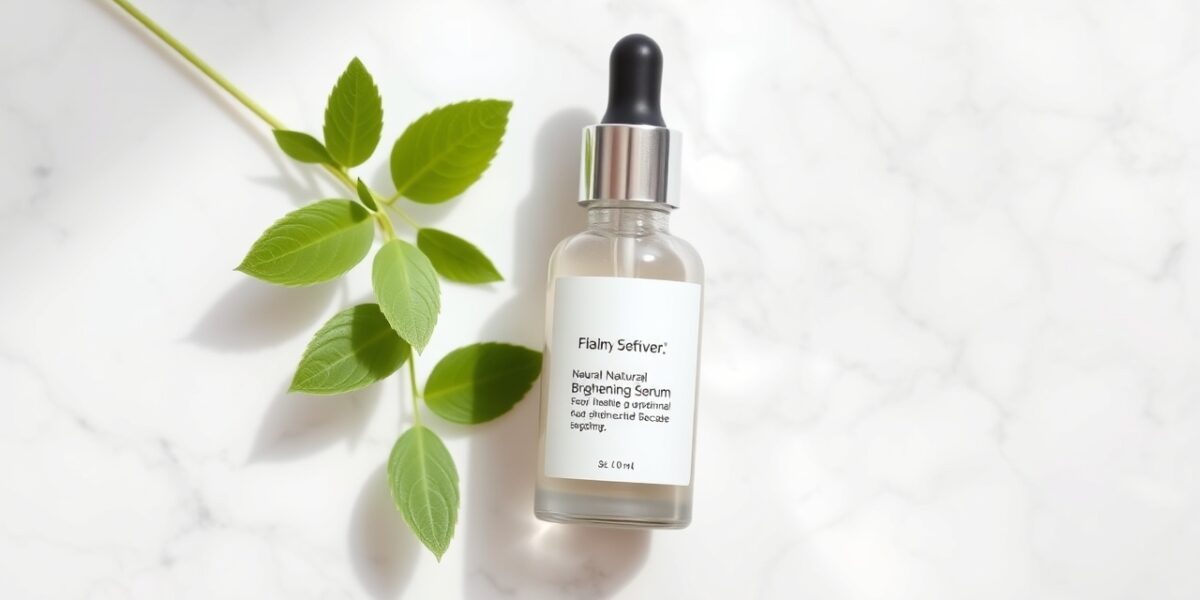
Kojic acid and licorice for skin are two gentle brightening agents that many skincare enthusiasts trust for a subtle lift and even tone. While each has its own unique profile, together they form a duo that offers a natural, low‑irritation approach to addressing hyperpigmentation and dullness.

Kojic Acid and Licorice for Skin: Gentle Brighteners Explained
When exploring kojic acid and licorice for skin, you’ll notice that both ingredients target melanin production, but they do so with different mechanisms. Kojic acid works by inhibiting tyrosinase, an enzyme essential for melanin synthesis, whereas licorice root extract contains glabridin, which also reduces tyrosinase activity and adds antioxidant support.
Why Choose Gentle Brighteners?
Many people with amateur or sensitive skin find traditional bleaching agents too harsh. By contrast, kojic acid and licorice for skin provide a milder alternative, lowering the risk of irritation, redness, or post‑inflammatory hyperpigmentation.


Licorice Root Extract Skin Benefits
Licorice root extract is prized for more than just its brightening properties. It offers:
- Anti‑inflammatory support: Glabridin helps calm irritated skin.
- Antioxidant protection against free radical damage.
- Improved barrier function, reducing moisture loss.
- Enhancement of skin elasticity over time.
Because of its mild profile, kojic acid and licorice for skin are popular in formulations meant for daily use, especially in products labeled “gentle brightening”.
Kojic Acid Benefits for Hyperpigmentation
In a daily routine that includes kojic acid and licorice for skin, you’ll often find a concentration of 1–2% kojic acid in serums, creams, or toners. This level is usually effective for fading age spots and melasma while keeping irritation minimal.
According to the Wikipedia entry on kojic acid, it is a natural product derived from Aspergillus oryzae, and it has been used in East Asian skincare for decades.
How to Use These Ingredients Safely
When you first introduce kojic acid and licorice for skin into your routine, consider these steps:
- Patch test: Apply a small amount on your inner forearm for 24 hours.
- Start slow: Use once every other day, then gradually increase to nightly.
- Layer correctly: Apply after cleansing and before heavier moisturizers.
- Sun protection: Always pair with a broad‑spectrum SPF 30+ during the day.
In formulations featuring kojic acid and licorice for skin, the combination can reduce the likelihood of irritation that sometimes accompanies high‑strength kojic acid products.
Natural Brightening vs. Chemical Bleaching
Because you’re looking for natural brightening, remember that kojic acid and licorice for skin can be a more sustainable choice. They avoid the harsh chemicals found in some bleaching agents and often come from renewable sources.
The synergy of kojic acid and licorice for skin can reduce melanin production more effectively than either alone, thanks to their complementary pathways. Some studies indicate that combining these ingredients can lead to a 30–40% reduction in dark spots over 8 weeks, though individual results vary.
Beyond Pigmentation: Other Skin Concerns
When you read about kojic acid and licorice for skin, you’ll find that these ingredients also help with:
- Reducing redness and rosacea flare‑ups.
- Improving skin clarity and texture.
- Lightening post‑acne marks.
- Supporting collagen synthesis for a firmer look.
To evaluate the effectiveness of kojic acid and licorice for skin, monitor your skin’s response over 6–8 weeks. Keep a journal of changes, noting any improvement in tone, texture, or breakouts.
FAQs
Q1: What is kojic acid and licorice for skin?
A1: It’s a combination of two gentle brightening agents—kojic acid, a natural tyrosinase inhibitor, and licorice root extract, which also reduces melanin production and offers antioxidant benefits.
Q2: Can I use kojic acid and licorice for skin if I have sensitive skin?
A2: Yes, because both ingredients are generally mild. Start with low concentrations and perform a patch test before full application.
Q3: How often should I apply kojic acid and licorice for skin?
A3: Begin with every other day, then gradually increase to nightly once your skin adapts. Always apply sunscreen during the day.
Q4: Will kojic acid and licorice for skin cause dryness?
A4: They can sometimes lead to mild dryness, especially if you have a compromised barrier. Pair them with a hydrating moisturizer or a serum containing hyaluronic acid.
Q5: Are there any risks associated with using kojic acid and licorice for skin?
A5: While generally safe, high concentrations of kojic acid can cause irritation or photosensitivity. Use sunscreen and avoid prolonged sun exposure.
Ultimately, the gentle brightening of kojic acid and licorice for skin offers a balanced approach to achieving a more even complexion without the harsh side effects of stronger bleaching agents. By following the guidelines above and paying attention to your skin’s signals, you can enjoy the benefits of these natural ingredients for months to come. For more skincare insights, visit Healthy Skin World.
Understanding the Science Behind Kojic Acid and Licorice
Both kojic acid and licorice root extract work at the cellular level to reduce melanin synthesis. The key enzyme, tyrosinase, catalyzes the conversion of tyrosine to dopaquinone, the first step in melanin production. By binding to the copper ions in the enzyme’s active site, kojic acid effectively blocks this conversion. Licorice’s glabridin not only inhibits tyrosinase but also scavenges reactive oxygen species that can trigger melanocyte hyperactivity.
Because these mechanisms occur without disrupting the skin’s natural pH or barrier, the risk of irritation is markedly lower than with stronger chemical agents like hydroquinone or high‑concentration vitamin C.
Choosing the Right Product Formulation
When shopping for a product containing kojic acid and licorice for skin, pay attention to:
- Concentration: Look for 1–2% kojic acid and 0.5–1% glabridin. Higher concentrations may offer faster results but increase irritation risk.
- Vehicle: A lightweight serum or toner is ideal for daytime use. Creams with occlusive ingredients (e.g., ceramides) are better for nighttime or dry skin types.
- Stability: Kojic acid is light‑sensitive. Products packaged in opaque, air‑tight containers help preserve potency.
- Complementary ingredients: Hyaluronic acid, niacinamide, and ceramides enhance hydration and barrier support, mitigating potential dryness.
- Brand credibility: Choose brands that provide third‑party testing or ingredient disclosure to ensure authenticity.
Integrating Into a Complete Skincare Routine
Below is a step‑by‑step routine that incorporates kojic acid and licorice for skin while maintaining overall skin health:
- Cleanse: Use a gentle, sulfate‑free cleanser to avoid stripping natural oils.
- Toner (optional): Apply an alcohol‑free toner to balance pH.
- Brightening Serum: Dispense 2–3 drops of the kojic‑licorice serum onto fingertips. Gently pat onto the face, focusing on areas with hyperpigmentation.
- Moisturizer: Follow with a hydrating cream containing ceramides or glycerin.
- Eye Cream: If desired, apply a lightweight eye cream.
- Sun Protection: Finish with a broad‑spectrum SPF 30+ every morning.
For nighttime, you may add a nourishing oil or a richer cream after the serum to lock in moisture. If you experience sensitivity, skip the serum on one side of the face for the first week.
Potential Side Effects and How to Mitigate Them
While kojic acid and licorice for skin are generally safe, some users report:
- Transient redness or flushing.
- Mild stinging sensation upon application.
- Dryness or flaking if barrier is compromised.
Mitigation strategies include:
- Layering order: Apply a barrier‑strengthening moisturizer before the serum if you have sensitive skin.
- Frequency: Reduce usage to every other day until tolerance builds.
- Exfoliation: Avoid chemical exfoliants (e.g., AHAs, BHAs) on the same day as brightening serums to prevent cumulative irritation.
- Hydration: Use a hyaluronic acid serum before the brightening step to keep the skin hydrated.
Real-World Success Stories
Case Study 1: Emily, 32, Sensitive Skin
Emily struggled with post‑acne hyperpigmentation. She started with a 1% kojic acid/0.5% glabridin serum applied twice a week. After 6 weeks, her dark spots were noticeably lighter, and she reported no redness or irritation thanks to a daily ceramide moisturizer.
Case Study 2: Marcus, 45, Melasma
Marcus used a 2% kojic acid/1% glabridin cream nightly. With consistent SPF use, he observed a 35% reduction in melasma patches after 10 weeks. He noted improved skin texture and a subtle glow.
When to Seek Professional Advice
Consider consulting a dermatologist if:
- You have a history of severe allergies or skin disorders.
- Hyperpigmentation persists despite 12 weeks of consistent use.
- You notice persistent redness, itching, or blistering.
- You’re pregnant, nursing, or planning to conceive (consult for safety).
Professional guidance can help tailor concentrations, suggest adjunctive treatments (e.g., chemical peels), and ensure no contraindications with other medications.
FAQs (Expanded)
Q1: What is kojic acid and licorice for skin?
A1: It’s a combination of two gentle brightening agents—kojic acid, a natural tyrosinase inhibitor, and licorice root extract, which also reduces melanin production and offers antioxidant benefits. Together, they provide a synergistic effect that is effective yet mild.
Q2: Can I use kojic acid and licorice for skin if I have sensitive skin?
A2: Yes, but start with the lowest effective concentration (around 1% kojic acid) and perform a patch test. Pair with barrier‑supporting ingredients and avoid harsh exfoliants to minimize irritation.
Q3: How often should I apply kojic acid and licorice for skin?
A3: Begin with every other day to gauge tolerance. Once your skin adapts, you can increase to nightly. Always apply a broad‑spectrum SPF during the day, as these ingredients can increase photosensitivity.
Q4: Will kojic acid and licorice for skin cause dryness?
A4: They can lead to mild dryness, especially if the skin barrier is already compromised. Counteract this by layering a hydrating serum (hyaluronic acid) and a moisturizer rich in ceramides or glycerin. If dryness persists, reduce frequency or switch to a lower concentration.
Q5: Are there any risks associated with using kojic acid and licorice for skin?
A5: While generally safe, high concentrations of kojic acid (above 2%) may irritate or cause photosensitivity. Use sunscreen, avoid prolonged sun exposure, and monitor for any warmed or red patches. If you experience severe irritation, discontinue use and consult a dermatologist.
By understanding these nuances, you can harness the benefits of kojic acid and licorice for skin while maintaining a healthy, balanced complexion. For more skincare insights, visit Healthy Skin World.
Leave a Reply