When I ask a fellow beauty editor how to get an even skin tone, the answer is almost always the same: Consistency, protection, and a few key ingredients. It’s not a quick fix; it’s a daily conversation with your skin. Below is a play‑by‑play of the science, the products, and the habits that bring your complexion into harmony.
Why Skin Becomes Uneven
Melanin is your skin’s natural sunscreen. When it’s over‑produced in patches, you get dark spots, or hyperpigmentation. Sun damage, acne scars, and hormonal shifts are the usual suspects. Redness, on the other hand, often signals inflammation or rosacea, while a dull, sallow hue usually means the skin’s natural exfoliation cycle has slowed.
Recognizing which of these three categories you fall into is the first step toward a targeted routine.


Daily Foundations for a Balanced Complexion
Think of your routine as a three‑layered defense system: cleanse, protect, and nourish. Skipping any layer will let the others fail.
1. Sun Protection – The Cornerstone
UV rays are the prime culprit behind new spots and the darkening of existing ones. A broad‑spectrum SPF 30+ should be your morning companion, regardless of weather. It’s the most reliable way to preserve the work of every other actives you apply. Read more about SPF choices.
2. Gentle Cleansing – The First Touch
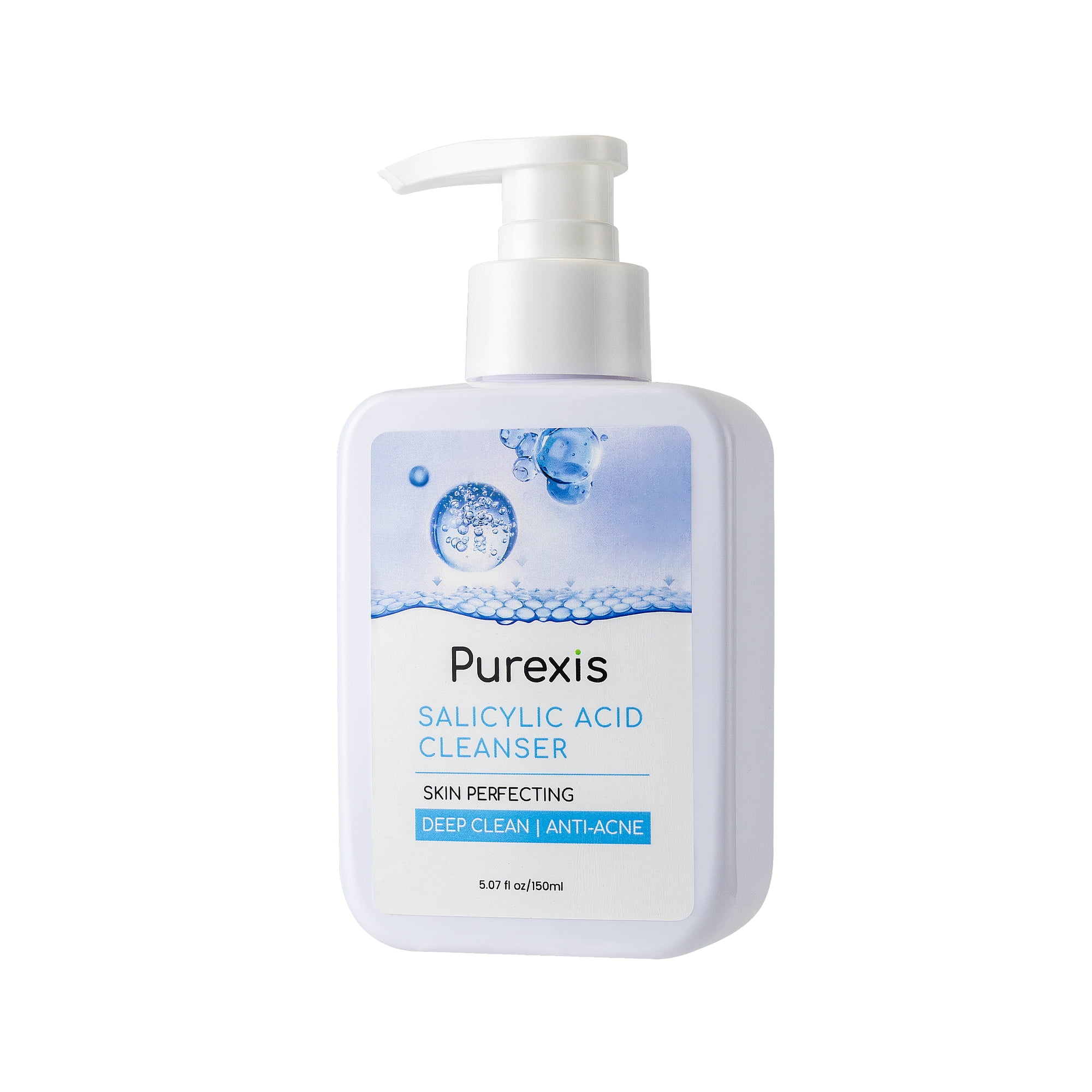
A pH‑balanced, sulfate‑free cleanser removes sweat, oil, and makeup without stripping the skin’s protective barrier. Imagine a soft, warm shower for your face—no harsh scrubbing, just a light, circular motion that leaves skin feeling supple, not tight.
3. Hydration – The Moisture Lock
Even the most oily skin needs water. A lightweight gel or a cream with hyaluronic acid will fill the skin’s pores, making it reflect light evenly. Think of it as a fine mist that keeps your skin plump and receptive to actives.
Key Ingredients that Brighten and Even
When you’re ready to tackle pigment, these actives work best together, each addressing a different layer of the skin.
Vitamin C – The Antioxidant Powerhouse
Vitamin C (ascorbic acid) inhibits tyrosinase, the enzyme that turns melanin. Applied in the morning, it also shields the skin from pollutants that trigger oxidative stress. Look for a serum with 10–20% L‑ascorbic acid in a dark, air‑tight bottle.
Niacinamide – The Versatile Tone‑Corrector
Niacinamide (Vitamin B3) blocks pigment transfer and tightens pores. It’s soothing for redness and works well with both Vitamin C and retinoids. A 5% serum or a moisturizer with 2–4% niacinamide can be applied both day and night.
Alpha Hydroxy Acids (AHAs) – The Surface Refiner
Glycolic or lactic acid dissolves the glue that holds dead cells together. Use a 5–10% AHA serum 2–3 times a week to reveal fresher skin underneath. If you’re new to AHAs, start with a lower concentration to gauge tolerance.
Retinoids – The Turnover Accelerator
Retinoids push pigmented cells to the surface and boost collagen production. They’re most effective at night because they can degrade under UV light. A pea‑sized amount on damp skin is enough to start.
Sample Routine – From Dawn to Dusk
Below is a practical framework you can tweak to fit your skin type and lifestyle.
Morning – Protect & Prevent
- Cleanse: A gentle, water‑based formula.
- Tone: A hydrating mist or a simple water rinse.
- Vitamin C Serum: 10–20% L‑ascorbic acid, applied to dry skin.
- Moisturizer: A light gel or cream with hyaluronic acid.
- SPF 30+: Broad‑spectrum, mineral or chemical, applied as the last step.
Evening – Repair & Renew
- Double Cleanse: Oil‑based cleanser to remove sunscreen, followed by the morning cleanser.
- Exfoliate (2–3x weekly): A 5–10% AHA or 1–2% BHA serum.
- Target: Niacinamide or a low‑strength retinoid.
- Hydrate: A richer night cream or a single drop of facial oil.
Long‑Term Success – Lifestyle Matters
Skincare is only half of the equation. What you do inside your body shows up on your skin.
Hydration – The Plump Factor
Water is the simplest, most effective way to keep skin looking even. Aim for 2–3 liters per day and consider a humidifier in dry climates. Topical hyaluronic acid helps lock that moisture in.
Sleep – The Overnight Rebuilder
During deep sleep, the skin’s repair processes kick into high gear. Aim for 7–9 hours of uninterrupted rest to allow collagen synthesis and pigment turnover to work unhindered.
Nutrition – Antioxidant Fuel
Colorful foods—berries, leafy greens, nuts—are rich in antioxidants that fight free radicals. Cut back on refined sugars; they trigger glycation, which dulls skin tone and stiffens collagen.
Targeted Strategies for Specific Discoloration
Different types of uneven tone require slightly different tactics.
Post‑Inflammatory Hyperpigmentation (PIH)
These are the dark marks left after acne heals. Retinoids accelerate cell turnover, while gentle AHAs help smooth the surface. Pair them with a niacinamide serum to calm redness.
Melasma & Sun Spots
Melasma is deeper and often hormonally driven. Physical blockers like zinc oxide sit on top of the skin and reflect UV rays, preventing further pigment production. Consistent use of a broad‑spectrum mineral sunscreen is non‑negotiable.
Redness & Sensitivity
When redness dominates, drop acids and scrubs. Instead, choose soothing actives—centella asiatica, oat, or aloe vera—and bolster the barrier with ceramides. A well‑sealed skin is less prone to flare‑ups.
Common Pitfalls and How to Avoid Them
Even the best routines can be sabotaged by a few missteps.
Over‑Exfoliation
Excessive scrubbing or daily acid use can strip the acid mantle, leading to inflammation and more pigment. If your skin feels tight or looks “plastic‑y,” pause all actives for two weeks and focus on barrier repair.
Mixing Incompatible Actives
Vitamin C thrives in a low‑pH morning routine, while retinoids are best at night. Mixing them can neutralize effectiveness and cause irritation. Keep them separate unless a product explicitly blends them safely.
Patience is Key
Skin regeneration takes 28–40 days. Drop a new product and expect visible change only after 6–8 weeks. Early abandonment leads to frustration and wasted products.
When Home Care Isn’t Enough – Professional Options
If three months of consistent care still leaves you unimpressed, consider these treatments. Always consult a qualified dermatologist before proceeding.
Chemical Peels
Professional peels use higher concentrations of acids, creating a controlled injury that forces the skin to regenerate. They’re especially effective for surface‑level sun damage.
Microneedling
Microneedling creates micro‑channels that stimulate collagen production and improve ingredient penetration. Combined with a brightening serum, it can dramatically reduce both acne scars and pigment.
Quick‑Start Checklist
- Morning: Cleanse → Vitamin C → Moisturize → SPF 30+
- Evening: Double cleanse → AHA (2–3x/week) → Niacinamide/Retinoid → Night cream
- Weekly: Exfoliate 2–3 times
- Daily: Hydrate, sleep, and eat antioxidant‑rich foods
- Patience: Let each routine sit for 6–8 weeks before adding new actives
Frequently Asked Questions
How to get an even skin tone quickly?
Consistency beats speed. Combine daily SPF, a 5–10% AHA twice a week, and a 10–20% Vitamin C serum. For a dramatic, short‑term lift, a professional chemical peel can reduce visible spots in a single session—always done by a licensed practitioner.
Can diet really affect my skin tone?
Absolutely. Antioxidant‑rich foods protect against UV‑induced pigment changes, while high‑sugar meals promote inflammation and glycation, dulling your complexion.
Is it okay to use exfoliating acids every day?
Daily exfoliation is too harsh for most skin types. Start with 1–2 times per week and monitor for redness or irritation. Increase only if your skin remains calm.
Why does my skin look dull even though I moisturize?
Moisturizers hydrate but don’t remove dead cells. A gentle chemical exfoliant will clear the surface, allowing light to bounce off a smoother, more even layer.
Will a glow routine work for oily skin?
Yes. Oily skin benefits from lightweight gels and BHA (salicylic acid) exfoliants, which clear pores and smooth texture without adding excess oil.
Leave a Reply