Skincare routine for oily acne-prone skin is essential for anyone looking to tame excess oil while keeping breakouts under control. The goal is to balance the skin’s natural sebum production, unclog pores, and prevent inflammation without stripping the barrier.
Why a targeted routine matters for oily acne‑prone skin
Oily skin produces more sebum than normal skin, leading to a shiny complexion and a higher chance of clogged pores. When excess oil meets bacteria and dead skin cells, acne lesions form. A routine that gently cleanses, exfoliates, and moisturises can reduce oiliness while delivering targeted treatment.
Understanding your skin type and the science behind acne
Secretion of sebum is regulated by hormones, especially androgens. High hormone levels in adolescence or hormonal fluctuations can increase oil production. The skin’s microbiome also plays a role; an overgrowth of specific bacteria can trigger inflammation. According to the Wikipedia entry on acne, the condition is a multifactorial disorder involving follicular hyperkeratinisation, bacterial colonisation, and inflammatory responses enlivened by sebum excess.


Building the foundation: the core steps of a routine
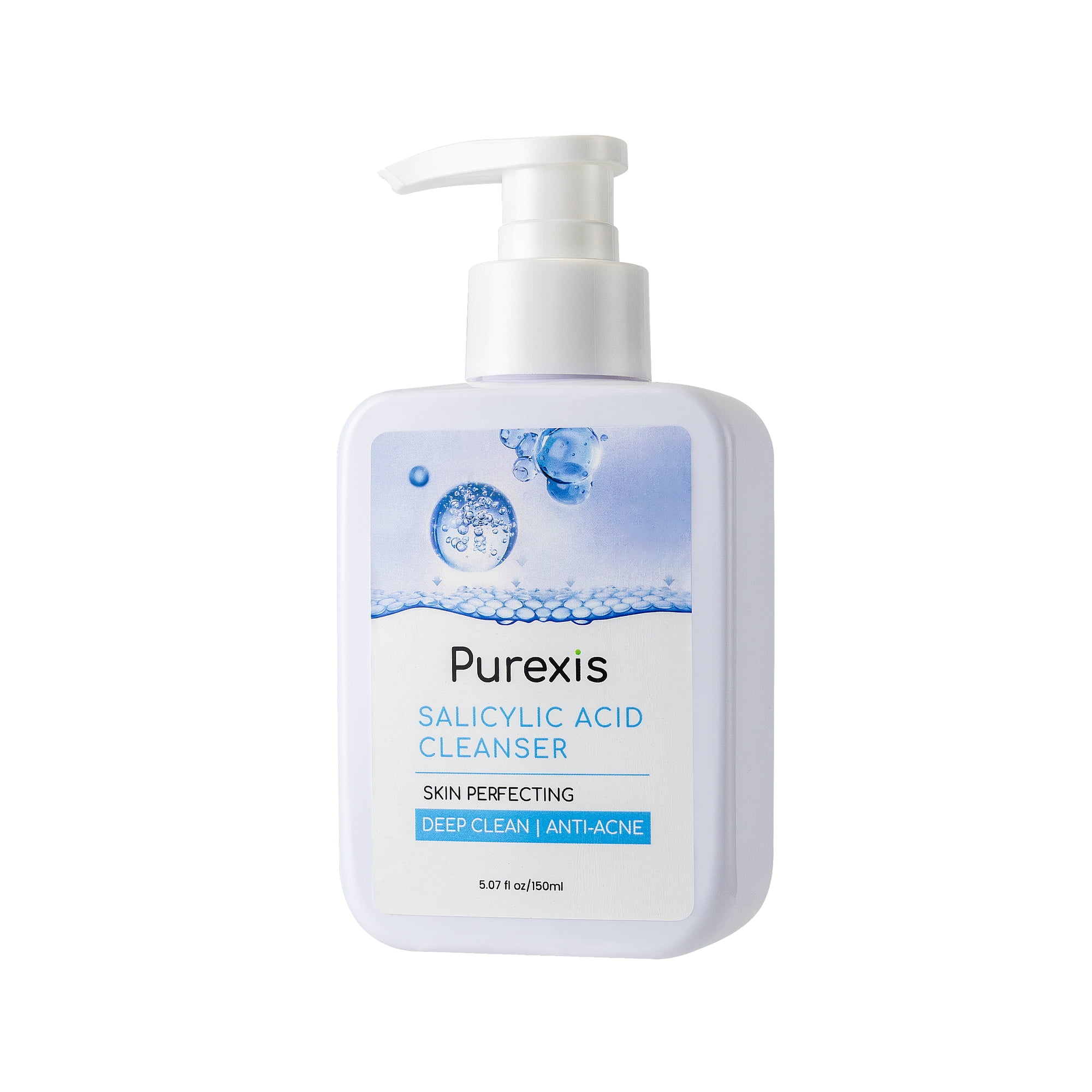
- Cleanse: Use a gentle foaming or gel cleanser that contains salicylic acid or niacinamide to help break down excess oil and remove surface debris.
- Tone: A lightweight, alcohol‑free toner with witch hazel or rose water can help tighten pores and remove remaining impurities.
- Treat: Spot or serum treatments containing benzoyl peroxide, sulfur, or a mild retinoid target active breakouts without over‑drying.
- Moisturise: Look for oil‑free, non‑comedogenic creams or gel‑creams that hydrate without clogging pores.
- Protect: A broad‑spectrum SPF 30+ sunscreen is non‑negotiable; it shields skin from UV damage that can worsen inflammation.
AM routine oily: keep the day fresh
- Morning cleanse with a gentle foaming cleanser.
- Apply a lightweight közso serum (e.g., niacinamide) to regulate oil.
- Moisturise with an oil‑free gel‑cream.
- Finish with sunscreen.
PM routine oily: target deep‑cleaning and repair
- Double cleanse: start with an oil‑based cleanser to dissolve sunscreen and makeup, then follow with a foaming cleanser.
- Use a gentle exfoliant (BHA or AHA) 2–3 times a week to unclog pores.
- Apply a spot treatment or retinoid serum if needed.
- Finish with a hydrating but non‑comedogenic moisturizer.
Weekly treatments: deepen the cleanse and calm the skin
In addition to daily steps, incorporate once‑a‑week treatments tailored to oily acne‑prone skin:
- Clay mask: A 10–15 minute clay mask helps absorb surface oil and shrink pores.
- Targeted peel: An alpha‑hydroxy peel can improve cell turnover and reduce blackheads.
- Spot treatment: Use a high‑potency benzoyl peroxide spot once or twice a week to avoid irritation.
Lifestyle factors that influence oily acne‑prone skin
- Diet: Reduce refined carbs and dairy; increase omega‑3 fatty acids, fruits, and vegetables.
- Hydration: Drink at least two litres of water daily to support dermal homeostasis.
- Sleep: Aim for 7–8 hours of restorative sleep to regulate hormone levels.
- Stress: Practice mindfulness or gentle exercise to lower cortisol, which can exacerbate oil production.
Common mistakes to avoid
- Over‑scrubbing: This can trigger a rebound oil surge.
- Skipping sunscreen: UV exposure can worsen inflammation.
- Using heavy creams: They may clog pores and trigger breakouts.
- Applying too many actives at once: Combine ingredients slowly to gauge tolerance.
Ingredient guide for oily acne‑prone skin
When selecting products, look for these key ingredients:
- Salicylic acid (BHA): penetrates pores to dissolve excess sebum.
- Niacinamide: reduces oil production and calms redness.
- Benzoyl peroxide: kills acne‑causing bacteria.
- Sulfur: absorbs oil and reduces inflammation.
- Retinoids: increase cell turnover and unclog pores.
- Hyaluronic acid: hydrates without adding oil.
DIY natural tips for oily acne‑prone skin
- Use a diluted tea tree oil spot treatment (1:10 dilution) for its antibacterial properties.
- Apply a honey and lemon mask once a week; honey is antibacterial and lemon contains mild alpha‑hydroxy acids.
- Incorporate green tea extract into a homemade toner. Gently apply with a cotton pad.
Adjusting the routine as your skin evolves
Oily acne‑prone skin can change with age, hormonal shifts, or seasonal variations. If your skin starts to feel tight, increase hydration with a hyaluronic acid serum. If breakouts flare, add a BHA exfoliant or a higher concentration of benzoyl peroxide. Always patch test new actives.
ino internal link for further reading
For a deeper dive into how hormones influence skin oiliness, visit our healthy skin journey page for comprehensive insights.
Frequently Asked Questions
- What is the best skincare routine for oily acne-prone skin? A balanced AM/PM routine that cleanses, tones, treats, moisturises, and protects, complemented by weekly exfoliation and lifestyle adjustments.
- Can I use moisturiser on oily skin? Yes—choose an oil‑free, non‑comedogenic formula that hydrates without clogging pores.
- How often should I exfoliate oily acne‑prone skin? 2–3 times a week with a gentle BHA or AHA product is sufficient to prevent pore blockage.
- Is sunscreen necessary for oily acne‑prone skin? Absolutely—sunscreen protects against UV‑induced inflammation and prevents post‑acne hyperpigmentation.
- Can diet really affect acne? A balanced diet low in refined sugars and high in omega‑3s can help regulate oil production and reduce inflammation.
Choosing the Right Cleanser: A Deep Dive
Not all foaming cleansers are created equal. When shopping for a cleanser for oily acne-prone skin, look for:
- pH-balanced formula (5.5–6.5): Keeps the skin barrier intact.
- Salicylic acid (0.5–2%): Helps dissolve sebum inside pores.
- Non‑ionic surfactants: Gentle yet effective at removing debris.
- Fragrance-free: Minimises irritation.
Brands such as La Roche‑Posay Effaclar Purifying Gel, CeraVe Foaming Facial Cleanser, and Neutrogena Oil-Free Acne Wash are well‑reviewed options.
How to Double Cleanse Effectively
Double cleansing is a two‑step process that ensures all sunscreen, makeup, and sebum are removed:
- First cleanse: Use an oil‑based cleanser or cleansing balm. Massage gently, then rinse with lukewarm water.
- Second cleanse: Follow with your foaming or gel cleanser to remove any remaining residue.
Perform this routine only at night; the extra step can be overkill during the day.
Exfoliation: Types and Timing
Exfoliation can be mechanical (scrubs) or chemical (AHAs/BHAs). For oily acne-prone skin, chemical exfoliants are preferred because they target pores without physical abrasion.
Salicylic Acid (BHA)
- Penetrates oily pores.
- Reduces blackheads and whiteheads.
- Start with 0.5% and gradually increase to 2% as tolerated.
Lactic Acid (AHA)
- Gentle exfoliant that also hydrates.
- Use 5–10% for mild cell turnover.
Frequency
- Begin with 2–3 times per week.
- Monitor for redness or irritation; reduce frequency if needed.
Spot Treatments: When and How
Spot treatments should be applied only to active breakouts to avoid over‑drying the surrounding skin.
- Benzoyl Peroxide 2.5–5%: Use 1–2 times per week. Apply a thin layer on the spot, wait 15 minutes, then wash off.
- Niacinamide 5% serum: Apply daily to reduce redness and regulate oil.
- Azelaic Acid 10–15%: Can be used twice daily for acne and post‑inflammatory hyperpigmentation.
Nighttime Retinoid Use
Retinoids boost cell turnover, unclog pores, and fade post‑acne marks. Start slowly:
- Night 1: Apply a pea‑size amount of adapalene 0.1%.
- Night 2: Increase to 0.3% if tolerated.
- Continue with a moisturizer to prevent dryness.
Avoid using retinoids with benzoyl peroxide on the same night to reduce irritation.
Sunscreen Formulations for Oily Skin
Choose a matte, oil‑free sunscreen with broad‑spectrum protection:
- SPF 30–50: Offers sufficient protection.
- Water‑based or gel formula: Reduces greasiness.
- Mineral (zinc oxide, titanium dioxide): Less likely to clog pores.
Brands such as EltaMD UV Clear, La Roche‑Posay Anthelios Clear Skin, and Neutrogena Ultra Sheer are popular choices.
Common Myths Debunked
- “Oily skin doesn’t need moisturizer.” Even oily skin requires hydration; the key is choosing the right formula.
- “More cleansing equals clearer skin.” Over‑cleansing can strip the barrier, leading to rebound oiliness.
- “All natural ingredients are safe.” Some natural actives (like essential oils) can irritate or clog pores.
Product Layering Order (The 5‑Step Rule)
- Cleansing
- Toner
- Active serums (acne treatments, niacinamide)
- Moisturiser
- Sunscreen (AM only)
Always wait 1–2 minutes between layers to allow absorption.
How to Read Labels: Ingredient Hierarchy
Ingredients are listed in descending order of concentration:
- High‑percentage actives appear first.
- Water (Aqua) is often the base.
- Preservatives and fragrances are near the end.
Look for salicylic acid or niacinamide within the first 10–15 ingredients for maximum efficacy.
Patch Testing Guide
Before adding a new product:
- Apply a small amount to the inside of your wrist or behind your ear.
- Wait 24 hours.
- Observe for redness, itching, or swelling.
If no reaction, proceed to full application.
Seasonal Adjustments
- Summer: Increase sunscreen frequency; consider a mattifying primer.
- Winter: Add a lightweight hyaluronic acid serum to brewer dryness.
- All seasons: Keep a balanced diet low in refined sugars.
Travel‑Friendly Routine
When on the go, pack:
- Travel‑size foaming cleanser.
- Alcohol‑free toner wipes.
- Mini‑sunscreen spray.
- Non‑comedogenic moisturizer in a small jar.
- 1‑2 actives in a travel‑sized bottle.
Professional Treatments to Complement DIY
In-office options can accelerate results:
- Chemical peels (low‑strength Jessner or glycolic): Enhance exfoliation.
- Microneedling: Boosts product absorption.
- LED light therapy: Reduces inflammation.
Consult a dermatologist for personalized recommendations.
FAQ – Expanded
- What is the best skincare routine for oily acne-prone skin? A balanced AM/PM routine that cleanses, tones, treats, moisturises, and protects, complemented by weekly exfoliation and lifestyle adjustments.
- Can I use moisturiser on oily skin? Yes—choose an oil‑free, non‑comedogenic formula that hydrates without clogging pores.
- How often should I exfoliate oily acne‑prone skin? 2–3 times a week with a gentle BHA or AHA product is sufficient to prevent pore blockage.
- Is sunscreen necessary for oily acne‑prone skin? Absolutely—sunscreen protects against UV‑induced inflammation and prevents post‑acne hyperpigmentation.
- Can diet really affect acne? A balanced diet low in refined sugars and high in omega‑3s can help regulate oil production and reduce inflammation.
- Should I use oil‑based products at night? Oil‑based cleansers are fine for removing sunscreen, but avoid oil‑based moisturisers unless they are specifically formulated for oily skin.
- How long does it take to see results? Consistent use of a targeted routine typically shows improvement within 4–6 weeks, but full clarity may take up to 3 months.
- Can I combine retinoids and benzoyl peroxide? Use them on alternate nights to reduce irritation; do not apply both simultaneously.
- What if my skin feels tight after moisturizing? Try a lighter gel‑cream or add a hyaluronic acid serum to maintain hydration without heaviness.
- Is a mattifying primer necessary? Not mandatory, but it can provide a smooth base and reduce shine throughout the day.
Leave a Reply